Indoor Air Quality & Health: What You're Breathing Matters

- Indoor air is 2–5x more polluted than outdoor air, with particulate matter, VOCs, and mold driving chronic inflammation and disease
- Medical-grade HEPA air purifiers with activated carbon capture 99.97% of harmful particles and adsorb chemical off-gassing
- Source reduction (non-toxic cleaners, eliminating fragrances) combined with proper ventilation addresses the root causes
- Patients with unexplained inflammation, respiratory issues, or hormonal imbalances should evaluate indoor air quality as a foundational intervention
A 38-year-old teacher came to me with persistent headaches, brain fog, and a cough that wouldn't resolve despite two rounds of antibiotics. Her labs showed elevated inflammatory markers and low-grade eosinophilia. Her doctor had told her it was "probably allergies." I asked about her home environment. She lived in a 1970s house with original HVAC, no air purification, and had noticed visible mold in the bathroom two years ago that was "cleaned up."
We tested her home air quality. The particulate matter levels were four times WHO guidelines. VOC levels were elevated. We placed a medical-grade HEPA air purifier in her bedroom and living room. Within three weeks, her headaches resolved. Within six weeks, her cough was gone. Her hs-CRP dropped from 3.8 to 1.2. "I can't believe," she said, "that the air in my own house was making me sick."
Most people spend 90% of their time indoors. Yet indoor air can be 2–5 times more polluted than outdoor air — and we rarely think about it.
What's in Your Indoor Air?
Particulate Matter (PM2.5 and PM10)
Fine particles under 2.5 microns penetrate deep into the lungs, cross into the bloodstream, and drive systemic inflammation. Sources include cooking, candles, fireplaces, and outdoor pollution infiltrating the home.
Volatile Organic Compounds (VOCs)
Off-gassing from furniture, paint, cleaning products, air fresheners, and building materials. Many VOCs are known endocrine disruptors that interfere with thyroid, estrogen, and testosterone function.
Mold and Mycotoxins
Mold exposure affects approximately 50% of U.S. buildings. Mycotoxins produced by indoor mold drive chronic inflammatory response syndrome (CIRS), fatigue, cognitive dysfunction, and immune suppression.
Carbon Dioxide (CO2)
Poorly ventilated spaces accumulate CO2, which impairs cognitive function at levels above 1,000 ppm. Most occupied, unventilated rooms exceed this threshold within 1–2 hours.
Chemical Cleaning Products
Conventional household cleaners release chlorine, ammonia, formaldehyde, and phthalates into indoor air. These contribute to respiratory irritation, hormonal disruption, and oxidative stress. Non-toxic alternatives significantly reduce this burden.
Health Effects of Poor Indoor Air Quality
The research linking indoor air pollution to disease is extensive:
- Respiratory disease: Asthma, chronic cough, sinusitis, recurrent infections
- Cardiovascular disease: PM2.5 exposure increases heart attack and stroke risk
- Neurological effects: Brain fog, headaches, cognitive decline, mood disorders
- Hormonal disruption: VOCs and flame retardants disrupt thyroid, estrogen, and testosterone
- Immune dysfunction: Mold exposure suppresses immune function and triggers autoimmune responses
- Cancer risk: Formaldehyde, benzene, and radon are established carcinogens
The Indoor Air Quality Improvement Protocol
Step 1: Source Reduction
| Source | Action |
|---|---|
| Cleaning products | Switch to non-toxic alternatives (plant-based, fragrance-free) |
| Candles & air fresheners | Eliminate synthetic fragrances entirely |
| Cooking | Use range hood ventilation on high while cooking |
| Furniture/flooring | Choose low-VOC, GREENGUARD certified materials |
| Mold | Professional remediation if visible growth or musty odors |
Step 2: Ventilation
- Open windows 15–30 minutes daily (weather permitting)
- Run bathroom exhaust fans during and 30 minutes after showers
- HVAC filter upgrade to MERV 13 or higher
- Consider an ERV (energy recovery ventilator) for airtight homes
Step 3: Air Purification
Medical-grade HEPA air purifiers with activated carbon filters are the gold standard for indoor air quality improvement. Key specifications:
- True HEPA filter — Captures 99.97% of particles ≥0.3 microns
- Activated carbon — Adsorbs VOCs, formaldehyde, and chemical off-gassing
- Room size coverage — Match CFM rating to room square footage
- CADR (Clean Air Delivery Rate) — Higher is better; look for 200+ for bedrooms
Place purifiers in the bedroom (where you spend 8 hours breathing) and the main living area. Run 24/7 on medium-to-high settings.
Step 4: Monitoring
- Use a PM2.5 monitor to track real-time particulate levels (target: <12 μg/m³)
- CO2 monitor for ventilation adequacy (target: <800 ppm)
- Humidity control at 30–50% RH (prevents mold growth)
Lab Markers That Reflect Air Quality Exposure
- hs-CRP — General inflammation marker; often elevated with chronic air pollutant exposure
- Eosinophil count — Elevated in allergic/mold-driven responses
- IgE (total and specific) — Allergic sensitization to mold, dust mites
- Mycotoxin urine testing — Screens for mold toxin exposure (CIRS evaluation)
- Thyroid panel — VOC/flame retardant exposure disrupts thyroid function
- VOC metabolite panel — Urine testing for benzene, styrene, xylene metabolites
The Bottom Line
The air inside your home is a modifiable risk factor for virtually every chronic disease category. Source reduction, proper ventilation, and medical-grade air purification can dramatically reduce your indoor pollutant exposure. For patients with unexplained inflammation, respiratory issues, or hormonal imbalances, evaluating and improving indoor air quality is a foundational — and often overlooked — intervention.
References
- EPA. Report on the Environment: Indoor Air Quality. U.S. Environmental Protection Agency. 2021.
- Sundell J. On the history of indoor air quality and health. Indoor Air. 2004;14(Suppl 7):51-58.
- Allen JG, et al. Associations of Cognitive Function Scores with Carbon Dioxide, Ventilation, and Volatile Organic Compound Exposures in Office Workers. Environ Health Perspect. 2016;124(6):805-812.
Supplements for Functional Wellness
Clinical-grade picks for this topic
Affiliate disclosure: The product links below are affiliate links — we may earn a commission at no extra cost to you. Recommendations are based on clinical use, not commissions. Learn more.
Frequently Asked Questions
Common questions about indoor air quality & health: what you're breathing matters
Recommended Supplements
Professional-grade supplements from my MaxHealth Nutraceuticals line — the same formulas I use in clinical practice.

Austin Air HealthMate Plus®

Branch Basics Premium Starter Kit
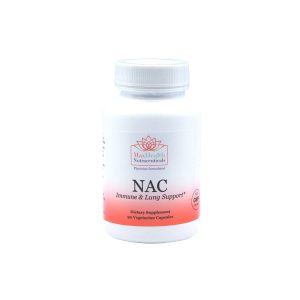
NAC 90s
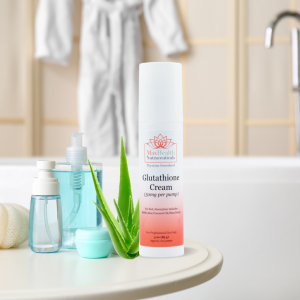
Glutathione Cream 50mg 3oz

Omega Ultra TG
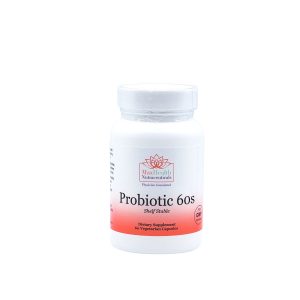
Probiotic 40 Billion CFU – 60s (shelf stable)

Vitamin D3 5000 IU + K2 CAPSULES 100s
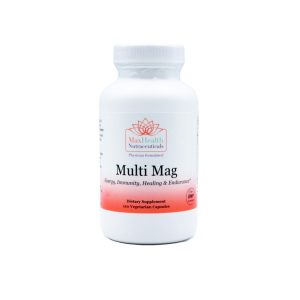
Multi Mag

Allergy Support Bundle
Disclosure: This post contains affiliate links. If you purchase through these links, we may earn a small commission at no extra cost to you. Learn more.
About the Author
Dr. Nicolle is a double board-certified physician in Family Medicine and Preventive Medicine, with certifications in Functional Medicine and Lifestyle Medicine. She helps busy professionals over 40 optimize their health through root-cause approaches to cardiovascular, hormonal, and metabolic health.
Learn more about Dr. Nicolle →Explore Related Topics
Dive deeper into these connected health areas
Hormone Health
Hormones are the chemical messengers that regulate virtually every process in your body — from metab…
Explore 🦠Gut Health
Your gut is far more than a digestive organ — it's home to 70% of your immune system, produces key n…
Explore ❤️Metabolic Health
Metabolic health sits at the intersection of blood sugar regulation, cardiovascular function, body c…
Explore 🌸Women's Health
Women's health encompasses a complex interplay of hormonal cycles, reproductive biology, and unique …
Explore 💪Men's Health
Men's health involves a unique interplay of hormonal balance, cardiovascular resilience, metabolic e…
Explore 🧠Mental Health
Mental health is deeply interconnected with hormonal balance, gut health, blood sugar regulation, an…
Explore 📖Skin & Hair Health
Your skin and hair are windows into your internal health. Chronic acne, eczema, psoriasis, and hair …
ExploreReady to Address Your Health Concerns?
Book a Discovery Offer consultation to discuss how our functional medicine approach can help you achieve your health goals.
Book Your Discovery Offer