Mold Illness & Biotoxin Exposure: Hidden Chronic Symptoms

- 25% of the population carries HLA-DR genotypes that prevent proper clearance of mold toxins, making them vulnerable to CIRS
- Mold illness mimics dozens of conditions — chronic fatigue, fibromyalgia, anxiety, autoimmune disease — and is frequently missed
- Mycotoxins damage the gut, brain, mitochondria, immune system, and hormones simultaneously
- Treatment follows a strict sequence: remove exposure → bind toxins → support detox → repair gut → rebalance hormones
- Environmental testing (ERMI/HERTSMI-2) and urine mycotoxin panels are the gold-standard diagnostic tools
She was 43, a high-performing executive, and she'd been to 12 doctors in three years. The symptoms started gradually — fatigue that coffee couldn't fix, brain fog that made meetings excruciating, joint pain that moved around her body, sinus congestion that never fully cleared, and anxiety that seemed to come from nowhere. Each specialist ran their own tests, prescribed their own medications, and told her the same thing: "Your labs look fine."
I've heard this story hundreds of times. And when everything "looks fine" but the patient clearly isn't, one of the first things I investigate is biotoxin exposure — particularly mold.
What Is Mold Illness (CIRS)?
Chronic Inflammatory Response Syndrome (CIRS) is a multi-system, multi-symptom illness caused by exposure to biotoxins — most commonly mold-produced mycotoxins, but also toxins from certain bacteria (actinomycetes), algae (cyanotoxins), and tick-borne infections (1).
CIRS was first characterized by Dr. Ritchie Shoemaker, who identified that approximately 25% of the population carries HLA-DR genotypes that impair their immune system's ability to recognize and clear biotoxins. In these genetically susceptible individuals, biotoxin exposure triggers a self-perpetuating inflammatory cascade that doesn't resolve even after the exposure source is removed (2).
About 25% of the population carries genetic variants (HLA-DR types) that prevent their immune system from recognizing and clearing mold toxins. For these individuals, even low-level mold exposure can trigger a severe, chronic inflammatory response that affects virtually every organ system.
Why Only Some People Get Sick
In immunologically normal individuals, biotoxins are tagged by the immune system, processed by the liver, and eliminated through bile. The system works. But in HLA-susceptible individuals, the immune system fails to properly tag these toxins. They recirculate endlessly, triggering continuous immune activation and a cascade of inflammatory cytokines that affects the brain, gut, hormones, joints, muscles, and respiratory system.
This explains why one family member can live in a water-damaged home and feel fine while another develops debilitating illness. It's not about exposure intensity alone — it's about genetic clearance capacity.
The Symptoms of Mold Illness
CIRS is a clinical chameleon. Its symptoms overlap with dozens of other conditions, which is why it's so frequently missed. The most common symptoms include:
Neurological:
- Brain fog, difficulty concentrating, word-finding problems
- Memory impairment (both short and long-term)
- Headaches (often described as "pressure" headaches)
- Light sensitivity, blurred vision
- Vertigo and balance problems
- Numbness, tingling, and neuropathic pain
Systemic:
- Crushing fatigue unrelieved by sleep
- Joint and muscle pain (often migratory)
- Morning stiffness
- Temperature dysregulation (feeling too hot or too cold)
- Night sweats unrelated to menopause
Respiratory:
- Chronic sinus congestion
- Shortness of breath
- Cough or wheezing
- Frequent respiratory infections
Gastrointestinal:
- Bloating, abdominal pain
- Diarrhea or constipation (or alternating)
- Food sensitivities that seem to multiply
- Nausea
Hormonal/Metabolic:
- Thyroid dysfunction (often treatment-resistant)
- Adrenal dysregulation
- Weight gain or inability to lose weight
- Hormonal imbalances
CIRS symptoms overlap significantly with chronic fatigue syndrome, fibromyalgia, Lyme disease, autoimmune conditions, and even anxiety/depression. If you've been diagnosed with any of these and treatment hasn't fully worked, biotoxin exposure should be investigated as a root cause or contributing factor.
How Mold Exposure Damages Your Health
Mycotoxins (the toxic compounds produced by mold) don't just irritate your airways — they disrupt virtually every physiological system:
Immune Dysregulation
Mycotoxins activate the innate immune system while simultaneously suppressing adaptive immunity. This creates a paradox: you're chronically inflamed but also immunosuppressed, making you susceptible to secondary infections (candida, bacterial, viral).
Gut Damage
Mycotoxins damage intestinal tight junctions, promoting leaky gut. They also suppress beneficial gut bacteria while promoting opportunistic organisms, creating a dysbiotic environment that further impairs detoxification capacity.
Hormonal Disruption
Mycotoxins are potent endocrine disruptors. Zearalenone (produced by *Fusarium* molds commonly found in water-damaged buildings) is one of the most estrogenic mycotoxins known, contributing to estrogen dominance in exposed individuals. Other mycotoxins suppress thyroid function and adrenal output.
Mitochondrial Damage
Ochratoxin A and aflatoxin B1 directly damage mitochondrial membranes and impair oxidative phosphorylation — the energy production system in every cell. This is why fatigue in mold illness is so profound and unresponsive to typical interventions.
Neuroinflammation
Mycotoxins cross the blood-brain barrier and activate microglial cells (the brain's immune cells), producing the characteristic "brain fog," cognitive impairment, and neuropsychiatric symptoms that make mold illness so debilitating.
| Mycotoxin | Common Source | Primary Health Impact |
|---|---|---|
| Ochratoxin A | Aspergillus, Penicillium | Kidney damage, immune suppression, fatigue |
| Aflatoxin B1 | Aspergillus | Liver damage, mitochondrial dysfunction |
| Trichothecenes | Stachybotrys (black mold) | Immune suppression, neurological damage |
| Zearalenone | Fusarium | Estrogenic effects, hormonal disruption |
| Gliotoxin | Aspergillus fumigatus | Immune suppression, cell death |
Testing for Mold Illness
Patient Testing
- Mycotoxin urine panel (RealTime Laboratories or Great Plains/Mosaic GPL-MycoTOX) — detects mycotoxins being excreted in urine. A provocation with glutathione or sauna before collection can improve sensitivity
- HLA-DR typing — identifies genetic susceptibility to biotoxin illness
- TGF-beta 1, MMP-9, MSH, VIP, C4a — the Shoemaker CIRS biomarker panel that tracks the inflammatory cascade
- Visual Contrast Sensitivity (VCS) test — a neurotoxin screening test that detects subtle neurological impact on visual processing
Environmental Testing
- ERMI (Environmental Relative Moldiness Index) — DNA-based analysis of dust samples that quantifies 36 mold species
- HERTSMI-2 — a simplified scoring system from ERMI data focusing on the 5 most problematic indoor mold species
- Air sampling — less reliable than dust DNA testing but useful for identifying active growth
If you've been sick for years with treatment-resistant fatigue, brain fog, pain, and immune dysfunction — and every doctor tells you "your labs are normal" — mold illness is one of the most commonly overlooked diagnoses. The testing exists. You just need a practitioner who knows to look.
The Treatment Protocol
Treating mold illness requires a specific sequence. Skipping steps or doing them out of order can cause significant setbacks.
Step 1: Remove the Exposure
This is non-negotiable. No amount of treatment will succeed if you're still living or working in a water-damaged environment. Remediation must be performed by certified professionals following IICRC S520 standards. In some cases, belongings (especially porous items like mattresses, upholstered furniture, and clothing) must be discarded.
Step 2: Bind and Remove Toxins
Binding agents ("binders") attach to mycotoxins in the GI tract and prevent reabsorption:
- Cholestyramine (CSM) — the gold-standard prescription binder with the most clinical evidence for CIRS
- Welchol — an alternative prescription binder with fewer GI side effects
- Activated charcoal — a broad-spectrum OTC binder
- Bentonite clay — binds aflatoxins and ochratoxin A
- Modified citrus pectin — gentle binder suitable for sensitive patients
Step 3: Support Detoxification Pathways
- Glutathione (liposomal or IV) — the body's master antioxidant, essential for mycotoxin clearance
- NAC (N-acetyl cysteine) — a glutathione precursor that also supports liver phase II detoxification
- Liver support — milk thistle, alpha-lipoic acid, phosphatidylcholine
- Sweating — infrared sauna (3-5 sessions/week) is one of the most effective adjuncts for mycotoxin elimination through the skin
Step 4: Repair the Gut
Mycotoxins devastate the gut. Comprehensive gut repair using the 5R protocol is essential:
- Remove remaining infections and overgrowths
- Restore digestive function
- Repopulate with targeted probiotics (*Saccharomyces boulardii* is particularly beneficial for mycotoxin binding)
- Repair intestinal lining with L-glutamine, zinc carnosine, and collagen
Step 5: Rebalance Hormones and Immune Function
Once the toxic burden is reduced, hormonal and immune normalization can begin:
- Address thyroid optimization
- Support adrenal recovery
- Restore VIP (vasoactive intestinal peptide) if chronically depleted
- Recheck inflammatory biomarkers to confirm resolution
Prevention: Protecting Your Home and Health
- Fix all water leaks within 24-48 hours
- Maintain indoor humidity below 50%
- Use HEPA filtration in bedrooms and main living areas — I recommend the Austin Air HealthMate Plus®, which uses medical-grade HEPA to remove 99% of bacteria and aerosolized viruses as small as 0.1 microns, plus 780 cubic inches of activated carbon and zeolite to eliminate VOCs, formaldehyde, and chemical off-gassing
- Ensure proper bathroom and kitchen ventilation
- Inspect HVAC systems annually
- Address any musty odors immediately — they indicate active mold growth
- Test before buying or renting a home (ERMI/HERTSMI-2)
Ready to Investigate?
If you suspect mold illness is driving your chronic symptoms, the first step is proper testing — both of your body and your environment. Our team can guide you through the evaluation process and create a personalized treatment plan.
Book a Discovery Offer to discuss your symptoms and testing options, or take our Wellness Quiz to identify your top health priorities.
---
References
- Shoemaker, R.C., & House, D.E. (2006). Sick building syndrome and exposure to water-damaged buildings: Time series study, clinical trial, and mechanisms. Neurotoxicology and Teratology, 28(5), 573-588.
- Shoemaker, R.C., et al. (2014). Prevalence and likely illness from biotoxin exposure. Neurotoxicology and Teratology, 43, 54.
- Hope, J. (2013). A review of the mechanism of injury and treatment approaches for illness resulting from exposure to water-damaged buildings, mold, and mycotoxins. The Scientific World Journal, 2013, 767482.
- Brewer, J.H., et al. (2013). Detection of mycotoxins in patients with chronic fatigue syndrome. Toxins, 5(4), 605-617.
- Rea, W.J., et al. (2011). Effects of toxic exposure to molds and mycotoxins in building-related illnesses. Archives of Environmental Health, 58(7), 399-405.
Supplements for Functional Wellness
Clinical-grade picks for this topic

Thera360 PLUS Portable Sauna
$1,428.00

Austin Air HealthMate Plus®
$895.00

Branch Basics Premium Starter Kit
$75.00
Affiliate disclosure: The product links below are affiliate links — we may earn a commission at no extra cost to you. Recommendations are based on clinical use, not commissions. Learn more.
Frequently Asked Questions
Common questions about mold illness & biotoxin exposure: hidden chronic symptoms
Recommended Supplements
Professional-grade supplements from my MaxHealth Nutraceuticals line — the same formulas I use in clinical practice.
Thera360 PLUS Portable Sauna
Austin Air HealthMate Plus®
Branch Basics Premium Starter Kit
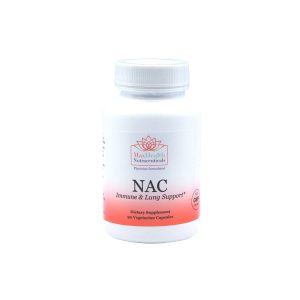
NAC 90s
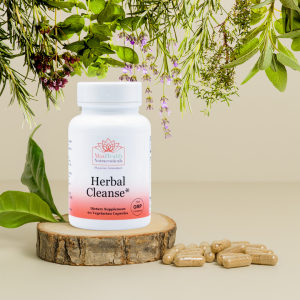
Herbal Cleanse 60s
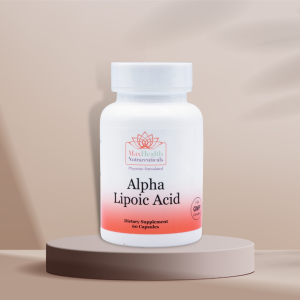
Alpha Lipoic Acid (Clinical Strength)
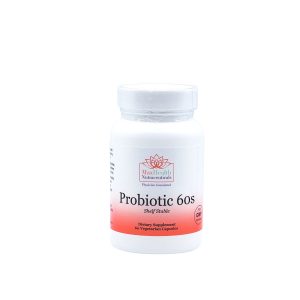
Probiotic 40 Billion CFU – 60s (shelf stable)
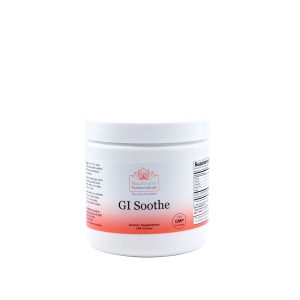
GI Soothe (Powder) 168 Grams
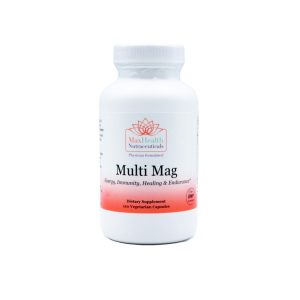
Multi Mag
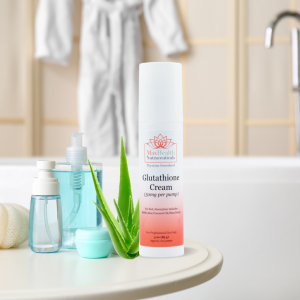
Glutathione Cream 50mg 3oz
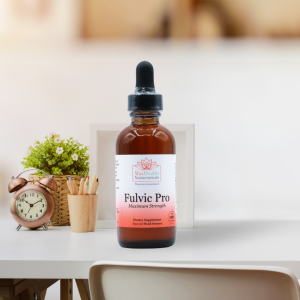
Fulvic Pro Maximum Strength

Inflammation Buster Bundle

Allergy Support Bundle
Disclosure: This post contains affiliate links. If you purchase through these links, we may earn a small commission at no extra cost to you. Learn more.
About the Author
Dr. Nicolle is a double board-certified physician in Family Medicine and Preventive Medicine, with certifications in Functional Medicine and Lifestyle Medicine. She helps busy professionals over 40 optimize their health through root-cause approaches to cardiovascular, hormonal, and metabolic health.
Learn more about Dr. Nicolle →Explore Related Topics
Dive deeper into these connected health areas
Hormone Health
Hormones are the chemical messengers that regulate virtually every process in your body — from metab…
Explore ❤️Metabolic Health
Metabolic health sits at the intersection of blood sugar regulation, cardiovascular function, body c…
Explore 🌸Women's Health
Women's health encompasses a complex interplay of hormonal cycles, reproductive biology, and unique …
Explore 💪Men's Health
Men's health involves a unique interplay of hormonal balance, cardiovascular resilience, metabolic e…
Explore 🧠Mental Health
Mental health is deeply interconnected with hormonal balance, gut health, blood sugar regulation, an…
Explore 📖Skin & Hair Health
Your skin and hair are windows into your internal health. Chronic acne, eczema, psoriasis, and hair …
ExploreReady to Address Your Health Concerns?
Book a Discovery Offer consultation to discuss how our functional medicine approach can help you achieve your health goals.
Book Your Discovery Offer