Environmental Toxins & Hormone Disruptors Guide

- Endocrine-disrupting chemicals (EDCs) interfere with hormonal signaling at extremely low doses — mimicking estrogen, blocking testosterone, disrupting thyroid function, and altering cortisol regulation
- Major toxin categories include plasticizers (BPA, phthalates), pesticides (glyphosate), heavy metals (mercury, lead, arsenic), mold/mycotoxins, and PFAS 'forever chemicals' — all linked to chronic disease
- Environmental toxins drive illness through four key mechanisms: hormone disruption, gut microbiome damage, mitochondrial dysfunction, and immune dysregulation
- Effective detoxification requires reducing incoming exposure (water filtration, glass storage, organic produce) while supporting liver detox pathways with NAC, glutathione, sulforaphane, and adequate fiber
- Infrared sauna use is one of the most evidence-based detox strategies — research shows sweat mobilizes and excretes heavy metals, BPA, and phthalates
Every day, you're exposed to thousands of synthetic chemicals that didn't exist a century ago. They're in your drinking water, your food packaging, your personal care products, your furniture, and even the air inside your home. Most of them have never been tested for long-term safety. And a growing body of evidence shows that many of them are actively disrupting your hormones, damaging your gut, impairing your metabolism, and increasing your risk of cancer, autoimmune disease, and neurodegenerative conditions.
This isn't fringe science. The Endocrine Society — the world's largest organization of hormone specialists — has issued multiple scientific statements warning that endocrine-disrupting chemicals (EDCs) represent a significant threat to human health (1). The problem is that conventional medicine rarely looks for these exposures, and most patients have no idea their "unexplained" symptoms may have an environmental root cause.
If you've been dealing with hormonal imbalances, thyroid dysfunction, fertility struggles, unexplained weight gain, chronic fatigue, or autoimmune flares despite eating well and exercising, your toxic burden may be a missing piece of the puzzle.
What Are Endocrine-Disrupting Chemicals?
Endocrine disruptors are chemicals that interfere with your body's hormonal signaling system. They can:
- Mimic hormones (particularly estrogen), binding to hormone receptors and activating them inappropriately
- Block hormone receptors, preventing your natural hormones from doing their job
- Alter hormone production, increasing or decreasing the synthesis of critical hormones
- Interfere with hormone transport, changing how hormones move through your bloodstream
- Disrupt hormone metabolism, altering how quickly hormones are broken down and eliminated
What makes EDCs particularly insidious is that they operate at extremely low concentrations — often in parts per billion or trillion. Traditional toxicology assumed "the dose makes the poison," but EDCs violate this principle. Many exhibit non-monotonic dose-response curves, meaning they can be more harmful at low doses than at high doses (2).
Endocrine disruptors don't follow the rules of traditional toxicology. Many are more harmful at everyday low doses than at higher concentrations, and their effects can be passed to future generations through epigenetic changes.
The Major Categories of Environmental Toxins
Plasticizers: BPA and Phthalates
Bisphenol A (BPA) and its "safer" replacements (BPS, BPF) are found in food can linings, thermal receipt paper, water bottles, and food storage containers. BPA is a potent estrogen mimic linked to:
- Estrogen dominance and progesterone insufficiency
- PCOS and early puberty
- Insulin resistance and obesity
- Reduced sperm quality and male reproductive dysfunction
- Thyroid hormone disruption (3)
Phthalates are found in fragranced products (perfumes, air fresheners, scented candles), vinyl flooring, food packaging, and personal care products. They are anti-androgenic, meaning they block testosterone activity. Research links phthalate exposure to:
- Reduced testosterone in men
- Earlier menopause in women
- Impaired fertility in both sexes
- Neurodevelopmental effects in children exposed in utero (4)
"BPA-free" products often contain BPS or BPF, which research suggests are equally or more hormonally active than BPA. The label doesn't mean the product is safe — it means the manufacturer switched to a different, less-studied chemical.
Pesticides and Herbicides
Organophosphates, glyphosate, atrazine, and chlorpyrifos are among the most widely used agricultural chemicals. Their health effects include:
- Glyphosate (the active ingredient in Roundup): Disrupts the gut microbiome, impairs cytochrome P450 enzymes critical for detoxification and hormone metabolism, and may function as an endocrine disruptor (5)
- Atrazine: One of the most widely used herbicides in the U.S., banned in the EU. Proven to chemically castrate male frogs at concentrations found in American drinking water (6)
- Organophosphates: Designed to disrupt nervous system function in insects, they also affect human neurotransmitter signaling and are linked to cognitive impairment in children
The Environmental Working Group's "Dirty Dozen" list identifies the conventionally grown produce with the highest pesticide residues: strawberries, spinach, kale, nectarines, apples, grapes, bell peppers, cherries, peaches, pears, celery, and tomatoes.
Heavy Metals
Lead, mercury, arsenic, and cadmium are ubiquitous environmental contaminants with profound effects on human health:
- Lead: No safe level exists. Even low-level exposure impairs cognitive function, raises blood pressure, and damages kidneys. Sources include old paint, contaminated water pipes, and some imported spices and ceramics
- Mercury: Primarily from dental amalgam fillings and large predatory fish (tuna, swordfish, king mackerel). Disrupts thyroid function, damages the nervous system, and impairs immune regulation
- Arsenic: Found in rice, groundwater in certain regions, and treated wood. Linked to insulin resistance, cardiovascular disease, and multiple cancers
- Cadmium: Present in cigarette smoke, chocolate, and some grains. Mimics estrogen and disrupts kidney function
Heavy metals don't just cause acute toxicity — chronic low-level exposure disrupts thyroid function, drives insulin resistance, damages the gut, and increases cardiovascular and cancer risk. Testing for heavy metal burden should be part of any comprehensive functional medicine evaluation.
Mold and Mycotoxins
Water-damaged buildings — estimated to affect 50% of structures in the U.S. — produce mycotoxins (toxic metabolites from mold species like *Aspergillus*, *Stachybotrys*, and *Penicillium*). Mycotoxin exposure is associated with:
- Chronic inflammatory response syndrome (CIRS)
- Hormonal disruption (mycotoxins are potent estrogen mimics)
- Immune dysregulation and increased susceptibility to infections
- Cognitive impairment ("brain fog," memory problems, difficulty concentrating)
- Chronic fatigue that doesn't improve with rest
- Respiratory inflammation and recurrent sinus infections
Mycotoxin illness is dramatically underdiagnosed because most conventional physicians don't test for it and may not recognize the symptom pattern.
Per- and Polyfluoroalkyl Substances (PFAS)
Known as "forever chemicals" because they don't break down in the environment, PFAS are found in non-stick cookware, stain-resistant fabrics, food packaging, firefighting foam, and drinking water. They are linked to:
- Thyroid disease
- Elevated cholesterol
- Immune suppression (reduced vaccine response)
- Kidney and testicular cancer
- Reproductive dysfunction
- Liver damage (7)
PFAS contamination is now detectable in the blood of 98% of Americans tested.
How Toxins Drive Chronic Disease
Understanding the mechanisms helps explain why reducing your toxic burden can improve conditions that seem unrelated to environmental exposure.
Hormone Disruption
The most well-documented mechanism. EDCs disrupt the HPT (hypothalamic-pituitary-thyroid), HPG (hypothalamic-pituitary-gonadal), and HPA (hypothalamic-pituitary-adrenal) axes. This manifests as:
- Estrogen dominance (excess estrogenic signaling from xenoestrogens)
- Thyroid dysfunction (interference with thyroid hormone synthesis, transport, and receptor binding)
- Testosterone suppression (anti-androgenic effects of phthalates and pesticides)
- Cortisol dysregulation (toxic stress on the HPA axis)
Gut Microbiome Damage
Your gut bacteria are exquisitely sensitive to environmental chemicals. Glyphosate, heavy metals, and food additives (emulsifiers, artificial sweeteners) alter microbial diversity and function, promoting:
- Dysbiosis and pathogenic overgrowth
- Increased intestinal permeability ("leaky gut")
- Impaired estrogen metabolism (disruption of the estrobolome)
- Reduced short-chain fatty acid production
- Chronic low-grade inflammation
Mitochondrial Dysfunction
Heavy metals, pesticides, and mycotoxins directly damage mitochondria — the energy-producing organelles in every cell. When mitochondria can't function properly, the result is:
- Chronic fatigue
- Exercise intolerance
- Brain fog and cognitive decline
- Accelerated aging
- Increased susceptibility to chronic disease
Immune Dysregulation
Environmental toxins shift immune function toward autoimmunity and chronic inflammation by:
- Activating inflammatory pathways (NF-κB, inflammasomes)
- Disrupting regulatory T-cell function
- Creating molecular mimicry patterns that trigger autoimmune responses
- Promoting mast cell activation
| Toxin Category | Common Sources | Primary Health Effects |
|---|---|---|
| BPA / Phthalates | Plastics, canned food linings, fragrances | Estrogen dominance, insulin resistance, fertility issues |
| Pesticides / Glyphosate | Conventional produce, grains, water | Gut dysbiosis, hormone disruption, neurological effects |
| Heavy Metals | Fish, water, dental fillings, old paint | Thyroid dysfunction, cognitive impairment, kidney damage |
| Mold / Mycotoxins | Water-damaged buildings | CIRS, immune dysregulation, chronic fatigue, brain fog |
| PFAS | Non-stick cookware, food packaging, water | Thyroid disease, immune suppression, elevated cholesterol |
Testing for Toxic Burden
Functional medicine uses several specialized tests to evaluate environmental exposure:
Urine Testing
- GPL-TOX (Great Plains Laboratory): Screens for 172 environmental pollutants including phthalates, organophosphates, vinyl chloride, and more
- Mycotoxin Panel: Measures urinary mycotoxin metabolites (ochratoxin A, aflatoxins, trichothecenes, gliotoxin)
- Heavy Metals (Provoked): A challenge test using DMSA or EDTA chelating agents followed by urine collection to reveal stored heavy metal burden
Blood Testing
- Lead, mercury, arsenic, cadmium levels: Direct measurement of circulating heavy metals
- PFAS panel: Available through some specialty labs
- Glutathione levels: Your master antioxidant and primary detoxification molecule — depletion indicates excessive toxic stress
Environmental Assessment
- ERMI (Environmental Relative Moldiness Index): Dust sampling test for mold species in your home
- Water testing: For PFAS, lead, arsenic, and other contaminants specific to your region
Reducing Your Toxic Burden: A Practical Framework
Detoxification isn't about juice cleanses or foot pads. It's about systematically reducing incoming exposure while supporting your body's natural detoxification pathways.
Step 1: Reduce Incoming Exposure
Kitchen:
- Replace non-stick cookware with cast iron, stainless steel, or ceramic
- Store food in glass or stainless steel instead of plastic
- Buy organic for the Dirty Dozen produce items
- Filter your drinking water (reverse osmosis or high-quality carbon block filter)
- Avoid heating food in plastic containers or with plastic wrap
Personal Care:
- Switch to fragrance-free products (or products scented only with essential oils)
- Use the EWG Skin Deep database to evaluate product safety
- Choose mineral sunscreens (zinc oxide, titanium dioxide) over chemical sunscreens
- Avoid products containing parabens, phthalates, triclosan, and oxybenzone
Home:
- Use a HEPA air purifier, especially in bedrooms
- Remove shoes at the door (shoes track in pesticides, lead dust, and other contaminants)
- Choose low-VOC paints, furniture, and building materials
- Test for and remediate mold in any water-damaged areas
- Vacuum with a HEPA-filtered vacuum regularly
Step 2: Support Your Detoxification Pathways
Your liver processes toxins in two phases, and both require specific nutrients to function optimally:
Phase I (Cytochrome P450 enzymes):
- B vitamins (especially B2, B3, B6, B12, folate)
- Glutathione precursors (NAC, glycine)
- Flavonoids from colorful vegetables and berries
Phase II (Conjugation reactions):
- Sulfur-containing amino acids (from cruciferous vegetables, garlic, onions, eggs)
- Glycine and taurine
- Glutathione (direct supplementation or NAC as precursor)
- Glucuronic acid (from calcium-D-glucarate)
Supporting elimination:
- Fiber (35-50g daily) binds toxins in the gut and prevents reabsorption
- Adequate hydration supports kidney filtration
- Regular sweating (exercise or sauna) — research shows heavy metals and some organic pollutants are excreted through sweat (8)
- Regular bowel movements (at least once daily) — constipation recirculates toxins
Effective detoxification isn't a 3-day cleanse — it's a sustained strategy of reducing incoming exposure while supporting Phase I and Phase II liver pathways, binding toxins with fiber, and eliminating them through sweat, urine, and stool. This requires adequate protein, B vitamins, sulfur compounds, glutathione support, and consistent elimination.
Step 3: Targeted Supplementation for Detoxification
Based on individual testing results, the following supplements support detoxification:
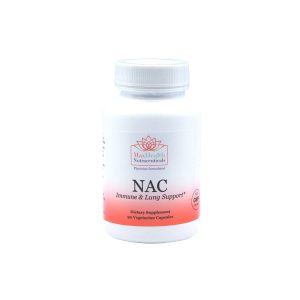
- N-Acetyl Cysteine (NAC): 600-1800mg/day. Precursor to glutathione, your master detoxification antioxidant
- Glutathione (liposomal): 250-500mg/day. Direct supplementation when NAC alone is insufficient
- Calcium-D-Glucarate: 500-1500mg/day. Supports glucuronidation and estrogen clearance
- Sulforaphane (from broccoli sprout extract): Potent Nrf2 activator that upregulates Phase II detoxification enzymes
- Chlorella and Modified Citrus Pectin: Bind heavy metals in the gut
- Milk Thistle (Silymarin): 200-400mg/day. Hepatoprotective and supports liver regeneration
- Activated Charcoal or Bentonite Clay: Short-term binders for acute mycotoxin exposure (not for daily long-term use)
Step 4: Infrared Sauna Protocol
Regular sauna use is one of the most evidence-based detoxification strategies. A 2012 review in the *Journal of Environmental and Public Health* found that sweating mobilizes and excretes heavy metals (arsenic, cadmium, lead, mercury) and organic pollutants including BPA and phthalates (8).
Recommended protocol:
- Infrared sauna 3-5 times per week, 20-40 minutes per session
- Hydrate before, during, and after
- Replace electrolytes (magnesium, potassium, sodium)
- Shower immediately after to remove excreted toxins from the skin
- Start slow (15 minutes) and gradually increase duration
When to Suspect Environmental Toxin Exposure
Consider environmental toxin testing if you have:
- Hormonal imbalances that don't respond to standard treatment
- Unexplained chronic fatigue
- Brain fog, memory problems, or cognitive decline
- Autoimmune disease (especially multiple autoimmune conditions)
- Recurrent sinus infections or respiratory issues
- Sensitivity to chemicals, fragrances, or medications
- Infertility or recurrent miscarriage with no identified cause
- Symptoms that worsen in specific buildings or environments
- Chronic inflammatory markers with no clear source
Building Your Toxin-Reduction Plan
You don't need to overhaul everything overnight. Start with the changes that have the biggest impact:
1. Filter your water — this single step reduces exposure to heavy metals, PFAS, pesticides, and pharmaceutical residues
2. Switch to glass food storage — eliminates daily plastic chemical leaching
3. Go fragrance-free — removes a major source of phthalate exposure
4. Buy organic for the Dirty Dozen — reduces pesticide intake by up to 80%
5. Get a HEPA air purifier for your bedroom — you spend 8 hours there breathing deeply
From there, pursue testing if your symptoms suggest a significant toxic burden, and work with a practitioner who understands environmental medicine to develop a personalized detoxification protocol.
Your body has remarkable detoxification capacity when given the right support. The goal isn't to live in a bubble — it's to reduce unnecessary exposure, support your innate detoxification systems, and address any accumulated burden that may be driving your symptoms.
If you're ready to investigate whether environmental toxins are contributing to your health challenges, our Discovery Offer is the best place to start. We'll review your history, identify likely exposure sources, recommend appropriate testing, and create a personalized plan to reduce your burden and restore your health.
---
References
- Gore, A.C., Chappell, V.A., Fenton, S.E., et al. (2015). EDC-2: The Endocrine Society's Second Scientific Statement on Endocrine-Disrupting Chemicals. Endocrine Reviews, 36(6), E1-E150.
- Vandenberg, L.N., Colborn, T., Hayes, T.B., et al. (2012). Hormones and endocrine-disrupting chemicals: low-dose effects and nonmonotonic dose responses. Endocrine Reviews, 33(3), 378-455.
- Rochester, J.R. (2013). Bisphenol A and human health: a review of the literature. Reproductive Toxicology, 42, 132-155.
- Swan, S.H. (2008). Environmental phthalate exposure in relation to reproductive outcomes and other health endpoints in humans. Environmental Research, 108(2), 177-184.
- Samsel, A., & Seneff, S. (2013). Glyphosate's suppression of cytochrome P450 enzymes and amino acid biosynthesis by the gut microbiome: pathways to modern diseases. Entropy, 15(4), 1416-1463.
- Hayes, T.B., Khoury, V., Narayan, A., et al. (2010). Atrazine induces complete feminization and chemical castration in male African clawed frogs. Proceedings of the National Academy of Sciences, 107(10), 4612-4617.
- Sunderland, E.M., Hu, X.C., Dassuncao, C., et al. (2019). A review of the pathways of human exposure to poly- and perfluoroalkyl substances (PFAS) and present understanding of health effects. Journal of Exposure Science & Environmental Epidemiology, 29(2), 131-147.
- Sears, M.E., Kerr, K.J., & Bray, R.I. (2012). Arsenic, cadmium, lead, and mercury in sweat: a systematic review. Journal of Environmental and Public Health, 2012, 184745.
Supplements for Functional Wellness
Clinical-grade picks for this topic

Austin Air HealthMate Plus®
$895.00

Thera360 PLUS Portable Sauna
$1,428.00

Branch Basics Premium Starter Kit
$75.00
Affiliate disclosure: The product links below are affiliate links — we may earn a commission at no extra cost to you. Recommendations are based on clinical use, not commissions. Learn more.
Frequently Asked Questions
Common questions about environmental toxins & hormone disruptors guide
Recommended Supplements
Professional-grade supplements from my MaxHealth Nutraceuticals line — the same formulas I use in clinical practice.
Austin Air HealthMate Plus®
Thera360 PLUS Portable Sauna
Branch Basics Premium Starter Kit
NAC 90s

Herbal Cleanse 60s
Alpha Lipoic Acid (Clinical Strength)

Super Greens Caps 120s

Glutathione Cream 50mg 3oz

Liver (Detox & Protect) 60s
Antioxidant Free Radical Protection Formula

Inflammation Buster Bundle
Disclosure: This post contains affiliate links. If you purchase through these links, we may earn a small commission at no extra cost to you. Learn more.
About the Author
Dr. Nicolle is a double board-certified physician in Family Medicine and Preventive Medicine, with certifications in Functional Medicine and Lifestyle Medicine. She helps busy professionals over 40 optimize their health through root-cause approaches to cardiovascular, hormonal, and metabolic health.
Learn more about Dr. Nicolle →Explore Related Topics
Dive deeper into these connected health areas
Men's Health
Men's health involves a unique interplay of hormonal balance, cardiovascular resilience, metabolic e…
Explore 🧠Mental Health
Mental health is deeply interconnected with hormonal balance, gut health, blood sugar regulation, an…
Explore 📖Skin & Hair Health
Your skin and hair are windows into your internal health. Chronic acne, eczema, psoriasis, and hair …
ExploreReady to Address Your Health Concerns?
Book a Discovery Offer consultation to discuss how our functional medicine approach can help you achieve your health goals.
Book Your Discovery Offer