Can You Reverse Heart Disease Naturally?

- Intensive lifestyle changes can measurably reverse coronary artery plaque in 82% of patients
- Advanced labs like Lp(a), apoB, and hs-CRP predict heart risk far better than total cholesterol
- Anti-inflammatory nutrition, targeted supplements, and stress management form the reversal protocol
- Functional medicine addresses root causes — not just cholesterol numbers
A patient walked into my office last year with a coronary artery calcium score of 450 and a cardiologist who'd recommended two new medications. "Is this it?" he asked. "Just more pills for the rest of my life?" It's a question I hear constantly, and the honest answer surprised him: no, it doesn't have to be.
Heart disease claims approximately 17.9 million lives each year worldwide (1). The conventional playbook (statins, ACE inhibitors, beta-blockers) saves lives. No question. But a growing body of research shows that intensive lifestyle and nutritional changes can go further than symptom management. They may actually reverse the progression of coronary artery disease. I've watched it happen in my own functional medicine practice, and the science backs it up.
The Landmark Evidence: Can Heart Disease Actually Be Reversed?
The idea that heart disease is irreversible has been challenged by several groundbreaking studies. Perhaps the most well-known is Dr. Dean Ornish's Lifestyle Heart Trial, published in *The Lancet* in 1990 and later in *JAMA* in 1998. In this randomized controlled trial, patients with moderate to severe coronary artery disease were assigned to either an intensive lifestyle intervention or a usual-care control group (2, 3).
The results were striking. After one year, 82% of patients in the intervention group showed measurable regression of coronary atherosclerosis on quantitative coronary angiography. After five years of follow-up, the experimental group continued to show regression, while the control group's arterial blockages worsened by an average of 27.7% (3). The lifestyle intervention included a plant-based diet with less than 10% of calories from fat, moderate aerobic exercise, stress management through yoga and meditation, smoking cessation, and group psychosocial support.
The PREDIMED trial showed that 4 tablespoons of extra-virgin olive oil daily reduced cardiovascular events by 30%—a result comparable to many statin trials.
More recently, the PREDIMED trial, a large randomized study published in the *New England Journal of Medicine*, demonstrated that a Mediterranean diet supplemented with extra-virgin olive oil or mixed nuts reduced the incidence of major cardiovascular events by approximately 30% compared to a control diet, even among high-risk individuals (4). This landmark study helped cement the role of dietary patterns, not just individual nutrients, in cardiovascular protection.
Understanding the Root Causes: A Functional Medicine Framework
Traditional cardiology tends to focus on managing surrogate markers: lowering LDL cholesterol, reducing blood pressure, and controlling blood sugar. These matter, but functional medicine asks a different kind of question entirely: Why did cardiovascular dysfunction develop in the first place?
Through this lens, heart disease is not a single condition but the downstream consequence of multiple interconnected dysfunctions. Identifying and addressing these root causes is what makes lasting reversal possible.
Chronic Inflammation: The Silent Driver
Inflammation is now recognized as a central mechanism in atherosclerosis. The CANTOS trial (Canakinumab Anti-inflammatory Thrombosis Outcomes Study) demonstrated that reducing inflammation, independent of cholesterol lowering, significantly reduced cardiovascular events (5). This confirms what functional medicine practitioners have long emphasized: chronic inflammation is not just a bystander but a driver of heart disease.
Sources of chronic inflammation include:
- Poor diet high in refined sugars, seed oils, and ultra-processed foods
- Gut dysfunction including intestinal permeability ("leaky gut") and dysbiosis
- Chronic infections such as periodontal disease
- Environmental toxins including heavy metals and persistent organic pollutants
- Psychological stress which elevates inflammatory cytokines
Insulin Resistance and Metabolic Dysfunction
Insulin resistance, the precursor to type 2 diabetes, is present in an estimated 88% of American adults to some degree (6). Even before blood sugar rises to diabetic levels, insulin resistance promotes arterial damage through multiple mechanisms: it increases triglycerides, reduces protective HDL cholesterol, creates small dense LDL particles (the most atherogenic type), and promotes endothelial dysfunction.
Hormonal Imbalances
Both estrogen decline in women (particularly after menopause) and low testosterone in men are associated with increased cardiovascular risk. Thyroid dysfunction, even subclinical hypothyroidism, can elevate cholesterol levels and promote arterial stiffness. Cortisol dysregulation from chronic stress directly impacts blood pressure, blood sugar, and inflammatory markers.
Nutrient Deficiencies
Several micronutrient deficiencies are linked to cardiovascular dysfunction:
- Magnesium deficiency affects blood pressure regulation, heart rhythm, and vascular tone
- Vitamin D insufficiency is associated with increased cardiovascular mortality
- Omega-3 fatty acids are critical for reducing inflammation and improving endothelial function
- CoQ10 supports mitochondrial energy production in heart muscle cells
- Vitamin K2 directs calcium into bones and away from arterial walls
The Five Pillars of Natural Heart Disease Reversal
Based on the best available evidence and clinical experience, here are the five foundational strategies for reversing cardiovascular disease naturally.
1. Anti-Inflammatory Nutrition
I tell my patients this bluntly: what you eat matters more than any supplement I can prescribe. The evidence overwhelmingly supports diets rich in whole, minimally processed plant foods, healthy fats, and lean proteins. Explore our meal plans for structured anti-inflammatory eating plans.
Key dietary principles:
- Emphasize vegetables, fruits, legumes, nuts, seeds, and whole grains. These provide fiber, polyphenols, and antioxidants that reduce oxidative stress and inflammation
- Include omega-3-rich foods. Wild-caught fatty fish (salmon, sardines, mackerel), walnuts, chia seeds, and flaxseeds provide EPA and DHA, which have demonstrated anti-inflammatory and anti-arrhythmic effects (7)
- Use extra-virgin olive oil liberally. The PREDIMED trial showed particular cardiovascular benefit from olive oil, likely due to its polyphenol content (4)
- Minimize ultra-processed foods. These promote inflammation, insulin resistance, and endothelial dysfunction
- Reduce added sugars and refined carbohydrates. Excess sugar intake is independently associated with cardiovascular mortality (8)
2. Targeted Supplementation Based on Individual Testing
Rather than following generic supplement protocols, functional medicine uses advanced testing to identify individual deficiencies and tailor supplementation accordingly.
Evidence-based cardiovascular supplements:
- Omega-3 fatty acids (EPA/DHA): A meta-analysis published in *Heart* found that marine omega-3 supplementation was associated with reduced risk of myocardial infarction and coronary heart disease events, with effects most pronounced at higher doses (7)
- Coenzyme Q10 (CoQ10): The Q-SYMBIO trial demonstrated that CoQ10 supplementation (300 mg/day) significantly reduced major adverse cardiovascular events in heart failure patients by 43% over two years (9)
- Magnesium: Meta-analyses consistently show that higher magnesium intake is associated with reduced risk of heart failure, stroke, and type 2 diabetes (10)
- Vitamin D: Maintaining adequate vitamin D levels (40-60 ng/mL) is associated with improved cardiovascular outcomes, though supplementation trials show mixed results
- Vitamin K2 (MK-7): Emerging evidence suggests K2 may reduce arterial calcification, though more research is needed
| Nutrient | Mechanism of Action | Therapeutic Range |
|---|---|---|
| Omega-3 (EPA/DHA) | Reduces triglycerides, stabilizes plaque | 2-4g daily |
| Coenzyme Q10 | Mitochondrial energy, antioxidant | 100-300mg daily |
| Magnesium | Vasodilation, arrhythmia prevention | 400-600mg daily |
| Vitamin K2 | Directs calcium to bones, not arteries | 100-200mcg daily |
| Fiber | Binds cholesterol, stabilizes glucose | 35-50g daily |
3. Movement and Exercise
Regular physical activity is one of the strongest cardiovascular protectors we have. The American Heart Association recommends at least 150 minutes of moderate-intensity aerobic activity or 75 minutes of vigorous activity per week (11).
What the evidence shows: Exercise improves endothelial function within weeks of starting a program, and resistance training in particular reduces visceral fat and improves insulin sensitivity. High-intensity interval training (HIIT) may be especially effective for improving VO2 max and cardiac output, though even modest increases in daily movement (walking 7,000-8,000 steps per day) significantly reduce cardiovascular mortality.
The key is consistency over intensity. Any movement is better than none, and the greatest risk reduction occurs when sedentary individuals become moderately active. Explore our fitness programs for structured workout plans designed for busy professionals.
4. Stress Management and Nervous System Regulation
Chronic psychological stress is an independent risk factor for cardiovascular disease. Stress activates the sympathetic nervous system, elevating cortisol, blood pressure, heart rate, and inflammatory markers. The Ornish program's inclusion of stress management was not incidental; it was central to the intervention's success (2).
Evidence-based stress reduction techniques:
- Meditation and mindfulness: A 2017 AHA scientific statement acknowledged that meditation may be considered as an adjunct to guideline-directed cardiovascular risk reduction (12)
- Yoga: Studies show yoga reduces blood pressure, heart rate variability, and inflammatory markers
- Deep breathing exercises: Vagal nerve stimulation through slow, diaphragmatic breathing activates the parasympathetic "rest and repair" system
- Nature exposure: Research shows that time in natural environments reduces cortisol and blood pressure
5. Sleep Optimization
Sleep is the bedrock of cardiovascular health, full stop. Adults who sleep fewer than six hours per night have a 20% higher risk of heart attack compared to those sleeping seven to eight hours (13). During deep sleep, blood pressure drops, the heart rate slows, and critical repair processes occur. The relationship between sleep and hormones is bidirectional: poor sleep disrupts the hormones that protect your heart.
Priorities for cardiovascular-protective sleep:
- Aim for 7-8 hours of quality sleep per night
- Screen for and treat sleep apnea, a significantly underdiagnosed contributor to hypertension, arrhythmias, and heart failure
- Maintain consistent sleep and wake times
- Optimize the sleep environment (cool, dark, quiet)
- Address circadian rhythm disruption from shift work or excessive screen exposure
Advanced Testing: Beyond the Standard Lipid Panel
One of the most important contributions of functional medicine to cardiovascular care is the use of advanced diagnostic testing. Standard lipid panels measure total cholesterol, LDL, HDL, and triglycerides, but these numbers tell only part of the story.
Tests we recommend for a complete cardiovascular picture:
- Advanced lipid particle testing (NMR LipoProfile or Ion Mobility): Measures LDL particle number and size. Small, dense LDL particles are far more atherogenic than large, buoyant ones
- hs-CRP (high-sensitivity C-reactive protein): A marker of systemic inflammation strongly correlated with cardiovascular risk
- Homocysteine: Elevated levels are associated with endothelial damage and increased clotting risk
- Lipoprotein(a) [Lp(a)]: A genetically determined risk factor present in 20% of the population that standard panels miss
- Fasting insulin and HOMA-IR: Identifies insulin resistance years before blood sugar becomes abnormal
- Coronary artery calcium (CAC) score: A CT-based imaging test that directly measures calcified plaque burden in coronary arteries
- CIMT (Carotid Intima-Media Thickness): An ultrasound measurement of arterial wall thickness that can track progression or regression over time
Real Results: What to Expect
When patients commit to a full functional medicine cardiovascular protocol, the results speak for themselves. Many patients see significant improvements within 3-6 months, including:
- Reduced hs-CRP and inflammatory markers
- Improved insulin sensitivity and fasting glucose
- Better lipid particle profiles (fewer small dense LDL particles)
- Lower blood pressure without medication increases
- Improved energy, mental clarity, and exercise tolerance
- Weight loss, particularly visceral fat reduction
Some patients are able to reduce or eliminate cardiovascular medications under proper medical supervision. This is not about being "anti-medication." It's about addressing the underlying causes so that medications may no longer be necessary.
Is This Approach Right for You?
If you're a busy professional over 40 dealing with concerning cardiovascular markers (elevated cholesterol, rising blood pressure, a family history of heart disease) and you want to explore root-cause solutions rather than simply adding more medications, our Cardiometabolic Rebalance Program may be exactly what you need.
Heart disease is not inevitable, and its progression is not a one-way street. That patient with the calcium score of 450? Eighteen months later, his inflammatory markers had normalized, he'd lost 35 pounds of visceral fat, and his cardiologist reduced one of his medications. He didn't do anything radical. He committed to the fundamentals outlined here and showed up consistently.
If you're ready to take that step, our Cardiometabolic Rebalance Program is where we start. You can also take our Wellness Quiz to see where your biggest opportunities are, or book a Discovery Offer to talk through your labs with me directly.
---
References
- World Health Organization. (2023). Cardiovascular diseases (CVDs). WHO Fact Sheet. https://www.who.int/news-room/fact-sheets/detail/cardiovascular-diseases-(cvds)
- Ornish, D., Brown, S.E., Scherwitz, L.W., et al. (1990). Can lifestyle changes reverse coronary heart disease? The Lifestyle Heart Trial. The Lancet, 336(8708), 129-133.
- Ornish, D., Scherwitz, L.W., Billings, J.H., et al. (1998). Intensive lifestyle changes for reversal of coronary heart disease. JAMA, 280(23), 2001-2007.
- Estruch, R., Ros, E., Salas-Salvadó, J., et al. (2018). Primary prevention of cardiovascular disease with a Mediterranean diet supplemented with extra-virgin olive oil or nuts. New England Journal of Medicine, 378(25), e34.
- Ridker, P.M., Everett, B.M., Thuren, T., et al. (2017). Antiinflammatory therapy with canakinumab for atherosclerotic disease. New England Journal of Medicine, 377(12), 1119-1131.
- Araújo, J., Cai, J., & Stevens, J. (2019). Prevalence of optimal metabolic health in American adults. Metabolic Syndrome and Related Disorders, 17(1), 46-52.
- Hu, Y., Hu, F.B., & Manson, J.E. (2019). Marine omega-3 supplementation and cardiovascular disease: an updated meta-analysis of 13 randomized controlled trials. Heart, 107(2), 150-158.
- Yang, Q., Zhang, Z., Gregg, E.W., et al. (2014). Added sugar intake and cardiovascular diseases mortality among US adults. JAMA Internal Medicine, 174(4), 516-524.
- Mortensen, S.A., Rosenfeldt, F., Kumar, A., et al. (2014). The effect of coenzyme Q10 on morbidity and mortality in chronic heart failure: results from Q-SYMBIO. JACC: Heart Failure, 2(6), 641-649.
- Fang, X., Wang, K., Han, D., et al. (2016). Dietary magnesium intake and the risk of cardiovascular disease, type 2 diabetes, and all-cause mortality: a dose-response meta-analysis. BMC Medicine, 14(1), 210.
- American Heart Association. (2024). Recommendations for physical activity in adults and kids. https://www.heart.org/en/healthy-living/fitness/fitness-basics/aha-recs-for-physical-activity-in-adults
- Levine, G.N., Lange, R.A., Bairey-Merz, C.N., et al. (2017). Meditation and cardiovascular risk reduction: a scientific statement from the American Heart Association. Journal of the American Heart Association, 6(10), e002218.
- Daghlas, I., Dashti, H.S., Lane, J., et al. (2019). Sleep duration and myocardial infarction. Journal of the American College of Cardiology, 74(10), 1304-1314.
Supplements for Heart Health
Clinical-grade picks for this topic
Affiliate disclosure: The product links below are affiliate links — we may earn a commission at no extra cost to you. Recommendations are based on clinical use, not commissions. Learn more.
Frequently Asked Questions
Common questions about can you reverse heart disease naturally?
Recommended Supplements
Professional-grade supplements from my MaxHealth Nutraceuticals line — the same formulas I use in clinical practice.

RESPeRATE Deluxe Duo

Inner Balance™ Coherence Plus

SMART Yoga Mat (Green)
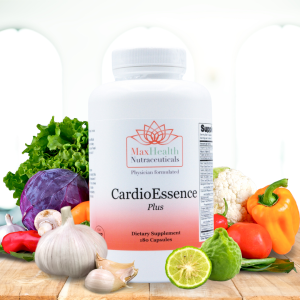
CardioEssence Plus
CoQ10
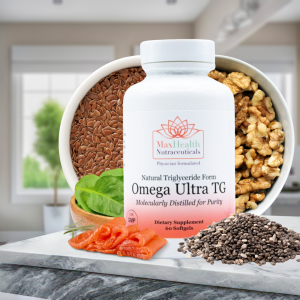
Omega Ultra TG
Berberine Herbal Complex 90s
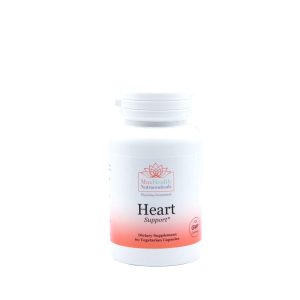
Heart Support 60s
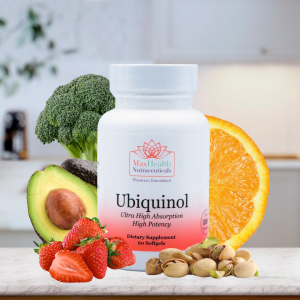
Ubiquinol 100mg 60s
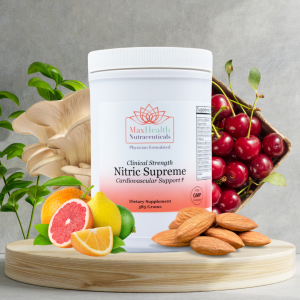
Nitric Supreme Cardiovascular Support
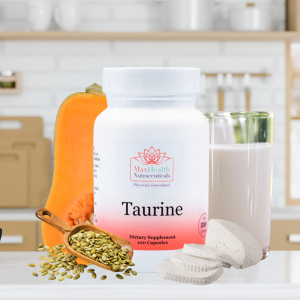
Taurine 500mg 100s
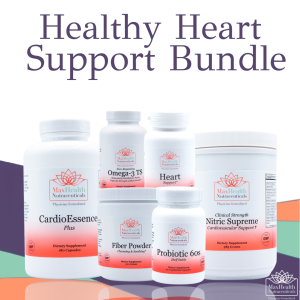
Healthy Heart Bundle
Disclosure: This post contains affiliate links. If you purchase through these links, we may earn a small commission at no extra cost to you. Learn more.
About the Author
Dr. Nicolle is a double board-certified physician in Family Medicine and Preventive Medicine, with certifications in Functional Medicine and Lifestyle Medicine. She helps busy professionals over 40 optimize their health through root-cause approaches to cardiovascular, hormonal, and metabolic health.
Learn more about Dr. Nicolle →Explore Related Topics
Dive deeper into these connected health areas
Hormone Health
Hormones are the chemical messengers that regulate virtually every process in your body — from metab…
Explore 🦠Gut Health
Your gut is far more than a digestive organ — it's home to 70% of your immune system, produces key n…
Explore 🌸Women's Health
Women's health encompasses a complex interplay of hormonal cycles, reproductive biology, and unique …
Explore 🧠Mental Health
Mental health is deeply interconnected with hormonal balance, gut health, blood sugar regulation, an…
Explore 📖Skin & Hair Health
Your skin and hair are windows into your internal health. Chronic acne, eczema, psoriasis, and hair …
ExploreReady to Address Your Health Concerns?
Book a Discovery Offer consultation to discuss how our functional medicine approach can help you achieve your health goals.
Book Your Discovery Offer