Sleep Optimization: The Health Foundation Doctors Miss

- Poor sleep increases cardiovascular disease risk by 45% and diabetes risk by 48%
- 75% of growth hormone is released during deep sleep — crucial for repair and fat loss
- One week of 5-hour nights reduces testosterone by 10-15%, equivalent to 10-15 years of aging
- CBT-I outperforms sleeping pills long-term without side effects or dependency
I'll say something that might surprise you: if I could only give a patient one intervention, one change to make before anything else, it wouldn't be a diet. It wouldn't be a supplement. It would be sleep.
You can eat perfectly, exercise daily, and take every supplement on the shelf. If your sleep is broken, you're building on sand. Research shows that insufficient sleep is associated with a 45% increased risk of cardiovascular disease, a 48% increased risk of diabetes, and measurably accelerated biological aging (1). Yet sleep remains the health pillar that both patients and doctors treat as optional. When someone comes to me with hormone imbalances, stubborn weight, or inflammation that won't quit, the first question isn't about their diet. It's: "How are you sleeping?"
The Science of Sleep: What Happens While You Rest
Sleep is not passive. It's an intensely active biological process during which your body performs critical maintenance:
During Deep Sleep (Stages 3-4)
- Growth hormone release: 75% of daily output occurs during deep sleep
- Tissue repair and muscle recovery: essential for fitness results
- Immune system activation: cytokine production peaks
- Blood sugar regulation: glucose metabolism is reset
- Glymphatic clearance: the brain's waste removal system flushes beta-amyloid (Alzheimer's protein) at 10x the daytime rate (2)
During REM Sleep
- Memory consolidation: converting short-term to long-term memory
- Emotional processing: dreams help regulate emotional responses
- Testosterone production: primarily synthesized during REM
- Creative problem-solving: neural connections reorganize
- Cortisol regulation: healthy cortisol rhythm depends on adequate REM
The Health Consequences of Poor Sleep
The research is unequivocal: poor sleep accelerates nearly every chronic disease process.
Hormonal Disruption
- Cortisol elevation: even one night of poor sleep increases next-day cortisol by 37-45% (3)
- Testosterone reduction: one week of 5-hour nights reduces testosterone by 10-15%, equivalent to 10-15 years of aging
- Thyroid suppression: sleep deprivation increases Reverse T3 production
- Leptin decrease, ghrelin increase: the hunger hormone shift causes 300-400 extra calories consumed the next day
- Growth hormone collapse: deep sleep deprivation virtually eliminates GH release
- Insulin resistance: measurable after just ONE night of poor sleep (4)
Metabolic and Weight Impact
| Sleep Duration | Metabolic Effect | Weight Impact | Disease Risk |
|---|---|---|---|
| 7-9 hours | Normal insulin sensitivity, balanced hunger hormones | Baseline | Baseline |
| 6 hours | ↑ Insulin resistance, ↑ ghrelin 15% | 23% higher obesity risk | ↑ Diabetes, ↑ CVD risk |
| 5 hours | ↑↑ Cortisol, ↓ testosterone 10-15% | 50% higher obesity risk | ↑↑ All-cause mortality |
| < 5 hours | Severe metabolic dysfunction | 73% higher obesity risk | ↑↑↑ CVD, cancer, dementia |
Cardiovascular Impact
- Elevated blood pressure: sleep restriction raises systolic BP by 5-10 mmHg (5)
- Increased systemic inflammation — hs-CRP rises significantly
- Higher risk of heart disease and stroke
- Atrial fibrillation risk increases with sleep apnea
Brain and Cognitive Function
- Reduced focus, concentration, and reaction time
- Impaired decision-making and executive function
- Mood disturbances — anxiety and depression risk doubles
- Accelerated cognitive decline and increased Alzheimer's risk; the glymphatic system requires deep sleep to clear beta-amyloid (2)
The Root Causes of Poor Sleep
Before reaching for sleep aids, investigate WHY sleep is disrupted:
Circadian Rhythm Disruption
- Excessive artificial light exposure after sunset
- Irregular sleep/wake schedules
- Shift work or frequent travel
- Late-night screen use (blue light suppresses melatonin by up to 50%)
Hormonal Factors
- Cortisol dysregulation: elevated evening cortisol prevents melatonin rise
- Perimenopause: declining progesterone (a natural sedative) and estrogen fluctuations
- Low testosterone: contributes to sleep apnea and insomnia in men
- Thyroid dysfunction: both hypo and hyper states disrupt sleep architecture
Blood Sugar Instability
- Reactive hypoglycemia at 2-3 AM triggers cortisol and adrenaline release
- This is the most common cause of "waking up at 3 AM" — our meal plans address this
Gut Dysfunction
- 95% of serotonin (melatonin's precursor) is produced in the gut
- Dysbiosis and inflammation impair neurotransmitter production
- SIBO can cause histamine elevation that disrupts sleep
Undiagnosed Sleep Disorders
- Sleep apnea: affects 26% of adults 30-70; 80% are undiagnosed (6)
- Restless leg syndrome: often linked to iron deficiency
- Upper airway resistance syndrome: missed by standard sleep studies
Evidence-Based Sleep Optimization Strategies
Light and Circadian Management (The #1 Intervention)
Morning (the most important piece):
- Get 10+ minutes of bright light within 30 minutes of waking — ideally direct sunlight
Morning sunlight is the most powerful drug-free intervention for sleep. 10 minutes of bright light within 30 minutes of waking anchors your circadian cortisol rhythm for the entire day.
- This sets your circadian clock and triggers a cortisol awakening response
- Indoor lighting is typically 100-300 lux; outdoor light is 10,000-100,000 lux
Evening:
- Dim lights 2-3 hours before bed — use warm, amber-toned lighting
- Blue-blocking glasses after sunset (evidence supports their use for melatonin preservation) (7)
- Complete darkness for sleeping — even small amounts of light during sleep impair insulin sensitivity
Temperature Optimization
- Cool bedroom: 65-68°F (18-20°C). Core temperature must drop 2-3°F to initiate sleep
- Warm bath or shower 1-2 hours before bed — the subsequent cooling effect promotes sleep onset
- Consider cooling mattress pads for hot sleepers (especially in perimenopause)
Timing and Consistency
- Maintain consistent sleep and wake times — even on weekends (within 30-60 minutes)
- Align with natural circadian rhythms. Most adults' biological night is approximately 10 PM - 6 AM
- Limit naps to 20 minutes before 2 PM
Nutrition for Sleep
Strategic timing:
- Last meal 2-3 hours before bed (digestion raises core temperature and cortisol)
- Small protein-containing snack if prone to 3 AM waking (prevents reactive hypoglycemia)
- Caffeine cutoff: noon for most people, 10 AM for slow metabolizers (CYP1A2 gene variant)
Sleep-supportive nutrients:
- Magnesium glycinate (200-400mg): activates GABA receptors, supports parasympathetic nervous system
- Glycine (3g before bed): amino acid that lowers core body temperature
- L-theanine (200mg): promotes alpha brain waves and calm alertness transitioning to sleep
- Tart cherry concentrate: natural source of melatonin and anti-inflammatory compounds
- Adequate protein throughout the day: provides tryptophan for serotonin/melatonin synthesis. Our meal plans emphasize this.
Avoid:
- Alcohol within 3 hours of bed: suppresses REM sleep by 20-30% even in moderate amounts (8)
- Caffeine: half-life is 5-6 hours; quarter-life is 10-12 hours
Addressing Sleep Disorders
If optimizing sleep hygiene doesn't resolve issues within 2-3 weeks, investigate:
- Sleep apnea screening: consider home sleep test or polysomnography. Risk factors: snoring, neck circumference > 17" (men) or > 16" (women), obesity, and daytime sleepiness
- Restless leg syndrome: check ferritin (optimal > 75 ng/mL, not just "normal")
- Cognitive Behavioral Therapy for Insomnia (CBT-I): first-line treatment for chronic insomnia, more effective than medications long-term (9)
- Circadian rhythm assessment: especially for shift workers and frequent travelers
The Sleep-Recovery-Performance Connection
For our patients pursuing fitness goals, sleep is the ultimate performance enhancer:
- Athletes sleeping < 7 hours have a 1.7x higher injury rate
- Sleep extension (10 hours) improved sprint times and free-throw accuracy in Stanford basketball players
- Growth hormone, essential for muscle repair, requires deep sleep
- Exercise improves sleep quality, but intense exercise within 2 hours of bedtime can disrupt it
Where This Leaves You
Sleep isn't a nice-to-have. It's the operating system that every other health intervention runs on. If you're doing everything "right" and still not seeing results, this is where I'd look first.
Want to figure out what's behind your sleep issues? Schedule a Discovery Offer and we'll map out the root causes, or take our Wellness Quiz to connect the dots between your symptoms.
References
- Cappuccio FP, et al. Sleep duration and all-cause mortality: a systematic review and meta-analysis. Sleep. 2010;33(5):585-592. https://doi.org/10.1093/sleep/33.5.585
- Xie L, et al. Sleep drives metabolite clearance from the adult brain. Science. 2013;342(6156):373-377. https://doi.org/10.1126/science.1241224
- Leproult R, et al. Sleep loss results in an elevation of cortisol levels the next evening. Sleep. 1997;20(10):865-870. https://doi.org/10.1093/sleep/20.10.865
- Donga E, et al. A single night of partial sleep deprivation induces insulin resistance. J Clin Endocrinol Metab. 2010;95(6):2963-2968. https://doi.org/10.1210/jc.2009-2430
- Lusardi P, et al. Effects of insufficient sleep on blood pressure. Hypertension. 1999;33(1):44-47. https://doi.org/10.1161/01.HYP.33.1.44
- Peppard PE, et al. Increased prevalence of sleep-disordered breathing in adults. Am J Epidemiol. 2013;177(9):1006-1014. https://doi.org/10.1093/aje/kws342
- Shechter A, et al. Blocking nocturnal blue light for insomnia. J Psychiatr Res. 2018;96:196-202. https://doi.org/10.1016/j.jpsychires.2017.10.015
- Ebrahim IO, et al. Alcohol and sleep I: effects on normal sleep. Alcohol Clin Exp Res. 2013;37(4):539-549. https://doi.org/10.1111/acer.12006
- Mitchell MD, et al. Comparative effectiveness of cognitive behavioral therapy for insomnia. Fam Pract. 2012;29(6):651-660. https://doi.org/10.1093/fampra/cms024
- Walker M. Why We Sleep: Unlocking the Power of Sleep and Dreams. Scribner; 2017.
Supplements for Stress & Recovery
Clinical-grade picks for this topic
Affiliate disclosure: The product links below are affiliate links — we may earn a commission at no extra cost to you. Recommendations are based on clinical use, not commissions. Learn more.
Frequently Asked Questions
Common questions about sleep optimization: the health foundation doctors miss
Recommended Supplements
Professional-grade supplements from my MaxHealth Nutraceuticals line — the same formulas I use in clinical practice.
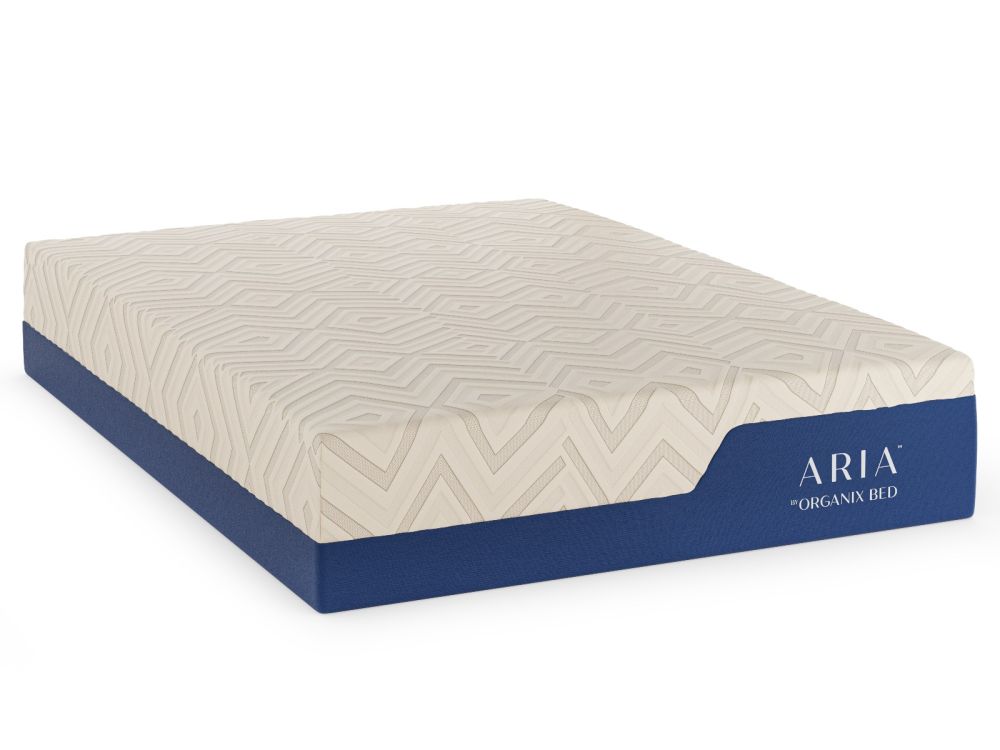
Aria™ King Organic Mattress

Anti-Blue Light LED Bulb (Red)

RESPeRATE Deluxe Duo

Inner Balance™ Coherence Plus

Thera360 PLUS Portable Sauna
Multi Mag
Melatonin 20mg 60s (Capsules)
5-HTP 90s (with P5P & Glycine)
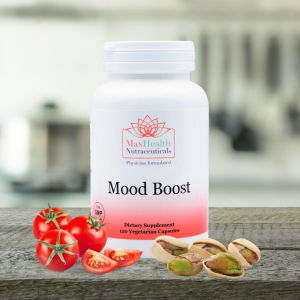
Mood Boost 120s
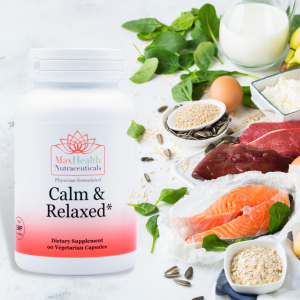
Calm & Relaxed 90s
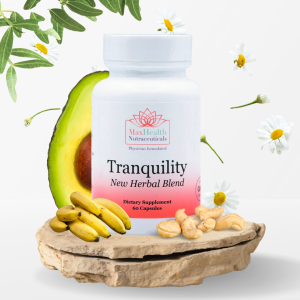
Tranquility 60s
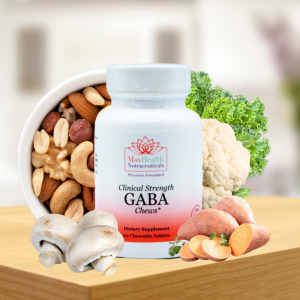
GABA Chews
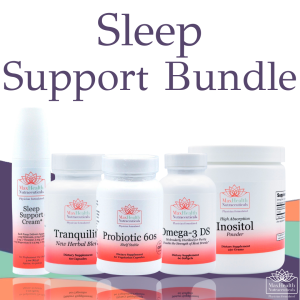
Sleep Support Bundle
Disclosure: This post contains affiliate links. If you purchase through these links, we may earn a small commission at no extra cost to you. Learn more.
About the Author
Dr. Nicolle is a double board-certified physician in Family Medicine and Preventive Medicine, with certifications in Functional Medicine and Lifestyle Medicine. She helps busy professionals over 40 optimize their health through root-cause approaches to cardiovascular, hormonal, and metabolic health.
Learn more about Dr. Nicolle →Explore Related Topics
Dive deeper into these connected health areas
Hormone Health
Hormones are the chemical messengers that regulate virtually every process in your body — from metab…
Explore 🦠Gut Health
Your gut is far more than a digestive organ — it's home to 70% of your immune system, produces key n…
Explore ❤️Metabolic Health
Metabolic health sits at the intersection of blood sugar regulation, cardiovascular function, body c…
Explore 🌸Women's Health
Women's health encompasses a complex interplay of hormonal cycles, reproductive biology, and unique …
Explore 📖Skin & Hair Health
Your skin and hair are windows into your internal health. Chronic acne, eczema, psoriasis, and hair …
ExploreReady to Address Your Health Concerns?
Book a Discovery Offer consultation to discuss how our functional medicine approach can help you achieve your health goals.
Book Your Discovery Offer