Iron Deficiency & Anemia in Women: The Most Overlooked Health Issue

- Symptoms of iron deficiency (fatigue, brain fog, hair loss, anxiety) begin at ferritin <50 — long before anemia shows up on a CBC
- Standard lab 'normal' for ferritin starts at 10–12 ng/mL, but functional optimal is 50–150 ng/mL
- Alternate-day iron dosing may improve absorption due to hepcidin cycling — take iron every 48 hours, not daily
- Iron is required for thyroid hormone production and dopamine/serotonin synthesis — deficiency mimics hypothyroidism and depression
A 38-year-old teacher came to me exhausted. Not the "I had a long day" kind of tired — the "I can't get through the afternoon without putting my head on my desk" kind. She'd been told by two different doctors that her labs were "normal." Her hemoglobin was 12.8 (technically normal). Her MCV was 84 (normal). But her ferritin? It was 8 ng/mL. She was profoundly iron-depleted, and nobody had checked the one test that would have caught it.
I'll be honest — iron deficiency in women is one of the most common yet most under-diagnosed conditions I see. The conventional threshold for ferritin ("normal" starts at 10–12 ng/mL in most lab ranges) is based on the level that prevents frank anemia, not the level needed for optimal function. In functional medicine, we know that symptoms of iron deficiency begin long before you become anemic (1).
Iron Deficiency vs. Iron Deficiency Anemia: A Critical Distinction
Most doctors screen for anemia with a CBC (complete blood count). If hemoglobin is above 12 g/dL, they call it normal and move on. But iron deficiency progresses through three stages:
1. Iron depletion: Ferritin drops (stores emptying), but hemoglobin and RBC indices are still normal. Symptoms already present.
2. Iron-deficient erythropoiesis: Iron supply to bone marrow is insufficient. Subtle lab changes begin (rising TIBC, dropping transferrin saturation).
3. Iron deficiency anemia: Hemoglobin drops below normal. This is the *end stage*, not the beginning.
Symptoms of iron deficiency — fatigue, brain fog, hair loss, anxiety, restless legs, exercise intolerance, cold hands and feet — begin at Stage 1, when ferritin drops below 30–50 ng/mL. Waiting for anemia to appear means your patient has been symptomatic for months or years.
Why Women Are Disproportionately Affected
- Menstruation: Women with regular periods lose 1–2 mg of iron daily during menstruation. Heavy periods (menorrhagia) can double or triple this.
- Pregnancy: Requires 500–800 mg of additional iron for expanded blood volume, placental development, and fetal needs.
- Postpartum: Blood loss during delivery + breastfeeding demands deplete stores rapidly.
- Dietary patterns: Women are more likely to follow plant-based or low-meat diets. Non-heme iron (plant sources) has 2–20% absorption vs. 15–35% for heme iron (animal sources).
- Gut health: H. pylori infection, celiac disease, SIBO, and low stomach acid (common with PPI use) all impair iron absorption.
The Symptoms Most Doctors Miss
Iron is involved in over 300 enzymatic reactions, not just oxygen transport. Deficiency affects:
Energy & Cognition:
- Profound fatigue disproportionate to activity level
- Brain fog and difficulty concentrating
- Poor memory and slow processing speed
- Inability to exercise at prior capacity
Mood & Nervous System:
- Anxiety (iron is required for dopamine and serotonin synthesis)
- Restless leg syndrome (one of the most specific symptoms — present in >25% of iron-deficient women)
- Irritability and mood instability
- Insomnia
Hair, Skin & Nails:
- Hair loss and thinning (ferritin <40 impairs hair follicle function)
- Brittle nails and koilonychia (spoon nails)
- Pale skin and mucous membranes
- Cold intolerance
Immune Function:
- Frequent infections
- Slow wound healing
- Recurrent mouth ulcers
- Iron is required for thyroid peroxidase (the enzyme that makes thyroid hormones). Iron deficiency causes secondary hypothyroidism that won't respond to thyroid medication alone.
The Right Lab Workup
Don't settle for just a CBC. Here's the complete iron panel:
| Test | What It Tells You | Optimal Range |
|---|---|---|
| Ferritin | Iron stores | 50–150 ng/mL (functional optimal) |
| Serum iron | Circulating iron | 60–170 mcg/dL |
| TIBC | Iron-binding capacity (rises when stores are low) | 250–370 mcg/dL |
| Transferrin saturation | % of transferrin carrying iron | 20–45% |
| Hemoglobin | Oxygen-carrying capacity | 12.5–15.5 g/dL |
| MCV | Red blood cell size | 80–98 fL |
| Reticulocyte count | Bone marrow response | 0.5–1.5% |
Ferritin is an acute-phase reactant — it rises with inflammation, infection, liver disease, and obesity, potentially masking true iron deficiency. If hs-CRP is elevated, ferritin may be falsely "normal." In inflammatory states, transferrin saturation <20% is a more reliable marker of functional iron deficiency.
Root-Cause Investigation
When iron is low, I don't just supplement — I investigate *why*:
- Heavy menstrual bleeding: Evaluate for fibroids, PCOS, endometriosis, or clotting disorders
- Poor absorption: Test for celiac disease, H. pylori, low stomach acid, SIBO
- Increased demand: Pregnancy, postpartum, intense athletic training
- Chronic blood loss: GI sources (occult bleeding from polyps, ulcers, IBD)
- Dietary insufficiency: Vegetarian/vegan diets without adequate planning
Treatment: Beyond Just Taking Iron Pills
Oral Supplementation
- Iron bisglycinate (chelated): Best tolerated form, 25–50 mg elemental iron daily. Significantly less GI side effects than ferrous sulfate.
- Take on empty stomach (or with vitamin C) for maximum absorption
- Avoid taking with calcium, coffee, tea, or dairy (all inhibit absorption)
- Every-other-day dosing: Recent research shows that alternate-day iron dosing may actually improve absorption due to hepcidin cycling (2). The body absorbs a higher percentage of iron when given every 48 hours vs. daily.
- Duration: Most women need 3–6 months of supplementation to replenish stores
Dietary Optimization
Heme iron sources (best absorbed):
- Red meat, liver, organ meats
- Dark poultry meat
- Oysters, clams, mussels
Enhancers (pair with iron-rich foods):
- Vitamin C (bell peppers, citrus, strawberries)
- Cooking in cast iron (can increase iron content of acidic foods by 2–3x)
Inhibitors (separate from iron meals by 2+ hours):
- Coffee and tea (tannins)
- Calcium supplements
- Phytates (whole grains, legumes — cooking/soaking reduces these)
When IV Iron Is Needed
Oral iron is insufficient when:
- Ferritin is <15 with symptomatic anemia
- There's documented malabsorption (celiac, IBD, post-bariatric surgery)
- Oral supplementation fails after 3 months of proper dosing
- There's an immediate need (late pregnancy, pre-surgical)
IV iron infusion (ferric carboxymaltose or iron sucrose) can replenish stores in 1–2 sessions, bypassing absorption issues entirely.
If you're a menstruating woman with fatigue, brain fog, hair loss, anxiety, or restless legs — and your doctor says your labs are "normal" — ask specifically for a ferritin level. If it's below 50, you have your answer. Iron deficiency is treatable, but only if it's diagnosed.
References
- Lopez A, et al. Iron deficiency anaemia. Lancet. 2016;387(10021):907-916. https://doi.org/10.1016/S0140-6736(15)60865-0
- Stoffel NU, et al. Iron absorption from oral iron supplements given on consecutive vs alternate days and as single morning doses vs twice-daily split doses. Blood. 2017;130(7):898-907. https://doi.org/10.1182/blood-2017-05-787259
Supplements for Women's Hormone Balance
Clinical-grade picks for this topic

Thera360 PLUS Portable Sauna
$1,428.00

Austin Air HealthMate Plus®
$895.00

Inner Balance™ Coherence Plus
$249.00
Affiliate disclosure: The product links below are affiliate links — we may earn a commission at no extra cost to you. Recommendations are based on clinical use, not commissions. Learn more.
Frequently Asked Questions
Common questions about iron deficiency & anemia in women: the most overlooked health issue
Recommended Supplements
Professional-grade supplements from my MaxHealth Nutraceuticals line — the same formulas I use in clinical practice.
Thera360 PLUS Portable Sauna
Austin Air HealthMate Plus®
Inner Balance™ Coherence Plus

SMART Yoga Mat (Green)
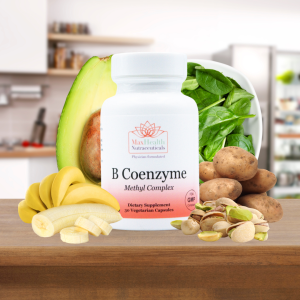
B Coenzyme Methyl Complex
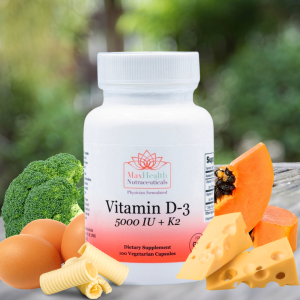
Vitamin D3 5000 IU + K2 CAPSULES 100s
Multi Mag
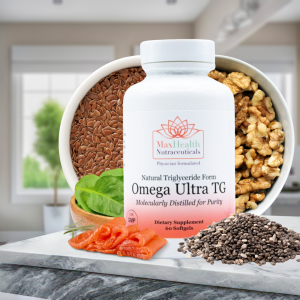
Omega Ultra TG
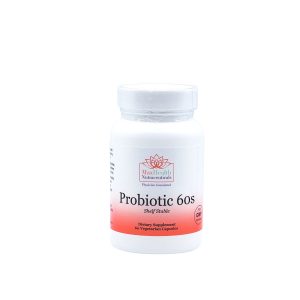
Probiotic 40 Billion CFU – 60s (shelf stable)
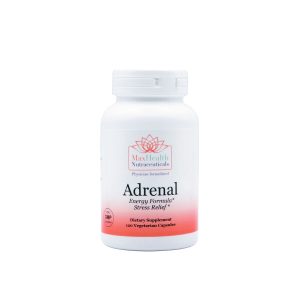
Adrenal (Energy & Stress) 120 Capsules
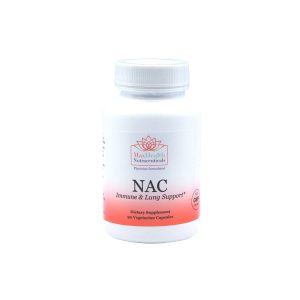
NAC 90s
Disclosure: This post contains affiliate links. If you purchase through these links, we may earn a small commission at no extra cost to you. Learn more.
About the Author
Dr. Nicolle is a double board-certified physician in Family Medicine and Preventive Medicine, with certifications in Functional Medicine and Lifestyle Medicine. She helps busy professionals over 40 optimize their health through root-cause approaches to cardiovascular, hormonal, and metabolic health.
Learn more about Dr. Nicolle →Explore Related Topics
Dive deeper into these connected health areas
Metabolic Health
Metabolic health sits at the intersection of blood sugar regulation, cardiovascular function, body c…
Explore 💪Men's Health
Men's health involves a unique interplay of hormonal balance, cardiovascular resilience, metabolic e…
Explore 🧠Mental Health
Mental health is deeply interconnected with hormonal balance, gut health, blood sugar regulation, an…
Explore 📖Skin & Hair Health
Your skin and hair are windows into your internal health. Chronic acne, eczema, psoriasis, and hair …
ExploreReady to Address Your Health Concerns?
Book a Discovery Offer consultation to discuss how our functional medicine approach can help you achieve your health goals.
Book Your Discovery Offer