Hair Loss Root Causes: Why You're Losing Hair and What to Do About It

- Iron deficiency (ferritin < 50) is the most common correctable cause of hair loss in women
- Thyroid dysfunction, PCOS, and postpartum hormonal shifts are the top hormonal drivers
- Hair loss today reflects what happened to your body 3-4 months ago — the trigger is in the past
- Most dermatologists treat the hair; functional medicine treats the why
She pulled her hair back and showed me the widening part line, the handful of strands left in the shower drain each morning, the ponytail that had shrunk to half its former thickness over the past year. "My dermatologist said it's just female pattern hair loss and gave me minoxidil," she told me. "But I feel like something else is going on."
She was right. Hair loss is rarely a standalone problem. It's almost always a signal from the body that something deeper is off balance: a hormonal shift, a nutritional deficit, an immune process, chronic stress, or some combination. Treating the hair without investigating the root cause is like painting over rust on a car. The surface might look better temporarily, but the underlying problem continues.
Why Hair Loss Is a Whole-Body Problem
Hair follicles are among the most metabolically active structures in the body. They divide rapidly, require a constant supply of nutrients and oxygen, and are exquisitely sensitive to hormonal signals. This makes hair a barometer of internal health. When resources are scarce or stress signals are elevated, the body triages, directing energy toward vital organs and away from hair growth.
Understanding the hair growth cycle is essential for making sense of hair loss patterns. Each follicle cycles through three phases: anagen (active growth, lasting 2-7 years), catagen (transition, 2-3 weeks), and telogen (resting/shedding, 2-4 months). At any given time, about 85-90% of hairs are in anagen and 10-15% are in telogen. Hair loss occurs when this ratio shifts, either because too many follicles are pushed into telogen prematurely or because anagen phase duration shortens.
Hair loss today reflects what happened to your body 3-4 months ago. The trigger — a hormonal shift, nutrient depletion, or stress event — has already passed. This lag is why identifying and correcting root causes matters more than topical treatments.
The Major Root Causes of Hair Loss
Thyroid Dysfunction
Thyroid disorders are one of the most common and frequently missed causes of hair loss. Both hypothyroidism and hyperthyroidism can cause diffuse hair thinning, and the hair loss pattern is typically generalized rather than patchy.
What makes thyroid-related hair loss tricky is timing. Hair changes often lag thyroid dysfunction by 2-4 months because of the hair growth cycle. So by the time you notice thinning, the thyroid problem may have been developing for months. Even more frustrating, standard TSH testing alone can miss subclinical thyroid dysfunction. A complete thyroid panel (TSH, free T3, free T4, reverse T3, and thyroid antibodies) is essential.
Hashimoto's thyroiditis, the autoimmune form of hypothyroidism, deserves special attention because it causes thyroid hormone fluctuations that can trigger repeated cycles of hair shedding even when TSH appears "normal" on standard testing. The antibody-driven inflammation can also directly affect hair follicles.
Hormonal Imbalances
Hormonal shifts are the second most common driver of hair loss, and the specific patterns differ between men and women.
In women: Androgenetic alopecia (female pattern hair loss) involves gradual thinning along the part line and crown, driven by DHT (dihydrotestosterone) sensitivity at the follicle level. PCOS is a frequent underlying cause, as elevated androgens directly miniaturize hair follicles. Estrogen dominance can indirectly worsen hair loss by increasing SHBG fluctuations and altering the estrogen-to-androgen ratio. Perimenopause and menopause trigger hair changes as declining estrogen and progesterone leave androgens relatively unopposed.
In men: Male pattern hair loss is primarily driven by genetic sensitivity to DHT, but it's accelerated by insulin resistance, which increases androgen production, and by elevated cortisol, which disrupts the hormonal cascade. Men with low testosterone may paradoxically experience hair loss because the remaining testosterone is more aggressively converted to DHT.
Postpartum hair loss is one of the most dramatic forms of hormonally-driven shedding. During pregnancy, elevated estrogen keeps hairs in the anagen phase longer than usual. After delivery, the estrogen crash pushes a large percentage of follicles into telogen simultaneously, causing noticeable shedding 2-4 months postpartum. Women with postpartum thyroiditis experience compounded hair loss.
Nutrient Deficiencies
Hair follicles require a steady supply of specific nutrients, and deficiencies are among the most correctable causes of hair loss. Comprehensive micronutrient testing is a critical part of any hair loss workup.
Iron deficiency is the most common nutritional cause of hair loss, and it doesn't require full-blown anemia. Ferritin levels below 30 ng/mL (and ideally below 70 ng/mL) are associated with increased hair shedding, even when hemoglobin is normal. Women of reproductive age are at highest risk due to menstrual losses.
Vitamin D deficiency affects hair follicle cycling. Vitamin D receptors are present in hair follicles, and low levels are associated with telogen effluvium and alopecia areata.
Zinc deficiency impairs cell division and protein synthesis, both critical for hair growth. Zinc also modulates 5-alpha reductase, the enzyme that converts testosterone to DHT.
Biotin (B7) deficiency is less common than supplement marketing suggests, but true deficiency does cause hair thinning and brittle nails. It's most often seen in individuals taking certain medications (anticonvulsants, antibiotics) or those with gut absorption issues.
Protein inadequacy is underappreciated. Hair is almost entirely composed of keratin, a protein. Inadequate dietary protein, crash dieting, or malabsorption can directly reduce hair production capacity.
Stress and the HPA Axis
Chronic stress is a powerful trigger for hair loss through multiple mechanisms. Elevated cortisol prematurely shifts hair follicles from anagen to catagen/telogen. Stress hormones also constrict blood vessels supplying hair follicles, reducing nutrient delivery. HPA axis dysfunction disrupts the hormonal cascade that supports hair growth.
Telogen effluvium, the diffuse shedding that occurs 2-4 months after a stressful event (illness, surgery, emotional trauma, extreme dieting), is directly mediated by stress hormones. While acute telogen effluvium typically resolves on its own, chronic stress can create a pattern of ongoing, low-grade shedding that persists until the underlying stressor is addressed.
Gut Health and Autoimmunity
The gut-hair connection is more direct than most people realize. Gut inflammation and intestinal permeability impair nutrient absorption, directly reducing the supply of iron, zinc, biotin, and amino acids that hair follicles need. SIBO is particularly associated with hair loss due to its impact on nutrient absorption and systemic inflammation.
Alopecia areata, the autoimmune form of hair loss that causes patchy bald spots, has strong connections to gut health. The same immune dysregulation that drives gut-based autoimmunity can target hair follicles. Patients with alopecia areata have higher rates of celiac disease, Hashimoto's thyroiditis, and other autoimmune conditions.
Insulin Resistance
Insulin resistance promotes hair loss through several pathways. Elevated insulin increases ovarian and adrenal androgen production in women, driving DHT-mediated follicular miniaturization. Insulin resistance also increases systemic inflammation, impairs microcirculation to the scalp, and can worsen PCOS-related hair thinning. Addressing blood sugar regulation is often an overlooked piece of the hair loss puzzle.
| Root Cause | Pattern | Key Labs to Check | First-Line Intervention |
|---|---|---|---|
| Thyroid Dysfunction | Diffuse thinning (all over) | TSH, Free T3/T4, TPO Ab | Optimize thyroid; check antibodies |
| Iron Deficiency | Diffuse shedding (telogen effluvium) | Ferritin (target > 70 ng/mL) | Iron bisglycinate + vitamin C |
| Hormonal / PCOS | Crown thinning, widening part | Testosterone, DHT, DHEA-S, SHBG | Reduce insulin resistance; lower androgens |
| Chronic Stress | Diffuse shedding 2-4 months after stressor | Cortisol (4-point salivary/DUTCH) | Stress management; adaptogenic herbs |
| Autoimmune (Alopecia Areata) | Patchy bald spots | ANA, thyroid Ab, celiac panel | Gut restoration; AIP diet trial |
| Nutrient Deficiencies | Diffuse thinning + brittle texture | Vitamin D, zinc, B12, biotin | Targeted supplementation based on labs |
The Functional Medicine Hair Loss Workup
A thorough evaluation should include comprehensive labs before any treatment begins.
Hormonal panel: Total and free testosterone, DHT, DHEA-S, estradiol, progesterone, SHBG, prolactin. For women, timing labs to the luteal phase provides the most useful progesterone data.
Thyroid panel: TSH, free T3, free T4, reverse T3, TPO antibodies, thyroglobulin antibodies. Don't accept "your thyroid is fine" based on TSH alone.
Nutrient panel: Ferritin (not just CBC), serum iron with TIBC, vitamin D (25-OH), zinc, RBC magnesium, B12, folate, comprehensive metabolic panel.
Metabolic markers: Fasting insulin, HbA1c, fasting glucose, lipid panel. These identify insulin resistance that may be driving androgen excess.
Inflammatory markers: hs-CRP, ESR, ANA (if autoimmune alopecia is suspected).
Gut assessment: Consider functional stool testing if there are concurrent GI symptoms, nutrient deficiencies despite adequate intake, or known autoimmune conditions.
Evidence-Based Treatment Strategies
Address the Root Cause First
This cannot be overstated. Topical treatments and supplements for hair growth will underperform if the underlying driver (thyroid dysfunction, iron deficiency, hormonal imbalance, chronic stress) is not corrected. Fix the foundation first.
Nutritional Optimization
Ensure adequate protein intake (0.8-1.2 g/kg body weight minimum), replete any identified deficiencies (iron, vitamin D, zinc, B vitamins), and adopt an anti-inflammatory eating pattern rich in omega-3s, colorful vegetables, and quality proteins. Our meal plans provide structured nutritional frameworks that support hair health.
Hormonal Balancing
For PCOS-related hair loss, reducing insulin resistance is often the most effective strategy for lowering androgens naturally. For menopausal hair thinning, bioidentical hormone therapy may help restore the estrogen-to-androgen balance. Seed cycling can provide gentle phytoestrogenic support.
Stress Management
Implement structured stress reduction practices including meditation, breathwork, adequate sleep, and regular exercise. These directly lower cortisol and support HPA axis recovery.
Targeted Supplements
Based on individual testing results: iron bisglycinate (for low ferritin), vitamin D3 with K2, zinc picolinate, omega-3 fatty acids, saw palmetto (a natural 5-alpha reductase inhibitor), and adaptogenic herbs for adrenal support.
Scalp Health
Scalp inflammation impairs follicle function. Anti-inflammatory scalp treatments, gentle cleansing, and avoiding harsh chemicals support the local environment for hair growth.
Your Next Step
Hair loss is frustrating, but it's usually solvable when you stop treating the symptom and start investigating the cause. The body is trying to tell you something, and listening is the first step toward regrowth.
If you're experiencing unexplained hair loss and want a thorough, root-cause investigation, our Hair Restoration Protocol is designed to identify and address the specific drivers of your hair loss. You can also take our Wellness Quiz to pinpoint your most pressing health priorities, or book a Discovery Offer to discuss your concerns directly.
---
References
- Almohanna, H.M., Ahmed, A.A., Tsatalis, J.P., & Tosti, A. (2019). The role of vitamins and minerals in hair loss: A review. Dermatology and Therapy, 9(1), 51-70.
- Grover, C., & Khurana, A. (2013). Telogen effluvium. Indian Journal of Dermatology, Venereology and Leprology, 79(5), 591-603.
- Finner, A.M. (2013). Nutrition and hair: Deficiencies and supplements. Dermatologic Clinics, 31(1), 167-172.
- Vincent, M., & Yogiraj, K. (2018). A descriptive study of alopecia patterns and their relation to thyroid dysfunction. International Journal of Trichology, 10(1), 19-24.
- Rushton, D.H. (2002). Nutritional factors and hair loss. Clinical and Experimental Dermatology, 27(5), 396-404.
- Qi, J., & Garza, L.A. (2014). An overview of alopecias. Cold Spring Harbor Perspectives in Medicine, 4(3), a013615.
- Guo, E.L., & Katta, R. (2017). Diet and hair loss: Effects of nutrient deficiency and supplement use. Dermatology Practical & Conceptual, 7(1), 1-10.
- Trüeb, R.M. (2010). Systematic approach to hair loss in women. Journal der Deutschen Dermatologischen Gesellschaft, 8(4), 284-298.
Recommended Supplements
Clinical-grade picks for this topic
Affiliate disclosure: The product links below are affiliate links — we may earn a commission at no extra cost to you. Recommendations are based on clinical use, not commissions. Learn more.
Frequently Asked Questions
Common questions about hair loss root causes: why you're losing hair and what to do about it
Recommended Supplements
Professional-grade supplements from my MaxHealth Nutraceuticals line — the same formulas I use in clinical practice.

Theradome PRO LH80 Laser Helmet

Red Light Face Mask

Austin Air HealthMate Plus®
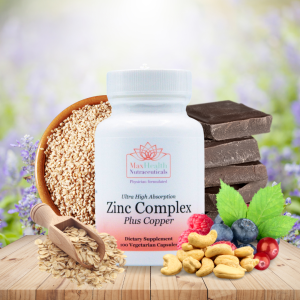
Zinc Complex Plus Copper
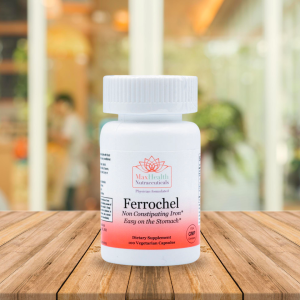
Ferrochel Plus (25mg) 100s
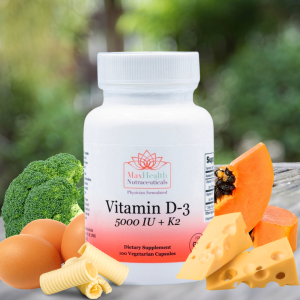
Vitamin D3 5000 IU + K2 CAPSULES 100s
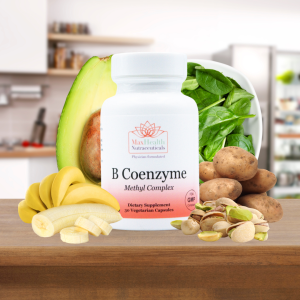
B Coenzyme Methyl Complex
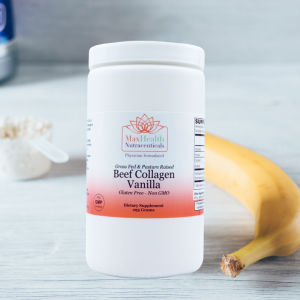
Beef Collagen Vanilla
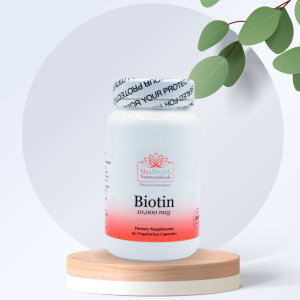
Biotin 10,000 90s
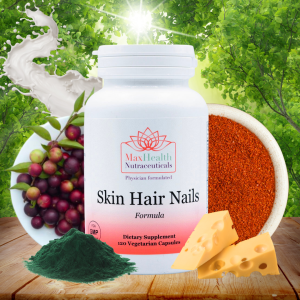
Skin Hair Nails Formula 120s
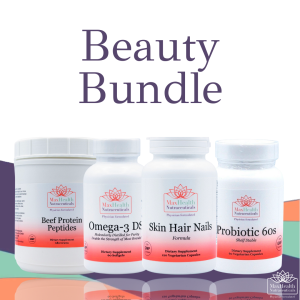
Beauty Bundle
Disclosure: This post contains affiliate links. If you purchase through these links, we may earn a small commission at no extra cost to you. Learn more.
About the Author
Dr. Nicolle is a double board-certified physician in Family Medicine and Preventive Medicine, with certifications in Functional Medicine and Lifestyle Medicine. She helps busy professionals over 40 optimize their health through root-cause approaches to cardiovascular, hormonal, and metabolic health.
Learn more about Dr. Nicolle →Explore Related Topics
Dive deeper into these connected health areas
Hormone Health
Hormones are the chemical messengers that regulate virtually every process in your body — from metab…
Explore 🦠Gut Health
Your gut is far more than a digestive organ — it's home to 70% of your immune system, produces key n…
Explore ❤️Metabolic Health
Metabolic health sits at the intersection of blood sugar regulation, cardiovascular function, body c…
Explore 💪Men's Health
Men's health involves a unique interplay of hormonal balance, cardiovascular resilience, metabolic e…
Explore 🧠Mental Health
Mental health is deeply interconnected with hormonal balance, gut health, blood sugar regulation, an…
ExploreReady to Address Your Health Concerns?
Book a Discovery Offer consultation to discuss how our functional medicine approach can help you achieve your health goals.
Book Your Discovery Offer