The Gut-Skin Axis: How Your Digestive Health Shapes Your Skin

- Your skin reflects your gut — 70% of the immune system lives in the GI tract, and gut dysfunction drives systemic inflammation that shows up as acne, rosacea, eczema, and psoriasis
- SIBO is 10-13x more common in patients with acne and rosacea compared to those with clear skin
- The 5R protocol (Remove, Replace, Reinoculate, Repair, Rebalance) systematically heals the gut-skin axis
- Key skin nutrients — zinc, omega-3s, vitamin A, collagen — must come from the inside, not just topical application
- Treating the gut often resolves skin conditions that years of topical treatments and antibiotics couldn't fix
I can't tell you how many patients have walked into my office with a bag full of expensive skincare products and a medicine cabinet of topical prescriptions — and skin that still won't clear. They've tried retinoids, antibiotics, benzoyl peroxide, and steroid creams. Some have done rounds of Accutane. And they're still dealing with breakouts, redness, or flares.
Here's what I tell them: your skin is not the problem. Your skin is the messenger. And the message it's sending — louder than any dermatologist's cream can quiet — is that something inside needs attention. More often than not, that something is your gut.
What Is the Gut-Skin Axis?
The gut-skin axis is the bidirectional communication pathway between your gastrointestinal system and your skin. This isn't a fringe theory — it was first proposed by dermatologists Stokes and Pillsbury in 1930, and modern research has confirmed and expanded their hypothesis dramatically (1).
Your gut and skin are connected through three primary mechanisms:
1. The Immune System
Approximately 70% of your immune system resides in your gut-associated lymphoid tissue (GALT). When gut dysfunction creates immune dysregulation — whether through leaky gut, dysbiosis, or chronic inflammation — those immune signals don't stay local. They circulate systemically and trigger inflammatory responses in distant organs, including your skin (2).
2. The Microbiome
Your gut microbiome produces short-chain fatty acids (SCFAs), neurotransmitters, and metabolites that directly influence skin barrier function, sebum production, and inflammatory tone. Dysbiosis (microbial imbalance) shifts this signaling toward pro-inflammatory pathways that manifest as acne, eczema, rosacea, and psoriasis.
3. Metabolic Signaling
The gut regulates insulin, IGF-1, and mTOR signaling — all of which directly drive sebaceous gland activity and keratinocyte proliferation. This is why dietary patterns that disrupt metabolic health (high sugar, high dairy, ultra-processed foods) reliably worsen skin conditions.
Studies show that patients with acne are 2-3x more likely to have concurrent gut issues (SIBO, IBS, dysbiosis) than people with clear skin. Treating the gut often resolves the skin — even when topical treatments failed.
Skin Conditions Linked to Gut Dysfunction
Acne
The connection between the gut and acne is one of the strongest in dermatological research. A 2018 study found that SIBO was 10x more prevalent in acne patients than controls (3). The mechanism involves:
- Increased intestinal permeability allowing bacterial endotoxins (LPS) into the bloodstream
- Systemic inflammation activating sebaceous glands
- Insulin and IGF-1 elevation from gut-mediated metabolic disruption
- Impaired bile acid metabolism affecting hormone clearance (particularly estrogen)
Rosacea
Rosacea has one of the strongest gut associations of any skin condition. Studies show that rosacea patients are 13x more likely to have SIBO than the general population (4). Eradication of SIBO with targeted antimicrobials resolves or significantly improves rosacea in the majority of cases — a result that no topical treatment can match.
Eczema (Atopic Dermatitis)
Eczema is fundamentally an immune-mediated condition, and gut health determines immune programming. Infants who develop eczema consistently show altered gut microbiome composition — specifically reduced *Bifidobacterium* and *Lactobacillus* diversity — before skin symptoms appear (5). This has led to the concept of the "atopic march": gut dysbiosis → impaired immune tolerance → eczema → asthma → allergies.
Psoriasis
Psoriasis patients show significantly altered gut microbiome profiles compared to healthy controls, with reduced microbial diversity and increased markers of intestinal permeability. Interestingly, psoriasis shares genetic susceptibility loci with inflammatory bowel disease, reinforcing the gut-skin immune connection (6).
| Skin Condition | Key Gut Mechanism | Primary Intervention |
|---|---|---|
| Acne | SIBO, insulin/IGF-1, leaky gut | Gut repair + anti-inflammatory diet |
| Rosacea | SIBO (13x prevalence), H. pylori | SIBO eradication protocol |
| Eczema | Microbiome dysbiosis, immune dysregulation | Probiotics + elimination diet |
| Psoriasis | Intestinal permeability, reduced diversity | Gut healing + anti-inflammatory protocol |
The 5R Protocol for Gut-Mediated Skin Healing
In functional medicine, we use the 5R framework to systematically restore gut health — and by extension, skin health:
1. Remove
Eliminate triggers that damage the gut lining and promote dysbiosis:
- Food sensitivities (commonly gluten, dairy, eggs, soy — identified through elimination diet or IgG testing)
- Refined sugar and ultra-processed foods — directly fuel pathogenic bacteria and yeast
- Alcohol — damages intestinal tight junctions and promotes permeability
- Environmental toxins — pesticides, BPA, and heavy metals disrupt the microbiome
- Unnecessary medications — NSAIDs, PPIs, and antibiotics damage gut ecology
2. Replace
Restore digestive capacity:
- Digestive enzymes with meals if bloating, gas, or undigested food is present
- Betaine HCl if hypochlorhydria (low stomach acid) is identified
- Bile acid support for fat malabsorption (particularly relevant for fat-soluble vitamin absorption that impacts skin)
3. Reinoculate
Repopulate beneficial bacteria:
- Targeted probiotics — *Lactobacillus rhamnosus GG* has the most evidence for eczema; *Saccharomyces boulardii* for post-antibiotic dysbiosis
- Prebiotic-rich foods — garlic, onions, asparagus, Jerusalem artichoke, green bananas
- Fermented foods — kimchi, sauerkraut, kefir, miso (if tolerated)
4. Repair
Heal the intestinal lining:
- L-Glutamine (5-10g daily) — the primary fuel source for enterocytes
- Zinc carnosine — clinically shown to repair intestinal permeability
- Collagen peptides — provide the amino acids glycine and proline for mucosal repair
- Omega-3 fatty acids — reduce inflammatory signaling and support barrier integrity
5. Rebalance
Address the lifestyle factors that maintain gut and skin health:
- Sleep optimization — gut repair primarily occurs during deep sleep
- Stress management — stress directly increases intestinal permeability within hours
- Regular movement — exercise improves microbiome diversity
- Consistent meal timing — supports circadian gut function
The most effective "skincare routine" starts in the kitchen and the gut, not in the bathroom. Clear skin is an inside-out process: heal the gut, reduce systemic inflammation, and the skin follows.
Key Nutrients for Skin Health (From the Inside Out)
- Zinc — essential for wound healing, immune function, and sebum regulation. Zinc deficiency is strongly correlated with acne severity
- Omega-3 fatty acids — reduce inflammatory prostaglandins that drive redness and swelling
- Vitamin A — regulates keratinocyte differentiation and sebaceous gland function
- Vitamin D — modulates immune responses and has antimicrobial peptide effects in skin
- Collagen — provides structural amino acids for dermal integrity
- Probiotics — specific strains reduce inflammatory skin markers
Testing: Where to Start
If you're dealing with persistent skin issues, I recommend the following baseline workup:
- Comprehensive stool analysis (GI-MAP or similar) — evaluates microbiome composition, pathogens, digestive markers, and inflammatory indicators
- SIBO breath test — especially for rosacea, acne, or bloating
- Food sensitivity panel (IgG + IgA)
- Fasting insulin and HbA1c — metabolic drivers of acne
- Hormone panel — estrogen, testosterone, DHEA-S, cortisol
- Vitamin D, zinc, omega-3 index
Ready to Clear Your Skin From the Inside Out?
If topical treatments have failed you, it's time to look deeper. Our Skin Health Program takes a root-cause approach to chronic skin conditions by addressing the gut-skin axis, hormonal drivers, and nutritional deficiencies that keep your skin inflamed.
Start with our Wellness Quiz to identify your biggest health opportunities, or book a Discovery Offer for a personalized assessment.
---
References
- Bowe, W.P., & Logan, A.C. (2011). Acne vulgaris, probiotics, and the gut-brain-skin axis: Back to the future? Gut Pathogens, 3(1), 1.
- Salem, I., et al. (2018). The gut microbiome as a major regulator of the gut-skin axis. Frontiers in Microbiology, 9, 1459.
- Parodi, A., et al. (2008). Small intestinal bacterial overgrowth in rosacea: Clinical effectiveness of its eradication. Clinical Gastroenterology and Hepatology, 6(7), 759-764.
- Drago, F., et al. (2018). The role of small intestinal bacterial overgrowth in rosacea: A 3-year follow-up. Journal of the American Academy of Dermatology, 78(5), e125-e126.
- Abrahamsson, T.R., et al. (2012). Low diversity of the gut microbiota in infants with atopic eczema. Journal of Allergy and Clinical Immunology, 129(2), 434-440.
- Scher, J.U., et al. (2015). Decreased bacterial diversity characterizes the altered gut microbiota in patients with psoriatic arthritis. Arthritis & Rheumatology, 67(1), 128-139.
Recommended Supplements
Clinical-grade picks for this topic
Affiliate disclosure: The product links below are affiliate links — we may earn a commission at no extra cost to you. Recommendations are based on clinical use, not commissions. Learn more.
Frequently Asked Questions
Common questions about the gut-skin axis: how your digestive health shapes your skin
Recommended Supplements
Professional-grade supplements from my MaxHealth Nutraceuticals line — the same formulas I use in clinical practice.

Red Light Face Mask

Branch Basics Premium Starter Kit
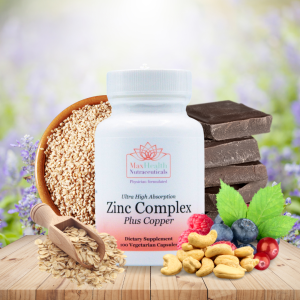
Zinc Complex Plus Copper
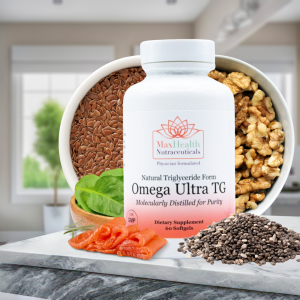
Omega Ultra TG
Probiotic 40 Billion CFU – 60s (shelf stable)
GI Soothe (Powder) 168 Grams
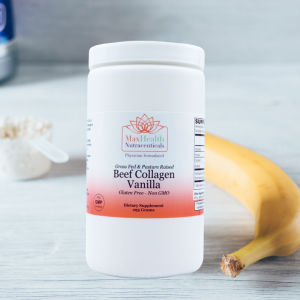
Beef Collagen Vanilla
NAC 90s
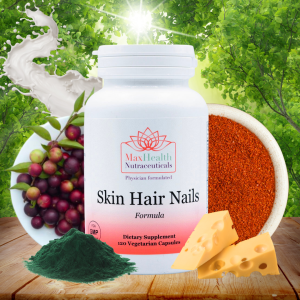
Skin Hair Nails Formula 120s
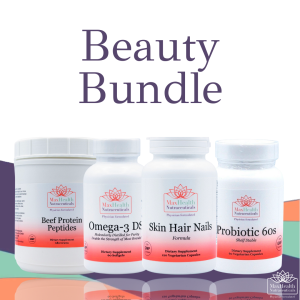
Beauty Bundle
Disclosure: This post contains affiliate links. If you purchase through these links, we may earn a small commission at no extra cost to you. Learn more.
About the Author
Dr. Nicolle is a double board-certified physician in Family Medicine and Preventive Medicine, with certifications in Functional Medicine and Lifestyle Medicine. She helps busy professionals over 40 optimize their health through root-cause approaches to cardiovascular, hormonal, and metabolic health.
Learn more about Dr. Nicolle →Explore Related Topics
Dive deeper into these connected health areas
Hormone Health
Hormones are the chemical messengers that regulate virtually every process in your body — from metab…
Explore ❤️Metabolic Health
Metabolic health sits at the intersection of blood sugar regulation, cardiovascular function, body c…
Explore 💪Men's Health
Men's health involves a unique interplay of hormonal balance, cardiovascular resilience, metabolic e…
Explore 🧠Mental Health
Mental health is deeply interconnected with hormonal balance, gut health, blood sugar regulation, an…
ExploreReady to Address Your Health Concerns?
Book a Discovery Offer consultation to discuss how our functional medicine approach can help you achieve your health goals.
Book Your Discovery Offer