Hormonal Acne: The Root Causes Your Dermatologist Isn't Testing For

- Adult acne is almost always hormonally driven — androgens, insulin, and estrogen imbalances are key
- The gut-skin axis means digestive dysfunction directly manifests as breakouts
- Accutane and antibiotics treat symptoms but leave root causes untouched
- Spearmint tea, zinc, and DIM can reduce androgens without pharmaceutical side effects
Lisa was 34 and done. She'd been on and off antibiotics for acne since her twenties. She'd tried three different birth control pills, spironolactone, and two rounds of Accutane. Each intervention worked for a while, then the acne crept back. Her current dermatologist was suggesting a third round of Accutane.
When she came to see me, she didn't need another prescription. She needed someone to ask why her skin kept breaking out. Because acne, particularly the deep, cystic variety that clusters along the jawline, chin, and lower cheeks in adult women, is almost never just a skin problem. It's a hormone problem. And hormones don't exist in isolation; they're influenced by insulin, gut health, stress, inflammation, and nutrient status.
Why Adult Hormonal Acne Is Different
Teenage acne is driven primarily by the surge in androgens during puberty, which increases sebum production across the face. Adult hormonal acne has a different pattern and different drivers.
| Feature | Teenage Acne | Adult Hormonal Acne |
|---|---|---|
| Location | T-zone (forehead, nose, chin) | U-zone (jawline, chin, neck) |
| Primary Driver | Pubertal androgen surge | Chronic hormonal imbalance/inflammation |
| Lesion Type | Mixed (blackheads, whiteheads, pustules) | Deep, cystic, tender nodules |
| Timing | Continuous | Cyclical (often pre-menstrual) |
| Response to Topicals | Often responsive | Frequently resistant |
Location. Hormonal acne concentrates in the "beard distribution" area: jawline, chin, lower cheeks, and sometimes the neck. This is because androgen receptors are most dense in this region (1). If your breakouts are primarily in these areas, hormones are involved.
Timing. Flares typically occur in the 7-10 days before menstruation, when progesterone drops and relative estrogen and androgen activity increases. Some women also break out around ovulation.
Character. These aren't surface-level whiteheads. Hormonal acne tends to be deep, painful, cystic or nodular lesions that can take weeks to resolve and often leave post-inflammatory hyperpigmentation or scarring.
Persistence. Unlike teenage acne, which usually resolves in the early twenties, hormonal acne can persist into the thirties, forties, and even beyond menopause. It's frequently treatment-resistant because conventional approaches target the skin, not the metabolic root causes.
The Hormonal Cascade Behind Breakouts
Androgen Excess
Androgens, particularly testosterone and its more potent derivative dihydrotestosterone (DHT), are the primary hormonal drivers of acne. They increase sebum production, enlarge sebaceous glands, and promote follicular hyperkeratinization (the clogging process that starts a breakout) (2).
But here's what most women aren't told: you don't need elevated *total* testosterone to have androgen-driven acne. What matters is:
- Free testosterone. SHBG (sex hormone-binding globulin) binds testosterone, keeping it inactive. When SHBG is low, common with insulin resistance, more testosterone is free and biologically active
- DHT conversion. The enzyme 5-alpha reductase converts testosterone to DHT in the skin. Some women have genetically higher 5-alpha reductase activity, meaning normal testosterone levels produce excessive DHT locally
- Androgen receptor sensitivity. Some women have more sensitive androgen receptors, meaning they react to normal androgen levels as if they were elevated
This is why many women with hormonal acne have "normal" testosterone on standard bloodwork. The standard panel doesn't tell the full story.
Insulin Resistance: The Hidden Acne Driver
If I could test only one additional marker in women with stubborn acne, it would be fasting insulin. Insulin resistance drives acne through a cascade of effects (3):
1. Insulin stimulates ovarian androgen production directly
2. Insulin reduces SHBG production from the liver, increasing free testosterone
3. Insulin increases IGF-1 (insulin-like growth factor), which stimulates sebocyte proliferation and sebum production
4. High-glycemic diets increase insulin secretion and worsen all of the above
The connection is so strong that some researchers have called acne a "metabolic syndrome of the skin" (4). This is also why PCOS and acne co-occur so frequently: PCOS is fundamentally a condition of insulin resistance and androgen excess.
If you could test only one additional marker in women with stubborn acne, make it fasting insulin. Insulin resistance drives acne by stimulating androgen production, lowering SHBG, and increasing IGF-1. Acne is increasingly recognized as a "metabolic syndrome of the skin."
A landmark study in the *American Journal of Clinical Nutrition* demonstrated that a low-glycemic diet significantly reduced acne lesion counts compared to a conventional diet over 12 weeks, with corresponding improvements in insulin sensitivity and free androgen levels (5).
Estrogen Dominance and Progesterone Deficiency
Estrogen dominance contributes to acne through several pathways. When the estrogen-to-progesterone ratio is skewed, SHBG levels may not be adequately maintained (progesterone supports SHBG production), and the relative androgen activity increases. Low progesterone also means less anti-inflammatory protection in the second half of the cycle, which is why breakouts worsen premenstrually.
Gut Dysbiosis and the Gut-Skin Axis
The "gut-skin axis" is one of the most exciting areas of dermatological research. Studies have found that patients with acne have significantly different gut microbiome compositions compared to clear-skinned controls, with reduced microbial diversity and increased endotoxin levels (6).
The mechanisms are bidirectional:
- Intestinal permeability allows bacterial endotoxins to enter circulation, triggering systemic inflammation that manifests in the skin
- Gut dysbiosis impairs estrogen metabolism through altered beta-glucuronidase activity, worsening hormonal imbalances
- Dysbiosis reduces production of short-chain fatty acids, which have anti-inflammatory and immunomodulatory effects
- The gut microbiome influences insulin sensitivity, circling back to the metabolic driver
The gut-skin axis explains why patients with acne have measurably different microbiome compositions than clear-skinned controls. Treating gut dysbiosis often clears skin that years of topical treatments and antibiotics couldn't touch.
Acne is fundamentally an inflammatory condition. Elevated hs-CRP, IL-6, and TNF-alpha have all been documented in acne patients (7). Sources of chronic inflammation that worsen acne include dietary factors (sugar, refined oils, processed foods), gut dysfunction, chronic stress, poor sleep, and environmental toxin exposure. Adopting an anti-inflammatory diet is often one of the highest-yield interventions for stubborn acne.
Stress and Cortisol
Cortisol directly increases sebum production through receptors on sebocytes. It also promotes inflammation, disrupts gut barrier integrity, impairs wound healing (slowing acne resolution), and depletes progesterone through pregnenolone steal. The connection between stress and acne flares is not psychosomatic; it's biochemical.
Testing: The Comprehensive Acne Workup
Standard dermatology rarely orders blood work for acne. Functional medicine testing takes a different approach:
- Fasting insulin and glucose (with HOMA-IR calculation). Screens for insulin resistance, the most commonly missed acne driver
- Free and total testosterone. Look at both; total can be normal while free is elevated
- DHT. When available, provides a direct measure of androgenic activity at the tissue level
- SHBG. Low SHBG means more free androgens. Often suppressed by insulin resistance and hypothyroidism
- DHEA-S. An adrenal androgen that can drive acne independently of ovarian androgens. Elevated DHEA-S points to an adrenal source rather than ovarian
- DUTCH test. Measures androgen metabolites (5-alpha vs. 5-beta pathway preference), estrogen metabolism, and cortisol patterns, giving a complete picture of hormonal acne drivers
- Mid-luteal progesterone. Confirms ovulation and adequate progesterone production
- Thyroid panel. Hypothyroidism slows skin cell turnover, impairs healing, and can reduce SHBG
- GI-MAP stool analysis. Identifies dysbiosis, inflammatory markers, and beta-glucuronidase levels
- hs-CRP and inflammatory markers. Quantifies systemic inflammation burden
- Vitamin D, zinc, and omega-3 index. Common deficiencies that impair skin healing and immune regulation
The Clear Skin Protocol
Nutrition: Eat for Insulin Sensitivity
- Reduce glycemic load. Eliminate or drastically reduce sugar, white flour, processed snacks, and sweetened beverages. This single change can reduce acne by 30-50% within 12 weeks (5)
- Increase fiber and polyphenols. Vegetables, berries, nuts, seeds, legumes, and whole grains feed beneficial gut bacteria and improve insulin sensitivity
- Anti-inflammatory fats. Wild-caught fatty fish 3x/week, olive oil, avocado, walnuts, and flaxseed. Omega-3 supplementation (2-3 g EPA/DHA daily) has shown acne-reducing effects in clinical trials (8)
- Dairy consideration. Dairy, particularly skim milk, has been associated with acne in observational studies, likely through its IGF-1 content and insulinotropic properties (9). A 30-day elimination trial is reasonable for resistant cases
- Zinc-rich foods. Oysters, beef, pumpkin seeds, and lentils. Zinc is essential for skin healing and has direct anti-androgenic activity
Targeted Supplementation
- Zinc (30-50 mg daily as picolinate or bisglycinate). A meta-analysis found zinc supplementation significantly reduced acne severity. Zinc inhibits 5-alpha reductase, reduces inflammation, and supports skin healing (10)
- Omega-3 fatty acids (2-3 g EPA/DHA). Reduces inflammatory cytokines in the skin
- DIM (100-200 mg daily). Supports favorable estrogen metabolism and reduces androgenic burden
- Probiotics (Lactobacillus rhamnosus, Bifidobacterium lactis). Specific strains have shown benefits for acne through gut-skin axis modulation
- Vitamin D (optimize to 50-60 ng/mL). Antimicrobial peptide production and immune regulation
- Spearmint tea (2 cups daily). Studies show it reduces free testosterone and androgen levels in women with hirsutism and hormonal acne (11)
- Berberine (500 mg 2-3x daily). For insulin-resistant acne, berberine improves insulin sensitivity comparable to metformin and has anti-inflammatory properties
- Saw palmetto (320 mg daily). A natural 5-alpha reductase inhibitor that reduces DHT production
Skin Support (From the Outside)
While we address root causes internally, topical support helps manage active breakouts:
- Azelaic acid (15-20%). Anti-inflammatory, antibacterial, and anti-hyperpigmentation. Pregnancy-safe
- Niacinamide (5%). Reduces sebum production, strengthens the skin barrier, and reduces inflammation
- Retinoid (tretinoin or adapalene). Normalizes follicular keratinization and promotes cell turnover
- Gentle, non-stripping cleanser. Over-washing disrupts the skin barrier and worsens acne
- Broad-spectrum SPF daily. Prevents post-inflammatory hyperpigmentation from darkening
Stress and Sleep
- This is the piece most people skip, and it's the reason they plateau. Elevated cortisol directly increases sebum production and inflammation
- Sleep is when skin repair occurs. Insufficient sleep means slower lesion resolution and increased inflammation
What to Expect
Most patients begin seeing improvement within 6-8 weeks of implementing dietary changes and supplementation. Hormonal interventions (vitex, DIM, progesterone support) typically take 2-3 menstrual cycles to show full effect. Complete clearance of stubborn hormonal acne often takes 4-6 months.
Lisa's skin cleared over four months. Her fasting insulin had been 19 (well above optimal), her DHEA-S was mildly elevated, and her gut testing revealed significant dysbiosis with high beta-glucuronidase. We addressed all three: a low-glycemic Mediterranean-style diet, zinc, DIM, omega-3s, and a gut repair protocol. No Accutane required.
Your skin is talking to you. The question is whether you're listening to what it's actually saying. Our Skin Vitality Program pairs the comprehensive hormone and gut workup described above with a targeted protocol. Or start with a Discovery Offer to get the testing that your dermatologist likely hasn't ordered.
---
References
- Zouboulis CC, et al. Sexual hormones in human skin. Horm Metab Res. 2007;39(2):85-95. https://doi.org/10.1055/s-2007-961808
- Elsaie ML. Hormonal treatment of acne vulgaris: an update. Clinical, Cosmetic and Investigational Dermatology. 2016;9:241-248. https://doi.org/10.2147/CCID.S114830
- Cordain L, et al. Acne vulgaris: a disease of Western civilization. Archives of Dermatology. 2002;138(12):1584-1590. https://doi.org/10.1001/archderm.138.12.1584
- Melnik BC. Acne vulgaris: the metabolic syndrome of the pilosebaceous follicle. Clinics in Dermatology. 2018;36(1):29-40. https://doi.org/10.1016/j.clindermatol.2017.09.006
- Smith RN, et al. A low-glycemic-load diet improves symptoms in acne vulgaris patients. Am J Clin Nutr. 2007;86(1):107-115. https://doi.org/10.1093/ajcn/86.1.107
- Deng Y, et al. Patients with acne vulgaris have a distinct gut microbiota in comparison with healthy controls. Acta Derm Venereol. 2018;98(8):783-790. https://doi.org/10.2340/00015555-2968
- Zouboulis CC, et al. Beyond acne: current aspects of sebaceous gland biology and function. Rev Endocr Metab Disord. 2016;17(3):319-334. https://doi.org/10.1007/s11154-016-9389-5
- Jung JY, et al. Effect of dietary supplementation with omega-3 fatty acid and gamma-linolenic acid on acne vulgaris. Acta Derm Venereol. 2014;94(5):521-525. https://doi.org/10.2340/00015555-1802
- Adebamowo CA, et al. Milk consumption and acne in teenaged boys. J Am Acad Dermatol. 2008;58(5):787-793. https://doi.org/10.1016/j.jaad.2007.08.049
- Yee BE, et al. Serum zinc levels and efficacy of zinc treatment in acne vulgaris. J Drugs Dermatol. 2020;19(1):36-41. https://doi.org/10.36849/JDD.2020.4552
- Grant P. Spearmint herbal tea has significant anti-androgen effects in polycystic ovarian syndrome: a randomized controlled trial. Phytother Res. 2010;24(2):186-188. https://doi.org/10.1002/ptr.2900
Recommended Supplements
Clinical-grade picks for this topic

Red Light Face Mask
$415.00

Branch Basics Premium Starter Kit
$75.00

Thera360 PLUS Portable Sauna
$1,428.00
Affiliate disclosure: The product links below are affiliate links — we may earn a commission at no extra cost to you. Recommendations are based on clinical use, not commissions. Learn more.
Frequently Asked Questions
Common questions about hormonal acne: the root causes your dermatologist isn't testing for
Recommended Supplements
Professional-grade supplements from my MaxHealth Nutraceuticals line — the same formulas I use in clinical practice.
Red Light Face Mask
Branch Basics Premium Starter Kit
Thera360 PLUS Portable Sauna
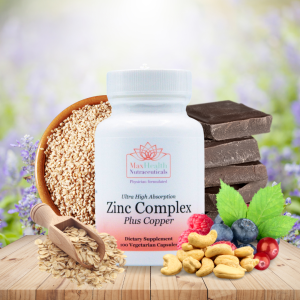
Zinc Complex Plus Copper
NAC 90s
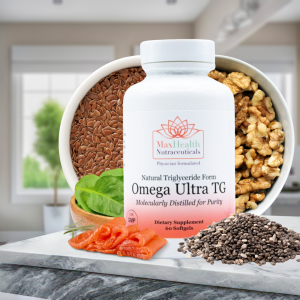
Omega Ultra TG
Probiotic 40 Billion CFU – 60s (shelf stable)
Beef Collagen Vanilla
Estro Balance 60s
Vitamin A 25,000 IU 100s
Liver (Detox & Protect) 60s
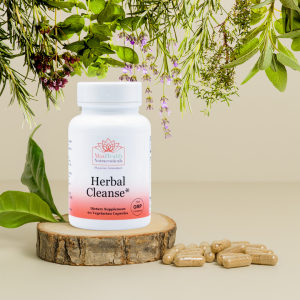
Herbal Cleanse 60s
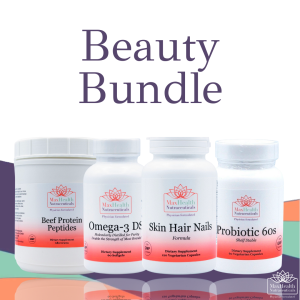
Beauty Bundle
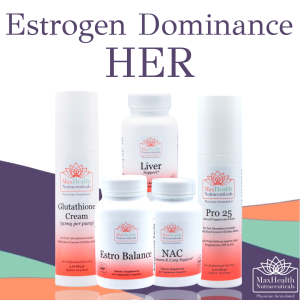
Estrogen Dominance Her Bundle
Disclosure: This post contains affiliate links. If you purchase through these links, we may earn a small commission at no extra cost to you. Learn more.
About the Author
Dr. Nicolle is a double board-certified physician in Family Medicine and Preventive Medicine, with certifications in Functional Medicine and Lifestyle Medicine. She helps busy professionals over 40 optimize their health through root-cause approaches to cardiovascular, hormonal, and metabolic health.
Learn more about Dr. Nicolle →Explore Related Topics
Dive deeper into these connected health areas
Gut Health
Your gut is far more than a digestive organ — it's home to 70% of your immune system, produces key n…
Explore ❤️Metabolic Health
Metabolic health sits at the intersection of blood sugar regulation, cardiovascular function, body c…
Explore 💪Men's Health
Men's health involves a unique interplay of hormonal balance, cardiovascular resilience, metabolic e…
Explore 🧠Mental Health
Mental health is deeply interconnected with hormonal balance, gut health, blood sugar regulation, an…
ExploreReady to Address Your Health Concerns?
Book a Discovery Offer consultation to discuss how our functional medicine approach can help you achieve your health goals.
Book Your Discovery Offer