Laser Therapy for Thinning Hair in Perimenopause: Does It Actually Work?

- Up to 40% of women experience noticeable hair thinning by menopause — driven by the estrogen-androgen shift, nutrient deficiencies, and follicular miniaturization
- Low-level laser therapy (LLLT) has Level 1 evidence (RCTs and meta-analyses) showing 17-20 hairs/cm² density improvement via mitochondrial activation and reduced follicular inflammation
- Laser caps with 200+ diodes at 650-670nm wavelength are the most effective consumer device — use 30 minutes every other day for at least 16-26 weeks
- LLLT alone produces modest results; the best outcomes combine it with iron/vitamin D/zinc repletion, hormonal optimization, and scalp microbiome support
- Early intervention is critical — once follicles are permanently scarred, no treatment can restore them
A 47-year-old interior designer sat across from me last October, running her fingers through a ponytail that she said used to be twice as thick. "I thought I was imagining it at first," she told me. "Then I started finding hair everywhere — in the shower drain, on my pillow, tangled around the vacuum roller. My stylist finally said something, and that's when I knew it wasn't in my head." Her labs told the story: estradiol dropping, FSH climbing, ferritin at 22 ng/mL, and a thyroid panel that was "normal" by conventional standards but showed a free T3 sitting at the bottom of the range.
She'd already tried biotin supplements (didn't help), volumizing shampoos (cosmetic band-aid), and was considering PRP injections (expensive, and she hated needles). When I brought up low-level laser therapy, she looked skeptical. "Like... a laser on my head?" Yes. And the research behind it is more robust than most people — and most doctors — realize.
Hair thinning in perimenopause isn't just a cosmetic nuisance. For many women, it's one of the most distressing symptoms of hormonal transition, sometimes more emotionally impactful than hot flashes or mood changes. And it's shockingly common: up to 40% of women experience noticeable hair loss by the time they reach menopause (1). Yet it's rarely addressed proactively in conventional medicine. The standard response is "that's normal aging" — which is both dismissive and, as we'll see, inaccurate.
Why Perimenopause Attacks Your Hair
Before we talk about lasers, you need to understand what's actually happening at the follicle level during perimenopause. Hair loss in this phase isn't random. It follows a specific hormonal cascade that creates the perfect storm for follicular miniaturization.
The Estrogen-Androgen Shift
During reproductive years, estrogen extends the anagen (growth) phase of the hair cycle, keeping follicles active longer and supporting thicker, denser hair. As perimenopause begins and estrogen declines, the relative influence of androgens — particularly dihydrotestosterone (DHT) — increases. You don't need elevated testosterone levels for this to happen. The ratio shift alone is enough.
DHT binds to androgen receptors on hair follicles (which are most dense at the crown and temples — notice the pattern?) and triggers a process called follicular miniaturization. Each successive hair cycle produces a thinner, shorter, less pigmented strand until the follicle eventually stops producing visible hair altogether (2).
Here's what most women don't realize: perimenopausal hair thinning typically starts 2-5 years before periods actually stop. By the time you notice visible thinning, the miniaturization process has been underway for years. Early intervention isn't just helpful — it's critical for preserving follicles that haven't yet been permanently silenced.
The Supporting Cast of Deficiencies
The hormonal shift doesn't act alone. Several nutrient deficiencies that are epidemic in perimenopausal women compound the problem:
- Iron/ferritin: Ferritin below 40 ng/mL is associated with hair shedding. Most labs flag it as "normal" above 12, but hair follicles need much more than that. My patient's ferritin of 22 was technically normal. It was not optimal for hair
- Vitamin D: Vitamin D receptors are expressed on hair follicles, and deficiency (below 40 ng/mL) is linked to telogen effluvium and alopecia areata (3)
- Zinc: Essential for hair follicle stem cell proliferation. Deficiency is common in women over 40, especially those on restrictive diets
- Thyroid function: Even subclinical hypothyroidism — where TSH is "normal" but free T3 is low — can slow the hair cycle and increase shedding
What Is Low-Level Laser Therapy (LLLT)?
Low-level laser therapy — also called photobiomodulation or cold laser therapy — uses specific wavelengths of red or near-infrared light (typically 630-670nm for red and 810-850nm for near-infrared) to stimulate cellular activity in hair follicles. Unlike surgical lasers, LLLT doesn't cut, burn, or damage tissue. It delivers photons that are absorbed by chromophores in mitochondria, triggering a cascade of cellular responses.
The technology has been around since the 1960s (it was originally discovered when Hungarian researcher Endre Mester noticed that low-power laser light accelerated wound healing in mice), but its application for hair loss has only gained serious clinical attention in the past 15 years.
How LLLT Stimulates Hair Growth: The Mechanism
The cellular mechanism is well-characterized and involves several pathways (4):
1. Mitochondrial Activation: Photons from LLLT are absorbed by cytochrome c oxidase (Complex IV) in the mitochondrial electron transport chain. This increases ATP production — literally giving follicle cells more energy to function. A dormant follicle that's been miniaturized by DHT or nutrient deficiency is, at its core, an energy-depleted cell. LLLT addresses this directly.
2. Nitric Oxide Release: LLLT triggers the release of nitric oxide from cells, which dilates blood vessels and increases microcirculation to the scalp. Better blood flow means better delivery of oxygen, nutrients, and hormones to the follicle.
3. Reduced Inflammation: Chronic low-grade scalp inflammation (perifollicular inflammation) is a major contributor to hair miniaturization. LLLT reduces inflammatory cytokines (TNF-α, IL-1β) and prostaglandins around the follicle, creating a more hospitable environment for growth (5).
4. Hair Cycle Modulation: LLLT appears to push telogen (resting) follicles back into anagen (growth) phase. In perimenopausal women, where the telogen percentage is often elevated, this is exactly what's needed.
5. Stem Cell Activation: Hair follicle bulge stem cells respond to photobiomodulation. LLLT activates the Wnt/β-catenin signaling pathway, which is critical for hair follicle regeneration and the initiation of new growth cycles (6).
| Mechanism | What Happens | Clinical Relevance |
|---|---|---|
| ATP production ↑ | Cytochrome c oxidase activated → more cellular energy | Revives energy-depleted miniaturized follicles |
| Nitric oxide release | Vasodilation → improved scalp microcirculation | Better nutrient and oxygen delivery to follicles |
| Anti-inflammatory | Reduced TNF-α, IL-1β, prostaglandins | Decreases perifollicular inflammation driving miniaturization |
| Telogen → anagen shift | Resting follicles re-enter growth phase | Addresses the elevated telogen percentage in perimenopause |
| Stem cell activation | Wnt/β-catenin pathway stimulated | Promotes new hair cycle initiation from dormant stem cells |
The Clinical Evidence: What the Studies Actually Show
Let's look at the data, because this is where LLLT separates itself from most hair loss "treatments" you'll find marketed online.
FDA Clearance and Key Trials
LLLT devices for hair loss are FDA-cleared (510(k)) for both men and women with androgenetic alopecia. This is significant — the FDA clearance is based on clinical trial data, not just theoretical mechanisms.
A landmark 2014 randomized, double-blind, sham-controlled trial published in the *American Journal of Clinical Dermatology* studied women with androgenetic alopecia using a laser comb device. After 26 weeks, the LLLT group showed a statistically significant increase in hair density compared to the sham device group — an average increase of 20.2 hairs per cm² (7). That may not sound dramatic, but it represents visible, measurable regrowth in an area that was thinning.
A larger 2017 meta-analysis in *Lasers in Surgery and Medicine* pooled data from 11 randomized controlled trials with a total of 680 patients. The analysis found that LLLT significantly increased hair count and hair density compared to sham treatments, with a mean difference of 17.2 hairs per cm². The authors concluded that LLLT is "an effective treatment for hair loss in both men and women" (8).
Perimenopause-Specific Considerations
Most LLLT trials studied androgenetic alopecia broadly. But the mechanism is particularly relevant to perimenopausal hair loss because:
- The androgen-mediated miniaturization that LLLT counteracts is the same process driving perimenopausal thinning
- The anti-inflammatory effect addresses the perifollicular inflammation that increases with declining estrogen
- The improved microcirculation compensates for the vascular changes that occur during hormonal transition
- The stem cell activation pathway may help rescue follicles that are in the early stages of miniaturization but haven't yet been permanently silenced
LLLT has Level 1 evidence (randomized controlled trials and meta-analyses) supporting its efficacy for hair density improvement. It is one of only three treatments for female pattern hair loss with this level of evidence — the others being topical minoxidil and oral spironolactone.
Choosing the Right Device: Caps vs. Combs vs. Panels
Not all LLLT devices are created equal, and device selection matters significantly for outcomes.
Laser Caps (Recommended)
Laser caps are helmet-style devices that cover the entire scalp simultaneously. They typically contain 200-300+ laser diodes and deliver consistent, hands-free treatment. This is what I recommend for most patients because:
- Full scalp coverage ensures you're treating areas of early miniaturization you might not yet notice
- Hands-free design means better compliance (you can wear it while reading, working, or watching TV)
- Consistent energy delivery — no variation based on how fast or slow you move the device
- Treatment time is typically 20-30 minutes, 3x per week
Look for devices with true laser diodes (not just LEDs) at 650-670nm wavelength and a total power output of at least 1,000-1,400mW.
Laser Combs
Laser combs were the first consumer LLLT devices and are typically less expensive. However, they require manual movement across the scalp, leading to inconsistent coverage and variable energy delivery. Compliance is lower because the active movement requirement makes treatment tedious.
Red Light Panels
Full-body red light therapy panels deliver photobiomodulation but aren't designed for scalp treatment. The distance from panel to scalp, the angle of delivery, and the hair itself blocking photon penetration make panels suboptimal for hair growth compared to devices that sit directly on the scalp.
| Feature | Laser Cap | Laser Comb | Red Light Panel |
|---|---|---|---|
| Coverage | Full scalp | Partial (manual) | Indirect |
| Hands-free | Yes | No | Yes (but suboptimal angle) |
| Session time | 20-30 min | 15-25 min | 10-20 min |
| Compliance rate | High | Moderate | Low (for hair) |
| Clinical evidence | Strong | Moderate | Limited (for hair) |
| Price range | $500-2,000+ | $200-500 | $300-1,500 |
The 3-Phase Protocol: LLLT + Hormone + Nutrient Optimization
Here's the critical insight most hair loss clinics miss: LLLT alone is not enough for perimenopausal hair thinning. The laser addresses the follicular environment, but it doesn't fix the hormonal and nutritional deficiencies that created the problem. The best outcomes come from a comprehensive approach that tackles all three drivers simultaneously.
Phase 1: Lab Assessment and Nutrient Repletion (Weeks 1-8)
Before starting LLLT, optimize the foundation. There's no point in stimulating follicles that don't have the raw materials to grow.
Essential labs to check:
- Ferritin (target >50 ng/mL for hair; I often aim for 70-80)
- Vitamin D, 25-OH (target 50-70 ng/mL)
- Zinc, serum (target >80 mcg/dL)
- Thyroid panel: TSH, free T4, free T3, reverse T3, anti-TPO
- Complete hormone panel: Estradiol, progesterone, testosterone (total and free), DHEA-S
- Insulin and HbA1c: Metabolic health directly impacts hair
Nutrient repletion protocol:
- Iron bisglycinate 25-50mg every other day (if ferritin <50) — taken with vitamin C for absorption, away from thyroid medication and calcium
- Vitamin D3 + K2 5,000 IU daily until optimal, then maintenance dose
- Zinc picolinate 30mg daily with food
- B-complex with methylfolate and methylcobalamin
- Omega-3 (2-3g EPA/DHA daily) — reduces scalp inflammation
- Biotin 5,000mcg daily — worth including despite mixed evidence, as deficiency is common and supplementation is low-risk
Phase 2: LLLT Introduction + Scalp Support (Weeks 4-16)
Start LLLT once nutrient repletion is underway. The follicles will respond better when they have adequate iron, vitamin D, and zinc available.
LLLT protocol:
- Use a medical-grade laser cap with ≥200 diodes at 650-670nm
- 30 minutes per session, every other day (3-4 sessions per week)
- Consistency is non-negotiable — results require 16-26 weeks of regular use
- Don't wash hair immediately before treatment (clean, dry hair allows better photon penetration)
Scalp environment optimization:
- Switch to sulfate-free, silicone-free shampoo — buildup on the scalp can impede follicular function and light penetration
- Consider scalp microbiome support — topical probiotics or prebiotic sprays that reduce pathogenic bacteria contributing to follicular inflammation
- Gentle scalp massage (3-5 minutes daily) increases microcirculation independently of LLLT
- Avoid tight hairstyles that create traction on vulnerable follicles
Don't expect visible results before week 12. LLLT works by gradually shifting follicles from telogen to anagen. The first sign of improvement is typically reduced shedding (fewer hairs in the drain), followed by baby hairs appearing along the hairline and part. Visible density improvement usually becomes apparent between months 4-6. Quitting before 16 weeks is the most common reason for "LLLT didn't work for me."
Phase 3: Hormonal Optimization (Ongoing, with Physician Guidance)
This is where individualized medicine matters most, and where working with a practitioner who understands both hormones and hair physiology is essential.
Hormone considerations for perimenopausal hair:
- Progesterone: Often the first hormone to decline in perimenopause. Progesterone is a natural 5-alpha reductase inhibitor — meaning it blocks the conversion of testosterone to DHT. Low progesterone = more DHT = more miniaturization. Bioidentical progesterone may be considered in appropriate candidates
- Estradiol: Supports the anagen phase and follicle health. As estradiol drops, hair cycle shortens. Hormone replacement therapy may include hair benefits as a secondary outcome
- DHEA-S: Both high and low DHEA-S can affect hair. Levels need to be interpreted in context
- Cortisol: Chronically elevated cortisol pushes more follicles into telogen. Stress management isn't optional for hair recovery — it's foundational
Combining LLLT with Other Treatments
LLLT works synergistically with several other evidence-based approaches:
Topical minoxidil (2-5%): The combination of LLLT + minoxidil has shown superior results compared to either alone in multiple studies. Minoxidil is a vasodilator that extends the anagen phase; LLLT enhances cellular energy and reduces inflammation. Different mechanisms, additive benefits.
Microneedling: Monthly dermaroller or dermapen treatments (1.0-1.5mm depth) on the scalp create micro-injuries that trigger growth factor release and improve topical treatment absorption. Studies show microneedling + minoxidil outperforms minoxidil alone by a significant margin (9). Adding LLLT to this combination may enhance outcomes further.
Nutritional supplements: Hair-specific supplement protocols work on the supply side (providing raw materials) while LLLT works on the demand side (stimulating follicles to use those materials).
PRP (Platelet-Rich Plasma): For patients willing to pursue in-office treatments, PRP injections combined with at-home LLLT provide growth factor stimulation (PRP) plus ongoing photobiomodulation (LLLT) between injection sessions.
What LLLT Cannot Do
I want to be honest about limitations, because overpromising leads to disappointment:
- LLLT cannot regrow hair from permanently destroyed follicles. If a follicle has been miniaturized to the point of complete scarring, no amount of laser light will resurrect it. This is why early intervention matters
- LLLT requires ongoing use. Unlike a surgery with permanent results, LLLT benefits are maintained only with continued treatment. Most patients settle into a maintenance schedule of 2-3 sessions per week indefinitely
- LLLT alone produces modest results. The 17-20 hairs per cm² improvement seen in clinical trials is meaningful but not transformative on its own. The real impact comes from combining LLLT with nutritional and hormonal optimization
- Results vary significantly between individuals. Genetics, severity of thinning, duration of hair loss, and adherence to the full protocol all influence outcomes
My Patient's Results
That interior designer I mentioned at the start? We ran her full panel, corrected her ferritin to 68 ng/mL, optimized her vitamin D to 55 ng/mL, started her on a medical-grade laser cap (30 minutes, every other day), and worked with her gynecologist to address her hormonal transition with bioidentical progesterone.
At 8 weeks, shedding had decreased by about 60%. She stopped dreading the shower drain. At 16 weeks, her stylist noticed new growth along her temples and part line. At 6 months, she texted me a photo — her ponytail wasn't back to its twenties volume, but she described it as "solid" for the first time in years.
"This isn't one thing that fixed it," she told me. "It's everything working together." That's exactly the point. Laser therapy is a powerful tool, but it's most powerful when it's one part of a comprehensive strategy.
The Bottom Line
Low-level laser therapy is one of the most evidence-based, non-pharmaceutical tools available for perimenopausal hair thinning. Its mechanism of action — mitochondrial stimulation, improved microcirculation, reduced inflammation, and stem cell activation — directly addresses the pathophysiology of hormonally-driven hair miniaturization. FDA-cleared devices have demonstrated measurable improvements in hair density in randomized controlled trials.
But LLLT is not a standalone solution. The best outcomes come from combining photobiomodulation with targeted nutrient repletion (especially iron, vitamin D, and zinc), hormonal assessment, scalp microbiome care, and stress management. Perimenopause doesn't have to mean accepting thinner hair as inevitable. With the right approach, started early enough, significant improvement is achievable.
If your hair is thinning and nobody's looked at your hormones, your ferritin, or your thyroid — start there. And if you've been told "it's just aging," get a second opinion from someone who actually treats hair loss at the root cause.
References
- Famenini S, Goh C. Evidence for supplemental treatments in androgenetic alopecia. Journal of Drugs in Dermatology. 2014;13(7):809-812. https://doi.org/10.1016/j.jaad.2013.02.008
- Grymowicz M, et al. Hormonal effects on hair follicles. International Journal of Molecular Sciences. 2020;21(15):5342. https://doi.org/10.3390/ijms21155342
- Rasheed H, et al. Serum ferritin and vitamin D in female hair loss. Skin Pharmacology and Physiology. 2013;26(3):101-107. https://doi.org/10.1159/000346698
- Avci P, et al. Low-level laser (light) therapy (LLLT) for treatment of hair loss. Lasers in Surgery and Medicine. 2014;46(2):144-151. https://doi.org/10.1002/lsm.22170
- Hamblin MR. Mechanisms and applications of the anti-inflammatory effects of photobiomodulation. AIMS Biophysics. 2017;4(3):337-361. https://doi.org/10.3934/biophy.2017.3.337
- Bouzari N, et al. Laser and light therapy for hair growth stimulation. Lasers in Medical Science. 2020;35(5):1039-1050. https://doi.org/10.1007/s10103-019-02905-w
- Lanzafame RJ, et al. The growth of human scalp hair mediated by visible red light laser and LED sources in males. Lasers in Surgery and Medicine. 2013;45(8):487-495. https://doi.org/10.1002/lsm.22173
- Afifi L, et al. Low-level laser therapy as a treatment for androgenetic alopecia: a systematic review and meta-analysis. Lasers in Surgery and Medicine. 2017;49(1):27-34. https://doi.org/10.1002/lsm.22512
- Dhurat R, et al. Randomized evaluator blinded study of effect of microneedling in androgenetic alopecia. International Journal of Trichology. 2013;5(1):6-11. https://doi.org/10.4103/0974-7753.114700
Recommended Supplements
Clinical-grade picks for this topic

Theradome PRO LH80 Laser Helmet
$895.00

Red Light Face Mask
$415.00
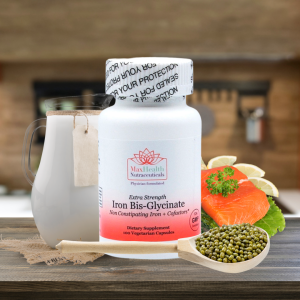
Iron Bisglycinate DS Plus (60mg) 100s
$46.00
Affiliate disclosure: The product links below are affiliate links — we may earn a commission at no extra cost to you. Recommendations are based on clinical use, not commissions. Learn more.
Frequently Asked Questions
Common questions about laser therapy for thinning hair in perimenopause: does it actually work?
Recommended Supplements
Professional-grade supplements from my MaxHealth Nutraceuticals line — the same formulas I use in clinical practice.
Theradome PRO LH80 Laser Helmet
Red Light Face Mask
Iron Bisglycinate DS Plus (60mg) 100s
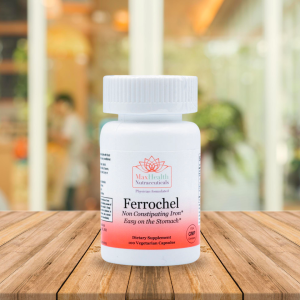
Ferrochel Plus (25mg) 100s
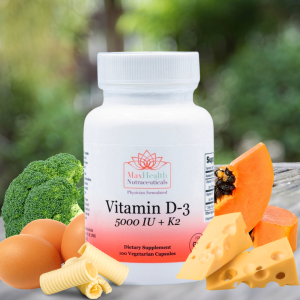
Vitamin D3 5000 IU + K2 CAPSULES 100s
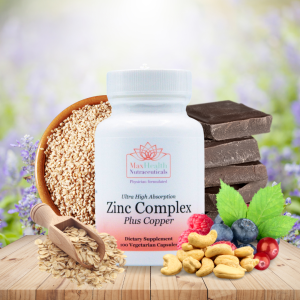
Zinc Complex Plus Copper
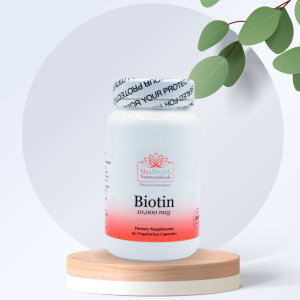
Biotin 10,000 90s
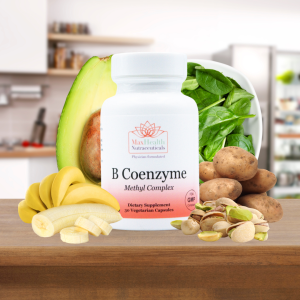
B Coenzyme Methyl Complex

Omega Ultra TG
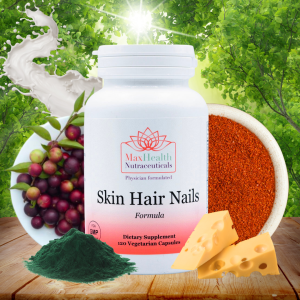
Skin Hair Nails Formula 120s
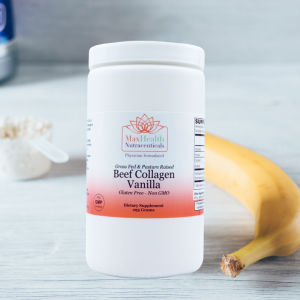
Beef Collagen Vanilla

Beauty Bundle
Menopause Support Essentials Bundle (Hormone Free) – Vanilla
Disclosure: This post contains affiliate links. If you purchase through these links, we may earn a small commission at no extra cost to you. Learn more.
About the Author
Dr. Nicolle is a double board-certified physician in Family Medicine and Preventive Medicine, with certifications in Functional Medicine and Lifestyle Medicine. She helps busy professionals over 40 optimize their health through root-cause approaches to cardiovascular, hormonal, and metabolic health.
Learn more about Dr. Nicolle →Explore Related Topics
Dive deeper into these connected health areas
Hormone Health
Hormones are the chemical messengers that regulate virtually every process in your body — from metab…
Explore 🦠Gut Health
Your gut is far more than a digestive organ — it's home to 70% of your immune system, produces key n…
Explore ❤️Metabolic Health
Metabolic health sits at the intersection of blood sugar regulation, cardiovascular function, body c…
Explore 🌸Women's Health
Women's health encompasses a complex interplay of hormonal cycles, reproductive biology, and unique …
Explore 💪Men's Health
Men's health involves a unique interplay of hormonal balance, cardiovascular resilience, metabolic e…
Explore 🧠Mental Health
Mental health is deeply interconnected with hormonal balance, gut health, blood sugar regulation, an…
Explore 📖Skin & Hair Health
Your skin and hair are windows into your internal health. Chronic acne, eczema, psoriasis, and hair …
ExploreReady to Address Your Health Concerns?
Book a Discovery Offer consultation to discuss how our functional medicine approach can help you achieve your health goals.
Book Your Discovery Offer