Red Light Therapy for Skin: Anti-Aging, Acne & Wound Healing

- Red light (630–660nm) and NIR (830–850nm) stimulate collagen production, reduce inflammation, and accelerate healing at the cellular level
- Clinical trials show 36% reduction in inflammatory acne lesions and significant collagen density improvement within 12 weeks
- 10–15 minutes daily, 5 days per week, at 6–12 inches from the skin is the standard therapeutic protocol
- Combine with collagen peptides, vitamin C, and omega-3s for synergistic skin improvement
A 52-year-old patient showed me her before-and-after photos at a follow-up visit. She'd been using a red light therapy device for 12 weeks — 10 minutes daily, 5 days a week. The change was striking: fine lines around her eyes had visibly softened, her skin tone was more even, and the persistent redness from mild rosacea had calmed significantly. "My dermatologist asked what I changed," she said. "When I told her it was red light, she looked it up and said the evidence was actually solid."
She's right. Photobiomodulation — the technical term for red light therapy — has over 5,000 peer-reviewed studies. It's not a trend. It's physics applied to biology, and the mechanisms are well understood.
How Red Light Therapy Works on Skin
Red light (620–700nm) and near-infrared light (700–1100nm) penetrate the skin to different depths and interact with chromophores — light-absorbing molecules — in your cells. The primary target is cytochrome c oxidase, an enzyme in your mitochondria's electron transport chain.
When red/NIR light hits cytochrome c oxidase:
1. ATP production increases — Your cells produce more energy
2. Reactive oxygen species (ROS) decrease — Oxidative stress drops
3. Nitric oxide is released — Blood flow improves
4. Growth factors are upregulated — Collagen, elastin, and fibroblast production increase
5. Inflammatory cytokines decrease — NF-κB pathway activity is suppressed
This translates to measurable clinical outcomes: more collagen, less inflammation, faster healing, and healthier skin at the cellular level.
Clinical Applications
Anti-Aging & Collagen Stimulation
Red light at 630–660nm stimulates fibroblast activity and collagen type I and III production. A landmark RCT published in *Photomedicine and Laser Surgery* showed significant improvement in skin complexion, skin feeling, and collagen density after 30 sessions of red light treatment (1).
Key wavelengths for anti-aging:
- 630nm — Superficial skin layers, collagen stimulation
- 660nm — Deeper dermal penetration, enhanced fibroblast activity
- 850nm (NIR) — Deepest penetration, reduces inflammation and supports tissue repair
Acne Treatment
Blue light (415nm) kills *Propionibacterium acnes* bacteria, but red light (630–660nm) addresses the inflammatory component that drives hormonal acne and cystic breakouts. Combined red/blue devices offer the most comprehensive phototherapy approach.
Red light alone:
- Reduces inflammatory lesion count by 36% after 12 weeks (2)
- Decreases sebaceous gland activity
- Suppresses IL-1 and TNF-alpha in sebaceous cells
- Accelerates post-inflammatory hyperpigmentation (PIH) resolution
Wound Healing & Scar Reduction
NIR light (830–850nm) accelerates wound healing by:
- Increasing angiogenesis (new blood vessel formation)
- Stimulating macrophage activity for debris clearance
- Enhancing fibroblast migration to wound sites
- Reducing hypertrophic scar formation
This is the same mechanism that makes red light therapy effective for post-procedure recovery, surgical scars, and stretch marks.
Rosacea & Inflammatory Skin Conditions
Red light suppresses the NF-κB inflammatory pathway in dermal tissue, making it effective for rosacea, eczema, and inflammatory skin conditions driven by the gut-skin axis.
The Red Light Therapy Protocol for Skin
Daily Protocol
| Target Area | Wavelength | Distance | Duration | Frequency |
|---|---|---|---|---|
| Full face (anti-aging) | 630–660nm | 6–12 inches | 10–15 min | 5x/week |
| Acne-prone areas | 630nm + 415nm (blue) | 6 inches | 10 min | Daily |
| Scars/wounds | 830–850nm (NIR) | 4–8 inches | 10–15 min | Daily until healed |
| Neck/décolletage | 630–660nm | 6–12 inches | 10 min | 3–5x/week |
Timeline for Results
- Week 1–2: Improved skin tone, mild "glow" effect (increased circulation)
- Week 4–6: Visible reduction in redness, fine lines beginning to soften
- Week 8–12: Measurable collagen improvement, significant acne reduction
- Week 12+: Cumulative structural skin improvement, sustained results with maintenance
Combining Red Light with Skin Nutrition
Red light therapy works synergistically with:
- Collagen peptides — Provide the raw material that red light stimulates your body to produce
- Vitamin C — Essential cofactor for collagen synthesis
- Omega-3 fatty acids — Reduce dermal inflammation
- Zinc — Required for skin cell turnover and wound healing
- Anti-inflammatory diet — Reduces systemic inflammation that manifests in skin
Safety & Contraindications
Red light therapy is remarkably safe, but observe these precautions:
- Do not use directly over active cancerous lesions — Light can stimulate cell proliferation
- Avoid photosensitizing medications (retinoids, tetracyclines) without physician guidance
- Eye protection recommended for NIR wavelengths, even though red light is safe for eyes
- Consistent daily use is required — sporadic use produces minimal results
The Bottom Line
Red light therapy is one of the most well-researched, non-invasive skin treatments available. With over 5,000 studies supporting photobiomodulation, it's not experimental — it's established science. For anti-aging, acne, wound healing, and inflammatory skin conditions, a consistent 10–15 minute daily protocol delivers measurable results within 8–12 weeks.
References
- Wunsch A, Matuschka K. A controlled trial to determine the efficacy of red and near-infrared light treatment in patient satisfaction, reduction of fine lines, wrinkles, skin roughness, and intradermal collagen density increase. Photomed Laser Surg. 2014;32(2):93-100.
- Lee SY, et al. A prospective, randomized, placebo-controlled, double-blinded, and split-face clinical study on LED phototherapy for skin rejuvenation. J Photochem Photobiol B. 2007;88(1):51-67.
- Avci P, et al. Low-level laser (light) therapy (LLLT) in skin: stimulating, healing, restoring. Semin Cutan Med Surg. 2013;32(1):41-52.
Recommended Supplements
Clinical-grade picks for this topic

Red Light Face Mask
$415.00

Theradome PRO LH80 Laser Helmet
$895.00

Branch Basics Premium Starter Kit
$75.00
Affiliate disclosure: The product links below are affiliate links — we may earn a commission at no extra cost to you. Recommendations are based on clinical use, not commissions. Learn more.
Frequently Asked Questions
Common questions about red light therapy for skin: anti-aging, acne & wound healing
Recommended Supplements
Professional-grade supplements from my MaxHealth Nutraceuticals line — the same formulas I use in clinical practice.
Red Light Face Mask
Theradome PRO LH80 Laser Helmet
Branch Basics Premium Starter Kit
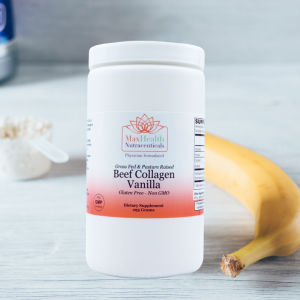
Beef Collagen Vanilla
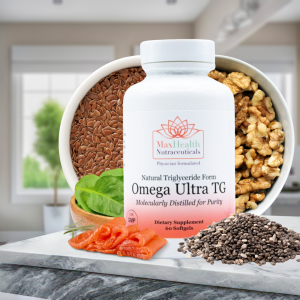
Omega Ultra TG
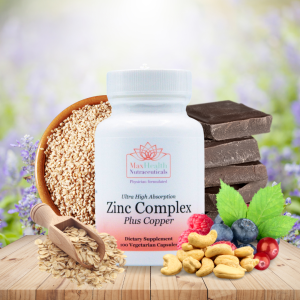
Zinc Complex Plus Copper
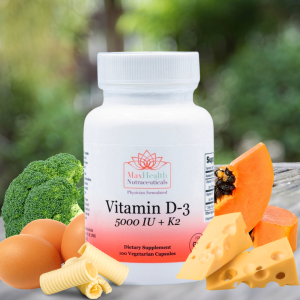
Vitamin D3 5000 IU + K2 CAPSULES 100s
NAC 90s
Probiotic 40 Billion CFU – 60s (shelf stable)
Beauty Bundle
Disclosure: This post contains affiliate links. If you purchase through these links, we may earn a small commission at no extra cost to you. Learn more.
About the Author
Dr. Nicolle is a double board-certified physician in Family Medicine and Preventive Medicine, with certifications in Functional Medicine and Lifestyle Medicine. She helps busy professionals over 40 optimize their health through root-cause approaches to cardiovascular, hormonal, and metabolic health.
Learn more about Dr. Nicolle →Explore Related Topics
Dive deeper into these connected health areas
Hormone Health
Hormones are the chemical messengers that regulate virtually every process in your body — from metab…
Explore 🦠Gut Health
Your gut is far more than a digestive organ — it's home to 70% of your immune system, produces key n…
Explore ❤️Metabolic Health
Metabolic health sits at the intersection of blood sugar regulation, cardiovascular function, body c…
Explore 🌸Women's Health
Women's health encompasses a complex interplay of hormonal cycles, reproductive biology, and unique …
Explore 💪Men's Health
Men's health involves a unique interplay of hormonal balance, cardiovascular resilience, metabolic e…
Explore 🧠Mental Health
Mental health is deeply interconnected with hormonal balance, gut health, blood sugar regulation, an…
ExploreReady to Address Your Health Concerns?
Book a Discovery Offer consultation to discuss how our functional medicine approach can help you achieve your health goals.
Book Your Discovery Offer