The Gut-Brain Connection: How Your Microbiome Controls Mood

- 95% of serotonin is produced in your gut, not your brain, so gut dysfunction directly impairs mood regulation
- Psychobiotics (specific probiotic strains like L. rhamnosus and B. longum 1714) have demonstrated effects on anxiety, depression, and stress resilience in clinical trials
- Leaky gut allows bacterial toxins (LPS) into the bloodstream, triggering neuroinflammation that manifests as brain fog, anxiety, and depression
- Most patients see cognitive clarity improve within 2-4 weeks and mood improve within 4-8 weeks of beginning a gut restoration protocol
She had been on two different SSRIs over five years, with marginal improvement in her anxiety and persistent brain fog that her psychiatrist couldn't explain. When she came to my office, I asked a question nobody had asked before: "How's your digestion?"
Her answer was telling. Bloating after almost every meal. Alternating constipation and diarrhea. Food sensitivities that seemed to multiply every year. She had assumed these were separate, unrelated problems. They weren't. Her gut was driving her brain symptoms, and until we addressed it, no psychiatric medication was going to fully resolve what she was experiencing.
This is the gut-brain connection in clinical practice, and it's one of the most important and underappreciated dynamics in medicine.
Your Gut Is a Second Brain
This isn't a metaphor. Your gastrointestinal tract contains its own nervous system, the enteric nervous system (ENS), which houses over 500 million neurons. That's more than your spinal cord. The ENS can operate independently from the brain, controlling digestion, motility, and secretion on its own, which is why scientists call it the "second brain" (1).
But the ENS doesn't just manage digestion. It communicates constantly with your central nervous system through the vagus nerve, a bidirectional superhighway that runs from your brainstem to your abdomen. Roughly 80% of vagal nerve fibers carry information from the gut to the brain, not the other way around. Your gut is talking to your brain far more than your brain is talking to your gut (2).
This means that what happens in your digestive tract, the composition of your microbiome, the integrity of your gut barrier, the level of intestinal inflammation, directly shapes your mood, anxiety levels, cognitive function, and even your behavior.
How Your Microbiome Controls Brain Chemistry
Your gut bacteria aren't passive passengers. They're active participants in neurochemistry. Here's what we now know.
Serotonin Production
Approximately 95% of your body's serotonin is produced in the gut, not the brain. Specific bacterial strains, particularly Enterochromaffin cells influenced by the microbiome, drive this production. When the microbiome is disrupted (dysbiosis), serotonin production drops (3). This has profound implications for anxiety and depression, given that most antidepressants work by increasing serotonin availability.
GABA and Glutamate
GABA is your primary calming neurotransmitter. Certain Lactobacillus and Bifidobacterium strains produce GABA directly. Studies in both animals and humans have shown that supplementing with these specific strains reduces anxiety and cortisol levels (4).
Dopamine and Norepinephrine
Gut bacteria influence the production of dopamine precursors and norepinephrine, affecting motivation, focus, and reward signaling. Dysbiosis can impair these pathways, contributing to the apathy and motivational deficits often seen alongside depression.
95% of serotonin is produced in the gut, not the brain. This means that treating mood disorders without addressing gut health is like trying to fix a leaky roof by mopping the floor. You're managing the symptom without addressing the source.
Short-Chain Fatty Acids (SCFAs)
When gut bacteria ferment dietary fiber, they produce short-chain fatty acids like butyrate, propionate, and acetate. Butyrate is particularly important for brain health: it crosses the blood-brain barrier, reduces neuroinflammation, supports BDNF production (brain-derived neurotrophic factor, essential for neuroplasticity and memory), and strengthens the gut barrier itself. A fiber-poor diet starves the bacteria that produce these compounds (5).
| Pathway | Mechanism | Brain Impact |
|---|---|---|
| Vagus nerve | Direct neural communication | Mood regulation, stress response |
| Serotonin (5-HT) | 95% produced in gut | Mood, sleep, appetite |
| GABA production | Lactobacillus/Bifido strains | Anxiety reduction, calm |
| SCFAs (butyrate) | Fiber fermentation by bacteria | Neuroplasticity, reduced inflammation |
| Immune signaling | Cytokines from gut inflammation | Neuroinflammation, brain fog |
| HPA axis | Gut microbes modulate cortisol | Stress resilience |
When the Gut-Brain Connection Breaks Down
Several common gut conditions directly impair brain function. If you're experiencing mood or cognitive symptoms alongside any digestive issues, the connection is worth investigating.
Intestinal Permeability (Leaky Gut)
When the gut barrier becomes compromised, bacterial fragments called lipopolysaccharides (LPS) enter the bloodstream. LPS triggers a systemic immune response that produces inflammatory cytokines capable of crossing the blood-brain barrier. Once in the brain, these cytokines activate microglia (brain immune cells), producing neuroinflammation that manifests as brain fog, anxiety, depression, and cognitive sluggishness (6).
This is why I tell patients: your brain fog might actually be gut fog.
SIBO and IBS
Small intestinal bacterial overgrowth (SIBO) and irritable bowel syndrome are strongly associated with anxiety and depression. Studies show that up to 60% of IBS patients have comorbid anxiety or depression, and treating the gut condition often improves the psychiatric symptoms, sometimes more effectively than psychiatric medications alone (7).
Dysbiosis
A loss of microbial diversity, often caused by antibiotic use, a low-fiber diet, chronic stress, or environmental toxin exposure, reduces the gut's capacity to produce neurotransmitters, SCFAs, and anti-inflammatory compounds. The result is a brain that's running on depleted neurochemistry while simultaneously coping with increased inflammatory signaling.
Healing the Gut to Heal the Brain
The good news is that the gut-brain axis is modifiable. Restoring gut health can produce meaningful improvements in mood, anxiety, and cognition, often within weeks to months.
Step 1: Remove Gut Irritants
Identify and eliminate factors that damage the gut barrier and disrupt the microbiome. Common culprits include food sensitivities (gluten, dairy, and soy are the most common), excessive alcohol, NSAIDs (ibuprofen damages the gut lining with regular use), unnecessary antibiotics, ultra-processed foods, and chronic stress (which directly increases intestinal permeability through cortisol-mediated mast cell activation).
Step 2: Restore Microbial Diversity
Increase dietary fiber to 30-40g daily from diverse plant sources: vegetables, fruits, legumes, nuts, seeds, and whole grains. Aim for 30 different plant species per week, as research shows that microbial diversity correlates strongly with the diversity of plant foods consumed. Include fermented foods daily: sauerkraut, kimchi, kefir, yogurt, miso, and kombucha provide live bacteria that support colonization (8).
Step 3: Repair the Gut Barrier
Key nutrients for gut barrier repair include L-glutamine (5-10g daily, the primary fuel source for enterocytes), zinc carnosine (75mg twice daily, shown to reduce intestinal permeability), omega-3 fatty acids (which reduce gut inflammation), and collagen or bone broth (which provides glycine and proline for mucosal repair).
Step 4: Targeted Probiotic Support
Not all probiotics are equal for brain health. The term "psychobiotics" refers to specific strains with demonstrated effects on mood and cognition. Lactobacillus rhamnosus (JB-1) reduces anxiety behaviors through vagal nerve signaling. Bifidobacterium longum 1714 improves stress resilience and cognitive performance. Lactobacillus helveticus R0052 and Bifidobacterium longum R0175 (sold together as Cerebiome) reduced depression and anxiety scores in a randomized controlled trial (9).
The term "psychobiotics" describes specific probiotic strains that have demonstrated effects on mood and cognition. Not all probiotics qualify. Look for Lactobacillus rhamnosus, Bifidobacterium longum 1714, or the Cerebiome combination (L. helveticus R0052 + B. longum R0175) if you're targeting the gut-brain axis specifically.
Step 5: Support Vagal Tone
The vagus nerve is the primary communication channel between gut and brain. Strengthening vagal tone improves both digestive function and stress resilience. Evidence-based vagal toning practices include slow, deep breathing (the physiological sigh is particularly effective), cold exposure (even splashing cold water on the face activates the dive reflex), humming or singing (vibrates the vagus through the larynx), and meditation (shown to increase vagal tone on HRV measurements).
Testing the Gut-Brain Connection
Functional testing can identify exactly where your gut-brain axis is breaking down.
Comprehensive stool analysis: Reveals microbial diversity, pathogenic organisms, digestive enzyme function, inflammatory markers (calprotectin, lactoferrin), and short-chain fatty acid production.
Organic acids test (OAT): Provides a metabolic snapshot including neurotransmitter metabolites, bacterial and yeast overgrowth markers, mitochondrial function markers, and B vitamin status.
Zonulin or LPS antibodies: Direct markers of intestinal permeability.
Food sensitivity panels (IgG/IgA): Can identify specific dietary triggers of gut inflammation, though elimination diets remain the gold standard.
What to Expect
Gut-brain healing doesn't happen overnight, but it often happens faster than patients expect. Most people notice improvements in brain fog and cognitive clarity within 2-4 weeks of removing gut irritants and beginning repair. Mood improvements typically follow within 4-8 weeks. Anxiety often responds even sooner, particularly when vagal toning practices are incorporated. Full microbiome remodeling and sustained neurochemical normalization takes 3-6 months.
The woman I mentioned at the beginning? After three months on a gut restoration protocol (removing her reactive foods, repairing her gut barrier, introducing targeted psychobiotics, and incorporating daily vagal toning), her anxiety had decreased by what she described as "about 70%." Her brain fog lifted. Her bloating resolved. She was eventually able to taper one of her SSRIs under her psychiatrist's supervision, something she'd tried and failed to do twice before.
Her gut was never a separate problem from her brain. They were the same problem, expressing in two places.
If you're dealing with mood or cognitive symptoms alongside any digestive issues, our Holistic Gut & Inflammation Reset Program addresses both sides of the gut-brain axis simultaneously. Take our Wellness Quiz to see where your biggest opportunities are, or book a Discovery Offer to discuss your case directly.
---
References
- Furness JB. The enteric nervous system and neurogastroenterology. Nature Reviews Gastroenterology & Hepatology. 2012;9(5):286-294. https://doi.org/10.1038/nrgastro.2012.32
- Breit S, et al. Vagus nerve as modulator of the brain-gut axis in psychiatric and inflammatory disorders. Frontiers in Psychiatry. 2018;9:44. https://doi.org/10.3389/fpsyt.2018.00044
- Yano JM, et al. Indigenous bacteria from the gut microbiota regulate host serotonin biosynthesis. Cell. 2015;161(2):264-276. https://doi.org/10.1016/j.cell.2015.02.047
- Bravo JA, et al. Ingestion of Lactobacillus strain regulates emotional behavior and central GABA receptor expression via the vagus nerve. PNAS. 2011;108(38):16050-16055. https://doi.org/10.1073/pnas.1102999108
- Silva YP, Bernardi A, Frozza RL. The role of short-chain fatty acids from gut microbiota in gut-brain communication. Frontiers in Endocrinology. 2020;11:25. https://doi.org/10.3389/fendo.2020.00025
- Kelly JR, et al. Breaking down the barriers: the gut microbiome, intestinal permeability and stress-related psychiatric disorders. Frontiers in Cellular Neuroscience. 2015;9:392. https://doi.org/10.3389/fncel.2015.00392
- Fond G, et al. Anxiety and depression comorbidities in irritable bowel syndrome: a systematic review and meta-analysis. European Archives of Psychiatry and Clinical Neuroscience. 2014;264(8):651-660. https://doi.org/10.1007/s00406-014-0502-z
- McDonald D, et al. American Gut: an open platform for citizen science microbiome research. mSystems. 2018;3(3):e00031-18. https://doi.org/10.1128/mSystems.00031-18
- Messaoudi M, et al. Assessment of psychotropic-like properties of a probiotic formulation in rats and human subjects. British Journal of Nutrition. 2011;105(5):755-764. https://doi.org/10.1017/S0007114510004319
Supplements for Gut Health
Clinical-grade picks for this topic

Inner Balance™ Coherence Plus
$249.00

TheraFrost Cold Plunge
$4,988.00
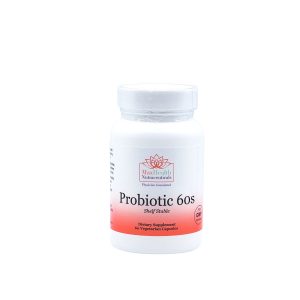
Probiotic 40 Billion CFU – 60s (shelf stable)
$68.00
Affiliate disclosure: The product links below are affiliate links — we may earn a commission at no extra cost to you. Recommendations are based on clinical use, not commissions. Learn more.
Frequently Asked Questions
Common questions about the gut-brain connection: how your microbiome controls mood
Recommended Supplements
Professional-grade supplements from my MaxHealth Nutraceuticals line — the same formulas I use in clinical practice.
Inner Balance™ Coherence Plus
TheraFrost Cold Plunge
Probiotic 40 Billion CFU – 60s (shelf stable)
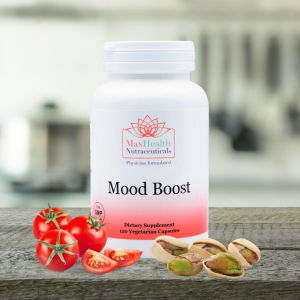
Mood Boost 120s
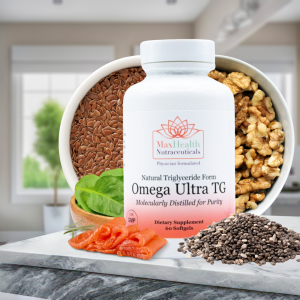
Omega Ultra TG
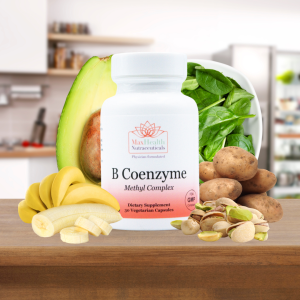
B Coenzyme Methyl Complex
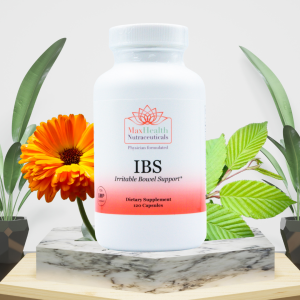
IBS Capsules 120s
GI Soothe (Powder) 168 Grams
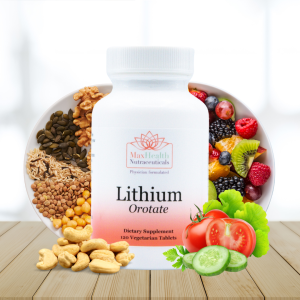
Lithium Orotate
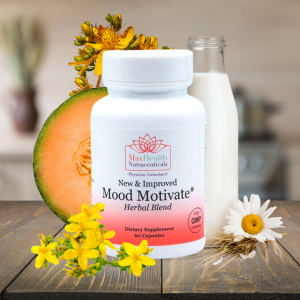
Mood Motivate 60s

Memory Support Bundle
Disclosure: This post contains affiliate links. If you purchase through these links, we may earn a small commission at no extra cost to you. Learn more.
About the Author
Dr. Nicolle is a double board-certified physician in Family Medicine and Preventive Medicine, with certifications in Functional Medicine and Lifestyle Medicine. She helps busy professionals over 40 optimize their health through root-cause approaches to cardiovascular, hormonal, and metabolic health.
Learn more about Dr. Nicolle →Explore Related Topics
Dive deeper into these connected health areas
Hormone Health
Hormones are the chemical messengers that regulate virtually every process in your body — from metab…
Explore ❤️Metabolic Health
Metabolic health sits at the intersection of blood sugar regulation, cardiovascular function, body c…
Explore 🌸Women's Health
Women's health encompasses a complex interplay of hormonal cycles, reproductive biology, and unique …
Explore 💪Men's Health
Men's health involves a unique interplay of hormonal balance, cardiovascular resilience, metabolic e…
Explore 📖Skin & Hair Health
Your skin and hair are windows into your internal health. Chronic acne, eczema, psoriasis, and hair …
ExploreReady to Address Your Health Concerns?
Book a Discovery Offer consultation to discuss how our functional medicine approach can help you achieve your health goals.
Book Your Discovery Offer