Candida & Yeast Overgrowth: A Functional Medicine Root Cause Guide

- Candida overgrowth occurs when beneficial bacteria are depleted and candida shifts from benign yeast to invasive fungal form.
- A single antibiotic course can reduce gut bacterial diversity by 30%, creating ecological space for candida expansion.
- Symptoms span digestive, neurological, hormonal, skin, and immune systems due to candida's toxic metabolic byproducts.
- The 4-phase protocol (starve → kill → restore → prevent) addresses the overgrowth, rebuilds the microbiome, and fixes root causes.
- Extreme anti-candida diets are unnecessarily restrictive — a moderate approach removing refined sugars while maintaining complex carbs is more effective.
I had a patient — a 41-year-old marketing executive — who'd seen five doctors in two years. She'd been diagnosed with IBS, anxiety, chronic fatigue, and "maybe fibromyalgia." She'd been put on an SSRI, a PPI, and told to try meditation. Nothing helped. When she sat down in my office and described her symptoms, I noticed the white coating on her tongue before she even finished her first sentence.
"Has anyone ever talked to you about candida?" I asked. She stared at me. "My last doctor told me candida overgrowth isn't real." Here's the thing — it is real. It's just overdiagnosed by some and completely dismissed by others. The truth, as usual, lives in the middle. And her organic acids test confirmed exactly what I suspected.
Candida is a genus of yeasts that naturally inhabit your gut microbiome, mouth, skin, and vaginal tract. In a healthy ecosystem, candida is kept in check by beneficial bacteria and a competent immune system. Problems arise when this balance is disrupted — allowing candida to proliferate, shift from its benign yeast form into an invasive hyphal (fungal) form, and penetrate the intestinal barrier (1).
When Candida Becomes a Problem
The Shift from Commensal to Pathogen
Candida albicans — the most common species — has a remarkable ability to transform:
- Yeast form: Round, budding cells that coexist peacefully in the microbiome
- Hyphal form: Invasive filamentous structures that penetrate intestinal cells, disrupt the gut barrier, and trigger immune responses
This transition is driven by:
- Antibiotic use (kills competing beneficial bacteria)
- High-sugar/high-refined-carbohydrate diets (feeds candida)
- Immunosuppression (corticosteroids, chronic stress, immune disorders)
- Oral contraceptive use (alters vaginal and gut pH)
- Proton pump inhibitors (reduce stomach acid, allowing overgrowth)
A single course of broad-spectrum antibiotics can reduce gut bacterial diversity by 30% and create an ecological niche for candida to expand into. It can take 6–12 months for the microbiome to fully recover — and without intentional restoration, candida may establish a persistent foothold.
Symptoms: The Full-Body Impact
Candida overgrowth doesn't stay in the gut. Its metabolic byproducts (acetaldehyde, gliotoxin, arabinose) enter systemic circulation and affect virtually every organ system:
Digestive:
- Bloating, gas, and abdominal distension
- IBS-like symptoms
- Sugar and carbohydrate cravings
- Oral thrush (white coating on tongue)
Neurological:
- Brain fog and poor concentration
- Headaches
- Mood swings and irritability
- Anxiety and depression
Hormonal:
- Recurrent vaginal yeast infections
- Estrogen imbalance (candida produces estrogen-like compounds)
- Worsened PMS or perimenopausal symptoms
Skin:
- Fungal skin infections (athlete's foot, jock itch)
- Eczema and skin rashes
- Nail fungus
Immune:
- Recurrent infections
- New food sensitivities
- Autoimmune flares
Root Cause Assessment
Functional Testing
- Comprehensive stool analysis (GI-MAP or similar): Identifies candida species, bacterial balance, and inflammatory markers
- Organic acids test (OAT): Detects candida metabolites (arabinose, D-arabinitol) in urine
- SIBO breath test: Rules out concurrent bacterial overgrowth
- Serum candida antibodies (IgG, IgA, IgM): Indicates systemic immune response
Common Predisposing Factors
| Category | Risk Factors | Mechanism |
|---|---|---|
| Medications | Antibiotics, corticosteroids, PPIs, oral contraceptives | Deplete competing bacteria, alter pH, suppress immunity |
| Diet | High sugar, refined carbs, alcohol | Directly feed candida growth |
| Immune Status | Chronic stress, poor sleep, autoimmune conditions | Impaired immune surveillance of fungal populations |
| Gut Environment | Low stomach acid, SIBO, leaky gut | Disrupted microbial ecosystem allows expansion |
The Treatment Protocol
I won't lie — treating candida properly takes patience. I've seen too many patients try a 10-day course of fluconazole or a week on some Instagram "candida cleanse" and wonder why it came back. The overgrowth developed over months or years. It doesn't resolve in a weekend. Here's the systematic approach I use in practice:
Phase 1: Starve (Weeks 1–4)
Remove candida's primary fuel sources:
- Eliminate: Refined sugar, alcohol, white flour, fruit juice, dried fruit
- Reduce: High-glycemic fruits, starchy vegetables (temporarily)
- Emphasize: Non-starchy vegetables, clean proteins, healthy fats, low-sugar berries
- Support blood sugar stability: Protein with every meal, balanced macros
Extreme "anti-candida diets" that eliminate all carbohydrates and fruits are unnecessarily restrictive and can worsen cortisol dysregulation, fatigue, and disordered eating patterns. A moderate approach that removes refined sugars while maintaining adequate complex carbohydrates is more sustainable and effective.
Phase 2: Kill (Weeks 2–8)
Targeted antifungal support (rotate every 2–3 weeks to prevent resistance):
- Caprylic acid (from coconut oil): 1,000–2,000 mg daily
- Oregano oil: 200–600 mg daily (standardized to carvacrol)
- Berberine: 500–1,000 mg daily (also supports blood sugar)
- Garlic (allicin): 600–900 mg daily
- Undecylenic acid: 600–1,200 mg daily
- Saccharomyces boulardii: A beneficial yeast that competes with candida
Phase 3: Restore (Weeks 4–16)
Rebuild the microbial ecosystem:
- Multi-strain probiotic (50+ billion CFU): *Lactobacillus acidophilus*, *L. rhamnosus*, *Bifidobacterium* strains
- Prebiotic fibers: Gradually introduce to feed beneficial bacteria
- L-glutamine (5–10g daily): Repair intestinal barrier
- Zinc carnosine: Mucosal healing
- Digestive enzyme support: Improve nutrient absorption and reduce undigested food as a fungal substrate
Phase 4: Prevent Recurrence (Ongoing)
- Maintain anti-inflammatory nutrition as lifestyle
- Use probiotics during and after any antibiotic course
- Manage stress and sleep to support immune function
- Address any ongoing hormonal imbalances
Candida overgrowth is a real clinical condition driven by identifiable factors — antibiotics, diet, stress, and immune dysfunction. Treatment requires a systematic approach: reduce the fungal load, restore microbial balance, repair the gut barrier, and address the predisposing factors to prevent recurrence.
References
- Kumamoto CA. Inflammation and gastrointestinal Candida colonization. Current Opinion in Microbiology. 2011;14(4):386-391.
- Schulze J, Sonnenborn U. Yeasts in the gut: from commensals to infectious agents. Deutsches Ärzteblatt International. 2009;106(51-52):837-842.
- Jacobs C, Coss Adame E, Attaluri A, et al. Dysmotility and proton pump inhibitor use are independent risk factors for small intestinal bacterial and/or fungal overgrowth. Alimentary Pharmacology & Therapeutics. 2013;37(11):1103-1111.
- Santelmann H, Howard JM. Yeast metabolic products, yeast antigens and yeasts as possible triggers for irritable bowel syndrome. European Journal of Gastroenterology & Hepatology. 2005;17(1):21-26.
- Otašević S, Momčilović S, Petrović M, et al. The dietary modification and treatment of intestinal Candida overgrowth. Journal de Mycologie Médicale. 2018;28(2):223-228.
Supplements for Gut Health
Clinical-grade picks for this topic
Affiliate disclosure: The product links below are affiliate links — we may earn a commission at no extra cost to you. Recommendations are based on clinical use, not commissions. Learn more.
Frequently Asked Questions
Common questions about candida & yeast overgrowth: a functional medicine root cause guide
Recommended Supplements
Professional-grade supplements from my MaxHealth Nutraceuticals line — the same formulas I use in clinical practice.

Austin Air HealthMate Plus®

Microbiome Clear 90s

Oregano Oil Capsules 45mg 120s
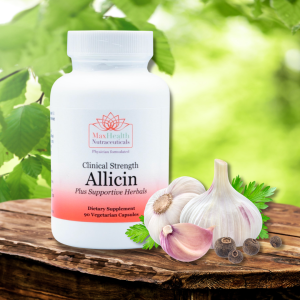
Allicin Plus 90s
Probiotic 40 Billion CFU – 60s (shelf stable)

Saccharomyces Boulardii 60s

GI Soothe (Powder) 168 Grams

SIBO/SIFO Support Bundle
Disclosure: This post contains affiliate links. If you purchase through these links, we may earn a small commission at no extra cost to you. Learn more.
About the Author
Dr. Nicolle is a double board-certified physician in Family Medicine and Preventive Medicine, with certifications in Functional Medicine and Lifestyle Medicine. She helps busy professionals over 40 optimize their health through root-cause approaches to cardiovascular, hormonal, and metabolic health.
Learn more about Dr. Nicolle →Explore Related Topics
Dive deeper into these connected health areas
Hormone Health
Hormones are the chemical messengers that regulate virtually every process in your body — from metab…
Explore ❤️Metabolic Health
Metabolic health sits at the intersection of blood sugar regulation, cardiovascular function, body c…
Explore 🌸Women's Health
Women's health encompasses a complex interplay of hormonal cycles, reproductive biology, and unique …
Explore 💪Men's Health
Men's health involves a unique interplay of hormonal balance, cardiovascular resilience, metabolic e…
Explore 🧠Mental Health
Mental health is deeply interconnected with hormonal balance, gut health, blood sugar regulation, an…
Explore 📖Skin & Hair Health
Your skin and hair are windows into your internal health. Chronic acne, eczema, psoriasis, and hair …
ExploreReady to Address Your Health Concerns?
Book a Discovery Offer consultation to discuss how our functional medicine approach can help you achieve your health goals.
Book Your Discovery Offer