Stress Management: Breaking the Chronic Stress Cycle

- Chronic stress is a measurable physiological state — not just 'feeling overwhelmed' — that increases risk for heart disease, diabetes, autoimmune conditions, and cognitive decline
- The physiological sigh (double inhale + long exhale) is the fastest evidence-based technique for real-time stress reduction
- Blood sugar instability is one of the most underrecognized stress amplifiers — every crash triggers a cortisol surge
- Ashwagandha (KSM-66, 300-600mg) has the strongest clinical evidence for reducing cortisol and anxiety among adaptogenic herbs
- High-intensity exercise can worsen chronic stress — nature walks, yoga, and moderate resistance training are more appropriate during HPA recovery
A 48-year-old attorney sat in my office describing a familiar constellation of symptoms: insomnia despite exhaustion, a 15-pound weight gain concentrated around her midsection, heart palpitations, digestive issues that appeared out of nowhere, and an anxiety she'd never experienced before turning 45. Her internist had run basic labs—everything "normal"—and offered an SSRI prescription. But she didn't feel normal. She felt like her body was betraying her.
When I ran a 4-point salivary cortisol test, the picture became clear. Her morning cortisol was flatlined, and her evening cortisol was elevated—an inverted rhythm that explained virtually every symptom she was experiencing. She didn't have a psychiatric disorder. She had a physiological stress response that had gone haywire after years of running on adrenaline.
This is the story of chronic stress, and it's one I see in my practice every single week.
What Chronic Stress Actually Does to Your Body
Stress is not an abstraction. It's a measurable, physiological cascade that affects every organ system. When you perceive a threat—whether it's a looming deadline, a difficult relationship, financial pressure, or even chronic sleep deprivation—your hypothalamic-pituitary-adrenal (HPA) axis activates.
The hypothalamus signals the pituitary, which signals the adrenals to release cortisol and adrenaline. Heart rate increases, blood pressure rises, blood sugar spikes to fuel muscles, digestion slows, and immune surveillance shifts. This is the fight-or-flight response, and it's brilliantly designed for acute threats.
The problem is that modern life delivers threats that never end. The tiger doesn't leave. Your inbox refills, the news cycle continues, the bills keep coming, and the cortisol keeps flowing. When the stress response becomes chronic, the consequences are profound and well-documented (1).
Chronic stress is not just "feeling overwhelmed." It is a measurable physiological state that increases your risk for heart disease, diabetes, autoimmune conditions, cognitive decline, and premature death. It requires the same clinical attention as any other medical condition.
The Downstream Effects of Chronic Stress
Hormonal Disruption
Cortisol sits at the top of the hormonal hierarchy. When cortisol is chronically elevated, it suppresses the production of virtually every other hormone. Thyroid function slows as the body converts T4 to reverse T3 rather than active T3. Reproductive hormones decline—testosterone drops in men, and progesterone drops in women as pregnenolone is diverted to cortisol production (the "pregnenolone steal"). Insulin resistance develops as cortisol promotes glucose release and fat storage simultaneously (2).
Gut Dysfunction
Stress directly impairs digestive function through the gut-brain axis. Cortisol reduces blood flow to the intestines, slows motility, weakens the gut barrier, and alters the microbiome composition. Research shows that psychological stress alone can increase intestinal permeability within hours, triggering systemic inflammation that further amplifies the stress response (3).
Immune Dysregulation
Acute stress temporarily boosts immune function. Chronic stress does the opposite. Sustained cortisol elevation suppresses natural killer cell activity, reduces secretory IgA, and shifts the immune system toward a pro-inflammatory Th1/Th17 dominant state. This is why chronically stressed individuals get sick more often and why stress is a known trigger for autoimmune flares (4).
Cardiovascular Damage
Chronic stress is an independent risk factor for cardiovascular disease. Elevated cortisol raises blood pressure, promotes arterial stiffness, increases visceral fat deposition, and creates a pro-thrombotic state. The INTERHEART study, spanning 52 countries, found that psychosocial stress accounted for approximately 30% of the attributable risk for heart attack—comparable to smoking (5).
Cognitive and Neurological Impact
The hippocampus and prefrontal cortex are densely populated with cortisol receptors. Chronic exposure shrinks the hippocampus (impairing memory and emotional regulation) while enlarging the amygdala (heightening anxiety and threat perception). This is why chronically stressed people experience brain fog, difficulty concentrating, and escalating anxiety—the brain is literally remodeling itself around the stress response (6).
| System | Acute Stress Effect | Chronic Stress Effect |
|---|---|---|
| Hormonal | Cortisol surge → energy & focus | HPA dysregulation, hormone suppression |
| Digestive | Temporary appetite suppression | Leaky gut, dysbiosis, IBS symptoms |
| Immune | Enhanced pathogen defense | Suppressed immunity, autoimmune risk |
| Cardiovascular | Increased cardiac output | Hypertension, arterial damage |
| Neurological | Heightened alertness | Hippocampal atrophy, anxiety, brain fog |
| Metabolic | Blood sugar mobilization | Insulin resistance, visceral fat gain |
Measuring Your Stress Response: Functional Testing
You can't manage what you don't measure. Standard blood tests rarely capture the nuances of stress physiology. Functional medicine uses targeted testing to map your individual stress pattern.
The DUTCH Test or 4-Point Salivary Cortisol
These tests measure cortisol at multiple time points throughout the day, revealing your diurnal rhythm. The pattern matters more than any single number. Common dysfunctional patterns include:
- Elevated flat: Cortisol stays high all day (early-stage chronic stress)
- Inverted rhythm: Low morning, high evening (advanced HPA dysfunction)
- Flatlined: Low throughout the day (late-stage burnout / adrenal dysfunction)
HRV (Heart Rate Variability)
Heart rate variability measures the variation between heartbeats and is one of the best real-time indicators of autonomic nervous system balance. Low HRV indicates sympathetic dominance (chronic stress state). Wearable devices like the Oura Ring, WHOOP, and Apple Watch now track HRV, making it accessible for daily monitoring.
Additional Markers
- DHEA-S: Often depleted in chronic stress; the cortisol-to-DHEA ratio is clinically informative
- Neurotransmitter testing: Serotonin, GABA, dopamine, and norepinephrine can be assessed via urinary organic acids
- Inflammatory markers: hs-CRP and cytokine panels reveal stress-driven inflammation
- Thyroid panel: Including reverse T3, which rises with chronic stress
- Blood sugar markers: Fasting insulin and HOMA-IR detect stress-driven metabolic dysfunction
The Five Pillars of Functional Stress Management
1. Nervous System Regulation
The most overlooked aspect of stress management is training the nervous system to shift out of sympathetic dominance. This isn't about thinking positive thoughts—it's about activating the vagus nerve and engaging the parasympathetic "rest and repair" system through specific physiological interventions.
Evidence-based techniques:
- Box breathing (4-4-4-4): Inhale 4 seconds, hold 4, exhale 4, hold 4. Studies show this reduces cortisol and blood pressure within minutes (7)
- Physiological sighing: A double inhale through the nose followed by a long exhale through the mouth. Stanford research demonstrated this is the most efficient single breathing technique for real-time stress reduction (8)
- Cold exposure: 30 seconds to 2 minutes of cold water exposure activates the vagus nerve and shifts the autonomic balance toward parasympathetic
- Humming or chanting: Vibration of the vocal cords directly stimulates the vagus nerve
The physiological sigh (double inhale + long exhale) is the fastest evidence-based technique for lowering stress in real time. Stanford research showed it outperformed meditation, box breathing, and cyclic hyperventilation for reducing physiological stress markers. It takes 30 seconds.
2. Sleep as Medicine
Sleep is not a luxury; it is the primary recovery mechanism for the stress response system. During deep sleep, the glymphatic system clears metabolic waste from the brain, cortisol drops to its lowest point, growth hormone peaks, and the HPA axis resets.
Chronically stressed individuals often develop a cruel paradox: they're exhausted but can't sleep because elevated evening cortisol keeps the brain in alert mode. Breaking this cycle requires:
- Consistent sleep-wake times (even on weekends) to anchor circadian rhythm
- No screens 60-90 minutes before bed (blue light suppresses melatonin)
- Cool bedroom temperature (65-68°F / 18-20°C)
- Morning sunlight exposure within 30 minutes of waking to set the cortisol awakening response
- Magnesium glycinate (200-400mg before bed) to support GABA activity and muscle relaxation
3. Movement—But the Right Kind
Exercise is a powerful stress modulator, but intensity matters. For someone in a state of HPA axis dysfunction, high-intensity training can actually worsen cortisol dysregulation. The body doesn't distinguish between the stress of a HIIT workout and the stress of a crisis at work—it's all cortisol.
Stress-appropriate exercise recommendations:
- Walking in nature: 20-30 minutes daily. Research shows nature walks reduce cortisol by 12-16% more than urban walks (9)
- Yoga: Multiple studies confirm yoga reduces cortisol, lowers inflammatory markers, and improves HRV
- Resistance training: 2-3 sessions per week at moderate intensity supports metabolic health without overtaxing the HPA axis
- Avoid: Extended endurance training and daily high-intensity sessions during recovery. Save these for after HPA axis function normalizes
Explore our fitness programs for structured routines designed to support recovery without overtaxing your stress system.
4. Nutritional Support for Stress Resilience
What you eat directly impacts your stress physiology. Blood sugar instability is one of the most common and underrecognized stress amplifiers—every blood sugar crash triggers a cortisol surge to mobilize glucose.
Anti-stress nutrition principles:
- Stabilize blood sugar: Pair protein with every meal and snack. Avoid isolated carbohydrates, especially in the morning
- Increase magnesium-rich foods: Dark leafy greens, pumpkin seeds, dark chocolate, avocados. Magnesium is depleted during stress and is essential for GABA production
- Omega-3 fatty acids: Wild-caught fish, walnuts, flaxseed. EPA and DHA reduce neuroinflammation and improve HRV
- B vitamins: Particularly B5 (pantothenic acid), B6, and B12, which are co-factors in cortisol production and neurotransmitter synthesis
- Adaptogenic herbs: Ashwagandha (300-600mg KSM-66 extract) has the strongest evidence for reducing cortisol and anxiety. Rhodiola supports mental stamina. Holy basil (tulsi) modulates the stress response
- Limit caffeine: Caffeine elevates cortisol by 30% or more. If you drink coffee, wait 90 minutes after waking and stop by noon
Check out our anti-inflammatory meal plans for structured nutrition that supports stress recovery.
5. Cognitive and Lifestyle Restructuring
Physiology matters, but so does the psychological environment you create. The goal isn't to eliminate stress entirely—that's neither possible nor desirable. Acute stress builds resilience. The goal is to eliminate unnecessary chronic stressors and build recovery into daily life.
Practical strategies:
- Audit your stress load: Write down every source of stress in your life. Categorize each as changeable or unchangeable. Focus energy exclusively on what you can change
- Time-block recovery: Schedule non-negotiable rest the way you schedule meetings. Recovery that isn't planned doesn't happen
- Digital boundaries: Set specific times for email and social media. Constant connectivity keeps the nervous system in alert mode
- Social connection: Oxytocin, released during positive social interaction, directly counteracts cortisol. Prioritize in-person connection over digital
- Meaning and purpose: People who feel their work is meaningful show lower cortisol responses to the same stressors. This isn't woo—it's measurable physiology
Building a Personalized Stress Recovery Plan
Stress management isn't one-size-fits-all. The 30-year-old with new-onset anxiety needs a different approach than the 55-year-old executive with a flatlined cortisol curve and chronic fatigue.
Phase 1 (Weeks 1-4): Foundation
- Test cortisol rhythm (DUTCH or 4-point salivary)
- Implement sleep hygiene protocol
- Begin daily vagus nerve activation (physiological sighing, 5 minutes 2x/day)
- Stabilize blood sugar with protein-rich breakfast and regular meals
- Begin magnesium supplementation
Phase 2 (Weeks 5-8): Deepening
- Add adaptogenic herbs based on test results
- Introduce appropriate exercise (walking, yoga, moderate resistance training)
- Audit and restructure daily stressors
- Address any gut issues identified through functional testing
Phase 3 (Months 3-6): Optimization
- Retest cortisol to assess improvement
- Gradually increase exercise intensity as HPA function normalizes
- Fine-tune supplementation
- Build sustainable lifestyle habits that prevent relapse
When Stress Management Isn't Enough
Sometimes the stress response has been running so long that the damage requires more targeted intervention. If you have an inverted cortisol rhythm, significant thyroid dysfunction, severe hormonal depletion, or autoimmune activation, you likely need a comprehensive functional medicine workup, not just lifestyle changes.
That attorney I mentioned at the beginning? After three months on a structured protocol (cortisol rhythm correction, sleep optimization, adaptogenic support, dietary restructuring, and twice-weekly yoga), her cortisol rhythm had normalized. The insomnia resolved. She lost 12 pounds without dieting. The heart palpitations stopped. And the anxiety that had seemed to appear from nowhere disappeared as quietly as it came.
She didn't need an SSRI. She needed someone to recognize that her symptoms were the logical consequence of a stress physiology that had been running unchecked for years, and to provide a systematic plan for resetting it.
If you recognize yourself in this article, you're not imagining things, and you're not "just stressed." Your body is sending you signals that deserve a clinical response. Take our Wellness Quiz to identify your biggest opportunities, or book a Discovery Offer to discuss your stress pattern with me directly.
---
References
- McEwen BS. Neurobiological and systemic effects of chronic stress. Chronic Stress. 2017;1:2470547017692328. https://doi.org/10.1177/2470547017692328
- Ranabir S, Reetu K. Stress and hormones. Indian Journal of Endocrinology and Metabolism. 2011;15(1):18-22. https://doi.org/10.4103/2230-8210.77573
- Vanuytsel T, et al. Psychological stress and corticotropin-releasing hormone increase intestinal permeability in humans by a mast cell-dependent mechanism. Gut. 2014;63(8):1293-1299. https://doi.org/10.1136/gutjnl-2013-305690
- Dhabhar FS. Effects of stress on immune function: the good, the bad, and the beautiful. Immunologic Research. 2014;58(2-3):193-210. https://doi.org/10.1007/s12026-014-8517-0
- Yusuf S, et al. Effect of potentially modifiable risk factors associated with myocardial infarction in 52 countries (the INTERHEART study). The Lancet. 2004;364(9438):937-952. https://doi.org/10.1016/S0140-6736(04)17018-9
- Lupien SJ, et al. Effects of stress throughout the lifespan on the brain, behaviour and cognition. Nature Reviews Neuroscience. 2009;10(6):434-445. https://doi.org/10.1038/nrn2639
- Ma X, et al. The effect of diaphragmatic breathing on attention, negative affect and stress in healthy adults. Frontiers in Psychology. 2017;8:874. https://doi.org/10.3389/fpsyg.2017.00874
- Balban MY, et al. Brief structured respiration practices enhance mood and reduce physiological arousal. Cell Reports Medicine. 2023;4(1):100895. https://doi.org/10.1016/j.xcrm.2022.100895
- Park BJ, et al. The physiological effects of Shinrin-yoku: evidence from field experiments in 24 forests across Japan. Environmental Health and Preventive Medicine. 2010;15(1):18-26. https://doi.org/10.1007/s12199-009-0086-9
Supplements for Mental Wellness
Clinical-grade picks for this topic

RESPeRATE Deluxe Duo
$399.95

Inner Balance™ Coherence Plus
$249.00

Thera360 PLUS Portable Sauna
$1,428.00
Affiliate disclosure: The product links below are affiliate links — we may earn a commission at no extra cost to you. Recommendations are based on clinical use, not commissions. Learn more.
Frequently Asked Questions
Common questions about stress management: breaking the chronic stress cycle
Recommended Supplements
Professional-grade supplements from my MaxHealth Nutraceuticals line — the same formulas I use in clinical practice.
RESPeRATE Deluxe Duo
Inner Balance™ Coherence Plus
Thera360 PLUS Portable Sauna

TheraFrost Cold Plunge

SMART Yoga Mat (Green)
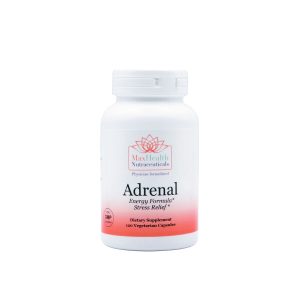
Adrenal (Energy & Stress) 120 Capsules

Multi Mag
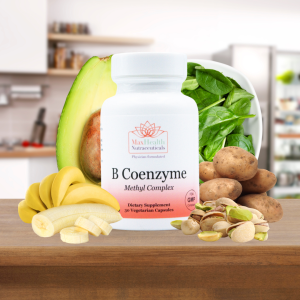
B Coenzyme Methyl Complex
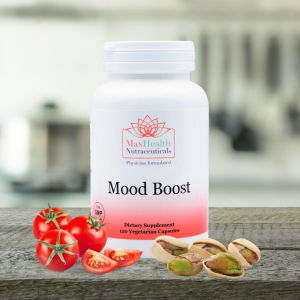
Mood Boost 120s
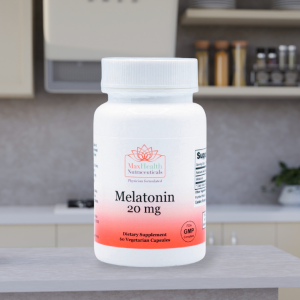
Melatonin 20mg 60s (Capsules)
Omega Ultra TG
Calm & Relaxed 90s
Mushroom Complex 60s
Stress Release Bundle
Disclosure: This post contains affiliate links. If you purchase through these links, we may earn a small commission at no extra cost to you. Learn more.
About the Author
Dr. Nicolle is a double board-certified physician in Family Medicine and Preventive Medicine, with certifications in Functional Medicine and Lifestyle Medicine. She helps busy professionals over 40 optimize their health through root-cause approaches to cardiovascular, hormonal, and metabolic health.
Learn more about Dr. Nicolle →Explore Related Topics
Dive deeper into these connected health areas
Hormone Health
Hormones are the chemical messengers that regulate virtually every process in your body — from metab…
Explore 🦠Gut Health
Your gut is far more than a digestive organ — it's home to 70% of your immune system, produces key n…
Explore ❤️Metabolic Health
Metabolic health sits at the intersection of blood sugar regulation, cardiovascular function, body c…
Explore 🌸Women's Health
Women's health encompasses a complex interplay of hormonal cycles, reproductive biology, and unique …
Explore 📖Skin & Hair Health
Your skin and hair are windows into your internal health. Chronic acne, eczema, psoriasis, and hair …
ExploreReady to Address Your Health Concerns?
Book a Discovery Offer consultation to discuss how our functional medicine approach can help you achieve your health goals.
Book Your Discovery Offer