Supplements That Actually Work: Evidence-Based Guide

- Most supplements people take are unnecessary, underdosed, or poorly absorbed — testing before supplementing is the single most important principle for building an effective protocol
- Tier 1 essentials (magnesium, vitamin D3+K2, omega-3s, probiotics) address the most common deficiencies and have the strongest research base for broad health benefits
- Tier 2 powerhouses (methylated B-complex, CoQ10, NAC, berberine, adaptogens) are condition-specific and should be matched to your individual testing results and symptoms
- Form matters enormously: magnesium glycinate vs. oxide, methylfolate vs. folic acid, ubiquinol vs. ubiquinone, and triglyceride-form fish oil vs. ethyl ester can mean the difference between therapeutic effect and expensive urine
- 30-40% of supplements don't contain what the label claims — look for third-party testing (NSF, USP, IFOS), GMP certification, and professional-grade brands that prioritize quality over marketing
Let me start with an uncomfortable truth: most supplements people take are either unnecessary, underdosed, poorly absorbed, or solving a problem they don't actually have. The supplement industry generates over $50 billion annually in the United States alone, and much of that revenue comes from marketing, not science.
But here's the equally important flip side: certain supplements, taken at the right dose, in the right form, for the right person, based on actual testing, can be genuinely transformative. I've seen targeted supplementation resolve chronic fatigue, normalize thyroid function, reverse insulin resistance, eliminate brain fog, and restore hormonal balance when the root cause was a specific deficiency.
The difference between wasting money and changing your health comes down to three things: testing before supplementing, choosing evidence-based forms and doses, and using supplements to fill specific gaps rather than as a substitute for foundational health practices.
The Foundation: Why Most People Are Deficient
Before we discuss specific supplements, we need to understand why deficiencies are so common even among health-conscious people:
- Depleted soils: Industrial farming practices have reduced the mineral content of crops by 20-40% over the past 70 years (1)
- Food processing: Refining grains strips magnesium, zinc, and B vitamins. Cooking reduces heat-sensitive nutrients
- Chronic stress: Stress burns through magnesium, B vitamins, and vitamin C at accelerated rates
- Gut dysfunction: Even if you eat perfectly, impaired absorption from gut inflammation, low stomach acid, or dysbiosis means nutrients aren't getting into your cells
- Medications: Proton pump inhibitors deplete magnesium, B12, and iron. Statins deplete CoQ10. Metformin depletes B12. Oral contraceptives deplete B6, folate, and zinc
- Environmental toxins: Detoxification processes consume glutathione, B vitamins, and sulfur-containing amino acids
Testing before supplementing is the single most important principle in functional medicine supplementation. A supplement protocol built on guesswork is just expensive urine. A protocol built on lab data can be targeted, efficient, and genuinely therapeutic.
Tier 1: The Evidence-Based Essentials
These supplements have the strongest research support and address the most common deficiencies I see in clinical practice. Even so, doses should be individualized based on testing.
Magnesium
Magnesium is involved in over 600 enzymatic reactions. An estimated 50-70% of Americans are deficient (2). Deficiency contributes to:
- Muscle cramps, tension, and restless legs
- Insomnia and poor sleep quality
- Anxiety and nervousness
- Heart palpitations and arrhythmias
- High blood pressure
- Insulin resistance
- Constipation
- Migraines and headaches
Best forms:
- Magnesium glycinate: Best for sleep, anxiety, and general deficiency (highly bioavailable, gentle on the gut)
- Magnesium L-threonate: Best for cognitive function and brain health (crosses the blood-brain barrier)
- Magnesium citrate: Best for constipation (osmotic effect)
- Magnesium taurate: Best for cardiovascular support
Avoid: Magnesium oxide — only 4% bioavailability.
Dose: 300-600mg elemental magnesium daily, divided into doses. Start low to avoid loose stools.
Test: RBC magnesium (not serum magnesium, which is unreliable). Optimal range: 5.5-6.5 mg/dL.
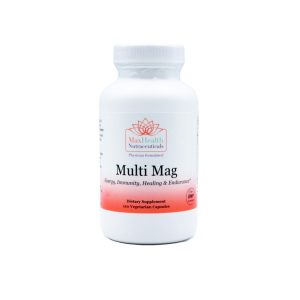
My Pick: I formulated Multi Mag specifically to include the most bioavailable forms of magnesium — glycinate, taurate, and malate — in one convenient supplement. It's what I use in my own clinical practice and personally take every day. Shop Multi Mag →
Vitamin D3
More a hormone precursor than a vitamin, D3 deficiency affects an estimated 42% of U.S. adults and up to 82% of Black Americans (3). Low vitamin D is associated with:
- Immune dysfunction (increased infection susceptibility and autoimmune risk)
- Depression and seasonal affective disorder
- Osteoporosis and fracture risk
- Insulin resistance and metabolic syndrome
- Cardiovascular disease
- Cancer (particularly colorectal, breast, and prostate)
Form: Vitamin D3 (cholecalciferol), not D2. Always take with fat for absorption. Pair with K2 (MK-7) to direct calcium to bones and away from arteries.
Dose: Highly individualized based on serum levels. General ranges:
- Maintenance: 2,000-4,000 IU daily
- Repletion (if deficient): 5,000-10,000 IU daily for 8-12 weeks, then retest
- Optimal serum level: 50-80 ng/mL (not the conventional "adequate" cutoff of 30)
Test: 25-hydroxy vitamin D. This is a routine, inexpensive blood test.
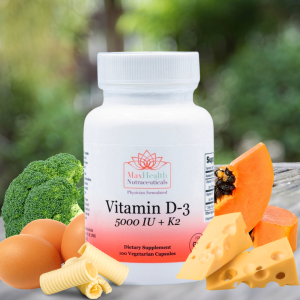
My Pick: My Vitamin D3 5000 IU + K2 Capsules combine D3 with vitamin K2 (MK-7) in the exact pairing I recommend — so calcium goes to your bones, not your arteries. Shop Vitamin D3 + K2 →
Omega-3 Fatty Acids (EPA/DHA)
The standard American diet provides a wildly inflammatory omega-6 to omega-3 ratio of approximately 15:1 to 25:1 (optimal is closer to 2:1 to 4:1). Omega-3 supplementation is one of the most well-researched interventions in medicine:
- Anti-inflammatory: EPA and DHA reduce inflammatory cytokines, prostaglandins, and leukotrienes
- Cardiovascular: Multiple meta-analyses show reduced cardiovascular events, particularly at higher doses (4)
- Brain health: DHA is the primary structural fat in the brain, essential for cognitive function and mood regulation
- Joint health: Reduces pain and stiffness in inflammatory arthritis
- Hormonal: Supports healthy progesterone production and reduces androgen excess in PCOS
Form: Triglyceride form fish oil (not ethyl ester) for better absorption. Look for third-party tested products (IFOS certification).
Dose: 2,000-4,000mg combined EPA/DHA daily. Higher doses (up to 4g) for cardiovascular or inflammatory conditions. EPA-dominant formulas for mood and inflammation; DHA-dominant for brain and neurological support.
Test: Omega-3 Index (target: 8-12%). This measures EPA and DHA as a percentage of total red blood cell fatty acids.
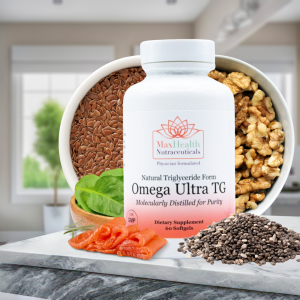
My Pick: My Omega Ultra TG delivers high-potency EPA and DHA in the superior triglyceride form for maximum absorption. It's third-party tested for purity and potency. Shop Omega Ultra TG →
| Supplement | Best Form | Dose Range | Key Test |
|---|---|---|---|
| Magnesium | Glycinate / L-threonate | 300-600mg/day | RBC Magnesium |
| Vitamin D3 + K2 | D3 (cholecalciferol) + MK-7 | 2,000-10,000 IU/day | 25-OH Vitamin D |
| Omega-3 (EPA/DHA) | Triglyceride form fish oil | 2-4g combined/day | Omega-3 Index |
| Probiotics | Multi-strain, evidence-based | 25-100 billion CFU | GI-MAP / stool analysis |
Probiotics
The gut microbiome influences virtually every aspect of health. Probiotic supplementation can be beneficial, but the "right" probiotic depends entirely on what's going on in your gut. This is where most people go wrong — they grab whatever probiotic is on sale without knowing whether their gut needs that particular strain.
Evidence-based strains:
- Lactobacillus rhamnosus GG: Best-studied strain for gut barrier integrity and immune support
- Saccharomyces boulardii: A beneficial yeast that prevents antibiotic-associated diarrhea and helps clear *C. difficile*
- Bifidobacterium lactis: Supports immune function and reduces bloating
- Lactobacillus plantarum: Shown to reduce IBS symptoms and support gut barrier function
- VSL#3 (multi-strain): Evidence for ulcerative colitis and IBS
Dose: 25-100 billion CFU daily, depending on the condition being treated.
Test: Comprehensive stool analysis (GI-MAP or similar) to identify dysbiosis patterns before selecting a probiotic strain.
My Pick: My Probiotic 40 Billion CFU is shelf-stable (no refrigeration needed), multi-strain, and formulated with clinically studied strains for broad gut support. Shop Probiotic →
Tier 2: Condition-Specific Powerhouses
These supplements have strong evidence for specific conditions and should be used when testing or symptoms indicate a need.
B-Complex (Methylated)
B vitamins are critical cofactors for energy production, methylation, detoxification, neurotransmitter synthesis, and hormone metabolism. The key issue: approximately 40% of the population carries MTHFR gene variants that impair the conversion of folic acid to its active form (methylfolate).
Why methylated forms matter:
- Methylfolate (5-MTHF) instead of folic acid: Active form that bypasses MTHFR enzyme
- Methylcobalamin or hydroxocobalamin instead of cyanocobalamin: Active B12 forms
- Pyridoxal-5-phosphate (P5P) instead of pyridoxine: Active vitamin B6
Indications: Fatigue, mood disorders, elevated homocysteine, preconception planning, hormonal imbalances, detoxification support.
Test: Serum B12 (optimal: >600 pg/mL), methylmalonic acid (functional B12 marker), homocysteine (optimal: <8 μmol/L), and MTHFR genotyping.
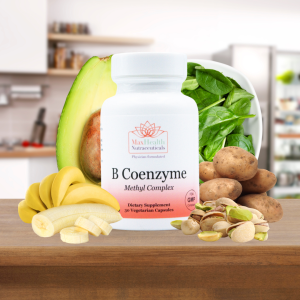
My Pick: My B Coenzyme Methyl Complex uses exclusively methylated, coenzymated B vitamins — methylfolate, methylcobalamin, and P5P — so they're ready for your body to use immediately, even with MTHFR variants. Shop B Methyl Complex →
CoQ10 (Ubiquinol)
Coenzyme Q10 is essential for mitochondrial energy production and acts as a powerful antioxidant. Your body produces less CoQ10 with age, and statins significantly deplete it.
Indications:
- Anyone on a statin medication (mandatory co-supplementation)
- Chronic fatigue and mitochondrial dysfunction
- Heart failure (the Q-SYMBIO trial showed 43% reduction in cardiovascular events at 300mg/day) (5)
- Fertility support (improves egg and sperm quality)
- Migraine prevention
Form: Ubiquinol (reduced form) is significantly better absorbed than ubiquinone, especially after age 40.
Dose: 100-300mg daily with food.
My Pick: My CoQ10 uses the ultra-high-absorption ubiquinol form for superior bioavailability. Essential if you're over 40 or on a statin. Shop CoQ10 →
NAC (N-Acetyl Cysteine)
The precursor to glutathione — your body's master antioxidant and primary detoxification molecule. NAC is one of the most versatile supplements available.
Indications:
- Detoxification and environmental toxin exposure
- Liver health (used in emergency rooms for acetaminophen overdose)
- Respiratory health (thins mucus, supports lung function)
- Mental health (evidence for OCD, bipolar disorder, addiction)
- Insulin resistance and PCOS (improves insulin sensitivity and ovulation)
- Fertility (improves egg and sperm quality)
Dose: 600-1800mg daily, divided into 2-3 doses.
My Pick: My NAC 90s provides clinical-strength N-Acetyl Cysteine for immune, lung, and detoxification support. One of the most versatile supplements in my dispensary. Shop NAC →
Berberine
A plant alkaloid with an impressive evidence base rivaling some pharmaceutical drugs:
- Blood sugar: Reduces fasting glucose and HbA1c comparably to metformin in several head-to-head studies (6)
- Lipids: Lowers LDL cholesterol, triglycerides, and ApoB through a mechanism different from statins (upregulates LDL receptors)
- Gut health: Antimicrobial properties that help address SIBO and dysbiosis
- PCOS: Improves insulin resistance, reduces androgens, and supports ovulation
- Weight: Activates AMPK (the metabolic master switch)
Dose: 500mg two to three times daily with meals.
Berberine can interact with medications metabolized by the CYP2D6 and CYP3A4 enzymes. It should not be taken with cyclosporine, and caution is needed with blood sugar-lowering medications (risk of hypoglycemia). Always discuss with your healthcare provider before starting berberine, especially if you take prescription medications.
My Pick: My Berberine Herbal Complex 90s delivers ultra-high-potency berberine in a synergistic herbal formula for blood sugar, cholesterol, and metabolic support. Shop Berberine →
Adaptogens
Adaptogens are botanical compounds that help your body adapt to stress by modulating the HPA axis. The evidence varies by herb:
Strongest evidence:
- Ashwagandha (KSM-66 or Sensoril extracts): Reduces cortisol by 23-30% in studies, improves sleep, reduces anxiety, and increases testosterone in men (7)
- Rhodiola rosea: Reduces mental and physical fatigue, improves exercise performance, and supports cognitive function under stress
Good evidence:
- Holy basil (Tulsi): Reduces cortisol, supports blood sugar regulation, and has anti-inflammatory properties
- Maca: Improves libido, energy, and hormonal balance (particularly in perimenopausal women)
Dose: Varies by extract. Use standardized extracts from reputable manufacturers. Ashwagandha KSM-66: 600mg/day; Rhodiola: 200-400mg/day.
My Pick: My Adrenal (Energy & Stress) Formula combines ashwagandha with other adaptogenic herbs for comprehensive adrenal and stress support. Shop Adrenal Formula →
Tier 3: Overhyped or Context-Dependent
These supplements are commonly marketed but have limited evidence, work only in specific contexts, or are frequently taken unnecessarily.
Collagen
The evidence for oral collagen supplementation is growing but still limited. Some studies show modest improvements in skin elasticity and joint pain, but:
- Collagen peptides are broken down into amino acids during digestion — your body decides where they go
- The same amino acids (glycine, proline, hydroxyproline) are available from bone broth and high-protein diets
- Verdict: May help skin and joints, but not the miracle supplement marketing suggests. Reasonable to try for 3 months if you have specific skin or joint concerns.
Turmeric / Curcumin
Curcumin is a powerful anti-inflammatory compound, but:
- Bioavailability is extremely poor without piperine (black pepper extract) or lipid formulations
- Most studies use doses of 500-2000mg of curcumin (not turmeric), which requires concentrated supplements
- Many products are underdosed or use poorly absorbed forms
- Verdict: Evidence-based for inflammation and joint pain when using bioavailable forms (e.g., Meriva, Longvida, or curcumin with piperine) at adequate doses. Random turmeric capsules from the grocery store? Probably not doing much.
Multivitamins
The elephant in the supplement room. Despite being the most commonly taken supplement:
- Multiple large trials (PHS-II, COSMOS) show no significant benefit for cardiovascular disease or cancer prevention in well-nourished populations
- Multivitamins use generic forms (folic acid instead of methylfolate, cyanocobalamin instead of methylcobalamin, magnesium oxide instead of glycinate)
- "One-size-fits-all" doses rarely match individual needs
- Verdict: A high-quality multivitamin is reasonable as "nutritional insurance" for people who don't eat well, but it's not a substitute for targeted supplementation based on testing. And most drugstore multivitamins are poorly formulated.
Biotin
Heavily marketed for hair, skin, and nails, but:
- True biotin deficiency is rare
- Doses above 5mg interfere with lab tests (falsely elevating thyroid hormone levels and lowering TSH readings), which can lead to misdiagnosis
- Evidence for hair growth is limited to cases of actual deficiency
- Verdict: Only supplement if you have confirmed deficiency. Stop biotin supplements at least 48 hours before any lab work.
How to Build Your Protocol
Step 1: Test, Don't Guess
The following tests form the foundation of an evidence-based supplement protocol:
- Comprehensive metabolic panel (basic chemistry, liver, and kidney function)
- RBC magnesium (not serum)
- 25-hydroxy vitamin D
- Iron panel (ferritin, serum iron, TIBC, transferrin saturation)
- B12 and methylmalonic acid
- Homocysteine
- Omega-3 Index
- Full thyroid panel (TSH, Free T3, Free T4, thyroid antibodies)
- Fasting insulin and HOMA-IR
- hs-CRP (inflammatory marker)
Step 2: Address Foundational Deficiencies First
Start with what's actually deficient. Most people benefit from:
1. Magnesium (the most common deficiency)
2. Vitamin D3 + K2 (especially if living above 35° latitude)
3. Omega-3s (if eating fatty fish fewer than 3 times per week)
Step 3: Layer in Condition-Specific Supplements
Based on symptoms and testing:
- Insulin resistance → Berberine, chromium, alpha-lipoic acid
- Hormonal imbalance → Adaptogenic herbs, DIM, seed cycling
- Gut dysfunction → Targeted probiotics, L-glutamine, digestive enzymes
- Detoxification needs → NAC, glutathione, calcium-D-glucarate
- Cardiovascular risk → CoQ10, omega-3s (higher dose), berberine
- Fatigue → CoQ10, B-complex, iron (if deficient), adaptogens
Step 4: Reassess in 90 Days
Retest relevant markers after 90 days to confirm improvement and adjust doses. Don't just keep adding supplements indefinitely — every supplement should have a reason, a target, and a reassessment date.
Quality Matters: How to Choose Supplements
The supplement industry is largely unregulated. Independent testing by ConsumerLab and others consistently finds that 30-40% of supplements don't contain what the label claims. Here's how to protect yourself:
- Third-party testing: Look for NSF International, USP, or IFOS (for fish oil) certifications
- GMP certification: Ensures manufacturing quality standards
- Transparent labeling: Active ingredient amounts clearly listed (not hidden in "proprietary blends")
- Appropriate forms: Methylfolate not folic acid; ubiquinol not ubiquinone; glycinate not oxide; triglyceride-form fish oil not ethyl ester
- Professional-grade brands: Companies that sell primarily through healthcare practitioners tend to have higher quality standards
The three rules of evidence-based supplementation: (1) Test before you supplement — guessing wastes money and may cause harm. (2) Use the right form at the right dose — generic, poorly absorbed forms in random doses don't work. (3) Reassess in 90 days — every supplement needs a reason, a target, and a timeline.
The Bottom Line
Supplements are tools, not magic bullets. They work best when they fill a specific, measurable gap — and work poorly when used as a blanket approach based on marketing claims. The $50 billion supplement industry thrives on the hope that a pill can replace the fundamentals of health: whole foods, adequate sleep, regular movement, stress management, and community.
But when testing reveals a specific deficiency or imbalance, the right supplement at the right dose can make a dramatic difference. I've seen magnesium supplementation resolve years of insomnia in a week. I've seen vitamin D repletion transform winter depression. I've seen berberine normalize blood sugar readings that metformin barely touched.
The key is precision. Test, don't guess. Choose quality over quantity. And always build supplements on top of a solid foundation, never as a replacement for one.
That's exactly why I created MaxHealth Nutraceuticals — my own professional-grade supplement line formulated with the bioavailable forms, therapeutic doses, and quality standards I discuss throughout this guide. Every product is what I personally use and recommend in my clinical practice. Browse the full MaxHealth Nutraceuticals collection →
If you'd like to build an evidence-based supplement protocol tailored to your biology, our Discovery Offer includes comprehensive lab testing and a personalized supplement plan. You can also take our Wellness Quiz to identify your biggest health priorities.
---
References
- Davis, D.R., Epp, M.D., & Riordan, H.D. (2004). Changes in USDA food composition data for 43 garden crops, 1950 to 1999. Journal of the American College of Nutrition, 23(6), 669-682.
- Rosanoff, A., Weaver, C.M., & Rude, R.K. (2012). Suboptimal magnesium status in the United States: are the health consequences underestimated? Nutrition Reviews, 70(3), 153-164.
- Forrest, K.Y. & Stuhldreher, W.L. (2011). Prevalence and correlates of vitamin D deficiency in US adults. Nutrition Research, 31(1), 48-54.
- Hu, Y., Hu, F.B., & Manson, J.E. (2019). Marine omega-3 supplementation and cardiovascular disease: an updated meta-analysis of 13 randomized controlled trials. Heart, 107(2), 150-158.
- Mortensen, S.A., Rosenfeldt, F., Kumar, A., et al. (2014). The effect of coenzyme Q10 on morbidity and mortality in chronic heart failure. JACC: Heart Failure, 2(6), 641-649.
- Yin, J., Xing, H., & Ye, J. (2008). Efficacy of berberine in patients with type 2 diabetes mellitus. Metabolism, 57(5), 712-717.
- Chandrasekhar, K., Kapoor, J., & Anishetty, S. (2012). A prospective, randomized double-blind, placebo-controlled study of safety and efficacy of a high-concentration full-spectrum extract of ashwagandha root. Indian Journal of Psychological Medicine, 34(3), 255-262.
Supplements for Functional Wellness
Clinical-grade picks for this topic
Affiliate disclosure: The product links below are affiliate links — we may earn a commission at no extra cost to you. Recommendations are based on clinical use, not commissions. Learn more.
Frequently Asked Questions
Common questions about supplements that actually work: evidence-based guide
Recommended Supplements
Professional-grade supplements from my MaxHealth Nutraceuticals line — the same formulas I use in clinical practice.

Austin Air HealthMate Plus®
Multi Mag
Vitamin D3 5000 IU + K2 CAPSULES 100s
Omega Ultra TG

Probiotic 40 Billion CFU – 60s (shelf stable)
B Coenzyme Methyl Complex
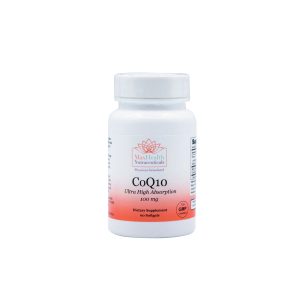
CoQ10
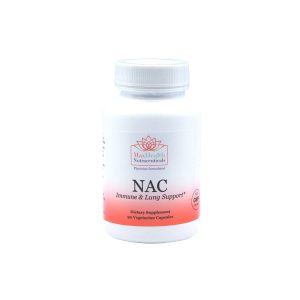
NAC 90s
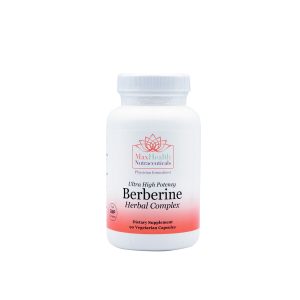
Berberine Herbal Complex 90s
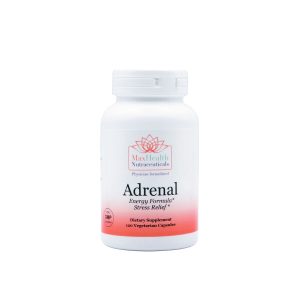
Adrenal (Energy & Stress) 120 Capsules
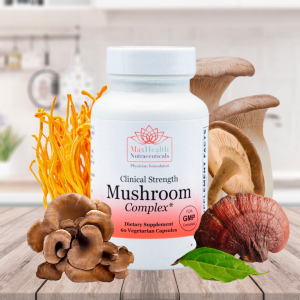
Mushroom Complex 60s
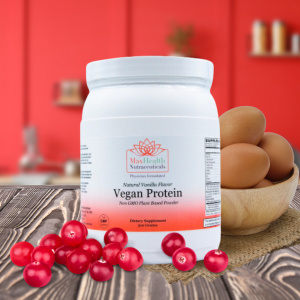
Vegan Protein Vanilla 510 Grams
Whey Protein Vanilla 12 oz
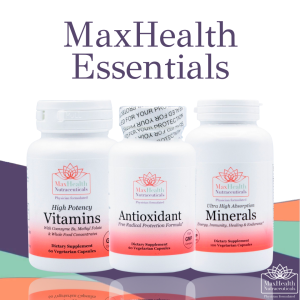
MaxHealth Essentials Bundle
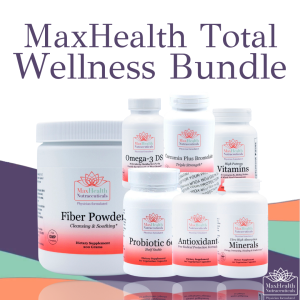
MaxHealth Total Wellness Bundle
Disclosure: This post contains affiliate links. If you purchase through these links, we may earn a small commission at no extra cost to you. Learn more.
About the Author
Dr. Nicolle is a double board-certified physician in Family Medicine and Preventive Medicine, with certifications in Functional Medicine and Lifestyle Medicine. She helps busy professionals over 40 optimize their health through root-cause approaches to cardiovascular, hormonal, and metabolic health.
Learn more about Dr. Nicolle →Explore Related Topics
Dive deeper into these connected health areas
Gut Health
Your gut is far more than a digestive organ — it's home to 70% of your immune system, produces key n…
Explore 🌸Women's Health
Women's health encompasses a complex interplay of hormonal cycles, reproductive biology, and unique …
Explore 🧠Mental Health
Mental health is deeply interconnected with hormonal balance, gut health, blood sugar regulation, an…
Explore 📖Skin & Hair Health
Your skin and hair are windows into your internal health. Chronic acne, eczema, psoriasis, and hair …
ExploreReady to Address Your Health Concerns?
Book a Discovery Offer consultation to discuss how our functional medicine approach can help you achieve your health goals.
Book Your Discovery Offer