Detox & Liver Health: Natural Detoxification Pathways

- Your liver runs Phase I and Phase II detox pathways 24/7 — commercial cleanses don't help
- Environmental toxin exposure is unavoidable — supporting detox pathways is the realistic approach
- Cruciferous vegetables, sulfur-rich foods, and adequate protein fuel both phases of liver detox
- Estrogen is detoxified through the same liver pathways — impaired detox worsens hormonal symptoms
The word "detox" makes most physicians cringe, and honestly, I understand why. The wellness industry has co-opted a legitimate biological process and turned it into a marketing machine selling overpriced juice cleanses and miracle supplements. But here's what gets lost in the backlash: your body's detoxification systems are real, they matter enormously, and in the modern world, they're under unprecedented strain.
Your liver processes every toxin you breathe, eat, drink, and absorb through your skin. It metabolizes hormones, medications, alcohol, pesticides, heavy metals, mold toxins, and the byproducts of your own metabolism. When these systems work well, you feel energized, clear-headed, and hormonally balanced. When they're overwhelmed or impaired, the downstream effects touch virtually every system in the body.
Your liver runs a two-phase detox system. Phase I activates toxins (making them temporarily MORE reactive), and Phase II conjugates them for elimination. If Phase I outpaces Phase II — common with genetic variants or nutrient deficiencies — toxic intermediates accumulate and cause more damage than the original toxin.
How Liver Detoxification Actually Works
Detoxification is not a single event; it's a multi-phase biochemical process that transforms fat-soluble toxins into water-soluble compounds that can be excreted through urine, bile, and stool. Understanding these phases is essential for supporting them effectively (1).
| Phase | Function | Key Nutrients Required |
|---|---|---|
| Phase I (Activation) | Converts toxins into reactive intermediates | B vitamins, glutathione, antioxidants, milk thistle |
| Phase II (Conjugation) | Neutralizes intermediates for excretion | Sulfur (garlic/onions), amino acids, magnesium, B12/folate |
| Phase III (Elimination) | Transports waste out of cells & body | Water, fiber, bile support, binders |
Phase I: Activation (Cytochrome P450 System)
Phase I detoxification uses a family of enzymes called cytochrome P450 (CYP450) to modify toxins through oxidation, reduction, and hydrolysis reactions. This phase essentially "activates" fat-soluble compounds, making them more reactive so they can be processed further.
Here's the critical point most detox programs miss: Phase I doesn't neutralize toxins. It often makes them *more* reactive and potentially more harmful than the original compound. These intermediate metabolites are free radicals that can damage DNA, proteins, and cell membranes if they accumulate. This is why Phase I must be balanced with Phase II, if Phase I runs fast and Phase II runs slow, you end up with a buildup of toxic intermediates that are worse than what you started with.
Common substances that upregulate Phase I include caffeine, alcohol, charbroiled meats, medications (including acetaminophen, NSAIDs, and many prescriptions), cigarette smoke, and environmental pollutants.
Phase II: Conjugation
Phase II enzymes attach a chemical group to the activated toxin, making it water-soluble and ready for excretion. There are six major Phase II pathways, each requiring specific nutrient cofactors.
Glucuronidation is a major pathway for metabolizing estrogen, bilirubin, and many pharmaceuticals. It requires B vitamins, magnesium, and adequate caloric intake (which is why extreme calorie restriction impairs detox). This pathway is particularly relevant for women dealing with estrogen dominance, as efficient glucuronidation is critical for clearing excess estrogen.
Sulfation processes hormones, neurotransmitters, drugs, and environmental toxins. It requires sulfur-containing amino acids (methionine, cysteine) found in eggs, cruciferous vegetables, garlic, and onions.
Glutathione conjugation is perhaps the most important detox pathway, handling heavy metals, lipid peroxides, and many environmental chemicals. Glutathione is the body's master antioxidant, and its production depends on adequate cysteine, glycine, and glutamine, along with selenium, B vitamins, and vitamin C.
Methylation is critical for processing hormones, neurotransmitters, and histamine. It requires folate (ideally as methylfolate), B12, B6, betaine, and magnesium. Methylation impairment (common in individuals with MTHFR polymorphisms) can significantly slow detoxification capacity.
Acetylation processes aromatic amines and hydrazine drugs. It requires acetyl-CoA, B5 (pantothenic acid), and vitamin C.
Amino acid conjugation uses glycine and taurine to process aspirin, benzoic acid, and other compounds. Glycine is the most commonly depleted amino acid in modern diets.
Phase III: Transport and Elimination
Phase III involves the actual transport of conjugated toxins out of cells and into bile or urine for excretion. This phase requires adequate bile flow (dependent on healthy gallbladder function and bile acid production) and healthy kidney function. Importantly, it also requires regular bowel movements, if you're constipated, conjugated toxins that were excreted into bile and entered the intestines can be reabsorbed (enterohepatic recirculation), particularly relevant for estrogen metabolism.
The Modern Toxin Burden
Our detoxification systems evolved to handle the natural toxins in food, the byproducts of metabolism, and occasional environmental exposures. They were not designed for the volume and variety of synthetic chemicals in the modern environment.
The average person is exposed to hundreds of synthetic chemicals daily through air pollution and particulate matter, pesticides and herbicides in food (glyphosate alone is found in 80% of conventional food samples), heavy metals (mercury in fish, lead in water, arsenic in rice), plasticizers (BPA, phthalates) in food containers and receipts, flame retardants in furniture and clothing, personal care products containing parabens, formaldehyde, and synthetic fragrances, and mold mycotoxins in water-damaged buildings.
The CDC's biomonitoring program has detected an average of 212 environmental chemicals in Americans' blood and urine (2). These aren't theoretical exposures; they're measurable body burdens.
The Gut-Liver Axis
The connection between gut health and liver detoxification is bidirectional and profound. The liver receives 70% of its blood supply from the portal vein, which drains directly from the intestines. This means everything absorbed from the gut passes through the liver first.
Intestinal permeability ("leaky gut") increases the toxic load reaching the liver by allowing bacterial endotoxins (lipopolysaccharides), undigested food particles, and environmental chemicals to cross the intestinal barrier in larger quantities. SIBO and gut dysbiosis further burden liver detox pathways by producing excess bacterial metabolites that require hepatic processing.
Conversely, impaired liver function reduces bile flow, which disrupts gut microbial balance and fat-soluble nutrient absorption. This creates a self-reinforcing cycle where gut and liver dysfunction amplify each other.
Signs Your Detox Pathways May Need Support
Because the liver is remarkably resilient and doesn't generate pain signals until significantly damaged, early detox impairment often manifests as nonspecific symptoms.
Hormonal symptoms: Estrogen dominance (heavy periods, breast tenderness, PMS), hormonal acne particularly along the jawline and chin, and difficulty losing weight despite appropriate diet and exercise.
Neurological symptoms: Brain fog, chemical sensitivity (reacting to perfumes, cleaning products, new car smell), headaches, and fatigue that doesn't improve with rest.
Digestive symptoms: Bloating after meals, intolerance to fatty foods, pale or floating stools (indicating poor bile flow), and chronic constipation.
Skin symptoms: Persistent acne, rashes, eczema flares, and a dull or yellowish complexion.
Metabolic symptoms: Difficulty losing weight, elevated inflammatory markers, and sensitivity to medications or supplements (needing very low doses or reacting to normal doses).
Evidence-Based Detoxification Support
Let me be clear: the goal is not to "detox" through extreme measures. The goal is to reduce incoming toxin exposure while optimizing the biochemical machinery your body already has.
Reduce Exposure (The Most Important Step)
The most effective detox strategy is reducing the burden in the first place. Prioritize organic produce for the Environmental Working Group's "Dirty Dozen" list, filter drinking water (activated carbon for chlorine, reverse osmosis for heavy metals and fluoride), switch to glass or stainless steel food storage (eliminate plastic heating and storage), choose clean personal care products (EWG's Skin Deep database is a free resource), improve indoor air quality with HEPA filtration and regular ventilation, and test your home for mold if you live or work in a water-damaged building.
Nutritional Support for Phase I and II
Cruciferous vegetables (broccoli, cauliflower, Brussels sprouts, kale, cabbage) contain sulforaphane and indole-3-carbinol, which upregulate both Phase I and Phase II enzymes and support healthy estrogen metabolism. Aim for 1-2 cups daily (3).
Sulfur-rich foods (garlic, onions, eggs, legumes) provide the amino acids necessary for sulfation and glutathione production.
Protein adequacy is essential. The amino acids glycine, taurine, cysteine, methionine, and glutamine are all required for Phase II conjugation reactions. Restrictive diets that are low in protein can impair detoxification capacity significantly.
Colorful fruits and vegetables provide the polyphenols and antioxidants that neutralize the reactive intermediates generated by Phase I. Berries, turmeric, green tea, pomegranate, and beets are particularly supportive.
Fiber (25-35 g/day) binds conjugated toxins in the gut and prevents reabsorption. Ground flaxseed is especially effective for binding excess estrogen.
Targeted Supplementation
Based on individual lab testing, targeted supplements may include N-acetyl cysteine (NAC), the precursor to glutathione and one of the most evidence-backed liver-support supplements (4). Milk thistle (silymarin) has demonstrated hepatoprotective effects in multiple clinical trials (5). Calcium-d-glucarate supports glucuronidation and estrogen clearance. DIM (diindolylmethane), a concentrated form of the beneficial compounds in cruciferous vegetables. B vitamins (methylated forms for those with MTHFR variants) for methylation support. Glutathione (liposomal form for better absorption) for direct antioxidant support. Magnesium glycinate, which provides both magnesium (a cofactor for hundreds of enzymatic reactions) and glycine (required for Phase II conjugation).
Lifestyle Practices That Support Detoxification
Sweating through exercise or sauna use is a legitimate excretion pathway for heavy metals and persistent organic pollutants. Studies show that certain toxins, including BPA and phthalates, are excreted more efficiently through sweat than urine (6). Our fitness programs can help establish a consistent movement practice.
Adequate hydration supports kidney excretion. Aim for half your body weight in ounces of filtered water daily.
Regular bowel movements (at least once daily) are essential. Constipation allows conjugated toxins to be reabsorbed. If bowel regularity is an issue, address it before focusing on liver support.
Sleep is when the brain's glymphatic system clears metabolic waste, and when the liver performs much of its detoxification work. Sleep optimization is a cornerstone of any detox protocol.
Stress management matters because chronic cortisol elevation impairs Phase II enzyme activity and diverts resources away from detoxification.
Testing Detoxification Capacity
Functional lab testing can assess detox pathway function. Organic acids testing (OAT) reveals metabolic byproducts that indicate Phase I and Phase II enzyme efficiency. Genetic testing for MTHFR, COMT, GST, and other relevant SNPs identifies inherited vulnerabilities. Heavy metal testing (provoked urine or blood levels) quantifies body burden. Comprehensive hormone testing shows whether estrogen metabolism favors protective or harmful pathways. Liver function tests (standard and expanded) including GGT, which is sensitive to oxidative stress and glutathione depletion.
Your Next Step
True detoxification is not a 3-day juice cleanse or a bag of charcoal supplements. It's a sustained commitment to reducing exposure, providing your liver with the raw materials it needs, and supporting the elimination pathways that clear processed toxins from your body.
If you're experiencing symptoms suggesting impaired detoxification, or if you have known environmental exposures (mold, occupational chemicals, heavy metals), our functional medicine approach starts with comprehensive testing to identify exactly where your detox pathways need support. Take our Wellness Quiz to identify your biggest health priorities, or book a Discovery Offer to discuss your situation directly.
---
References
- Hodges, R.E., & Minich, D.M. (2015). Modulation of metabolic detoxification pathways using foods and food-derived components: A scientific review with clinical application. Journal of Nutrition and Metabolism, 2015, 760689.
- Centers for Disease Control and Prevention. (2022). Fourth National Report on Human Exposure to Environmental Chemicals. U.S. Department of Health and Human Services.
- Shapiro, T.A., Fahey, J.W., Wade, K.L., Stephenson, K.K., & Talalay, P. (2001). Chemoprotective glucosinolates and isothiocyanates of broccoli sprouts. Cancer Epidemiology, Biomarkers & Prevention, 10(5), 501-508.
- Mokhtari, V., Afsharian, P., Shahhoseini, M., Kalantar, S.M., & Moini, A. (2017). A review on various uses of N-acetyl cysteine. Cell Journal, 19(1), 11-17.
- Abenavoli, L., Capasso, R., Milic, N., & Capasso, F. (2010). Milk thistle in liver diseases: Past, present, future. Phytotherapy Research, 24(10), 1423-1432.
- Genuis, S.J., Beesoon, S., Birkholz, D., & Lobo, R.A. (2012). Human excretion of bisphenol A: Blood, urine, and sweat (BUS) study. Journal of Environmental and Public Health, 2012, 185731.
Supplements for Functional Wellness
Clinical-grade picks for this topic

Austin Air HealthMate Plus®
$895.00

Thera360 PLUS Portable Sauna
$1,428.00

Branch Basics Premium Starter Kit
$75.00
Affiliate disclosure: The product links below are affiliate links — we may earn a commission at no extra cost to you. Recommendations are based on clinical use, not commissions. Learn more.
Frequently Asked Questions
Common questions about detox & liver health: natural detoxification pathways
Recommended Supplements
Professional-grade supplements from my MaxHealth Nutraceuticals line — the same formulas I use in clinical practice.
Austin Air HealthMate Plus®
Thera360 PLUS Portable Sauna
Branch Basics Premium Starter Kit
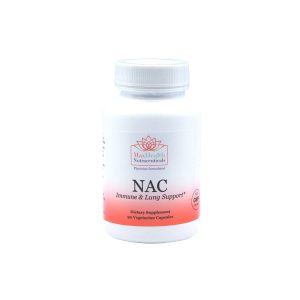
NAC 90s
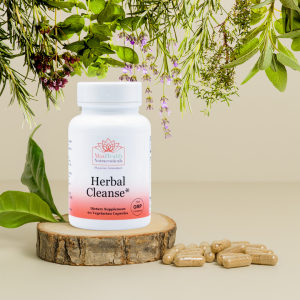
Herbal Cleanse 60s
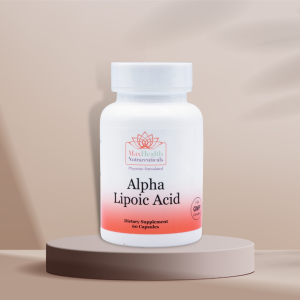
Alpha Lipoic Acid (Clinical Strength)
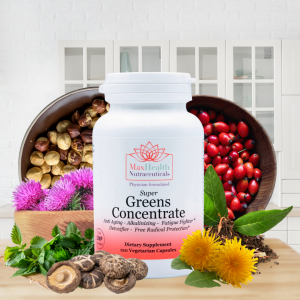
Super Greens Caps 120s
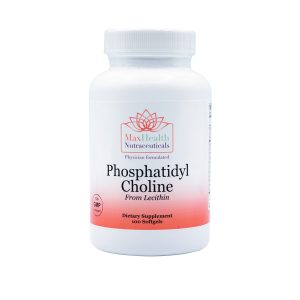
Phosphatidyl Choline (from lecithin) 100s
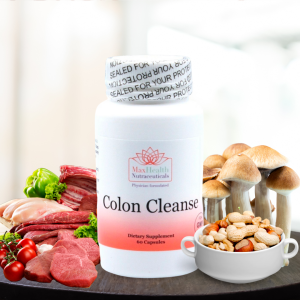
Colon Cleanse 60s
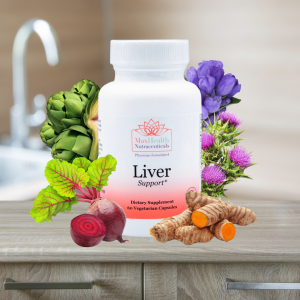
Liver (Detox & Protect) 60s
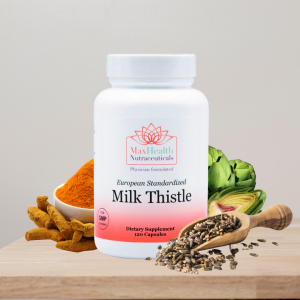
Milk Thistle Plus 120s

Glutathione Cream 50mg 3oz
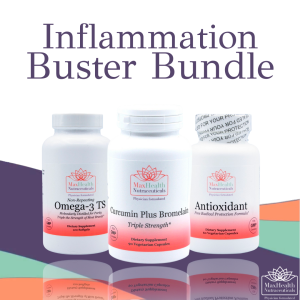
Inflammation Buster Bundle
Disclosure: This post contains affiliate links. If you purchase through these links, we may earn a small commission at no extra cost to you. Learn more.
About the Author
Dr. Nicolle is a double board-certified physician in Family Medicine and Preventive Medicine, with certifications in Functional Medicine and Lifestyle Medicine. She helps busy professionals over 40 optimize their health through root-cause approaches to cardiovascular, hormonal, and metabolic health.
Learn more about Dr. Nicolle →Explore Related Topics
Dive deeper into these connected health areas
Hormone Health
Hormones are the chemical messengers that regulate virtually every process in your body — from metab…
Explore 🦠Gut Health
Your gut is far more than a digestive organ — it's home to 70% of your immune system, produces key n…
Explore 🌸Women's Health
Women's health encompasses a complex interplay of hormonal cycles, reproductive biology, and unique …
Explore 💪Men's Health
Men's health involves a unique interplay of hormonal balance, cardiovascular resilience, metabolic e…
Explore 🧠Mental Health
Mental health is deeply interconnected with hormonal balance, gut health, blood sugar regulation, an…
Explore 📖Skin & Hair Health
Your skin and hair are windows into your internal health. Chronic acne, eczema, psoriasis, and hair …
ExploreReady to Address Your Health Concerns?
Book a Discovery Offer consultation to discuss how our functional medicine approach can help you achieve your health goals.
Book Your Discovery Offer