Postpartum Thyroiditis: The Condition Most Moms Miss

- Postpartum thyroiditis affects up to 10% of new mothers and is almost never tested for
- Symptoms like hair loss, fatigue, and mood changes are dismissed as 'normal motherhood'
- TPO antibodies before pregnancy predict postpartum thyroid risk — early screening saves years of suffering
- Standard thyroid panels miss it; Free T3, Reverse T3, and antibodies are essential
A new mother sat across from me, her six-month-old sleeping in a carrier beside her. "Everyone keeps telling me this is just what motherhood feels like," she said. She hadn't slept more than three hours straight since delivery, but the exhaustion she described went beyond sleep deprivation. Her hair was falling out in clumps. She'd gained weight despite barely eating. Her hands were so stiff in the morning she could barely hold a bottle.
Her OB had run a TSH at her six-week postpartum visit: 4.2 mIU/L. "Normal," they told her. But when I ran a complete thyroid panel, her TPO antibodies were over 900 IU/mL. She had textbook postpartum thyroiditis, and it had been missed for months.
This scenario plays out constantly. Postpartum thyroiditis affects somewhere between 5 and 10% of women in the first year after delivery, and the real number is likely higher because most cases go undiagnosed (1). The symptoms overlap so heavily with normal postpartum adjustment that women and their providers attribute everything to sleep deprivation, hormonal shifts, or "baby blues."
What Postpartum Thyroiditis Actually Is
Postpartum thyroiditis is an autoimmune inflammation of the thyroid gland that occurs within 12 months of delivery. It's driven by a rebound in immune activity after the natural immunosuppression of pregnancy. During pregnancy, the maternal immune system downregulates to tolerate the fetus. After delivery, it swings back, sometimes overshooting into autoimmune activation (2).
The condition typically progresses through two phases, though not every woman experiences both.
The Thyrotoxic Phase (Months 1-4)
In the initial phase, inflammation damages thyroid cells, causing stored thyroid hormone to flood the bloodstream. This creates a transient hyperthyroid state: anxiety, heart palpitations, tremor, heat intolerance, irritability, and sometimes weight loss. Many women in this phase get misdiagnosed with postpartum anxiety or are told their symptoms are just the stress of a new baby.
What distinguishes this from Graves' disease (true hyperthyroidism) is that the thyroid isn't overproducing hormone. It's leaking stored hormone from damaged cells. TSH receptor antibodies (TRAb) are negative in postpartum thyroiditis but positive in Graves'. This distinction matters for treatment: antithyroid medications don't help in postpartum thyroiditis because there's no overproduction to suppress (3).
The Hypothyroid Phase (Months 4-8)
After the stored hormone is depleted, the damaged thyroid can't produce adequate hormone, and the woman swings into hypothyroidism. This is the phase that gets missed most often. Fatigue, brain fog, constipation, dry skin, hair loss, weight gain, depression, and cold intolerance are all attributed to the demands of new motherhood rather than thyroid dysfunction.
TSH rises, sometimes dramatically. Free T4 and free T3 drop. And because most providers only check TSH (if they check anything at all), the antibody-driven nature of the condition remains invisible.
About 20-30% of women who develop postpartum thyroiditis never fully recover thyroid function and progress to permanent hypothyroidism within 5-10 years (4). This is why proper identification and monitoring matter far beyond the postpartum period.
Postpartum thyroiditis affects up to 10% of women but is almost never screened for. The symptoms — fatigue, hair loss, weight gain, mood changes — are dismissed as "just motherhood." A simple TPO antibody test can catch it, yet most OB-GYNs don't order one.
| Phase | Timing (Approx.) | TSH Level | Symptoms |
|---|---|---|---|
| 1. Thyrotoxic | 1-4 months postpartum | Suppressed (<0.4) | Anxiety, palpitations, rapid weight loss |
| 2. Hypothyroid | 4-8 months postpartum | Elevated (>4.0) | Fatigue, depression, hair loss, weight gain |
| 3. Recovery | 9-12 months postpartum | Normalizes (usually) | Gradual resolution of symptoms |
Why Standard Screening Misses It
The American Thyroid Association recommends screening women with known thyroid antibodies or type 1 diabetes, but universal postpartum thyroid screening isn't standard practice (5). Most OB-GYN postpartum visits occur at 6 weeks, a time point that may fall between phases or catch the thyrotoxic phase before it's clinically obvious.
Even when thyroid labs are ordered, the standard panel is often just TSH, sometimes with free T4. That approach misses several things.
TPO antibodies are the most important marker. They're positive in over 90% of postpartum thyroiditis cases and can be elevated even when TSH is still "normal." A woman with TPO antibodies greater than 500 IU/mL has a significantly higher risk of progressing to permanent hypothyroidism (6).
Thyroglobulin antibodies provide additional autoimmune context and can be positive even when TPO antibodies are borderline.
Free T3 is frequently low even when free T4 appears adequate, suggesting impaired T4-to-T3 conversion, which is common with inflammation and nutrient depletion postpartum.
Reverse T3 can be elevated from the physiologic stress of delivery, sleep deprivation, and caloric restriction, further reducing available active thyroid hormone.
In my practice, any postpartum woman with fatigue, mood changes, hair loss, or weight struggles gets a complete thyroid panel: TSH, free T4, free T3, reverse T3, TPO antibodies, and thyroglobulin antibodies. The yield on this testing is high, and the cost of missing it is years of unnecessary suffering.
Root Causes and Risk Factors
Postpartum thyroiditis doesn't occur randomly. Several interconnected factors increase vulnerability.
Pre-existing Thyroid Autoimmunity
Women with positive TPO antibodies before or during pregnancy have a 33-50% chance of developing postpartum thyroiditis (7). Many women don't know they carry these antibodies because thyroid antibody testing isn't part of routine preconception or prenatal care. This is one of several arguments for more thorough preconception thyroid evaluation.
Vitamin D Deficiency
Vitamin D functions as an immunomodulator, and deficiency is associated with increased risk of autoimmune thyroid disease. A meta-analysis in *Thyroid* found that women with lower vitamin D levels had significantly higher rates of postpartum thyroiditis (8). Most prenatal vitamins contain 400-600 IU of vitamin D, which is often inadequate to maintain optimal levels (40-60 ng/mL) during pregnancy and lactation.
Selenium Deficiency
Selenium is concentrated in the thyroid more than any other tissue in the body. It's essential for glutathione peroxidase activity, which protects thyroid cells from oxidative damage during hormone production. A randomized controlled trial published in the *Journal of Clinical Endocrinology & Metabolism* found that selenium supplementation (200 mcg/day) during pregnancy significantly reduced postpartum thyroiditis rates in TPO-positive women (9).
Selenium supplementation during pregnancy significantly reduced postpartum thyroiditis rates in TPO-positive women. At 200 mcg/day, it's one of the safest and most evidence-backed preventive interventions for at-risk mothers.
Gut Permeability and Immune Dysregulation
Pregnancy itself increases intestinal permeability, and this effect can persist postpartum, particularly with C-section delivery, antibiotic exposure, or formula feeding. Increased gut permeability allows bacterial endotoxins to enter systemic circulation, promoting the type of immune dysregulation that triggers autoimmune flares. The gut-immune connection is particularly relevant in the postpartum period.
Iron and Iodine Status
Postpartum iron depletion is extremely common, especially after significant blood loss during delivery. Iron is required for thyroid peroxidase enzyme function, the same enzyme targeted by TPO antibodies. Iodine requirements increase during lactation, and iodine deficiency independently impairs thyroid function. Both nutrients should be assessed and optimized.
Quick Reference: The Three-Phase Postpartum Thyroiditis Timeline
Postpartum thyroiditis is one of the few thyroid conditions with a predictable arc. Knowing the phase tells us what to expect on labs and how to treat.
| Phase | Timing After Delivery | Typical Labs | Common Symptoms | My Default Approach |
|---|---|---|---|---|
| Thyrotoxic | 1 - 6 months | TSH suppressed, Free T4/T3 elevated, TPO often positive | Anxiety, palpitations, insomnia, weight loss, heat intolerance, irritability | Reassurance + beta-blocker if symptomatic; avoid antithyroid drugs (this is destructive, not Graves') |
| Hypothyroid | 3 - 12 months | TSH elevated, Free T4 low or low-normal | Fatigue, depression, weight gain, cold intolerance, milk supply drop, hair loss | Treat with levothyroxine if symptomatic, TSH > 10, or breastfeeding |
| Recovery / Persistence | 9 - 18 months | TSH normalizes (~80%) or stays elevated (~20%) | Resolution — or persistent hypothyroidism | Recheck at 6 and 12 months postpartum; long-term annual screening |
Roughly 20 - 40% of women with postpartum thyroiditis develop permanent hypothyroidism within 5 - 10 years, and recurrence with future pregnancies is common. Screening every postpartum visit — not just at six weeks — is the standard of care I follow.
A Functional Medicine Treatment Approach
Treatment depends on the phase, severity, and the woman's individual clinical picture.
During the Thyrotoxic Phase
Because this phase results from hormone leakage rather than overproduction, antithyroid drugs aren't indicated. If symptoms like palpitations or tremor are significant, a short course of a beta-blocker (propranolol is commonly used during breastfeeding) can manage symptoms while the phase resolves. The focus is on calming inflammation: omega-3 fatty acids (2-3g EPA/DHA daily), vitamin D optimization, and anti-inflammatory nutrition.
During the Hypothyroid Phase
If TSH rises above 10 mIU/L, or above 4.0 with significant symptoms, thyroid hormone replacement is appropriate. Levothyroxine (T4) is the standard approach, though some women feel better with combination T4/T3 therapy, particularly if free T3 remains low despite adequate T4 dosing. Treatment may be temporary (6-12 months) or permanent depending on recovery of thyroid function.
Nutritional and Immune Support
Selenium supplementation (200 mcg/day as selenomethionine) has the strongest evidence for reducing thyroid antibodies and may improve recovery trajectory. Zinc (30 mg/day), vitamin D (target 50-60 ng/mL), and iron (if ferritin is below 50 ng/mL) round out the core nutrient support. Myo-inositol (4g/day) has emerging evidence for reducing TSH and TPO antibodies in autoimmune thyroiditis.
Gut Repair
Addressing postpartum gut permeability through L-glutamine (5g/day), bone broth, probiotic-rich foods, and elimination of inflammatory triggers (gluten and dairy are the most common offenders in autoimmune thyroid patients) supports immune rebalancing. This isn't a quick fix; gut repair typically takes 3-6 months of consistent effort.
Stress and Sleep Optimization
Cortisol dysregulation impairs thyroid conversion and worsens autoimmune activity. Practical stress management strategies for new mothers include brief meditation during nursing sessions, limiting visitor schedules to protect rest, and accepting help with non-feeding tasks. Sleep architecture matters more than total hours; even short blocks of uninterrupted sleep support better hormonal recovery.
Monitoring and Long-Term Outlook
Women with postpartum thyroiditis should have thyroid labs (full panel including antibodies) checked every 6-8 weeks during the active phase, then every 3-6 months for the first two years. Annual thyroid monitoring should continue indefinitely, especially before and during any subsequent pregnancies.
The risk of recurrence with future pregnancies is approximately 70% (10). Women planning subsequent pregnancies benefit from preconception thyroid optimization: ensuring TSH is below 2.5, optimizing selenium and vitamin D levels, and addressing any persistent gut dysfunction.
For the 20-30% who develop permanent hypothyroidism, the silver lining is that early identification means early treatment. These women don't have to spend years wondering why they feel terrible before someone finally checks the right labs.
Where This Leaves You
If you're in the postpartum period and struggling with fatigue, mood changes, hair loss, or weight that won't budge despite your best efforts, please don't accept "that's just motherhood" as an answer. Request a complete thyroid panel. If your provider won't order one, find someone who will.
The goal isn't to pathologize a normal life transition. Motherhood is genuinely exhausting. But there's a meaningful difference between the normal challenges of caring for a new baby and the metabolic dysfunction of an inflamed thyroid gland, and you deserve to know which one you're dealing with.
Products and Protocols
In my practice, I use targeted supplementation alongside thyroid monitoring and root-cause workup for postpartum thyroiditis:
- Selenium 200mcg 60s — 200 mcg/day for antibody reduction and thyroid protection during the postpartum period
- Vitamin D3 5000 IU + K2 — to reach 50-70 ng/mL, supporting immune modulation and reducing autoimmune activity
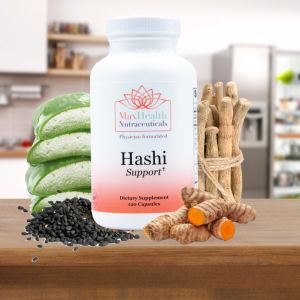
- Hashi Support — targeted immune modulation when TPO antibodies are elevated
- Iodine Complex 120s — low-dose iodine support for lactation needs, only when deficiency is documented
- Thyroid Herbal Support 90s — full-spectrum support with selenium, zinc, and herbal cofactors
- B Coenzyme Methyl Complex — methylated B12 and folate for energy and mood support
- Multi Mag — magnesium for sleep, constipation, and stress recovery
- Adrenal (Energy & Stress) 120 Capsules — for HPA axis support during the intense postpartum period
- Omega Ultra TG — 2-3g EPA/DHA daily for inflammation resolution
These products are available through my MaxHealth Nutraceuticals line at the exact doses and forms I use clinically.
Evidence-Based Dosing Ranges and Safety Notes
- Selenium: therapeutic range 100-200 mcg/day; tolerable upper limit (UL) 400 mcg/day per the Institute of Medicine. Chronic intake above 800 mcg/day risks selenosis — brittle hair and nails, GI upset, and peripheral neuropathy.
- Iodine: RDA 150 mcg/day for non-pregnant adults (220 mcg in pregnancy, 290 mcg in lactation); UL 1,100 mcg/day. In patients with autonomously functioning nodules or coexisting Hashimoto's, high-dose preparations (Lugol's, Iodoral, kelp megadoses) can precipitate hyperthyroid episodes or autoimmune flares.
- Vitamin D3: 1,000-5,000 IU/day for repletion; UL 4,000 IU/day per the IOM. Higher doses warrant 25(OH)D and serum calcium monitoring every 3 months. If you take warfarin, discuss combined K2 dosing with your prescriber.
- Ashwagandha (a common ingredient in thyroid herbal blends) can raise T4 levels; use cautiously in untreated hyperthyroidism, pregnancy, and active autoimmune flares.
- Omega-3 fatty acids: 2-4g EPA/DHA daily is generally safe; use caution if you are on anticoagulants (warfarin, apixaban) as high doses may increase bleeding risk.
When to call your clinician: new palpitations, tremor, neck swelling, unintended weight loss, or worsening anxiety after starting any thyroid-active supplement warrant prompt evaluation. This information is educational and not a substitute for individualized medical advice — supplementation decisions should be guided by current labs and your full medication list.
Interactions and Contraindications Checklist
Bring this list to your prescriber before starting or stacking any thyroid-active supplement:
- Thyroid hormone timing (levothyroxine, liothyronine, NDT): take on an empty stomach and separate by ≥4 hours from iron, calcium, magnesium, zinc, fiber, soy protein, and high-dose multivitamins — all measurably reduce absorption.
- Selenium: do not stack across products; combined intake >400 mcg/day risks selenosis. Avoid in patients already eating multiple Brazil nuts daily.
- Iodine: contraindicated in Graves' disease, toxic multinodular goiter, and active Hashimoto's flares. Avoid doses >500 mcg/day without documented deficiency and physician monitoring. Use caution with amiodarone, lithium, and potassium-sparing diuretics/ACE inhibitors/ARBs.
- Vitamin D3 + K2: K2 can interact with warfarin — coordinate INR monitoring. High-dose D3 is contraindicated in sarcoidosis, hypercalcemia, primary hyperparathyroidism, and active kidney stones.
- Ashwagandha and other adaptogens: avoid in pregnancy, lactation, active hyperthyroidism, and on immunosuppressants (tacrolimus, cyclosporine, mycophenolate). May potentiate sedatives, antidiabetic medications, and thyroid hormone.
- NAC: avoid within 2 hours of nitroglycerin (additive hypotension) and in active peptic ulcer disease; can interact with carbamazepine.
- Methylated B-complex: can drive anxiety or insomnia in MTHFR-sensitive individuals — lower the dose or take in the morning.
- Magnesium: separate from levothyroxine and from tetracycline/fluoroquinolone antibiotics by ≥4 hours. Use cautiously in advanced kidney disease.
- Adrenal/glandular formulas: contraindicated with corticosteroids, MAOIs, and in uncontrolled hypertension.
- Pregnancy and lactation: only iodine at RDA, selenium ≤200 mcg/day, and prenatal-appropriate vitamin D should be used without specialist guidance. Avoid adaptogens and antibody-lowering immune blends.
Red flag stop signs: rapid or irregular heartbeat, chest pain, severe headache, vision changes, jaundice, or rash after starting a new supplement — discontinue and contact your clinician immediately.
---
Related Thyroid Articles
Continue your thyroid education with these companion guides from our functional medicine series:
- Hashimoto's Thyroiditis: The Autoimmune Root Cause
- Hypothyroidism Symptoms: Recognizing and Reversing the Hidden Signs
- Subclinical Hypothyroidism: Should You Treat It?
- Thyroid Antibodies (TPO & Tg): What They Mean and How to Lower Them
- Thyroid Nodules: When to Worry, When to Watch
- T3 and Combination Thyroid Medication: A Physician's Guide
- Iodine and Selenium for Thyroid Health: Science and Risks
References
- Stagnaro-Green A. Approach to the patient with postpartum thyroiditis. J Clin Endocrinol Metab. 2012;97(2):334-342. https://doi.org/10.1210/jc.2011-2576
- Weetman AP. Immunity, thyroid function and pregnancy: molecular mechanisms. Nat Rev Endocrinol. 2010;6(6):311-318. https://doi.org/10.1038/nrendo.2010.46
- De Groot L, et al. Management of thyroid dysfunction during pregnancy and postpartum. J Clin Endocrinol Metab. 2012;97(8):2543-2565. https://doi.org/10.1210/jc.2011-2803
- Lazarus JH. Clinical aspects of recurrent postpartum thyroiditis. Br J Gen Pract. 1997;47(418):305-308.
- Alexander EK, et al. 2017 Guidelines of the American Thyroid Association for the diagnosis and management of thyroid disease during pregnancy and the postpartum. Thyroid. 2017;27(3):315-389. https://doi.org/10.1089/thy.2016.0457
- Premawardhana LD, et al. Postpartum thyroiditis and long-term thyroid status: prognostic influence of thyroid peroxidase antibodies and ultrasound echogenicity. J Clin Endocrinol Metab. 2000;85(1):71-75. https://doi.org/10.1210/jcem.85.1.6227
- Negro R, et al. Levothyroxine treatment in euthyroid pregnant women with autoimmune thyroid disease. J Clin Endocrinol Metab. 2006;91(7):2587-2591. https://doi.org/10.1210/jc.2005-1603
- Wang J, et al. Meta-analysis of the association between vitamin D and autoimmune thyroid disease. Nutrients. 2015;7(4):2485-2498. https://doi.org/10.3390/nu7042485
- Negro R, et al. The influence of selenium supplementation on postpartum thyroid status in pregnant women with thyroid peroxidase autoantibodies. J Clin Endocrinol Metab. 2007;92(4):1263-1268. https://doi.org/10.1210/jc.2006-1821
- Lazarus JH, et al. Recurrence of postpartum thyroiditis. Thyroid. 2002;12(10):905-908.
Supplements for Women's Hormone Balance
Clinical-grade picks for this topic
Affiliate disclosure: The product links below are affiliate links — we may earn a commission at no extra cost to you. Recommendations are based on clinical use, not commissions. Learn more.
Frequently Asked Questions
Common questions about postpartum thyroiditis: the condition most moms miss
Recommended Supplements
Professional-grade supplements from my MaxHealth Nutraceuticals line — the same formulas I use in clinical practice.

Thera360 PLUS Portable Sauna

Inner Balance™ Coherence Plus

Red Light Face Mask
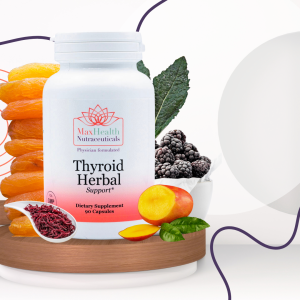
Thyroid Herbal Support 90s
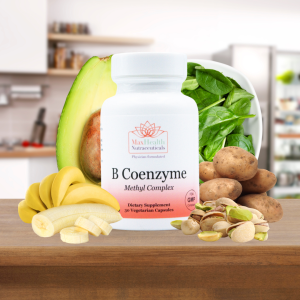
B Coenzyme Methyl Complex
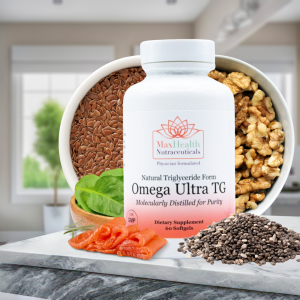
Omega Ultra TG
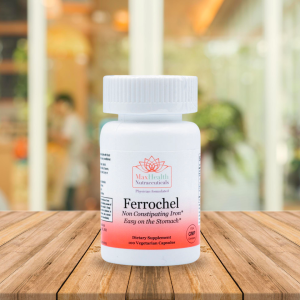
Ferrochel Plus (25mg) 100s
Hashi Support
Autoimmune Support Bundle
Pregnancy Support Bundle
Healthy Heart Bundle
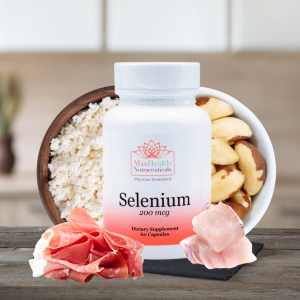
Selenium 200mcg 60s
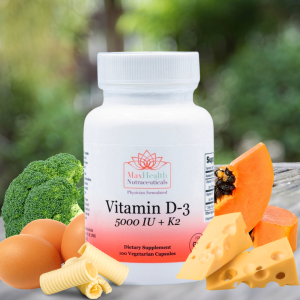
Vitamin D3 5000 IU + K2 CAPSULES 100s
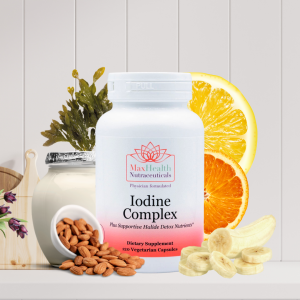
Iodine Complex 120s
Multi Mag
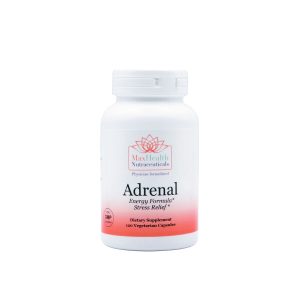
Adrenal (Energy & Stress) 120 Capsules
Disclosure: This post contains affiliate links. If you purchase through these links, we may earn a small commission at no extra cost to you. Learn more.
About the Author
Dr. Nicolle is a double board-certified physician in Family Medicine and Preventive Medicine, with certifications in Functional Medicine and Lifestyle Medicine. She helps busy professionals over 40 optimize their health through root-cause approaches to cardiovascular, hormonal, and metabolic health.
Learn more about Dr. Nicolle →Explore Related Topics
Dive deeper into these connected health areas
Gut Health
Your gut is far more than a digestive organ — it's home to 70% of your immune system, produces key n…
Explore ❤️Metabolic Health
Metabolic health sits at the intersection of blood sugar regulation, cardiovascular function, body c…
Explore 💪Men's Health
Men's health involves a unique interplay of hormonal balance, cardiovascular resilience, metabolic e…
Explore 🧠Mental Health
Mental health is deeply interconnected with hormonal balance, gut health, blood sugar regulation, an…
Explore 📖Skin & Hair Health
Your skin and hair are windows into your internal health. Chronic acne, eczema, psoriasis, and hair …
ExploreReady to Address Your Health Concerns?
Book a Discovery Offer consultation to discuss how our functional medicine approach can help you achieve your health goals.
Book Your Discovery Offer