Iodine and Selenium for Thyroid Health: The Science, the Risks, and How to Get It Right

- Iodine is essential for thyroid hormone synthesis but has a narrow therapeutic window — deficiency and excess both cause thyroid dysfunction.
- High-dose iodine (>1 mg/day) is not recommended for Hashimoto's patients and can worsen autoimmune thyroiditis; most adults need only 150 mcg/day.
- Selenium is required for T4-to-T3 conversion and antioxidant protection of thyroid tissue; 200 mcg daily has robust RCT evidence for reducing TPO antibodies in Hashimoto's.
- Iodine and selenium interact: selenium deficiency plus iodine excess is particularly toxic to the thyroid. Assess both before intervening.
The thyroid internet is divided into two warring camps, and patients are caught in the crossfire. One camp insists that everyone with thyroid disease needs high-dose iodine — Lugol's solution, iodoral tablets, megadose kelp. The other camp insists iodine is dangerous for anyone with Hashimoto's and should be avoided entirely. Neither position is correct. The truth, as always in medicine, is more nuanced — and it depends on the patient, their antibody status, their current iodine status, and whether they are also repleting selenium.
Selenium gets even less attention. It is rarely mentioned in primary care thyroid conversations, yet it is required for the enzymes that convert inactive T4 to active T3, and it is one of the few interventions with robust randomized trial evidence for reducing autoimmune thyroid activity. As a double board-certified functional medicine physician, I spend a significant portion of my telehealth practice correcting iodine and selenium mismanagement that has worsened patients' conditions.
This guide covers what you actually need to know.
Why Iodine Matters: The Biochemistry
The thyroid is unique among endocrine organs in its dependence on a single trace element. Iodine is literally built into thyroid hormone — T4 contains four iodine atoms; T3 contains three. Without adequate iodine, the thyroid cannot manufacture hormone.
The recommended dietary allowance (RDA) for iodine is:
- 150 mcg/day for adults
- 220 mcg/day during pregnancy
- 290 mcg/day during lactation
These numbers are not arbitrary. They represent the amount needed to produce sufficient thyroid hormone without triggering iodine-induced dysfunction in susceptible individuals.
Iodine Sources in the Modern Diet
- Iodized salt: The primary source in most countries. One-quarter teaspoon provides approximately 150 mcg.
- Seafood: Cod, shrimp, seaweed (though kelp and hijiki can contain dangerously high amounts).
- Dairy products: Milk and yogurt vary by farming practices but generally contribute meaningfully.
- Eggs: Moderate content, varies with hen feed.
The problem: many of my patients avoid all of these. They use non-iodized sea salt or Himalayan salt. They avoid dairy. They eat limited seafood. The result is a growing population of iodine-insufficient patients in an iodine-sufficient country.
When Iodine Deficiency Is the Problem
True iodine deficiency produces characteristic findings:
- Goiter: Thyroid enlargement as the gland attempts to compensate by trapping more iodine
- Hypothyroidism: Insufficient hormone production
- Congenital hypothyroidism: The leading preventable cause of intellectual disability worldwide
- Thyroid nodules: Both deficiency and excess can drive nodular formation
Iodine deficiency is reemerging in the United States. The National Health and Nutrition Examination Survey (NHANES) has documented declining iodine sufficiency, particularly in women of reproductive age (1). This matters because even mild maternal iodine deficiency is associated with reduced IQ in offspring.
In my practice, I screen iodine status with a spot urine iodine or 24-hour urine collection. Levels below 100 mcg/L suggest deficiency. The treatment is straightforward: restore adequate iodine intake to approximately 150 mcg daily from food and, if needed, a low-dose supplement.
When Iodine Excess Is the Problem
This is where the internet advice becomes dangerous. Iodine excess produces a biphasic response:
1. The Wolff-Chaikoff effect: Acute iodine excess transiently inhibits thyroid hormone synthesis. This is a protective mechanism — the thyroid temporarily "shuts down" to prevent hormone overproduction.
2. Iodine-induced thyroid dysfunction: In susceptible individuals, especially those with underlying thyroid disease or positive antibodies, excess iodine can trigger hypothyroidism (through persistent Wolff-Chaikoff effect) or hyperthyroidism (Jod-Basedow phenomenon, especially in multinodular goiter).
For patients with Hashimoto's thyroiditis, iodine excess is particularly risky:
- Increases the immunogenicity of thyroglobulin
- Can trigger or worsen autoimmune thyroiditis
- May induce hypothyroidism even in euthyroid patients with antibodies
- The response is unpredictable — some patients tolerate extra iodine; others crash
I do not recommend high-dose iodine (> 1 mg/day) in anyone with positive thyroid antibodies, known nodular disease, or a history of iodine-induced dysfunction. The risk-benefit ratio is unfavorable.
The Iodine Paradox: Why More Is Not Better
The "iodine doctors" who recommend 12.5 mg, 25 mg, or even 50 mg daily (doses 80-300 times the RDA) base their approach on older literature and clinical anecdote. The scientific evidence does not support this for most patients:
- The Japanese iodine intake, often cited as justification for high-dose iodine, is lower than commonly claimed when calculated properly (approximately 1-3 mg/day, not 12+ mg)
- High-dose iodine increases the risk of thyroid dysfunction, including hypothyroidism, hyperthyroidism, and autoimmune thyroiditis
- The "iodine loading test" (90% excretion target) has poor scientific validity and is not accepted by mainstream endocrinology
- Most patients with Hashimoto's do not have iodine deficiency; they have autoimmune destruction
My position: test iodine status before supplementing. If deficient, replete gently to approximately 150 mcg/day. If sufficient or unknown, do not use high-dose iodine, especially with positive antibodies.
Quick Reference: Iodine & Selenium Food Chart
Most of my patients reach optimal status with food alone before we ever discuss a supplement. Use this chart as a daily target, not as a prescription.
| Nutrient | RDA (Adult) | Upper Limit | Best Food Sources (per serving) |
|---|---|---|---|
| Iodine | 150 mcg | 1,100 mcg | Seaweed / kelp (16 - 2,984 mcg per gram), cod (158 mcg / 3 oz), dairy (56 mcg / cup), iodized salt (76 mcg / tsp), eggs (24 mcg each) |
| Iodine (pregnancy) | 220 mcg | 1,100 mcg | Add a prenatal containing 150 mcg potassium iodide |
| Iodine (lactation) | 290 mcg | 1,100 mcg | Add a prenatal containing 150 mcg potassium iodide |
| Selenium | 55 mcg | 400 mcg | Brazil nuts (68 - 91 mcg each — 1 - 2 per day is plenty), yellowfin tuna (92 mcg / 3 oz), sardines (45 mcg / 3 oz), turkey (31 mcg / 3 oz), pasture eggs (15 mcg each) |
| Selenium (Hashimoto's protocol) | 200 mcg | 400 mcg | Combine 1 Brazil nut + selenomethionine supplement to avoid overshoot |
Selenium: The Forgotten Thyroid Nutrient
Selenium is a trace mineral that functions as a cofactor for selenoproteins — proteins containing selenium in the form of selenocysteine. Several of these are critical to thyroid function:
Deiodinase Enzymes (DIO1, DIO2, DIO3)
These enzymes convert T4 to active T3 (DIO1 and DIO2) and T3 to inactive reverse T3 (DIO3). Without adequate selenium, conversion is impaired. This is one mechanism by which selenium deficiency produces hypothyroid symptoms even when T4 production is normal.
Glutathione Peroxidases (GPx)
These antioxidant enzymes protect thyroid tissue from oxidative damage during hormone synthesis. Hydrogen peroxide is generated during iodination — a necessary but potentially damaging step. GPx neutralizes the excess.
Thioredoxin Reductases
These enzymes maintain the redox balance within thyroid cells and are required for normal thyroid hormone synthesis.
The Evidence for Selenium in Thyroid Disease
Hashimoto's Thyroiditis
Multiple randomized controlled trials have demonstrated that selenium supplementation reduces TPO antibody levels in Hashimoto's patients:
- A landmark study by Gartner et al. showed that 200 mcg selenium daily for 6 months reduced TPO antibodies by 40% in patients receiving levothyroxine (2)
- The SERENA trial confirmed these findings in a larger cohort
- A meta-analysis by Toulis et al. concluded that selenium supplementation is effective in reducing TPO antibodies and improving thyroid ultrasound patterns in autoimmune thyroiditis (3)
I consider selenium supplementation standard of care for any patient with positive TPO antibodies.
Graves' Disease and Ophthalmopathy
Selenium has also been studied in Graves' disease, particularly for thyroid eye disease. The European Group on Graves' Orbitopathy recommends selenium 100 mcg twice daily for mild Graves' orbitopathy based on randomized trial evidence showing improved quality of life and reduced disease progression (4).
Post-Surgical Thyroid Patients
Selenium deficiency is common after thyroidectomy and may contribute to persistent symptoms despite adequate levothyroxine dosing.
How to Assess Selenium Status
- Serum selenium: The most common test. Optimal levels are approximately 90-120 mcg/L.
- Selenoprotein P: A more accurate functional marker but less widely available.
- Glutathione peroxidase activity: Reflects functional selenium status in tissues.
In clinical practice, I often use a combination of serum selenium and clinical context (diet, geography, symptoms) to assess status.
Dosing and Formulation
Iodine
- Deficient patients: 150-200 mcg daily, usually as potassium iodide in a multivitamin or low-dose standalone supplement
- Maintenance in sufficient patients: Rely on diet (iodized salt, moderate seafood, dairy if tolerated)
- Avoid: Kelp supplements (iodine content wildly variable and often excessive), Lugol's solution, Iodoral, and any product providing > 1 mg/day unless under close physician monitoring
Selenium
- General thyroid support: 100-200 mcg daily
- Hashimoto's with elevated antibodies: 200 mcg daily for 3-6 months, then reassess
- Maximum safe long-term dose: 400 mcg/day (established tolerable upper intake level)
- Preferred forms: Selenomethionine or selenium yeast. Selenomethionine is better absorbed and retained; selenium yeast provides a mix of selenomethionine and other organic forms
Brazil Nuts as a Food Source
Brazil nuts are the richest food source of selenium — a single nut can contain 50-100 mcg. However, selenium content varies enormously depending on soil conditions (some nuts contain 500+ mcg). I do not recommend relying solely on Brazil nuts because the dose is unpredictable. Two nuts 2-3 times per week is reasonable; daily megadosing with Brazil nuts risks selenium toxicity.
The Iodine-Selenium Interaction
This is critical and underappreciated: iodine and selenium interact at multiple levels, and repleting one without the other can be problematic.
- Selenium deficiency + iodine excess: This combination is particularly toxic to the thyroid. Selenium-dependent glutathione peroxidases protect thyroid tissue from oxidative damage during iodination. Without selenium, high iodine increases oxidative stress and can worsen thyroid dysfunction.
- Selenium deficiency impairs deiodinase function: Even with adequate iodine, poor T4-to-T3 conversion produces hypothyroid symptoms.
- Optimal approach: Ensure adequate selenium status before increasing iodine intake. In my practice, I typically replete selenium first, then assess whether iodine intervention is even needed.
Other Nutrients Required for Thyroid Function
Selenium and iodine get the most attention, but they are not the only nutrients that matter:
- Iron/ferritin: Required for thyroid peroxidase. Ferritin below 30 ng/mL impairs thyroid hormone synthesis.
- Zinc: Required for deiodinase enzymes and thyroid hormone receptor binding.
- Vitamin D: Modulates immune function; deficiency is associated with higher TPO antibodies.
- Vitamin A: Required for TSH signaling and thyroid hormone uptake by cells.
- B vitamins: B2 and B3 are cofactors for deiodinase enzymes.
- Magnesium: Cofactor for ATP production required in thyroid hormone synthesis.
- Tyrosine: The amino acid backbone of thyroid hormone.
A comprehensive thyroid nutrient panel should include all of these, not just TSH and T4.
Practical Recommendations
If You Suspect Iodine Deficiency
1. Do not self-supplement with high-dose iodine
2. Get tested: spot urine iodine or 24-hour urine iodine
3. If deficient, replete gently to approximately 150 mcg/day
4. Ensure concurrent selenium adequacy (100-200 mcg/day)
5. Recheck iodine status in 3 months
If You Have Hashimoto's or Positive Antibodies
1. Avoid high-dose iodine entirely
2. Ensure adequate but not excessive iodine intake (approximately 150 mcg/day from food)
3. Supplement selenium 200 mcg/day
4. Replete vitamin D to 50-70 ng/mL
5. Address iron, zinc, and gut health
6. Recheck antibodies in 3 months
If You Are on Levothyroxine and Still Symptomatic
1. Check Free T3 and Reverse T3 — you may have a conversion problem
2. Check selenium, iron/ferritin, and vitamin D
3. Do not add iodine "for thyroid support" without testing
4. Consider whether nutrient deficiencies are preventing your medication from working at the cellular level
Products and Protocols
In my practice, I use targeted supplementation based on lab results:
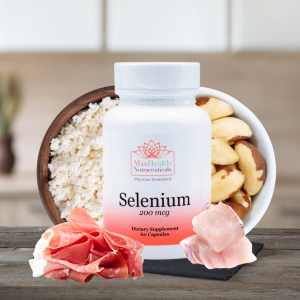
- Selenium 200mcg 60s — for patients with Hashimoto's or low selenium status
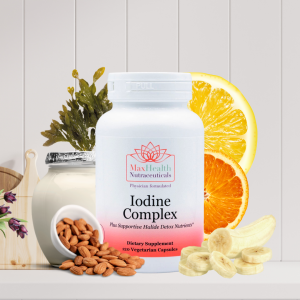
- Iodine Complex 120s — for documented iodine deficiency, at low dose (typically 150 mcg)
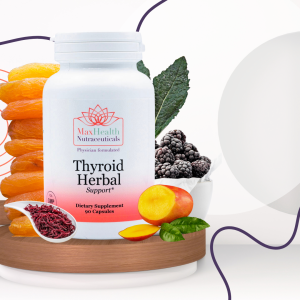
- Thyroid Herbal Support 90s — a comprehensive formula that includes iodine, selenium, zinc, and herbal cofactors, used when a full-spectrum approach is appropriate
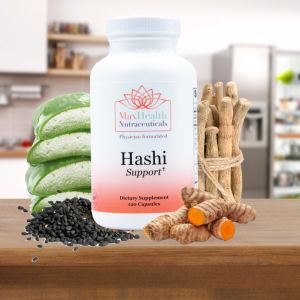
- Hashi Support — formulated specifically for Hashimoto's patients with selenium and targeted immune-modulating nutrients
These products are available through my MaxHealth Nutraceuticals line, formulated with the exact dosing and forms I use clinically.
Evidence-Based Dosing Ranges and Safety Notes
- Selenium: 100-200 mcg/day is the supported therapeutic range; UL 400 mcg/day per the Institute of Medicine. Chronic intake above 800 mcg/day risks selenosis — brittle hair and nails, GI upset, garlic-like breath, and peripheral neuropathy. Do not stack selenium from multiple products.
- Iodine: RDA 150 mcg/day for non-pregnant adults (220 mcg pregnancy, 290 mcg lactation); UL 1,100 mcg/day. High-dose preparations such as Lugol's, Iodoral, or kelp megadoses can precipitate hyperthyroid episodes in autonomously functioning nodules and trigger or worsen Hashimoto's.
- The iodine-selenium interaction: correcting iodine deficiency without adequate selenium can accelerate autoimmune thyroid damage. When repleting iodine, ensure selenium status is adequate first.
- Vitamin D3 (in Hashi Support and standalone): 1,000-5,000 IU/day for repletion; UL 4,000 IU/day (IOM). Monitor 25(OH)D and serum calcium on higher doses.
- Pregnancy and lactation: iodine needs increase to 220-290 mcg/day; selenium remains at 60-70 mcg/day RDA with a UL of 400 mcg/day. Discuss any thyroid-active supplement with your obstetric provider.
When to call your clinician. New palpitations, tremor, neck swelling, unintended weight loss, or worsening anxiety after starting iodine or selenium warrant prompt evaluation and a repeat thyroid panel. Educational content only; supplementation should be individualized to your labs, antibodies, and full medication list.
Interactions and Contraindications Checklist
Bring this list to your prescriber before starting or stacking any thyroid-active supplement:
- Thyroid hormone timing (levothyroxine, liothyronine, NDT): take on an empty stomach and separate by ≥4 hours from iron, calcium, magnesium, zinc, fiber, soy protein, and high-dose multivitamins — all measurably reduce absorption.
- Selenium: do not stack across products; combined intake >400 mcg/day risks selenosis. Avoid in patients already eating multiple Brazil nuts daily.
- Iodine: contraindicated in Graves' disease, toxic multinodular goiter, and active Hashimoto's flares. Avoid doses >500 mcg/day without documented deficiency and physician monitoring. Use caution with amiodarone, lithium, and potassium-sparing diuretics/ACE inhibitors/ARBs.
- Vitamin D3 + K2: K2 can interact with warfarin — coordinate INR monitoring. High-dose D3 is contraindicated in sarcoidosis, hypercalcemia, primary hyperparathyroidism, and active kidney stones.
- Ashwagandha and other adaptogens: avoid in pregnancy, lactation, active hyperthyroidism, and on immunosuppressants (tacrolimus, cyclosporine, mycophenolate). May potentiate sedatives, antidiabetic medications, and thyroid hormone.
- NAC: avoid within 2 hours of nitroglycerin (additive hypotension) and in active peptic ulcer disease; can interact with carbamazepine.
- Methylated B-complex: can drive anxiety or insomnia in MTHFR-sensitive individuals — lower the dose or take in the morning.
- Magnesium: separate from levothyroxine and from tetracycline/fluoroquinolone antibiotics by ≥4 hours. Use cautiously in advanced kidney disease.
- Adrenal/glandular formulas: contraindicated with corticosteroids, MAOIs, and in uncontrolled hypertension.
- Pregnancy and lactation: only iodine at RDA, selenium ≤200 mcg/day, and prenatal-appropriate vitamin D should be used without specialist guidance. Avoid adaptogens and antibody-lowering immune blends.
Red flag stop signs: rapid or irregular heartbeat, chest pain, severe headache, vision changes, jaundice, or rash after starting a new supplement — discontinue and contact your clinician immediately.
The Bottom Line
Iodine and selenium are not simple "thyroid supplements." They are powerful micronutrients with narrow therapeutic windows, complex interactions, and the potential to help or harm depending on the patient. The internet's one-size-fits-all approach — whether advocating high-dose iodine for everyone or iodine avoidance for everyone with Hashimoto's — ignores the clinical reality that each patient requires individualized assessment.
The correct approach: test, don't guess. Assess iodine status, selenium status, antibody levels, and the full thyroid panel. Then intervene precisely. That is the approach my functional medicine telehealth practice takes with every thyroid patient across the eight states we serve.
If you have been struggling with thyroid symptoms, conflicting advice about iodine, or the sense that your medication is not enough, a comprehensive workup may provide the clarity you need. Join the waitlist for a consultation.
---
Related Thyroid Articles
Continue your thyroid education with these companion guides from our functional medicine series:
- Hashimoto's Thyroiditis: The Autoimmune Root Cause
- Hypothyroidism Symptoms: Recognizing and Reversing the Hidden Signs
- Subclinical Hypothyroidism: Should You Treat It?
- Thyroid Antibodies (TPO & Tg): What They Mean and How to Lower Them
- Thyroid Nodules: When to Worry, When to Watch
- T3 and Combination Thyroid Medication: A Physician's Guide
- Postpartum Thyroiditis: The Condition Most Moms Miss
References
- Caldwell KL, et al. Iodine status in the U.S. population, National Health and Nutrition Examination Survey 2005-2008. Thyroid. 2011;21(4):419-427.
- Gartner R, et al. Selenium supplementation in patients with autoimmune thyroiditis decreases thyroid peroxidase antibodies concentrations. J Clin Endocrinol Metab. 2002;87(4):1687-1691.
- Toulis KA, et al. Selenium supplementation in the treatment of Hashimoto's thyroiditis: a systematic review and a meta-analysis. Thyroid. 2010;20(10):1163-1173.
- Bartalena L, et al. The 2016 European Thyroid Association/European Group on Graves' Orbitopathy Guidelines for the Management of Graves' Orbitopathy. Eur Thyroid J. 2016;5(1):9-26.
- Zimmermann MB, Boelaert K. Iodine deficiency and thyroid disorders. Lancet Diabetes Endocrinol. 2015;3(4):286-295.
Supplements for Hormone Optimization
Clinical-grade picks for this topic
Affiliate disclosure: The product links below are affiliate links — we may earn a commission at no extra cost to you. Recommendations are based on clinical use, not commissions. Learn more.
Frequently Asked Questions
Common questions about iodine and selenium for thyroid health: the science, the risks, and how to get it right
Recommended Supplements
Professional-grade supplements from my MaxHealth Nutraceuticals line — the same formulas I use in clinical practice.
Iodine Complex 120s
Selenium 200mcg 60s
Thyroid Herbal Support 90s
Hashi Support
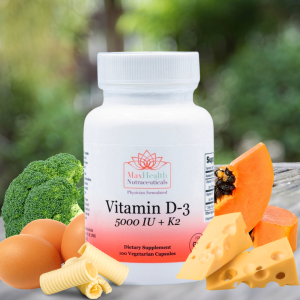
Vitamin D3 5000 IU + K2 CAPSULES 100s
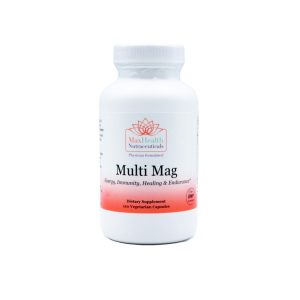
Multi Mag
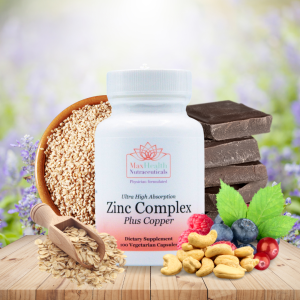
Zinc Complex Plus Copper
Disclosure: This post contains affiliate links. If you purchase through these links, we may earn a small commission at no extra cost to you. Learn more.
About the Author
Dr. Nicolle is a double board-certified physician in Family Medicine and Preventive Medicine, with certifications in Functional Medicine and Lifestyle Medicine. She helps busy professionals over 40 optimize their health through root-cause approaches to cardiovascular, hormonal, and metabolic health.
Learn more about Dr. Nicolle →Explore Related Topics
Dive deeper into these connected health areas
Gut Health
Your gut is far more than a digestive organ — it's home to 70% of your immune system, produces key n…
Explore ❤️Metabolic Health
Metabolic health sits at the intersection of blood sugar regulation, cardiovascular function, body c…
Explore 🌸Women's Health
Women's health encompasses a complex interplay of hormonal cycles, reproductive biology, and unique …
Explore 💪Men's Health
Men's health involves a unique interplay of hormonal balance, cardiovascular resilience, metabolic e…
Explore 🧠Mental Health
Mental health is deeply interconnected with hormonal balance, gut health, blood sugar regulation, an…
Explore 📖Skin & Hair Health
Your skin and hair are windows into your internal health. Chronic acne, eczema, psoriasis, and hair …
ExploreReady to Address Your Health Concerns?
Book a Discovery Offer consultation to discuss how our functional medicine approach can help you achieve your health goals.
Book Your Discovery Offer