Thyroid Nodules: When to Worry, When to Watch, and What Functional Medicine Adds

- Thyroid nodules are present in 50-60% of adults over 50; the great majority are benign.
- Modern workup requires TSH plus a TI-RADS-scored ultrasound — biopsy thresholds are size- and risk-based, not automatic.
- Even when a nodule is benign and only needs surveillance, the functional workup — antibodies, iodine, selenium, vitamin D, gut health, environmental exposures — almost never gets done and changes long-term trajectory.
- Avoid high-dose iodine 'thyroid support' supplements in any patient with a nodule until properly evaluated.
A 52-year-old patient called me after her primary care doctor felt "a lump" during a routine physical, ordered an ultrasound, and left a voicemail ending with "we'll need to talk about next steps." She spent the weekend on the internet convinced she had cancer. By Monday, her ultrasound report showed a 1.4 cm, predominantly cystic, well-circumscribed nodule with no suspicious features — a finding so common that, statistically, about half of the adults reading this paragraph have one and don't know it.
Thyroid nodules are one of the most over-feared and under-explained findings in primary care. They are also one of the cleanest examples of where functional medicine and evidence-based endocrinology should be working together rather than in opposition. As a double board-certified physician running a functional medicine telehealth practice, I see two patterns in roughly equal measure: patients who have been told a nodule is "nothing" and never had a single root-cause question asked, and patients who have been rushed toward biopsy or surgery for a finding the published guidelines would have watched. This guide is the conversation I have with both groups.
How Common Are Thyroid Nodules, Really?
By age 60, palpable thyroid nodules are present in roughly 5-7% of women and 1-2% of men. When the thyroid is imaged with high-resolution ultrasound — which is what actually happens in modern medicine — the prevalence climbs to 50-60% of adults over 50 (1). The vast majority are entirely benign. The widely cited number is that approximately 5-7% of all thyroid nodules harbor malignancy, and the rates of clinically meaningful, life-shortening thyroid cancer are far lower than that.
Put differently: nodules are the rule, not the exception. The clinical question is almost never "do you have one?" It is "which features does this one have, and what does the modern, ultrasound-based risk stratification say to do about it?"
What Actually Causes Thyroid Nodules
Nodules are not a single disease — they are a finding with many possible drivers. The ones I see most often in midlife patients:
- Colloid nodules and benign adenomas. The most common type. Localized overgrowth of normal thyroid tissue, often hormone-inactive.
- Cystic and mixed cystic-solid nodules. Frequently benign; often the result of degenerative changes in older nodules.
- Iodine status extremes. Both chronic iodine deficiency and chronic iodine excess can drive nodule formation. The U.S. is iodine-sufficient on paper but increasingly iodine-marginal in real diets — many of my female patients avoid iodized salt, dairy, and seafood and run frankly low (2).
- Hashimoto's thyroiditis. Autoimmune inflammation produces a heterogeneous gland that often contains pseudo-nodular regions and true nodules.
- Toxic adenomas and toxic multinodular goiter. Autonomously functioning nodules that produce thyroid hormone independent of TSH, more common in older patients.
- Radiation exposure — particularly head/neck radiation in childhood, which materially raises lifetime cancer risk and changes the surveillance plan.
- Thyroid cancer. Papillary, follicular, medullary, and (rarely) anaplastic.
The conventional workup stops at "benign or malignant." The functional medicine workup asks which of those upstream drivers are still active — because addressing iodine status, autoimmune burden, environmental exposures, and metabolic factors is what changes the trajectory of new nodule formation, even when the current nodule is benign and just needs observation.
The Modern, Evidence-Based Workup
If a nodule is found, the published guidelines (American Thyroid Association, AACE) call for two things first, and they are non-negotiable:
1. TSH measurement. A suppressed TSH (low) raises the probability of a hyperfunctioning ("hot") nodule, which is almost never cancerous and changes the workup entirely — the next step becomes a radioiodine uptake scan, not biopsy.
2. Diagnostic neck ultrasound performed and read by someone trained in TI-RADS (Thyroid Imaging Reporting and Data System) risk stratification.
TI-RADS in Plain English
TI-RADS scores a nodule from TR1 (benign appearance) to TR5 (highly suspicious) based on composition, echogenicity, shape, margins, and echogenic foci. The biopsy thresholds are size-dependent. Two things to internalize:
- Most nodules under 1 cm should not be biopsied, even when suspicious-appearing, unless there are concerning clinical features (rapid growth, hoarseness, fixation, lymphadenopathy, family history of thyroid cancer or MEN2, history of childhood neck radiation).
- Most benign-appearing nodules of any size should not be biopsied. Surveillance ultrasound at appropriate intervals is the right answer.
If your imaging report does not include a TI-RADS category and a clear recommendation, ask for one. This is the standard of care.
Quick Reference: ACR TI-RADS Classification Chart
The ACR TI-RADS system scores nodules from 1 (benign) to 5 (highly suspicious). Print this and bring it to your imaging follow-up.
| TI-RADS | Category | Approximate Cancer Risk | Recommendation |
|---|---|---|---|
| TR1 | Benign | < 0.3% | No FNA, no follow-up |
| TR2 | Not suspicious | < 1.5% | No FNA, no follow-up |
| TR3 | Mildly suspicious | ~5% | FNA if ≥ 2.5 cm; surveillance if ≥ 1.5 cm |
| TR4 | Moderately suspicious | ~5 - 20% | FNA if ≥ 1.5 cm; surveillance if ≥ 1.0 cm |
| TR5 | Highly suspicious | > 20% | FNA if ≥ 1.0 cm; surveillance if ≥ 0.5 cm |
Surveillance ultrasound intervals: 1, 3, and 5 years for TR3 - TR5 nodules that don't meet FNA criteria. Any nodule that grows > 20% in two dimensions or > 50% in volume gets re-evaluated.
When a Biopsy Is Actually the Right Next Step
Fine-needle aspiration (FNA) under ultrasound guidance is a low-risk procedure. The result is reported using the Bethesda system (I-VI), which I find most patients have never had explained to them:
- Bethesda I — Non-diagnostic. Repeat FNA.
- Bethesda II — Benign. ~0-3% cancer risk. Surveillance ultrasound, typically at 12-24 months initially.
- Bethesda III — Atypia of undetermined significance. ~10-30% cancer risk. Molecular testing or repeat FNA.
- Bethesda IV — Follicular neoplasm. ~25-40% cancer risk. Molecular testing or diagnostic lobectomy.
- Bethesda V — Suspicious for malignancy. ~50-75% cancer risk. Surgery.
- Bethesda VI — Malignant. > 97% cancer risk. Surgery.
Molecular testing (Afirma, ThyroSeq, ThyGeNEXT/ThyraMIR) has genuinely changed the field — it can reclassify many Bethesda III/IV nodules as functionally benign and spare unnecessary surgery. I bring this up with every patient who lands in the indeterminate category, because it is frequently not offered.
The Functional Medicine Workup That Almost Never Gets Done
Here is the conversation conventional endocrinology rarely has: even when a nodule is benign and only needs observation, you still have a thyroid that decided to form a nodule. That is information. The functional workup I run on every nodule patient:
- Complete thyroid panel, not just TSH — Free T4, Free T3, Reverse T3, and antibodies (TPO and thyroglobulin).
- Iodine status. A spot urine iodine is a reasonable screen; a 24-hour urine iodine is the cleaner measure. I do not blindly supplement iodine in a nodular thyroid, because iodine excess can drive Hashimoto's flares and hyperthyroid episodes in autonomously functioning tissue.
- Selenium, zinc, ferritin, and vitamin D. All four are required for healthy thyroid hormone synthesis, conversion, and immune regulation, and all four are commonly low in women over 40.
- Hashimoto's antibodies. Hashimoto's frequently coexists with benign nodules. Treating the autoimmune driver matters even when current thyroid hormone levels are normal.
- Hormonal context. Perimenopausal estrogen and progesterone shifts interact with thyroid binding globulin and can change how you feel even when the gland itself is stable.
- Environmental exposure history. Childhood radiation, current proximity to certain industrial emissions, and chronic exposure to known endocrine disruptors (BPA, phthalates, certain flame retardants, perchlorate) all influence thyroid behavior over time (3).
- Family history. Especially family history of thyroid cancer, MEN syndromes, and autoimmune thyroid disease.
- Gut health and inflammation. Intestinal permeability and chronic inflammation are upstream of most autoimmune thyroid disease and worth addressing whether the antibodies are currently elevated or not.
Lifestyle and Nutritional Foundations
I am intentionally cautious about supplements in nodular thyroid disease, particularly iodine. The foundations I do recommend across nearly every patient:
- Selenium adequacy. 100-200 mcg daily, ideally from 2-3 Brazil nuts plus a high-quality multivitamin, supports the deiodinase enzymes that convert T4 to active T3 and reduces TPO antibody levels in Hashimoto's (4).
- Vitamin D sufficiency. Aim for serum 25-OH-D in the 50-70 ng/mL range. Vitamin D modulates autoimmune thyroid activity.
- Adequate dietary iodine — without excess. Most adults need 150 mcg/day. Avoid high-dose iodine supplementation (1+ mg) unless directed by your physician based on testing.
- Reduce known endocrine disruptors. Filtered water, glass and stainless steel for food storage, limited canned-food intake, and a personal-care product audit are worth doing once and benefiting from for years.
- Address inflammation and gut health. An anti-inflammatory pattern of eating, adequate sleep, and cortisol regulation all support thyroid function.
- Limit ultraprocessed foods and excess soy. Soy isoflavones can interfere with thyroid hormone absorption in patients on levothyroxine; whole-food soy in moderation is generally fine.
When to Operate, When to Ablate, When to Watch
For benign, slowly growing nodules causing no symptoms, the answer is almost always: watch. For benign nodules causing symptoms (compression, cosmetic concern, dysphagia) or autonomously functioning nodules driving hyperthyroidism, modern options now include radiofrequency ablation (RFA), ethanol ablation for cystic nodules, and traditional surgery. RFA in particular is changing the conversation for symptomatic benign nodules and is worth asking about before consenting to lobectomy.
For malignant or strongly suspicious nodules, surgical management — lobectomy or total thyroidectomy depending on size, features, and patient factors — remains standard, and most well-differentiated thyroid cancers have excellent prognoses with appropriate treatment.
Common Mistakes I See on Both Sides
On the conventional side:
- Biopsying nodules below threshold size based on suspicion alone
- Skipping ultrasound and going straight to biopsy
- Telling patients with Bethesda II nodules that they "need" surgery
- Never measuring antibodies or addressing Hashimoto's even when present
- Never asking about iodine intake or environmental exposures
On the wellness side:
- Recommending high-dose iodine (Lugol's, Iodoral) for "thyroid support" in patients with nodules or undiagnosed Hashimoto's — this can precipitate hyperthyroid crises
- Treating nodules with herbal protocols without imaging or risk stratification
- Dismissing TSH and Free T4 as "useless" — they remain genuinely important data
- Skipping appropriate surveillance because the nodule was once read as benign
The right answer almost always sits between these two extremes: rigorous, guideline-based imaging and risk stratification, paired with a root-cause workup that the conventional system rarely runs.
A Realistic Path Forward
If you have just been told you have a thyroid nodule, the most useful next steps are usually:
1. Get a copy of your ultrasound report and confirm it includes TI-RADS scoring and a size measurement.
2. Confirm a TSH was checked. If not, request one before any biopsy.
3. If the radiology recommendation is surveillance, schedule the follow-up ultrasound at the appropriate interval and move on with your life — most nodules genuinely require nothing more.
4. If biopsy is recommended, ask whether molecular testing will be available if the result is indeterminate.
5. Independently, run the functional workup — complete thyroid panel, antibodies, nutrient panel, iodine status — and address the upstream drivers.
If you want this done in one coordinated workup with a physician who reads both the ultrasound report and the functional labs in the same conversation, that is the conversation my practice exists to have. We see patients across eight states by telehealth and coordinate imaging and biopsy locally where needed.
Products and Protocols
In my practice, I use targeted supplementation alongside imaging surveillance and root-cause workup:
- Selenium 200mcg 60s — 200 mcg/day to support deiodinase function and lower TPO antibodies when Hashimoto's coexists with nodules
- Thyroid Herbal Support 90s — a comprehensive formula with selenium, zinc, and herbal cofactors for patients without iodine excess concerns
- Vitamin D3 5000 IU + K2 — to reach the 50-70 ng/mL range associated with reduced autoimmune activity
- Hashi Support — when antibodies are positive and immune modulation is the priority
These are available through my MaxHealth Nutraceuticals line at the exact doses and forms I use clinically. I do not recommend high-dose iodine in patients with nodules unless iodine deficiency is documented and a physician is monitoring.
Evidence-Based Dosing Ranges and Safety Notes
- Selenium: therapeutic range 100-200 mcg/day; tolerable upper limit (UL) 400 mcg/day per the Institute of Medicine. Chronic intake above 800 mcg/day risks selenosis — brittle hair and nails, GI upset, and peripheral neuropathy (5).
- Iodine: RDA 150 mcg/day for non-pregnant adults (220 mcg in pregnancy, 290 mcg in lactation); UL 1,100 mcg/day (6). In patients with autonomously functioning nodules or coexisting Hashimoto's, high-dose preparations (Lugol's, Iodoral, kelp megadoses) can precipitate hyperthyroid episodes or autoimmune flares.
- Vitamin D3: 1,000-5,000 IU/day for repletion; UL 4,000 IU/day per the IOM. Higher doses warrant 25(OH)D and serum calcium monitoring every 3 months. If you take warfarin, discuss combined K2 dosing with your prescriber.
- Ashwagandha (a common ingredient in thyroid herbal blends) can raise T4 levels; use cautiously in untreated hyperthyroidism, pregnancy, and active autoimmune flares.
When to call your clinician: new palpitations, tremor, neck swelling, unintended weight loss, or worsening anxiety after starting any thyroid-active supplement warrant prompt evaluation. This information is educational and not a substitute for individualized medical advice — supplementation decisions should be guided by current labs and your full medication list.
Interactions and Contraindications Checklist
Bring this list to your prescriber before starting or stacking any thyroid-active supplement:
- Thyroid hormone timing (levothyroxine, liothyronine, NDT): take on an empty stomach and separate by ≥4 hours from iron, calcium, magnesium, zinc, fiber, soy protein, and high-dose multivitamins — all measurably reduce absorption.
- Selenium: do not stack across products; combined intake >400 mcg/day risks selenosis. Avoid in patients already eating multiple Brazil nuts daily.
- Iodine: contraindicated in Graves' disease, toxic multinodular goiter, and active Hashimoto's flares. Avoid doses >500 mcg/day without documented deficiency and physician monitoring. Use caution with amiodarone, lithium, and potassium-sparing diuretics/ACE inhibitors/ARBs.
- Vitamin D3 + K2: K2 can interact with warfarin — coordinate INR monitoring. High-dose D3 is contraindicated in sarcoidosis, hypercalcemia, primary hyperparathyroidism, and active kidney stones.
- Ashwagandha and other adaptogens: avoid in pregnancy, lactation, active hyperthyroidism, and on immunosuppressants (tacrolimus, cyclosporine, mycophenolate). May potentiate sedatives, antidiabetic medications, and thyroid hormone.
- NAC: avoid within 2 hours of nitroglycerin (additive hypotension) and in active peptic ulcer disease; can interact with carbamazepine.
- Methylated B-complex: can drive anxiety or insomnia in MTHFR-sensitive individuals — lower the dose or take in the morning.
- Magnesium: separate from levothyroxine and from tetracycline/fluoroquinolone antibiotics by ≥4 hours. Use cautiously in advanced kidney disease.
- Adrenal/glandular formulas: contraindicated with corticosteroids, MAOIs, and in uncontrolled hypertension.
- Pregnancy and lactation: only iodine at RDA, selenium ≤200 mcg/day, and prenatal-appropriate vitamin D should be used without specialist guidance. Avoid adaptogens and antibody-lowering immune blends.
Red flag stop signs: rapid or irregular heartbeat, chest pain, severe headache, vision changes, jaundice, or rash after starting a new supplement — discontinue and contact your clinician immediately.
---
Related Thyroid Articles
Continue your thyroid education with these companion guides from our functional medicine series:
- Hashimoto's Thyroiditis: The Autoimmune Root Cause
- Hypothyroidism Symptoms: Recognizing and Reversing the Hidden Signs
- Subclinical Hypothyroidism: Should You Treat It?
- Thyroid Antibodies (TPO & Tg): What They Mean and How to Lower Them
- T3 and Combination Thyroid Medication: A Physician's Guide
- Iodine and Selenium for Thyroid Health: Science and Risks
- Postpartum Thyroiditis: The Condition Most Moms Miss
References
- Durante C, et al. The diagnosis and management of thyroid nodules: a review. JAMA. 2018;319(9):914-924.
- Pearce EN, et al. Iodine nutrition in the United States. Thyroid Research. 2021.
- Boas M, et al. Environmental chemicals and thyroid function. European Journal of Endocrinology. 2012.
- Toulis KA, et al. Selenium supplementation in the treatment of Hashimoto's thyroiditis: a systematic review and a meta-analysis. Thyroid. 2010;20(10):1163-1173.
- Tessler FN, et al. ACR Thyroid Imaging, Reporting and Data System (TI-RADS): white paper of the ACR TI-RADS Committee. J Am Coll Radiol. 2017;14(5):587-595.
Supplements for Hormone Optimization
Clinical-grade picks for this topic
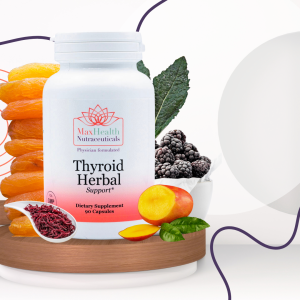
Thyroid Herbal Support 90s
$62.00
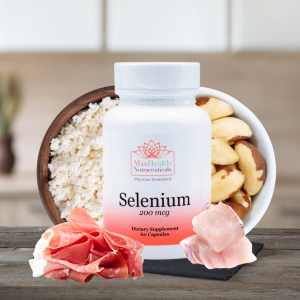
Selenium 200mcg 60s
$29.00
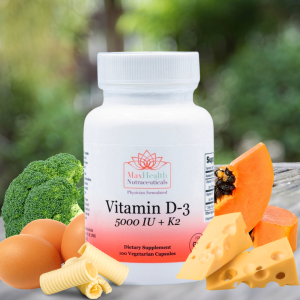
Vitamin D3 5000 IU + K2 CAPSULES 100s
$34.00
Affiliate disclosure: The product links below are affiliate links — we may earn a commission at no extra cost to you. Recommendations are based on clinical use, not commissions. Learn more.
Frequently Asked Questions
Common questions about thyroid nodules: when to worry, when to watch, and what functional medicine adds
Recommended Supplements
Professional-grade supplements from my MaxHealth Nutraceuticals line — the same formulas I use in clinical practice.
Thyroid Herbal Support 90s
Selenium 200mcg 60s
Vitamin D3 5000 IU + K2 CAPSULES 100s

Branch Basics Premium Starter Kit
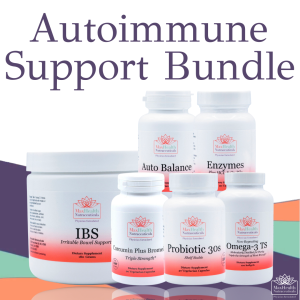
Autoimmune Support Bundle
Disclosure: This post contains affiliate links. If you purchase through these links, we may earn a small commission at no extra cost to you. Learn more.
About the Author
Dr. Nicolle is a double board-certified physician in Family Medicine and Preventive Medicine, with certifications in Functional Medicine and Lifestyle Medicine. She helps busy professionals over 40 optimize their health through root-cause approaches to cardiovascular, hormonal, and metabolic health.
Learn more about Dr. Nicolle →Explore Related Topics
Dive deeper into these connected health areas
Gut Health
Your gut is far more than a digestive organ — it's home to 70% of your immune system, produces key n…
Explore ❤️Metabolic Health
Metabolic health sits at the intersection of blood sugar regulation, cardiovascular function, body c…
Explore 🌸Women's Health
Women's health encompasses a complex interplay of hormonal cycles, reproductive biology, and unique …
Explore 💪Men's Health
Men's health involves a unique interplay of hormonal balance, cardiovascular resilience, metabolic e…
Explore 🧠Mental Health
Mental health is deeply interconnected with hormonal balance, gut health, blood sugar regulation, an…
Explore 📖Skin & Hair Health
Your skin and hair are windows into your internal health. Chronic acne, eczema, psoriasis, and hair …
ExploreReady to Address Your Health Concerns?
Book a Discovery Offer consultation to discuss how our functional medicine approach can help you achieve your health goals.
Book Your Discovery Offer