Subclinical Hypothyroidism: Should You Treat It? An Honest Physician Guide

- Subclinical hypothyroidism = TSH above normal with Free T4 still in range. Diagnose only after a repeat lab 6-8 weeks apart.
- Major RCTs show no average benefit of treatment in older patients — but subgroups (young/middle-aged, antibody-positive, pregnant, TSH >10, symptomatic) do benefit.
- Run the root-cause workup first: iron, vitamin D, selenium, cortisol, sleep, gut health, endocrine disruptors. Many patients normalize without medication.
- Pregnancy lowers the treatment threshold to TSH < 2.5 — this is non-negotiable.
The patient was 44, a senior product manager, and had been told three times in three years that her thyroid was "borderline." Her TSH had been 4.8, then 5.2, then 5.6. Her Free T4 had stayed inside the lab's reference range every time. Her PCP had said, accurately, that this technically met criteria for subclinical hypothyroidism — and, also accurately, that the guidelines did not strongly recommend treating someone like her. So nothing happened. Meanwhile she had gained 18 pounds, lost the outer third of her eyebrows, was sleeping nine hours and waking exhausted, and her cholesterol had risen 40 points.
Subclinical hypothyroidism (SCH) is the most common reason patients come to my functional medicine telehealth practice asking for a second opinion. It is also one of the most contested areas in modern endocrinology — and most of the heat comes from people arguing past each other. Conventional endocrinology, looking at large randomized trials of treatment, often concludes that the average patient does not benefit. Functional medicine practitioners, looking at the symptomatic patient in front of them, often conclude they do. Both are partially right. The actual answer is more nuanced, and it is the conversation I want to have here.
What Subclinical Hypothyroidism Actually Is
The textbook definition is precise: TSH above the upper limit of normal with a Free T4 still within the reference range. No more, no less. Subclinical hyperthyroidism is the mirror image — TSH below normal, Free T4 still in range.
The diagnostic catch is what counts as "the upper limit of normal." Most U.S. labs report TSH up to 4.5-5.0 mIU/L as normal. The National Academy of Clinical Biochemistry, the American Association of Clinical Endocrinologists, and a growing body of literature have argued that the true population reference range — once people with occult autoimmune thyroid disease are excluded — is closer to 0.4-2.5 mIU/L, with optimal closer to 1.0-2.0 (1). That is not a fringe functional-medicine number. It is in the published endocrine literature. The discrepancy is one of the main reasons the same TSH of 4.8 will be called "normal" in one office and "elevated" in another.
SCH is also defined by persistence. A single TSH between 4.5 and 10 should be repeated in 6-8 weeks before a diagnosis is made, because TSH is genuinely variable and acute illness, recent illness, recovery from severe stress, lab error, and biotin supplementation can all produce a transiently abnormal value.
How Common Is It?
Roughly 4-10% of U.S. adults meet criteria for SCH, with higher prevalence in women, in older adults, and in iodine-deficient regions (2). It is dramatically more common than overt hypothyroidism and is one of the most-frequently missed contributors to fatigue, weight gain, depression, and cholesterol elevation in midlife.
The Treatment Debate, Honestly Framed
The major randomized controlled trials of levothyroxine in SCH — most notably TRUST in older adults — found that treatment did not meaningfully improve symptoms, quality of life, or cognition in the average patient (3). That is the data. It is real, and dismissing it does no one any favors.
Where the data also gets honest is in the subgroup analyses and the studies the headlines do not cover:
- Younger and middle-aged patients with SCH show more consistent benefit from treatment than older patients, particularly for fatigue, weight regulation, and metabolic markers.
- TSH > 10 mIU/L is associated with progression to overt hypothyroidism, elevated cardiovascular risk, and is a guideline-supported treatment threshold across most major societies.
- Positive TPO antibodies (Hashimoto's) raise progression risk to roughly 4-5% per year, and most endocrinologists will treat earlier in this group.
- Pregnancy and preconception lower the treatment threshold substantially — TSH should generally be < 2.5 mIU/L in the first trimester, and treatment of SCH in this window has real impact on miscarriage rates and fetal neurodevelopment (4).
- Patients with symptoms genuinely consistent with hypothyroidism — not just fatigue, which has a hundred causes — show more individual treatment response than asymptomatic patients.
- LDL cholesterol elevation attributable to thyroid dysfunction often improves with treatment.
So the real clinical question is not "treat or don't treat" — it's "is *this* patient in a subgroup that benefits, and have we addressed everything else first?"
Quick Reference: Subclinical Hypothyroidism Decision Chart
This is the decision grid I work through with patients before either of us reaches for a prescription pad.
| TSH | TPO Antibodies | Age & Symptoms | My Default Approach |
|---|---|---|---|
| 4.5 - 7.0 | Negative | < 65, asymptomatic | Watchful waiting + root-cause workup; recheck in 6 - 12 weeks |
| 4.5 - 7.0 | Positive | Any age, any symptoms | Treat the autoimmunity first; low-dose levothyroxine if symptoms persist |
| 7.0 - 10.0 | Negative | < 65, mild symptoms | Trial of levothyroxine 25 - 50 mcg with 8 - 12 week reassessment |
| 7.0 - 10.0 | Positive | Any | Treat; recheck antibodies + free hormones in 12 weeks |
| > 10.0 | Any | Any | Treat — overt hypothyroidism by guideline |
| Any, pregnant or trying | Any | Preconception or pregnancy | Treat to TSH < 2.5 (first trimester) / < 3.0 (later trimesters) |
| Any | Any | > 80, frail | Generally do not treat unless TSH > 10 or clearly symptomatic |
My Decision Framework
The framework I use in practice, simplified:
- TSH > 10 mIU/L, persistent — treat.
- TSH 4.5-10, positive TPO antibodies, symptoms present — treat, usually low-dose levothyroxine starting at 25-50 mcg.
- TSH 4.5-10, positive TPO antibodies, asymptomatic — treat the autoimmune driver first (selenium, vitamin D, gluten consideration, gut workup); recheck at 12 weeks before committing to thyroid hormone.
- TSH 4.5-10, negative antibodies, symptoms present — run a full root-cause workup; treat if symptoms persist after 8-12 weeks of correcting reversible drivers.
- TSH 4.5-10, negative antibodies, asymptomatic — watchful waiting with repeat labs in 3-6 months.
- Pregnancy or active preconception — treat to TSH < 2.5; non-negotiable.
- Persistent TSH 2.5-4.5 with significant symptoms — run full workup; consider trial of treatment only after reversible drivers are addressed and symptoms remain.
This framework is more aggressive than the average endocrinology office and more conservative than the average wellness clinic — and it matches what the literature actually supports.
The Reversible Drivers Most Workups Miss
Before committing to lifelong thyroid hormone replacement, I want to know what is driving the TSH elevation. In many patients, particularly antibody-negative ones, TSH normalizes when one or more of these are addressed:
- Iodine and selenium deficiency. Both are common in restrictive diets and both directly impair thyroid hormone synthesis and conversion.
- Iron deficiency. Ferritin < 50 ng/mL impairs T4-to-T3 conversion and TPO enzyme function. This is the single most-missed driver in menstruating women.
- Vitamin D deficiency. 25-OH-D < 30 ng/mL is associated with elevated TSH and autoimmune thyroid activity.
- Chronic stress and cortisol dysregulation. High evening cortisol suppresses TSH acutely; chronic HPA axis dysfunction shifts the entire setpoint over time. See my cortisol guide.
- Caloric restriction and overtraining. Both lower T3 and raise TSH as an adaptive response. Treating this with thyroid hormone is the wrong answer; treating it with adequate nutrition is the right one.
- Poor sleep. Chronic sleep restriction shifts thyroid axis behavior measurably within weeks.
- Gut dysfunction. Roughly 20% of T4-to-T3 conversion occurs in the gut, and dysbiosis impairs it.
- Endocrine-disrupting chemicals — perchlorate (drinking water), PFAS, certain phthalates and flame retardants all interfere with thyroid hormone synthesis and signaling (5).
- Medications. Lithium, amiodarone, certain antiepileptics, and (acutely) high-dose biotin all affect either thyroid function or thyroid testing.
- Recent illness or inflammation. Acute and subacute illness produces "non-thyroidal illness syndrome" — labs can look like SCH and resolve spontaneously.
Running this workup once and treating what is found often produces a TSH in the 1-2 range without ever starting thyroid medication. When it doesn't, treatment becomes a much clearer decision.
The Functional Lab Panel I Run
- TSH, Free T4, Free T3, Reverse T3
- TPO antibodies and thyroglobulin antibodies
- Ferritin (target > 70 ng/mL for women), iron panel
- Vitamin D 25-OH (target 50-70 ng/mL)
- Selenium (or empirically supplement 200 mcg/day for 12 weeks)
- Zinc, magnesium
- Fasting insulin and HbA1c — insulin resistance interacts with thyroid function in both directions
- Comprehensive metabolic panel and lipid panel
- Cortisol pattern (4-point salivary or 24-hour urinary metabolites in symptomatic patients)
- Hormonal panel where indicated — estrogen, progesterone, testosterone, DHEA-S
Running the wrong panel — TSH alone, or TSH and Free T4 — is why most patients get told they are fine and feel terrible. Running the right panel is the difference.
When Treatment Is the Right Answer
When the decision is to treat, the implementation matters:
- Levothyroxine (T4) monotherapy remains first-line for most patients. Start low (25-50 mcg in younger patients, 12.5-25 mcg in older patients or those with cardiac disease), recheck TSH and Free T4 at 6-8 weeks.
- Take it correctly. First thing in the morning, on an empty stomach, separated by 30-60 minutes from food, coffee, calcium, iron, and most supplements. This single behavior change normalizes labs in many patients whose absorption has been the problem.
- Consider T3-containing therapy (combination T4/T3 or compounded preparations) in patients who normalize TSH and Free T4 on levothyroxine but remain symptomatic, particularly when Free T3 is persistently low or Reverse T3 is elevated. See the companion guide on T3 and combination thyroid medication.
- Don't chase TSH suppression. Over-replacement raises atrial fibrillation and osteoporosis risk, particularly in patients over 60.
- Address the upstream drivers in parallel. Treatment is not a substitute for fixing iron, vitamin D, cortisol, and gut function.
When Watchful Waiting Is the Right Answer
It's worth saying clearly: in asymptomatic patients with TSH 4.5-10 and negative antibodies, watchful waiting with appropriate root-cause work is genuinely correct. Many of these patients normalize on their own. Starting unnecessary thyroid hormone is not a benign decision — it requires lifelong monitoring, can produce iatrogenic hyperthyroidism, and rarely improves how the patient feels.
Common Mistakes I See
- Diagnosing SCH on a single TSH value
- Ignoring biotin supplementation (which can artifactually lower TSH and raise Free T4/Free T3 on certain immunoassays)
- Treating SCH without ever measuring antibodies
- Treating SCH in iron-deficient, vitamin-D-deficient, or chronically stressed patients without addressing those first
- Starting medication in pregnancy at the wrong threshold or too low a dose
- Stopping medication in pregnancy for fear of "harming the baby" — this is the opposite of what the evidence supports
A Realistic Closing
Subclinical hypothyroidism is the area where the conventional and functional medicine conversations should be most aligned and most often are not. The truth is in the middle: treat the patients whose data and biology say they will benefit, watch the ones who don't, and do the root-cause workup on everyone — because the patient with a TSH of 5.2, a ferritin of 22, a vitamin D of 18, and four hours of fragmented sleep doesn't have a thyroid problem first. They have everything else first, and a thyroid that is responding rationally.
If your TSH has been "borderline" for years and the only intervention has been re-checking the lab, that is the workup my practice exists to upgrade. We see patients across eight states by telehealth and coordinate local labs where needed.
Products and Protocols
For patients with subclinical hypothyroidism, I focus on reversible drivers before reaching for hormone replacement:
- Selenium 200mcg 60s — 200 mcg/day for 12 weeks to support T4-to-T3 conversion and lower antibodies if present
- Iodine Complex 120s — low-dose (around 150 mcg) only when iodine deficiency is documented
- Thyroid Herbal Support 90s — full-spectrum support with selenium, zinc, and adaptogenic herbs
- Vitamin D3 5000 IU + K2 — to correct deficiency, which is a common conversion blocker
- B Coenzyme Methyl Complex and Multi Mag — for the methylation and mitochondrial cofactors that thyroid hormone signaling depends on
- Adrenal (Energy & Stress) 120 Capsules — when chronic stress is suppressing the HPT axis
These products are part of my MaxHealth Nutraceuticals line, formulated with the doses and forms I use in my practice.
Evidence-Based Dosing Ranges and Safety Notes
- Selenium: 100-200 mcg/day is the supported therapeutic range; UL 400 mcg/day. Chronic intake above 800 mcg/day risks selenosis.
- Iodine: RDA 150 mcg/day (220 mcg pregnancy, 290 mcg lactation); UL 1,100 mcg/day. Stay at low-dose iodine in subclinical hypothyroidism unless deficiency is documented — excess iodine can convert subclinical disease into overt hypothyroidism in susceptible patients.
- Vitamin D3: 1,000-5,000 IU/day for repletion; UL 4,000 IU/day (IOM). Recheck 25(OH)D and serum calcium every 3 months on higher doses. Discuss K2 with your prescriber if you take warfarin.
- Magnesium glycinate or citrate: 200-400 mg elemental at bedtime; UL from supplements is 350 mg elemental (loose stools are the dose-limiting side effect). Reduce or avoid in advanced kidney disease.
- Methylated B vitamins (B12, folate): generally well tolerated; patients with slow COMT may feel anxious or wired and should start at half-dose.
- Adaptogens (ashwagandha, rhodiola) can raise T4 and stimulate the HPA axis; avoid in pregnancy and active autoimmune flares.
Medication timing. If you are placed on levothyroxine, separate it from iron, calcium, magnesium, fiber, and high-dose multivitamins by at least 4 hours — co-administration blunts absorption and falsely raises TSH. Educational content only; supplementation should be individualized to your labs and medications.
Interactions and Contraindications Checklist
Bring this list to your prescriber before starting or stacking any thyroid-active supplement:
- Thyroid hormone timing (levothyroxine, liothyronine, NDT): take on an empty stomach and separate by ≥4 hours from iron, calcium, magnesium, zinc, fiber, soy protein, and high-dose multivitamins — all measurably reduce absorption.
- Selenium: do not stack across products; combined intake >400 mcg/day risks selenosis. Avoid in patients already eating multiple Brazil nuts daily.
- Iodine: contraindicated in Graves' disease, toxic multinodular goiter, and active Hashimoto's flares. Avoid doses >500 mcg/day without documented deficiency and physician monitoring. Use caution with amiodarone, lithium, and potassium-sparing diuretics/ACE inhibitors/ARBs.
- Vitamin D3 + K2: K2 can interact with warfarin — coordinate INR monitoring. High-dose D3 is contraindicated in sarcoidosis, hypercalcemia, primary hyperparathyroidism, and active kidney stones.
- Ashwagandha and other adaptogens: avoid in pregnancy, lactation, active hyperthyroidism, and on immunosuppressants (tacrolimus, cyclosporine, mycophenolate). May potentiate sedatives, antidiabetic medications, and thyroid hormone.
- NAC: avoid within 2 hours of nitroglycerin (additive hypotension) and in active peptic ulcer disease; can interact with carbamazepine.
- Methylated B-complex: can drive anxiety or insomnia in MTHFR-sensitive individuals — lower the dose or take in the morning.
- Magnesium: separate from levothyroxine and from tetracycline/fluoroquinolone antibiotics by ≥4 hours. Use cautiously in advanced kidney disease.
- Adrenal/glandular formulas: contraindicated with corticosteroids, MAOIs, and in uncontrolled hypertension.
- Pregnancy and lactation: only iodine at RDA, selenium ≤200 mcg/day, and prenatal-appropriate vitamin D should be used without specialist guidance. Avoid adaptogens and antibody-lowering immune blends.
Red flag stop signs: rapid or irregular heartbeat, chest pain, severe headache, vision changes, jaundice, or rash after starting a new supplement — discontinue and contact your clinician immediately.
---
Related Thyroid Articles
Continue your thyroid education with these companion guides from our functional medicine series:
- Hashimoto's Thyroiditis: The Autoimmune Root Cause
- Hypothyroidism Symptoms: Recognizing and Reversing the Hidden Signs
- Thyroid Antibodies (TPO & Tg): What They Mean and How to Lower Them
- Thyroid Nodules: When to Worry, When to Watch
- T3 and Combination Thyroid Medication: A Physician's Guide
- Iodine and Selenium for Thyroid Health: Science and Risks
- Postpartum Thyroiditis: The Condition Most Moms Miss
References
- Wartofsky L, Dickey RA. The evidence for a narrower thyrotropin reference range is compelling. J Clin Endocrinol Metab. 2005;90(9):5483-5488.
- Hollowell JG, et al. Serum TSH, T(4), and thyroid antibodies in the United States population (1988 to 1994): NHANES III. J Clin Endocrinol Metab. 2002;87(2):489-499.
- Stott DJ, et al. Thyroid hormone therapy for older adults with subclinical hypothyroidism. NEJM. 2017;376(26):2534-2544. (TRUST trial)
- Alexander EK, et al. 2017 Guidelines of the American Thyroid Association for the diagnosis and management of thyroid disease during pregnancy and the postpartum. Thyroid. 2017;27(3):315-389.
- Boas M, et al. Environmental chemicals and thyroid function. Eur J Endocrinol. 2012.
Supplements for Hormone Optimization
Clinical-grade picks for this topic
Affiliate disclosure: The product links below are affiliate links — we may earn a commission at no extra cost to you. Recommendations are based on clinical use, not commissions. Learn more.
Frequently Asked Questions
Common questions about subclinical hypothyroidism: should you treat it? an honest physician guide
Recommended Supplements
Professional-grade supplements from my MaxHealth Nutraceuticals line — the same formulas I use in clinical practice.

Thyroid Herbal Support 90s
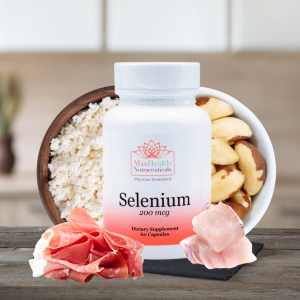
Selenium 200mcg 60s
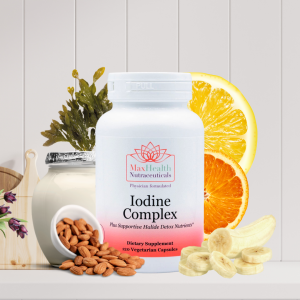
Iodine Complex 120s
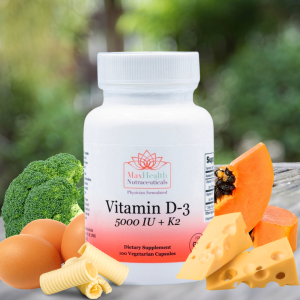
Vitamin D3 5000 IU + K2 CAPSULES 100s
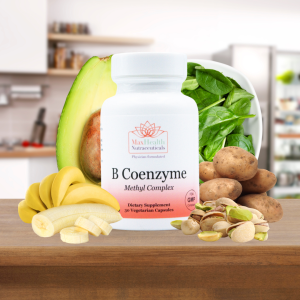
B Coenzyme Methyl Complex
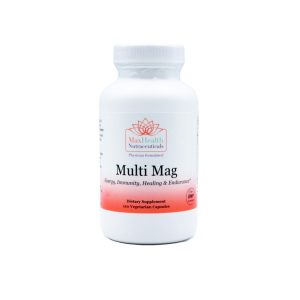
Multi Mag
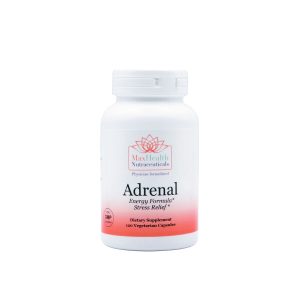
Adrenal (Energy & Stress) 120 Capsules
Disclosure: This post contains affiliate links. If you purchase through these links, we may earn a small commission at no extra cost to you. Learn more.
About the Author
Dr. Nicolle is a double board-certified physician in Family Medicine and Preventive Medicine, with certifications in Functional Medicine and Lifestyle Medicine. She helps busy professionals over 40 optimize their health through root-cause approaches to cardiovascular, hormonal, and metabolic health.
Learn more about Dr. Nicolle →Explore Related Topics
Dive deeper into these connected health areas
Gut Health
Your gut is far more than a digestive organ — it's home to 70% of your immune system, produces key n…
Explore ❤️Metabolic Health
Metabolic health sits at the intersection of blood sugar regulation, cardiovascular function, body c…
Explore 🌸Women's Health
Women's health encompasses a complex interplay of hormonal cycles, reproductive biology, and unique …
Explore 💪Men's Health
Men's health involves a unique interplay of hormonal balance, cardiovascular resilience, metabolic e…
Explore 🧠Mental Health
Mental health is deeply interconnected with hormonal balance, gut health, blood sugar regulation, an…
Explore 📖Skin & Hair Health
Your skin and hair are windows into your internal health. Chronic acne, eczema, psoriasis, and hair …
ExploreReady to Address Your Health Concerns?
Book a Discovery Offer consultation to discuss how our functional medicine approach can help you achieve your health goals.
Book Your Discovery Offer