Hashimoto's Thyroiditis: The Autoimmune Root Cause

- Hashimoto's is an autoimmune disease — thyroid medication alone doesn't address the immune attack
- Selenium 200mcg/day reduces TPO antibodies by 21% in clinical studies
- Gluten cross-reacts with thyroid tissue — removal is critical for most Hashimoto's patients
- Gut permeability, vitamin D deficiency, and stress are the top modifiable triggers
The levothyroxine was dosed correctly. Her TSH had been within range for two years. And yet the 48-year-old accountant sitting in my office still felt terrible. Hair still thinning. Weight still climbing despite eating 1,400 calories a day. Brain fog so dense she'd started making errors at work for the first time in her career. "My endocrinologist says my thyroid is fine now," she told me. "So what's wrong with me?"
What was wrong was that her Hashimoto's had never actually been treated. Her thyroid hormone had been replaced, yes, but the autoimmune attack destroying her thyroid was still raging unchecked. Her TPO antibodies were 1,200 IU/mL. Her selenium, vitamin D, and iron levels were all suboptimal. Nobody had addressed the gut dysfunction that was likely driving her immune system's confusion in the first place.
This is the fundamental limitation of the conventional approach to Hashimoto's: it treats the thyroid as an isolated organ and ignores the immune system entirely. But Hashimoto's is not primarily a thyroid disease. It's an autoimmune disease that happens to target the thyroid. The Autoimmune Protocol (AIP) offers a structured framework for calming this immune dysfunction.
Hashimoto's is not a thyroid problem. It's an immune system problem that targets the thyroid. Replacing hormone without addressing the autoimmune attack is like mopping a floor while the faucet is still running.
Understanding the Autoimmune Mechanism
Hashimoto's thyroiditis is the most common autoimmune disease worldwide and the leading cause of hypothyroidism in iodine-sufficient countries, affecting an estimated 14 million Americans (1). The immune system produces antibodies (primarily TPO antibodies and thyroglobulin antibodies) that attack thyroid tissue, gradually destroying the gland's ability to produce hormone.
What most patients aren't told is that this destruction often begins 7-10 years before TSH becomes abnormal. During this "subclinical" phase, patients may experience fatigue, weight gain, mood changes, and brain fog, but their labs look "normal" because the remaining thyroid tissue is working overtime to compensate. By the time TSH rises above range, significant thyroid damage has already occurred (2).
This is why antibody testing matters so much and why I believe it should be standard practice. A positive TPO antibody result tells you the autoimmune process has started, even if TSH is still within range. Early identification allows for intervention before irreversible damage occurs. Yet most conventional practitioners don't test antibodies unless TSH is already elevated, missing years of opportunity.
Why Levothyroxine Alone Isn't Enough
Standard treatment for Hashimoto's-induced hypothyroidism is levothyroxine (synthetic T4). The logic seems straightforward: the thyroid can't make enough hormone, so we replace it. And for TSH normalization, it works. But for symptom resolution, it often falls short, and the reasons are illuminating.
The Conversion Problem
T4 is a storage hormone that must be converted to T3 (the active form) in peripheral tissues, primarily the liver, gut, and kidneys. This conversion requires adequate levels of selenium, zinc, iron, and vitamin D. It's also impaired by chronic inflammation, cortisol dysregulation, gut dysfunction, and caloric restriction (3).
Many Hashimoto's patients have excellent T4 levels on medication but low free T3 because their conversion pathways are compromised. They also accumulate reverse T3 (rT3), an inactive form that blocks T3 receptors without producing metabolic activity. Standard testing (TSH only, or TSH plus free T4) doesn't capture this conversion failure.
The comprehensive panel I order for every thyroid patient includes:
| Marker | What It Reveals | Optimal Target | Conventional Testing? |
|---|---|---|---|
| TSH | Pituitary signal to thyroid | 1.0–2.0 mIU/L | ✓ Usually tested |
| Free T4 | Storage hormone availability | Upper half of range | ✓ Sometimes tested |
| Free T3 | Active hormone at cells | Upper third of range | ✗ Rarely tested |
| Reverse T3 | Inactive T3 blocking receptors | < 15 ng/dL | ✗ Almost never tested |
| TPO Antibodies | Autoimmune attack on thyroid | < 35 IU/mL (trending down) | ✗ Only if TSH elevated |
| Thyroglobulin Ab | Second autoimmune marker | < 1 IU/mL | ✗ Rarely ordered |
| Selenium | Key conversion cofactor | 125–150 mcg/L | ✗ Not standard |
| Vitamin D | Immune modulator | 50–80 ng/mL | ✗ Not thyroid-specific |
The Inflammation Connection
Hashimoto's is characterized by lymphocytic infiltration of the thyroid gland, which means the immune system is actively inflaming and destroying thyroid tissue. This inflammation doesn't stay local. Systemic inflammatory markers are elevated, affecting energy, mood, weight, and cognitive function independently of thyroid hormone levels. Patients can have "optimal" TSH and still feel terrible because the autoimmune inflammation is producing fatigue, joint pain, and brain fog on its own.
The Triggers: What Activates the Immune System?
Autoimmune thyroiditis doesn't appear randomly. It requires genetic susceptibility (HLA-DR3, HLA-DR4, HLA-DR5 genes are associated with increased risk) plus environmental triggers that activate the immune system. Identifying and removing these triggers is the cornerstone of functional medicine treatment for Hashimoto's.
Intestinal Permeability (Leaky Gut)
The association between intestinal permeability and autoimmune thyroid disease is well-established. Approximately 20% of thyroid hormone activation occurs in the gut, and dysbiosis directly impairs conversion. More importantly, increased intestinal permeability allows bacterial lipopolysaccharides (LPS) and food proteins to access the bloodstream, triggering immune activation. Molecular mimicry, where food proteins (particularly gluten's gliadin protein) structurally resemble thyroid tissue, is one proposed mechanism for how intestinal permeability leads to thyroid autoimmunity (4).
Gluten and Molecular Mimicry
The connection between celiac disease and Hashimoto's is established: they share HLA-DQ2/DQ8 genetic markers, and the prevalence of celiac disease in Hashimoto's patients is 2-5 times that of the general population. But even non-celiac gluten sensitivity may exacerbate Hashimoto's in some individuals. The gliadin protein has amino acid sequences that resemble thyroid peroxidase, potentially confusing the immune system through molecular mimicry (5).
Not every Hashimoto's patient needs to be gluten-free permanently, but a 90-day elimination trial with antibody monitoring before and after provides objective data about whether gluten is an immune trigger for that specific patient.
Nutrient Deficiencies
Selenium is arguably the single most important nutrient for Hashimoto's. It's a component of glutathione peroxidase (which protects the thyroid from oxidative damage during hormone synthesis) and of deiodinase enzymes (which convert T4 to T3). Multiple randomized controlled trials have demonstrated that selenium supplementation (200 mcg daily as selenomethionine) significantly reduces TPO antibodies in Hashimoto's patients, with some studies showing a 40% reduction within 3-6 months (6).
Selenium supplementation (200 mcg/day as selenomethionine) has been shown in multiple RCTs to reduce TPO antibodies by up to 40% within 3-6 months. It's one of the most evidence-backed interventions specifically for Hashimoto's.
Vitamin D deficiency is consistently associated with higher antibody levels and increased Hashimoto's severity. Iron deficiency impairs thyroid peroxidase activity directly. Zinc is required for thyroid hormone synthesis and T4-to-T3 conversion. Correcting these deficiencies is foundational and should precede any medication adjustments.
Chronic Infections and Toxin Exposure
Epstein-Barr virus (EBV) reactivation is found at higher rates in Hashimoto's patients compared to controls. H. pylori infection and Yersinia enterocolitica have also been implicated. Environmental toxins, particularly fluoride, bromide (which compete with iodine at the thyroid), mercury, and bisphenol A (BPA), are endocrine disruptors with documented effects on thyroid function and autoimmunity (7).
Stress and the HPA-Thyroid Axis
Chronic stress and cortisol dysregulation suppress the HPT (hypothalamic-pituitary-thyroid) axis at every level. Elevated cortisol directly inhibits TSH secretion, impairs T4-to-T3 conversion, and increases intestinal permeability, amplifying autoimmune activity. I've seen patients whose antibodies spike during periods of intense stress and decline when stress management practices are implemented.
Quick Reference: Hashimoto's Trigger Audit Chart
The first appointment I run for any patient with rising antibodies is a structured trigger audit. This is the chart we work through together.
| Trigger Category | What I Test or Ask | What "Trigger Present" Looks Like | First-Line Action |
|---|---|---|---|
| Gluten | Symptom history, tTG-IgA, total IgA | Symptoms relieved off gluten, or any positive serology | Strict gluten elimination ≥ 90 days |
| Gut permeability | Zonulin, stool calprotectin, SIBO breath test | Elevated zonulin or active SIBO | GI Soothe protocol, treat SIBO, repair phase |
| Vitamin D | 25-OH vitamin D | < 50 ng/mL | D3 5,000 IU + K2 to target 60 - 80 ng/mL |
| Selenium | RBC selenium or dietary recall | < 120 ng/mL or no Brazil nuts / seafood | 200 mcg selenomethionine daily |
| Iron status | Ferritin, transferrin saturation | Ferritin < 70 ng/mL | Iron bisglycinate; address blood loss / absorption |
| Chronic infection | EBV VCA-IgG / EA / EBNA, H. pylori, Lyme history | Active reactivation pattern or positive history | Targeted antimicrobial / antiviral protocol |
| Environmental toxins | History of mold, plastics, pesticides | Water-damaged building, high BPA / phthalate exposure | Remove source; binder + glutathione support |
| Estrogen dominance | Day 21 progesterone, estrogen metabolites | Heavy cycles, fibroids, low progesterone | Liver detox support, address insulin resistance |
| HPA-axis stress | 4-point cortisol, DHEA-S | Flattened curve, low DHEA | Adaptogens, sleep protocol, boundaries work |
A Functional Medicine Treatment Framework
Phase 1: Optimize the Foundation
Address nutrient deficiencies (selenium 200 mcg, vitamin D to 50-80 ng/mL, iron/ferritin to 50-80 ng/mL, zinc 25-30 mg), evaluate and treat gut dysfunction (test for SIBO, assess intestinal permeability, comprehensive stool analysis), implement an anti-inflammatory dietary pattern, and begin stress management practices.
Phase 2: Remove Triggers
Trial gluten elimination for 90 days with pre/post antibody testing. Screen for chronic infections (EBV, H. pylori). Reduce environmental toxin exposure (filter water for fluoride and chlorine, switch to glass food storage, choose clean personal care products). Evaluate medication contributions (lithium, amiodarone, interferon, and excess iodine can all trigger or worsen thyroid autoimmunity).
Phase 3: Modulate the Immune Response
Beyond selenium, specific interventions that modulate thyroid autoimmunity include vitamin D optimization (immunomodulatory at levels above 50 ng/mL), omega-3 fatty acids (2-4g EPA/DHA daily for anti-inflammatory effects), low-dose naltrexone (LDN, 1.5-4.5 mg at bedtime, which modulates immune function by transiently blocking opioid receptors), curcumin and specialized pro-resolving mediators (SPMs) for inflammation resolution, and myoinositol plus selenium (a combination shown in multiple studies to reduce TSH and antibodies) (8).
Phase 4: Optimize Thyroid Hormone Replacement
Once the underlying drivers are addressed, reassess thyroid medication. Some patients improve enough to reduce their dose. Others benefit from adding T3 (either as liothyronine or natural desiccated thyroid) to address persistent conversion issues. Medication optimization should follow immune and nutritional optimization, not precede it.
Monitoring Progress
I track antibody levels every 3-4 months. A downward trend in TPO antibodies is the clearest objective marker that the autoimmune process is being modulated. Many of my Hashimoto's patients see antibodies drop from 1,000+ to under 100 within 12-18 months of comprehensive treatment, and this correlates directly with symptom improvement.
Functional lab testing should also reassess nutrient cofactors, inflammatory markers, and the complete thyroid panel to ensure the entire system is responding.
Where This Leaves You
If you're on thyroid medication and still symptomatic, the issue isn't that you need a higher dose. It's that the autoimmune process driving your disease has never been addressed. Replacing hormone while ignoring the immune system is like mopping a floor while the faucet is still running.
Our Discovery Offer consultation includes comprehensive thyroid and immune testing to identify the triggers behind your Hashimoto's and build a treatment plan that goes beyond hormone replacement.
Products and Protocols
When treating Hashimoto's in my practice, I focus on immune modulation alongside hormone optimization:
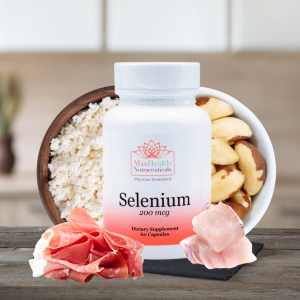
- Selenium 200mcg 60s — 200 mcg/day for 3-6 months to lower TPO antibodies and support T4-to-T3 conversion
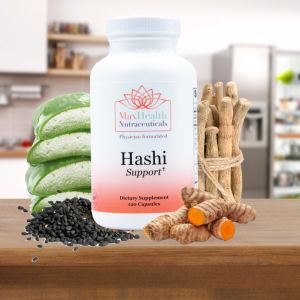
- Hashi Support — formulated specifically for Hashimoto's patients with targeted immune-modulating nutrients
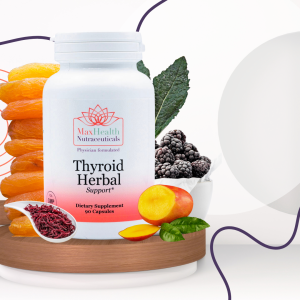
- Thyroid Herbal Support 90s — full-spectrum support with selenium, zinc, and herbal cofactors for thyroid function
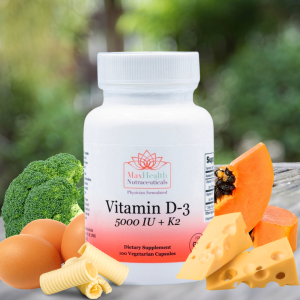
- Vitamin D3 5000 IU + K2 — repletion to 50-70 ng/mL, associated with lower antibody titers and improved immune regulation
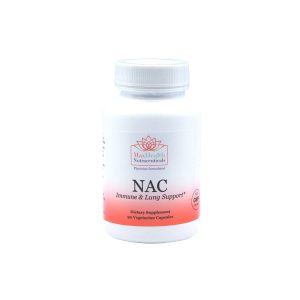
- NAC 90s — N-acetylcysteine for glutathione support and gut-immune axis modulation
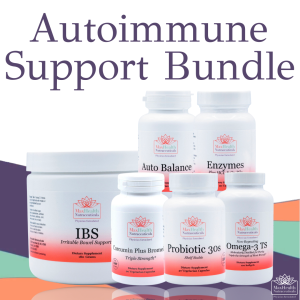
- Autoimmune Support Bundle — comprehensive immune support for patients with active autoimmune thyroiditis
- GI Soothe (Powder) 168 Grams — gut repair support to address intestinal permeability, a key trigger for thyroid autoimmunity
- B Coenzyme Methyl Complex — methylated B12 and folate for energy, mood, and methylation support
- Multi Mag — magnesium for stress recovery, sleep, and constipation common in hypothyroidism
- Adrenal (Energy & Stress) 120 Capsules — HPA axis support for patients with concurrent cortisol dysregulation
These products are available through my MaxHealth Nutraceuticals line at the exact doses and forms I use clinically.
Evidence-Based Dosing Ranges and Safety Notes
- Selenium: therapeutic range 100-200 mcg/day; tolerable upper limit (UL) 400 mcg/day per the Institute of Medicine. Chronic intake above 800 mcg/day risks selenosis — brittle hair and nails, GI upset, and peripheral neuropathy.
- Iodine: RDA 150 mcg/day for non-pregnant adults (220 mcg in pregnancy, 290 mcg in lactation); UL 1,100 mcg/day. In patients with active Hashimoto's, high-dose preparations (Lugol's, Iodoral, kelp megadoses) can trigger autoimmune flares and should be avoided unless deficiency is documented and monitored.
- Vitamin D3: 1,000-5,000 IU/day for repletion; UL 4,000 IU/day per the IOM. Higher doses warrant 25(OH)D and serum calcium monitoring every 3 months. If you take warfarin, discuss combined K2 dosing with your prescriber.
- Ashwagandha (a common ingredient in thyroid herbal blends) can raise T4 levels; use cautiously in untreated hyperthyroidism, pregnancy, and active autoimmune flares.
- NAC: generally well tolerated at 600-1,200 mg/day; avoid within 2 hours of nitroglycerin and in active peptic ulcer disease.
When to call your clinician: new palpitations, tremor, neck swelling, unintended weight loss, or worsening anxiety after starting any thyroid-active supplement warrant prompt evaluation. This information is educational and not a substitute for individualized medical advice — supplementation decisions should be guided by current labs and your full medication list.
Interactions and Contraindications Checklist
Bring this list to your prescriber before starting or stacking any thyroid-active supplement:
- Thyroid hormone timing (levothyroxine, liothyronine, NDT): take on an empty stomach and separate by ≥4 hours from iron, calcium, magnesium, zinc, fiber, soy protein, and high-dose multivitamins — all measurably reduce absorption.
- Selenium: do not stack across products; combined intake >400 mcg/day risks selenosis. Avoid in patients already eating multiple Brazil nuts daily.
- Iodine: contraindicated in Graves' disease, toxic multinodular goiter, and active Hashimoto's flares. Avoid doses >500 mcg/day without documented deficiency and physician monitoring. Use caution with amiodarone, lithium, and potassium-sparing diuretics/ACE inhibitors/ARBs.
- Vitamin D3 + K2: K2 can interact with warfarin — coordinate INR monitoring. High-dose D3 is contraindicated in sarcoidosis, hypercalcemia, primary hyperparathyroidism, and active kidney stones.
- Ashwagandha and other adaptogens: avoid in pregnancy, lactation, active hyperthyroidism, and on immunosuppressants (tacrolimus, cyclosporine, mycophenolate). May potentiate sedatives, antidiabetic medications, and thyroid hormone.
- NAC: avoid within 2 hours of nitroglycerin (additive hypotension) and in active peptic ulcer disease; can interact with carbamazepine.
- Methylated B-complex: can drive anxiety or insomnia in MTHFR-sensitive individuals — lower the dose or take in the morning.
- Magnesium: separate from levothyroxine and from tetracycline/fluoroquinolone antibiotics by ≥4 hours. Use cautiously in advanced kidney disease.
- Adrenal/glandular formulas: contraindicated with corticosteroids, MAOIs, and in uncontrolled hypertension.
- Pregnancy and lactation: only iodine at RDA, selenium ≤200 mcg/day, and prenatal-appropriate vitamin D should be used without specialist guidance. Avoid adaptogens and antibody-lowering immune blends.
Red flag stop signs: rapid or irregular heartbeat, chest pain, severe headache, vision changes, jaundice, or rash after starting a new supplement — discontinue and contact your clinician immediately.
---
Related Thyroid Articles
Continue your thyroid education with these companion guides from our functional medicine series:
- Hypothyroidism Symptoms: Recognizing and Reversing the Hidden Signs
- Subclinical Hypothyroidism: Should You Treat It?
- Thyroid Antibodies (TPO & Tg): What They Mean and How to Lower Them
- Thyroid Nodules: When to Worry, When to Watch
- T3 and Combination Thyroid Medication: A Physician's Guide
- Iodine and Selenium for Thyroid Health: Science and Risks
- Postpartum Thyroiditis: The Condition Most Moms Miss
References
- Garber JR, et al. Clinical practice guidelines for hypothyroidism in adults. Thyroid. 2012;22(12):1200-1235. https://doi.org/10.1089/thy.2012.0205
- Vanderpump MPJ. The epidemiology of thyroid disease. British Medical Bulletin. 2011;99(1):39-51. https://doi.org/10.1093/bmb/ldr030
- Bianco AC, Kim BW. Deiodinases: implications of the local control of thyroid hormone action. Journal of Clinical Investigation. 2006;116(10):2571-2579. https://doi.org/10.1172/JCI29812
- Fasano A. Leaky gut and autoimmune diseases. Clinical Reviews in Allergy & Immunology. 2012;42(1):71-78. https://doi.org/10.1007/s12016-011-8291-x
- Vojdani A, et al. The prevalence of antibodies against wheat and milk proteins in blood donors and their contribution to neuroimmune reactivities. Nutrients. 2014;6(1):15-36. https://doi.org/10.3390/nu6010015
- Wichman J, et al. Selenium supplementation significantly reduces thyroid autoantibodies: a systematic review and meta-analysis. Thyroid. 2016;26(12):1681-1692. https://doi.org/10.1089/thy.2016.0256
- Brent GA. Environmental exposures and autoimmune thyroid disease. Thyroid. 2010;20(7):755-761. https://doi.org/10.1089/thy.2010.1636
- Nordio M, Basciani S. Treatment with myo-inositol and selenium ensures euthyroidism in patients with autoimmune thyroiditis. International Journal of Endocrinology. 2017;2017:2549491. https://doi.org/10.1155/2017/2549491
Supplements for Hormone Optimization
Clinical-grade picks for this topic

Thera360 PLUS Portable Sauna
$1,428.00

Branch Basics Premium Starter Kit
$75.00
Thyroid Herbal Support 90s
$62.00
Affiliate disclosure: The product links below are affiliate links — we may earn a commission at no extra cost to you. Recommendations are based on clinical use, not commissions. Learn more.
Frequently Asked Questions
Common questions about hashimoto's thyroiditis: the autoimmune root cause
Recommended Supplements
Professional-grade supplements from my MaxHealth Nutraceuticals line — the same formulas I use in clinical practice.
Thera360 PLUS Portable Sauna
Branch Basics Premium Starter Kit
Thyroid Herbal Support 90s
Selenium 200mcg 60s
Auto Balance
Vitamin D3 5000 IU + K2 CAPSULES 100s
NAC 90s
Hashi Support
Mushroom Complex 60s
Autoimmune Support Bundle
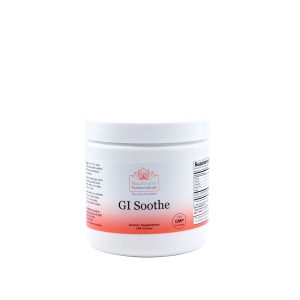
GI Soothe (Powder) 168 Grams
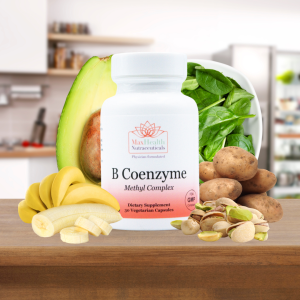
B Coenzyme Methyl Complex
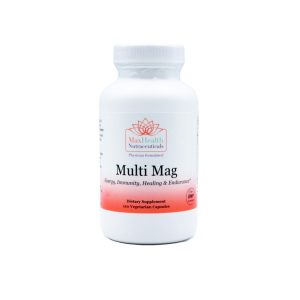
Multi Mag
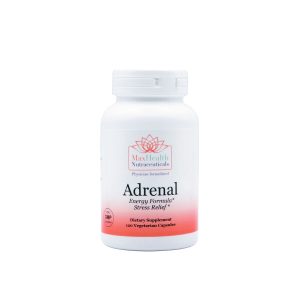
Adrenal (Energy & Stress) 120 Capsules
Disclosure: This post contains affiliate links. If you purchase through these links, we may earn a small commission at no extra cost to you. Learn more.
About the Author
Dr. Nicolle is a double board-certified physician in Family Medicine and Preventive Medicine, with certifications in Functional Medicine and Lifestyle Medicine. She helps busy professionals over 40 optimize their health through root-cause approaches to cardiovascular, hormonal, and metabolic health.
Learn more about Dr. Nicolle →Explore Related Topics
Dive deeper into these connected health areas
Gut Health
Your gut is far more than a digestive organ — it's home to 70% of your immune system, produces key n…
Explore ❤️Metabolic Health
Metabolic health sits at the intersection of blood sugar regulation, cardiovascular function, body c…
Explore 💪Men's Health
Men's health involves a unique interplay of hormonal balance, cardiovascular resilience, metabolic e…
Explore 🧠Mental Health
Mental health is deeply interconnected with hormonal balance, gut health, blood sugar regulation, an…
Explore 📖Skin & Hair Health
Your skin and hair are windows into your internal health. Chronic acne, eczema, psoriasis, and hair …
ExploreReady to Address Your Health Concerns?
Book a Discovery Offer consultation to discuss how our functional medicine approach can help you achieve your health goals.
Book Your Discovery Offer