Chronic Inflammation: The Hidden Driver Behind Disease

- Chronic inflammation is the common thread behind heart disease, diabetes, autoimmunity, and neurodegeneration
- hs-CRP, homocysteine, and fasting insulin are the key biomarkers — standard panels often skip them
- The gut is the #1 source of chronic inflammation in most patients
- An anti-inflammatory lifestyle (diet, sleep, stress management) is more powerful than any single supplement
If I had to pick one concept that connects nearly every patient I treat, it would be chronic inflammation. The 38-year-old with PCOS and acne. The 55-year-old with rising cardiovascular markers. The 44-year-old with Hashimoto's who can't lose weight. The 60-year-old with early cognitive decline. Different symptoms, different diagnoses, but the same underlying fire.
Chronic inflammation isn't a disease itself. It's a state, one where the immune system stays activated at low levels indefinitely, slowly damaging tissues, disrupting hormones, and accelerating aging. Understanding inflammation as a root cause, rather than treating each downstream symptom individually, is one of the most important shifts you can make in how you approach your health.
Acute vs. Chronic: Two Very Different Animals
Acute inflammation is a survival mechanism. You cut your finger, and within seconds, the immune system sends white blood cells, inflammatory mediators, and repair factors to the site. The area gets red, warm, and swollen. Healing happens. Inflammation resolves. This process is essential and healthy.
Chronic inflammation is something entirely different. It occurs when the immune system stays activated in the absence of an acute threat, or when it can't fully resolve a response because the trigger is ongoing. Instead of the intense, short-lived cascade of acute inflammation, chronic inflammation is a slow burn: persistently elevated inflammatory cytokines (IL-6, TNF-alpha, IL-1beta), slightly elevated hs-CRP, and gradual tissue damage that accumulates over years before symptoms become obvious (1).
By the time chronic inflammation produces a diagnosable condition, whether that's heart disease, type 2 diabetes, Alzheimer's, or cancer, the inflammatory process has typically been active for a decade or more.
Chronic inflammation isn't a disease — it's a state. By the time it produces a diagnosable condition, the inflammatory process has usually been active for a decade or more. An hs-CRP below 1.0 mg/L (not the standard "below 3.0") is the target that reflects true metabolic health.
The Seven Sources
In my clinical experience, chronic inflammation almost always traces back to one or more of these seven sources. Most patients have two or three contributing simultaneously.
1. Gut Dysfunction
The gut contains 70% of the immune system, so it's no surprise that gut problems are the most common source of systemic inflammation. Intestinal permeability (leaky gut) allows bacterial fragments (lipopolysaccharides or LPS) to enter the bloodstream, triggering a persistent immune response called metabolic endotoxemia. Dysbiosis, SIBO, and food sensitivities all contribute to this cycle.
2. Diet
The standard American diet is profoundly inflammatory. Refined seed oils (soybean, canola, corn oil) provide excessive omega-6 fatty acids that fuel inflammatory prostaglandin production. Refined sugar and flour spike blood sugar and insulin, both of which are independently inflammatory. Ultra-processed foods contain emulsifiers, preservatives, and artificial ingredients that directly damage the gut lining (2).
An anti-inflammatory diet rich in omega-3 fatty acids, polyphenols, fiber, and antioxidants can reduce hs-CRP by 20-40% within weeks.
3. Blood Sugar Dysregulation
Insulin resistance and chronic hyperglycemia are potent drivers of inflammation. Elevated blood sugar causes glycation, where sugar molecules attach to proteins and form advanced glycation end products (AGEs). These AGEs activate inflammatory receptors (RAGE receptors) throughout the body, damaging blood vessels, neurons, and connective tissue.
This is why diabetic complications affect so many organ systems simultaneously, and why addressing blood sugar is one of the highest-leverage anti-inflammatory interventions available.
4. Chronic Infections
Unresolved infections, whether viral (EBV reactivation, cytomegalovirus), bacterial (H. pylori, tick-borne infections), or fungal (Candida overgrowth), keep the immune system in a constant state of activation. These "stealth infections" often don't cause obvious acute symptoms but contribute to persistent low-grade inflammation.
EBV reactivation in particular is increasingly linked to autoimmune conditions and chronic fatigue.
5. Environmental Toxins
We're exposed to thousands of synthetic chemicals daily through food, water, air, and consumer products. Heavy metals (mercury, lead, arsenic), pesticides, plasticizers (BPA, phthalates), and mold mycotoxins all trigger inflammatory immune responses. The liver's detoxification pathways can become overwhelmed, allowing inflammatory toxins to accumulate.
6. Psychological Stress
Chronic stress elevates cortisol, which initially suppresses inflammation. But when stress is unrelenting, cortisol receptors downregulate (a process called cortisol resistance), and the immune system loses its braking mechanism. The result is paradoxical: chronically stressed people have elevated cortisol AND elevated inflammation, the worst of both worlds (3).
Sleep deprivation amplifies this effect. Just one night of restricted sleep measurably increases inflammatory markers.
7. Sedentary Lifestyle
Physical inactivity promotes visceral fat accumulation, and visceral fat is an active endocrine organ that produces inflammatory cytokines (adipokines). Regular moderate exercise, by contrast, produces anti-inflammatory myokines from muscle tissue. The dose matters: moderate exercise is anti-inflammatory, while excessive high-intensity training without adequate recovery can increase inflammation.
Testing for Inflammation
Standard blood tests often miss chronic inflammation because they weren't designed to detect it. Here's what I order.
hs-CRP (high-sensitivity C-reactive protein): The most useful single marker. Optimal is below 1.0 mg/L (not just "below 3.0," which is the standard lab range). Levels between 1.0-3.0 indicate moderate inflammation. Above 3.0 suggests significant inflammation or active infection.
Homocysteine: Elevated levels (above 7 umol/L optimally) indicate methylation problems and vascular inflammation, often correctable with B vitamins.
Fasting insulin: An early marker of metabolic inflammation. Optimal is 2-6 uIU/mL. Above 10 indicates insulin resistance and associated inflammation.
Omega-3 Index: Measures the percentage of omega-3 fatty acids in red blood cell membranes. Below 4% is high-risk for inflammatory disease. Optimal is 8-12%.
Additional markers: Ferritin (can indicate inflammation when elevated), ESR, fibrinogen, uric acid, and LP-PLA2 (a specific cardiovascular inflammation marker) provide additional context when the clinical picture warrants it.
| Marker | What It Measures | Standard "Normal" | Optimal Target |
|---|---|---|---|
| hs-CRP | Systemic inflammation | < 3.0 mg/L | < 1.0 mg/L |
| Homocysteine | Methylation & vascular inflammation | < 15 µmol/L | < 7 µmol/L |
| Fasting Insulin | Metabolic inflammation | 2–20 µIU/mL | 2–6 µIU/mL |
| Omega-3 Index | Anti-inflammatory fatty acid status | Not routinely tested | 8–12% |
| Ferritin | Iron stores / inflammation marker | 12–150 ng/mL | 50–80 ng/mL (not elevated) |
| ESR | Non-specific inflammation | < 20 mm/hr | < 10 mm/hr |
Comprehensive functional testing can also identify specific sources: gut testing for dysbiosis and permeability, organic acids for metabolic inflammation, and environmental toxin panels for toxic burden.
The Anti-Inflammatory Protocol
Reducing chronic inflammation requires identifying and addressing your specific sources, not just applying generic advice. However, these foundational strategies benefit nearly everyone.
Nutrition Foundation
Adopt an anti-inflammatory eating pattern: abundant colorful vegetables, wild-caught fatty fish, olive oil, nuts, seeds, and berries. Eliminate refined seed oils, added sugars, and ultra-processed foods. Consider a 30-day elimination of gluten, dairy, and corn to assess sensitivity.
Gut Restoration
Test, don't guess. Comprehensive stool testing identifies infections, dysbiosis, and inflammatory markers. Address findings systematically: remove pathogens, restore beneficial microbiome diversity, repair the gut barrier, and rebalance the ecosystem.
Stress Physiology
Daily stress-reduction practice isn't self-indulgence. It's medicine. Even 10 minutes of meditation, breathwork, or mindful walking has been shown to reduce inflammatory cytokines. Prioritize sleep as aggressively as you'd prioritize any medication.
Movement
150 minutes of moderate aerobic activity plus 2 sessions of resistance training per week is the minimum effective dose for anti-inflammatory benefits. Walking, swimming, cycling, and yoga are particularly well-suited. Avoid chronic high-intensity training without adequate recovery.
Targeted Supplementation
Omega-3 fatty acids (2-4g combined EPA/DHA daily) have the strongest evidence for reducing inflammatory markers. Curcumin (500-1000mg with piperine for absorption) modulates NF-kB signaling. Vitamin D at adequate levels (50-80 ng/mL) is essential for immune regulation. Magnesium (300-400mg daily) supports hundreds of anti-inflammatory enzymatic reactions (4).
Toxin Reduction
Filter your water (reverse osmosis or high-quality carbon filter). Choose organic produce for the "Dirty Dozen." Switch to non-toxic cleaning and personal care products. Support liver detoxification with cruciferous vegetables, adequate hydration, and sweating (sauna, exercise).
The Compounding Effect
The encouraging reality is that anti-inflammatory interventions compound. When you improve diet, the gut heals. When the gut heals, nutrient absorption improves. When nutrients are optimized, thyroid function and hormone production improve. When hormones are balanced, stress resilience increases. When stress decreases, sleep improves. When sleep improves, inflammation drops further.
This is the opposite of the disease spiral that most patients experience, where one problem feeds another in a cascade of declining health. A comprehensive anti-inflammatory approach creates an ascending spiral of improvement.
If you suspect chronic inflammation is at the root of your health concerns, book a Discovery Offer consultation to get comprehensive testing and a personalized anti-inflammatory protocol, or take our Wellness Quiz to start identifying your top priorities.
References
- Furman D, et al. Chronic inflammation in the etiology of disease across the life span. Nature Medicine. 2019;25(12):1822-1832. https://doi.org/10.1038/s41591-019-0675-0
- Zinöcker MK, Lindseth IA. The Western diet-microbiome-host interaction and its role in metabolic disease. Nutrients. 2018;10(3):365. https://doi.org/10.3390/nu10030365
- Cohen S, et al. Chronic stress, glucocorticoid receptor resistance, inflammation, and disease risk. PNAS. 2012;109(16):5995-5999. https://doi.org/10.1073/pnas.1118355109
- Nielsen FH. Magnesium deficiency and increased inflammation: current perspectives. Journal of Inflammation Research. 2018;11:25-34. https://doi.org/10.2147/JIR.S136742
Supplements for Gut Health
Clinical-grade picks for this topic
Affiliate disclosure: The product links below are affiliate links — we may earn a commission at no extra cost to you. Recommendations are based on clinical use, not commissions. Learn more.
Frequently Asked Questions
Common questions about chronic inflammation: the hidden driver behind disease
Recommended Supplements
Professional-grade supplements from my MaxHealth Nutraceuticals line — the same formulas I use in clinical practice.

Austin Air HealthMate Plus®

Thera360 PLUS Portable Sauna

SMART Yoga Mat (Green)

Branch Basics Premium Starter Kit
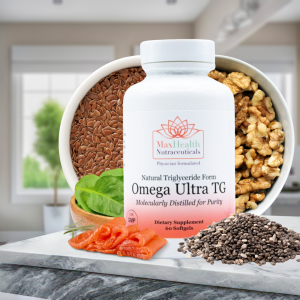
Omega Ultra TG
NAC 90s
Probiotic 40 Billion CFU – 60s (shelf stable)
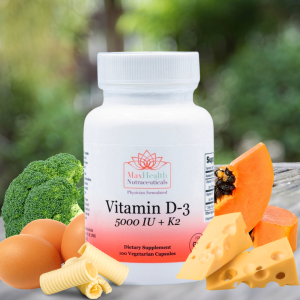
Vitamin D3 5000 IU + K2 CAPSULES 100s
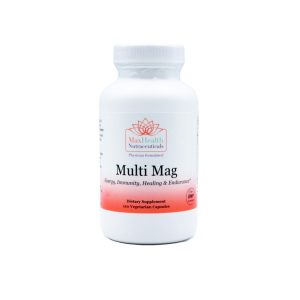
Multi Mag
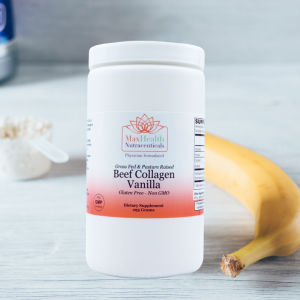
Beef Collagen Vanilla
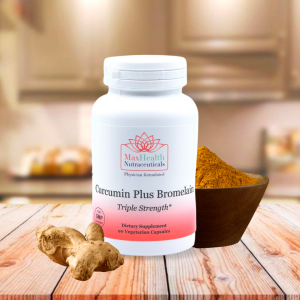
Curcumin Plus Bromelain 90s
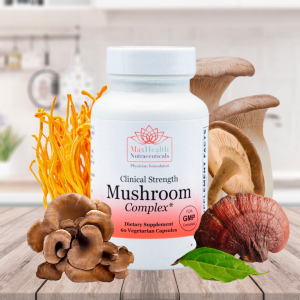
Mushroom Complex 60s
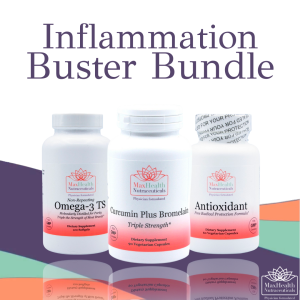
Inflammation Buster Bundle
Disclosure: This post contains affiliate links. If you purchase through these links, we may earn a small commission at no extra cost to you. Learn more.
About the Author
Dr. Nicolle is a double board-certified physician in Family Medicine and Preventive Medicine, with certifications in Functional Medicine and Lifestyle Medicine. She helps busy professionals over 40 optimize their health through root-cause approaches to cardiovascular, hormonal, and metabolic health.
Learn more about Dr. Nicolle →Explore Related Topics
Dive deeper into these connected health areas
Hormone Health
Hormones are the chemical messengers that regulate virtually every process in your body — from metab…
Explore 🌸Women's Health
Women's health encompasses a complex interplay of hormonal cycles, reproductive biology, and unique …
Explore 📖Skin & Hair Health
Your skin and hair are windows into your internal health. Chronic acne, eczema, psoriasis, and hair …
ExploreReady to Address Your Health Concerns?
Book a Discovery Offer consultation to discuss how our functional medicine approach can help you achieve your health goals.
Book Your Discovery Offer