The Anti-Inflammatory Diet: What It Actually Is (and What It Isn't)

- Chronic low-grade inflammation drives most modern diseases — diet is the most powerful lever
- A Mediterranean-style pattern reduces cardiovascular events by 30% (PREDIMED trial)
- Omega-3 index, hs-CRP, and gut microbiome diversity are key biomarkers to track
- It's not about perfection — an 80/20 approach with consistent anti-inflammatory foods works
I want to start by saying something that might surprise you, coming from a functional medicine physician: I don't love the term "anti-inflammatory diet." Not because the concept is wrong, but because it's become so diluted by marketing that it's almost meaningless. Every supplement company, meal delivery service, and wellness influencer slaps "anti-inflammatory" on their products. Turmeric lattes. Bone broth cleanses. Elimination diets so restrictive they create more stress (and inflammation) than they resolve.
So let me cut through the noise. Chronic inflammation is real, measurable, and directly linked to virtually every major chronic disease, from cardiovascular disease and diabetes to autoimmunity, neurodegenerative conditions, and certain cancers (1). Using food strategically as medicine to modulate that inflammation is one of the most powerful interventions in functional medicine. But the way to do it is more practical and less glamorous than social media suggests.
Inflammation: A Quick Primer on What We're Actually Targeting
Acute inflammation is your immune system doing its job: responding to injury, infection, or tissue damage with a coordinated cascade of immune cells, cytokines, and repair signals. It hurts, it swells, it heals, it resolves. This is healthy.
Chronic low-grade inflammation is what we're addressing with dietary intervention. It's characterized by persistently elevated inflammatory markers like hs-CRP, IL-6, TNF-alpha, and sometimes elevated ESR, without an acute trigger. It simmers below the threshold of obvious symptoms for years, silently promoting insulin resistance, endothelial dysfunction, oxidative stress, and immune dysregulation (2).
The standard American diet is likely the single largest contributor to chronic inflammation in industrialized populations. A 2019 analysis in the *Journal of the American College of Cardiology* found that pro-inflammatory dietary patterns were associated with a 38% increased risk of cardiovascular disease, a 44% increased risk of certain cancers, and a 46% increase in all-cause mortality compared to anti-inflammatory patterns (3).
Those aren't marginal numbers. Food isn't a supplement. It's the metabolic environment your cells operate in every single day.
What an Anti-Inflammatory Diet Actually Looks Like
The dietary patterns with the strongest anti-inflammatory evidence aren't exotic or complicated. They share core principles that converge regardless of cultural context.
The Mediterranean Pattern
The Mediterranean diet has the deepest evidence base. The PREDIMED trial, a randomized study of over 7,400 participants published in the *New England Journal of Medicine*, demonstrated a 30% reduction in cardiovascular events with a Mediterranean diet supplemented with extra-virgin olive oil or nuts (4). Follow-up analyses showed significant reductions in hs-CRP, IL-6, and other inflammatory biomarkers.
The pattern emphasizes vegetables and fruits (7-10 servings daily), extra-virgin olive oil as the primary fat source (at least 4 tablespoons daily), fatty fish 2-3 times per week, legumes, nuts and seeds, whole grains, moderate red wine (optional), and minimal processed food, added sugar, and refined grains.
Omega-3 fatty acids don't just suppress inflammation — they produce specialized pro-resolving mediators (SPMs) that actively resolve it. This is a fundamentally different mechanism than NSAIDs, which block inflammation but impair its resolution.
What Makes These Foods Anti-Inflammatory?
The mechanisms aren't mysterious. Omega-3 fatty acids from fish (EPA and DHA) are direct precursors to specialized pro-resolving mediators (SPMs), molecules that actively resolve inflammation rather than just suppressing it (5). Polyphenols in olive oil, berries, and dark leafy greens inhibit NF-kB, one of the master inflammatory signaling pathways. Fiber feeds butyrate-producing gut bacteria, and butyrate is one of the most potent anti-inflammatory metabolites in the body, maintaining gut barrier integrity and modulating immune function. Magnesium, found abundantly in leafy greens, nuts, and seeds, is required for over 300 enzymatic reactions, and deficiency independently promotes inflammation. A meta-analysis in the *European Journal of Clinical Nutrition* found that magnesium supplementation significantly reduced CRP levels (6).
The Foods That Drive Inflammation
Equally important is what to reduce. Refined sugar and high-fructose corn syrup increase hepatic lipogenesis, promote insulin resistance, and directly stimulate inflammatory cytokine production. Industrial seed oils (soybean, corn, cottonseed, safflower) are high in omega-6 linoleic acid, which in excess shifts the omega-6 to omega-3 ratio toward pro-inflammatory eicosanoid production. The optimal ratio is roughly 2:1 to 4:1; the average American diet is 15:1 to 20:1 (7).
Ultra-processed foods deserve special attention. A 2024 umbrella meta-analysis in the *BMJ* reviewed 45 meta-analyses covering nearly 10 million participants and found that ultra-processed food consumption was associated with 32 adverse health outcomes, including cardiovascular disease, metabolic syndrome, anxiety, depression, and all-cause mortality (8). The mechanisms include not just nutrient displacement but also emulsifier-driven gut barrier disruption, advanced glycation end products from processing, and chemical additives that independently promote inflammation.
Trans fats, while largely removed from the food supply through regulatory action, still appear in some processed foods (partially hydrogenated oils) and directly promote endothelial inflammation and cardiovascular risk.
| Fat Type | Effect on Inflammation | Primary Sources |
|---|---|---|
| Omega-3 (EPA/DHA) | Resolves inflammation (potent) | Fatty fish, algae oil |
| Omega-3 (ALA) | Mildly anti-inflammatory | Flax, chia, walnuts |
| Monounsaturated | Neutral to beneficial | Olive oil, avocado, macadamia |
| Omega-6 (Linoleic) | Pro-inflammatory in excess | Soybean, corn, cottonseed oil |
| Trans Fats | Highly inflammatory | Partially hydrogenated oils |
Common Misconceptions That Waste Time and Money
"Nightshades Cause Inflammation"
The claim that tomatoes, peppers, eggplant, and potatoes drive inflammation is based on anecdotal reports and social media amplification, not clinical evidence. No randomized controlled trial has demonstrated that nightshade consumption increases inflammatory markers in the general population. Some individuals with autoimmune conditions report symptom improvement with nightshade elimination, which is worth exploring on an individual basis, but blanket nightshade avoidance is unnecessary for most people.
"Gluten Is Inflammatory for Everyone"
Gluten is demonstrably inflammatory for people with celiac disease (approximately 1% of the population) and likely for a subset with non-celiac gluten sensitivity (estimated 1-6%). For the remaining 93-98% of the population, whole wheat and other gluten-containing grains can be part of an anti-inflammatory diet. The issue is usually the ultra-processed context in which gluten is consumed (white bread, pastries, crackers) rather than gluten itself.
That said, wheat in the United States is often sprayed with glyphosate as a desiccant, and there are legitimate concerns about pesticide residue independent of gluten content. Choosing organic or sourcing traditionally processed grains (sourdough fermentation degrades gluten and phytic acid) is reasonable.
"Just Take Turmeric Supplements"
Curcumin, the active compound in turmeric, has demonstrated anti-inflammatory effects in research, primarily by inhibiting NF-kB and COX-2 pathways. But context matters. Most curcumin supplements have poor bioavailability without piperine or lipid-based delivery systems. More importantly, no supplement compensates for a pro-inflammatory diet. Adding curcumin capsules to a diet of processed food and refined sugar is like putting a bandage on a wound while continuing to cut yourself.
Building Your Plate: Practical Framework
Rather than counting anti-inflammatory foods, I give patients a structural framework for every meal.
Half the plate is non-starchy vegetables with color diversity. Each color represents different polyphenol families: red (lycopene, anthocyanins), orange (beta-carotene), green (sulforaphane, lutein), purple/blue (proanthocyanidins). Aim for 8-10 servings daily. If that sounds like a lot, it's because most Americans eat fewer than 3.
A quarter of the plate is quality protein. Wild-caught fatty fish (salmon, sardines, mackerel, herring) at least twice weekly for EPA/DHA. Pastured eggs, grass-fed meat (the fatty acid profile of grass-fed beef is meaningfully different from conventional), legumes, or organic poultry.
A quarter of the plate is complex carbohydrates. Sweet potatoes, quinoa, wild rice, lentils, or legumes. These provide fiber for gut bacteria and sustained energy without the glycemic spike of refined grains.
Generous healthy fats throughout. Extra-virgin olive oil, avocado, nuts, seeds, and coconut oil. Fats are not the enemy; industrial processing of fats is.
The Gut Connection: Why Anti-Inflammatory Diets Work From the Inside Out
Perhaps the most underappreciated mechanism of anti-inflammatory nutrition is its effect on the gut microbiome and intestinal barrier. Approximately 70% of the immune system resides in the gut-associated lymphoid tissue (GALT). The composition and diversity of your gut bacteria directly influence systemic inflammatory tone.
Fiber-rich diets feed butyrate-producing bacteria (Faecalibacterium prausnitzii, Roseburia species), and butyrate is the primary fuel source for colonocytes, maintaining tight junction integrity and preventing the endotoxin translocation that drives systemic inflammation. A study in *Cell Host & Microbe* found that switching from a high-fiber diet to a low-fiber diet triggered measurable increases in inflammatory markers within just four days (9).
Conversely, emulsifiers commonly found in processed foods (polysorbate 80, carboxymethylcellulose) disrupt the mucus layer protecting intestinal epithelial cells, promoting bacterial translocation and inflammation even in healthy individuals (10).
This is why I tell patients that an anti-inflammatory diet isn't about avoiding specific foods in isolation. It's about feeding a gut ecosystem that keeps systemic inflammation in check.
Measuring Progress: Beyond How You Feel
While subjective improvements (less joint stiffness, better energy, clearer skin, improved mood) are meaningful, I track objective inflammatory markers to confirm we're moving in the right direction.
hs-CRP (high-sensitivity C-reactive protein) is the most accessible marker. Optimal is below 1.0 mg/L. Dietary interventions typically reduce hs-CRP by 20-40% within 8-12 weeks. Omega-3 Index measures EPA + DHA as a percentage of red blood cell membranes. Target is 8% or higher; most Americans are between 3-5%. Fasting insulin reflects metabolic inflammation and insulin signaling. Optimal is below 7 mIU/L. Homocysteine is influenced by B-vitamin status and methylation; optimal is below 8 umol/L.
I recheck these markers at 3-month intervals to track trajectory rather than rely on single snapshots.
Where This Leaves You
An anti-inflammatory diet isn't a 21-day cleanse or a list of superfoods. It's a sustained pattern of eating that respects your body's inflammatory signaling systems. The research is clear that dietary patterns matter more than individual foods, consistency matters more than perfection, and the gut microbiome is the central mediator connecting what you eat to how your immune system behaves.
Start with the structural framework. Crowd out processed foods gradually rather than trying to eliminate everything at once. Track a few key biomarkers to confirm you're on the right path. And if you have specific health conditions driving chronic inflammation, consider working with a functional medicine provider who can personalize the approach beyond general recommendations.
References
- Furman D, et al. Chronic inflammation in the etiology of disease across the life span. Nat Med. 2019;25(12):1822-1832. https://doi.org/10.1038/s41591-019-0675-0
- Minihane AM, et al. Low-grade inflammation, diet composition and health: current research evidence and its translation. Br J Nutr. 2015;114(7):999-1012. https://doi.org/10.1017/S0007114515002093
- Li J, et al. Dietary inflammatory potential and risk of cardiovascular disease among men and women in the U.S. J Am Coll Cardiol. 2020;76(19):2181-2193. https://doi.org/10.1016/j.jacc.2020.09.535
- Estruch R, et al. Primary prevention of cardiovascular disease with a Mediterranean diet supplemented with extra-virgin olive oil or nuts. N Engl J Med. 2018;378(25):e34. https://doi.org/10.1056/NEJMoa1800389
- Serhan CN, Levy BD. Resolvins in inflammation: emergence of the pro-resolving superfamily of mediators. J Clin Invest. 2018;128(7):2657-2669. https://doi.org/10.1172/JCI97943
- Simental-Mendia LE, et al. Effect of magnesium supplementation on plasma C-reactive protein concentrations: a systematic review and meta-analysis. Eur J Clin Nutr. 2017;71(6):734-740. https://doi.org/10.1038/ejcn.2017.7
- Simopoulos AP. The importance of the omega-6/omega-3 fatty acid ratio in cardiovascular disease and other chronic diseases. Exp Biol Med. 2008;233(6):674-688. https://doi.org/10.3181/0711-MR-311
- Lane MM, et al. Ultra-processed food exposure and adverse health outcomes: umbrella review of epidemiological meta-analyses. BMJ. 2024;384:e077310. https://doi.org/10.1136/bmj-2023-077310
- Sonnenburg ED, et al. Diet-induced extinctions in the gut microbiota compound over generations. Nature. 2016;529(7585):212-215. https://doi.org/10.1038/nature16504
- Chassaing B, et al. Dietary emulsifiers impact the mouse gut microbiota promoting colitis and metabolic syndrome. Nature. 2015;519(7541):92-96. https://doi.org/10.1038/nature14232
Supplements for Stress & Recovery
Clinical-grade picks for this topic
Affiliate disclosure: The product links below are affiliate links — we may earn a commission at no extra cost to you. Recommendations are based on clinical use, not commissions. Learn more.
Frequently Asked Questions
Common questions about the anti-inflammatory diet: what it actually is (and what it isn't)
Recommended Supplements
Professional-grade supplements from my MaxHealth Nutraceuticals line — the same formulas I use in clinical practice.

Red Light Face Mask

Austin Air HealthMate Plus®
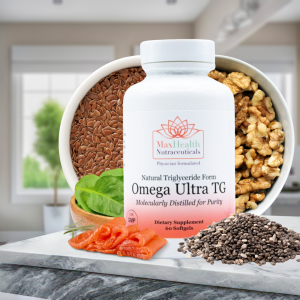
Omega Ultra TG
Probiotic 40 Billion CFU – 60s (shelf stable)
NAC 90s
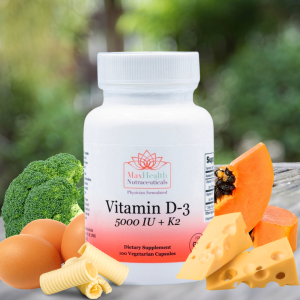
Vitamin D3 5000 IU + K2 CAPSULES 100s
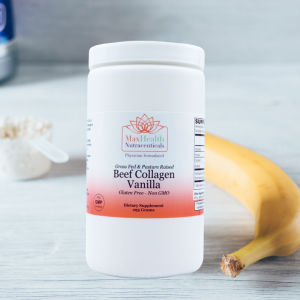
Beef Collagen Vanilla
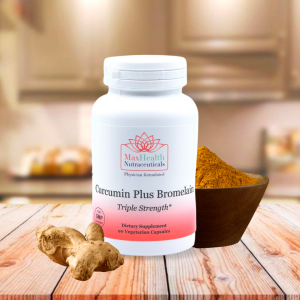
Curcumin Plus Bromelain 90s
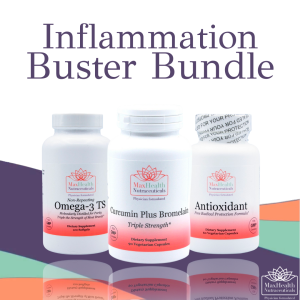
Inflammation Buster Bundle
Disclosure: This post contains affiliate links. If you purchase through these links, we may earn a small commission at no extra cost to you. Learn more.
About the Author
Dr. Nicolle is a double board-certified physician in Family Medicine and Preventive Medicine, with certifications in Functional Medicine and Lifestyle Medicine. She helps busy professionals over 40 optimize their health through root-cause approaches to cardiovascular, hormonal, and metabolic health.
Learn more about Dr. Nicolle →Explore Related Topics
Dive deeper into these connected health areas
Hormone Health
Hormones are the chemical messengers that regulate virtually every process in your body — from metab…
Explore ❤️Metabolic Health
Metabolic health sits at the intersection of blood sugar regulation, cardiovascular function, body c…
Explore 🌸Women's Health
Women's health encompasses a complex interplay of hormonal cycles, reproductive biology, and unique …
Explore 💪Men's Health
Men's health involves a unique interplay of hormonal balance, cardiovascular resilience, metabolic e…
Explore 🧠Mental Health
Mental health is deeply interconnected with hormonal balance, gut health, blood sugar regulation, an…
Explore 📖Skin & Hair Health
Your skin and hair are windows into your internal health. Chronic acne, eczema, psoriasis, and hair …
ExploreReady to Address Your Health Concerns?
Book a Discovery Offer consultation to discuss how our functional medicine approach can help you achieve your health goals.
Book Your Discovery Offer