Lymphatic Drainage Massage Benefits: What the Evidence Actually Shows

- Manual lymphatic drainage (MLD) has strong evidence for lymphedema, post-surgical edema, and lipedema — and weak-to-absent evidence for 'detox,' weight loss, cellulite, and generalized immune boosting
- Most symptoms healthy adults blame on 'lymphatic stagnation' (facial puffiness, leg heaviness, bloating) are actually driven by sodium load, perimenopausal fluid shifts, subclinical thyroid issues, venous insufficiency, or sleep apnea
- Daily walking, diaphragmatic breathing, sodium-potassium balance, hydration, and compression where indicated move lymph more durably than paid sessions
- If MLD is appropriate, use a CLT-LANA certified therapist; if it isn't, get the physician workup first and skip the ongoing membership fee
A 52-year-old patient arrived to a video visit last spring frustrated and $1,400 lighter. She had spent six weeks on a "lymphatic detox protocol" at a high-end wellness studio — twice-weekly manual lymphatic drainage sessions, dry brushing, infrared, a celery-juice cleanse — chasing chronic facial puffiness, leg heaviness, and the sense that her body was "holding onto toxins." Her labs were unremarkable, her thyroid was normal, and the puffiness was unchanged. What she actually had was untreated perimenopausal fluid shifts, mild venous insufficiency, and a sodium intake north of 4 grams a day. The lymphatic massage wasn't doing nothing — it just wasn't doing what she'd been told it would do.
This is the conversation I have most weeks. Lymphatic drainage massage is one of the most aggressively marketed wellness interventions of the last five years, and it occupies a genuinely confusing middle ground: there is a real, well-validated clinical version of it (manual lymphatic drainage, or MLD, used in lymphedema care), and there is a wellness-industry version that has borrowed the language, dropped the diagnostic rigor, and added claims the underlying science does not support. As a double board-certified physician who treats midlife women and men in functional medicine telehealth, my job is to separate the two so you can make a real decision with your time and money.
Not sure if your symptoms are "lymphatic" — or something a workup would actually catch?
Most patients who come to me asking about lymphatic drainage need a different diagnostic conversation first. Choose the entry point that fits where you are — or take the 60-second symptom quiz and I'll route you to the right one.
What Lymphatic Drainage Massage Actually Is
The lymphatic system is a one-way drainage network of vessels and nodes that returns interstitial fluid, large proteins, immune cells, and cellular debris to the bloodstream. Unlike the cardiovascular system, it has no central pump — it relies on skeletal muscle contraction, respiratory pressure changes, smooth-muscle contractions in the lymphangions themselves, and external compression to move fluid centrally.
Manual lymphatic drainage (MLD) is a specific, light-pressure technique developed by Emil and Estrid Vodder in the 1930s. Pressure is genuinely light — roughly 30-40 mmHg, less than the weight of a hand resting on skin — and strokes are slow, rhythmic, and directed toward functional lymph node groups. The clinical version is performed by certified lymphedema therapists (CLT-LANA certified in the United States) and is one component of Complete Decongestive Therapy (CDT), the standard of care for lymphedema.
The wellness-industry version varies wildly. Some practitioners are excellent. Many use deeper pressure, faster strokes, and treatment patterns that more closely resemble Swedish massage than true MLD. Effectiveness — and what it can reasonably claim to do — depends entirely on which version you're actually receiving.
The Evidence: Where Lymphatic Drainage Genuinely Works
I want to be precise about what the published literature actually supports, because this is where most online content gets sloppy.
Strong evidence base:
- Secondary lymphedema after breast cancer surgery. Multiple randomized controlled trials and Cochrane reviews support MLD, as part of Complete Decongestive Therapy, for managing post-mastectomy and axillary node dissection lymphedema. The effect size is meaningful, the mechanism is well-understood, and this is the indication for which MLD was developed.
- Primary and secondary lymphedema of the extremities. Same framework — MLD plus compression bandaging, exercise, and skin care.
- Post-surgical and post-traumatic edema. Evidence supports MLD for reducing swelling after orthopedic surgery, cosmetic surgery (particularly liposuction and abdominoplasty), and significant soft-tissue injury, accelerating recovery in the early post-operative window.
Moderate evidence base:
- Chronic venous insufficiency with secondary lymphatic load. MLD can provide adjunctive symptomatic relief alongside the actual treatment (graduated compression, weight management, vascular evaluation).
- Fibromyalgia. Small studies show short-term symptomatic improvement in pain and quality of life, though the mechanism is unclear and the durability of effect is limited.
- Lipedema. Increasingly recognized as a primary indication, particularly in conjunction with compression therapy.
Weak or absent evidence base:
- "Detoxification." The lymphatic system does not detoxify in the way the wellness industry uses the term. Detoxification is performed by the liver (phase I and phase II conjugation pathways) and kidneys. Lymphatic flow does not remove "toxins" in any clinically meaningful sense, and there is no published evidence that lymphatic massage measurably improves hepatic or renal detoxification capacity.
- Weight loss or "fat reduction." Manual lymphatic drainage does not reduce adipose tissue. Any post-session reduction in measured circumference is fluid shift, not fat loss, and it reaccumulates within 24-72 hours.
- Cellulite reversal. No durable effect on the connective tissue architecture that produces cellulite.
- Generalized "immune boosting." Plausible in mechanism, but not supported by hard clinical endpoints in healthy adults.
- Cosmetic facial sculpting in healthy faces. Acute reduction in facial puffiness is real and lasts hours; durable structural change is not what's happening.
If someone is selling you lymphatic drainage for "detox," weight loss, or cellulite, they are selling you a feeling — which can be valuable — but they are not selling you what the published literature supports. Pay for the feeling if you enjoy it; do not pay for an outcome the evidence doesn't deliver.
Why Lymphatic Drainage Massage Feels So Good (And Why That Matters)
There is a real clinical effect that often gets dismissed in evidence-based reviews, and I think that's a mistake. Slow, rhythmic, light-pressure touch reliably activates the parasympathetic nervous system, raises heart rate variability acutely, lowers cortisol, and improves sleep latency that night. For midlife patients running chronically high sympathetic tone — which is most of them — a 60-minute MLD session functions as a high-quality nervous-system reset, regardless of what it does or doesn't do to lymph flow.
That is a legitimate, valuable clinical effect. It just isn't the effect being marketed. The honest framing for most healthy adults is: lymphatic drainage massage is an excellent parasympathetic intervention dressed up as a circulatory one.
Who Genuinely Benefits — A Clinician's Decision Framework
| Patient profile | Likely benefit | Recommendation |
|---|---|---|
| Post-mastectomy or post-node dissection lymphedema | High | Certified lymphedema therapist (CLT-LANA), Complete Decongestive Therapy |
| Post-surgical edema (first 4-6 weeks) | High | Trained MLD therapist, surgeon-coordinated |
| Chronic venous insufficiency with leg heaviness | Moderate (adjunct) | Vascular workup first; compression is primary |
| Lipedema | Moderate to high | CLT plus compression; long-term management |
| Fibromyalgia, chronic pain | Low to moderate (short-term) | Reasonable adjunct; not curative |
| Healthy adult seeking "detox" or weight loss | Low (for stated outcome); moderate (for nervous-system effect) | Pay for the experience, not the claimed outcome |
| Acute facial puffiness for an event | Real but transient (24-72 hours) | Fine; understand it isn't structural |
What Actually Drives the Symptoms People Blame on "Lymphatic Stagnation"
Facial puffiness, leg heaviness, brain fog, and the diffuse sense of being "swollen" are real symptoms. They usually have real, addressable causes that have nothing to do with lymph flow:
- Sodium load above 2.3 g/day combined with inadequate potassium intake produces visible fluid retention
- Perimenopausal estrogen and progesterone fluctuations cause cyclical fluid shifts that respond to hormonal evaluation, not massage
- Subclinical hypothyroidism produces myxedema — non-pitting facial and pretibial swelling
- Chronic venous insufficiency causes leg heaviness and ankle swelling that worsens through the day
- Untreated obstructive sleep apnea drives morning facial puffiness via overnight fluid shifts
- High alcohol intake causes dose-dependent vasodilation, dehydration, and tissue inflammation
- Cortisol dysregulation from chronic stress produces facial fullness and abdominal fluid retention
- Chronic NSAID use can cause subtle fluid retention via renal prostaglandin inhibition
- Sedentary work patterns reduce the skeletal-muscle pump that moves lymph centrally
In my telehealth practice, addressing these — through labs, hormone evaluation, sodium-potassium ratio, sleep, and movement — produces the outcomes patients had hoped lymphatic massage would deliver, durably and without an ongoing membership fee.
The Lifestyle Interventions That Actually Move Lymph
If the goal is to genuinely improve lymphatic and interstitial fluid dynamics, the evidence supports five things, and none of them require a $200 session:
1. Daily aerobic movement. Walking, swimming, and rebounding all work — the skeletal-muscle pump is the primary mover of lymphatic fluid in healthy adults. 7,000-10,000 steps daily is the floor.
2. Diaphragmatic breathing. The thoracic duct returns roughly 75% of the body's lymph to the venous system, and intrathoracic pressure changes from deep breathing are a major driver. 5-10 minutes of slow-paced breathing daily.
3. Compression where indicated. Graduated compression stockings for venous insufficiency or extended sitting/standing are evidence-based; lymphatic compression garments for diagnosed lymphedema.
4. Sodium-potassium balance. Bring sodium under 2.3 g/day; bring potassium-rich foods (leafy greens, beans, avocado, potatoes) above 3.5 g/day.
5. Hydration and protein adequacy. Both maintain plasma oncotic pressure and reduce interstitial fluid accumulation.
Dry brushing, contrast showers, and gentle self-massage of the supraclavicular and inguinal regions are reasonable, low-cost adjuncts. They have minimal published effect on hard lymphatic endpoints, but they are safe, pleasant, and may serve the same parasympathetic function that a paid session does.
How to Choose a Practitioner If You Decide to Pursue MLD
If your situation warrants real manual lymphatic drainage — post-surgical, lymphedema, lipedema, or a well-thought-out adjunctive use — these are the credentials and questions that separate trained practitioners from spa marketing:
- CLT-LANA certification (Certified Lymphedema Therapist, Lymphology Association of North America) is the gold standard in the U.S.
- Vodder, Földi, Casley-Smith, or Leduc School training indicates legitimate MLD methodology
- Ask: "Are you trained to evaluate for lymphedema staging?" "Do you coordinate with my physician or surgeon?" "What pressure do you use, and why?"
- Be skeptical of practitioners who promise detoxification, weight loss, or cellulite reduction
How I Use Lymphatic Work in My Telehealth Practice
In a telehealth model I cannot perform manual lymphatic drainage myself, and frankly that's appropriate — most patients who present asking about "lymphatic issues" actually need a different diagnostic workup. The framework I use:
- First, rule out the real drivers — thyroid panel, ferritin, sodium/potassium and renal function, hormonal evaluation (estradiol, progesterone, testosterone, DHEA-S, cortisol pattern), sleep apnea screening, and a vascular history.
- Second, treat what's found. The majority of "lymphatic stagnation" symptoms in healthy adults resolve when the underlying driver is addressed.
- Third, if MLD is appropriate as an adjunct — post-surgical recovery, lipedema, lymphedema, or as a parasympathetic intervention the patient values — I refer to a CLT-LANA certified therapist and coordinate as needed.
The honest, physician-authored version of this conversation is rarely the version patients have heard. Most have been told that they have "sluggish lymph" and that they need ongoing $150-$250 sessions to fix it. Almost none have had a thyroid checked, a 24-hour sodium intake estimated, or their sleep evaluated. We do that first.
A Realistic Closing
Manual lymphatic drainage is a legitimate, evidence-based therapy with a narrow set of strong indications and a much wider set of wellness-industry claims it cannot support. If you have lymphedema, are recovering from surgery, or are managing lipedema, find a CLT-LANA certified therapist — it is genuinely useful. If you are a healthy adult chasing facial puffiness, leg heaviness, or a vague sense of toxicity, the diagnostic conversation that should happen first almost never does in a spa setting, and that is the conversation that actually changes the outcome.
If you want a physician-led evaluation of what is actually driving your symptoms — and an evidence-based plan that does not depend on an ongoing membership at a wellness studio — choose the entry point that fits where you are. We work with patients across eight states from anywhere with a video connection.
Ready to find the actual driver of your symptoms?
Both paths are physician-led. Pick the one that matches where you are right now.
---
References
- Ezzo, J., Manheimer, E., McNeely, M.L., et al. (2015). Manual lymphatic drainage for lymphedema following breast cancer treatment. Cochrane Database of Systematic Reviews, (5), CD003475. https://doi.org/10.1002/14651858.CD003475.pub2
- International Society of Lymphology. (2020). The diagnosis and treatment of peripheral lymphedema: 2020 consensus document. Lymphology, 53(1), 3-19.
- Vairo, G.L., Miller, S.J., McBrier, N.M., & Buckley, W.E. (2009). Systematic review of efficacy for manual lymphatic drainage techniques in sports medicine and rehabilitation. Journal of Manual & Manipulative Therapy, 17(3), e80-e89. https://doi.org/10.1179/jmt.2009.17.3.80e
- Castro-Sánchez, A.M., Moreno-Lorenzo, C., Matarán-Peñarrocha, G.A., et al. (2011). Connective tissue reflex massage for type 2 diabetic patients with peripheral arterial disease. Evidence-Based Complementary and Alternative Medicine, 2011, 804321. https://doi.org/10.1155/2011/804321
- Ekici, G., Bakar, Y., Akbayrak, T., & Yuksel, I. (2009). Comparison of manual lymph drainage therapy and connective tissue massage in women with fibromyalgia. Journal of Manipulative and Physiological Therapeutics, 32(2), 127-133. https://doi.org/10.1016/j.jmpt.2008.12.001
- Földi, M., Földi, E., & Kubik, S. (Eds.). (2012). Földi's Textbook of Lymphology (3rd ed.). Urban & Fischer.
Should you book a Discovery Call — or start with the free assessment?
Answer a few questions about your swelling, fluid shifts, and goals. I'll route you to the right next step.
Is your swelling asymmetric, new-onset, or did it follow a surgery, cancer treatment, or injury?
One leg or arm bigger than the other, or swelling after a recent procedure.
Educational triage only — not a diagnosis. Seek urgent care for sudden one-sided leg swelling, chest pain, or shortness of breath.
Supplements for Stress & Recovery
Clinical-grade picks for this topic

Thera360 PLUS Portable Sauna
$1,428.00

SMART Yoga Mat (Green)
$56.99

Inner Balance™ Coherence Plus
$249.00
Affiliate disclosure: The product links below are affiliate links — we may earn a commission at no extra cost to you. Recommendations are based on clinical use, not commissions. Learn more.
Frequently Asked Questions
Common questions about lymphatic drainage massage benefits: what the evidence actually shows
Recommended Supplements
Professional-grade supplements from my MaxHealth Nutraceuticals line — the same formulas I use in clinical practice.
Thera360 PLUS Portable Sauna
SMART Yoga Mat (Green)
Inner Balance™ Coherence Plus

RESPeRATE Deluxe Duo
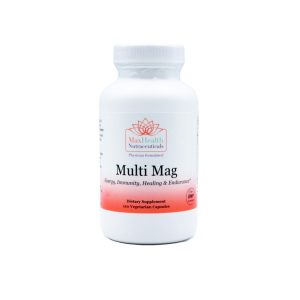
Multi Mag
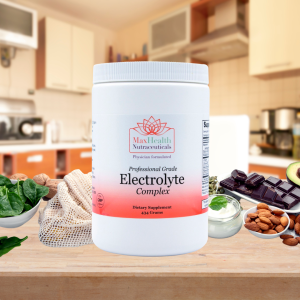
Electrolyte Complex 60s 394gms

Omega Ultra TG
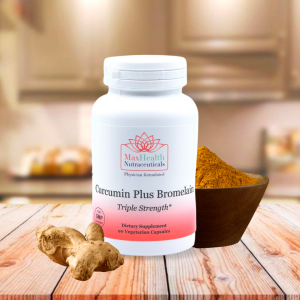
Curcumin Plus Bromelain 90s
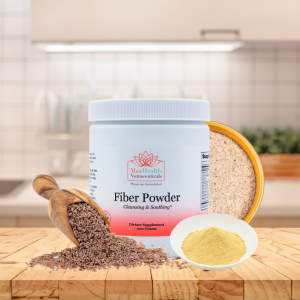
Fiber Powder 200 Grams
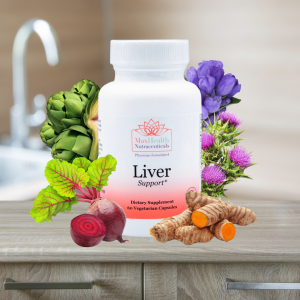
Liver (Detox & Protect) 60s
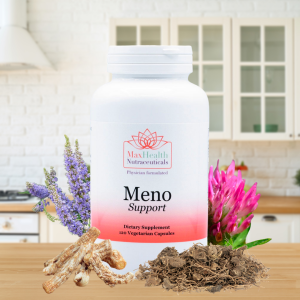
Meno Support 120s

Inflammation Buster Bundle
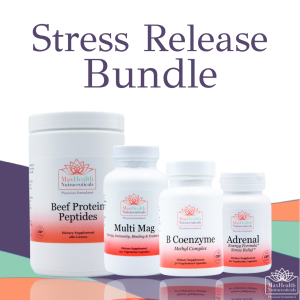
Stress Release Bundle
Disclosure: This post contains affiliate links. If you purchase through these links, we may earn a small commission at no extra cost to you. Learn more.
About the Author
Dr. Nicolle is a double board-certified physician in Family Medicine and Preventive Medicine, with certifications in Functional Medicine and Lifestyle Medicine. She helps busy professionals over 40 optimize their health through root-cause approaches to cardiovascular, hormonal, and metabolic health.
Learn more about Dr. Nicolle →Explore Related Topics
Dive deeper into these connected health areas
Hormone Health
Hormones are the chemical messengers that regulate virtually every process in your body — from metab…
Explore 🦠Gut Health
Your gut is far more than a digestive organ — it's home to 70% of your immune system, produces key n…
Explore ❤️Metabolic Health
Metabolic health sits at the intersection of blood sugar regulation, cardiovascular function, body c…
Explore 🌸Women's Health
Women's health encompasses a complex interplay of hormonal cycles, reproductive biology, and unique …
Explore 💪Men's Health
Men's health involves a unique interplay of hormonal balance, cardiovascular resilience, metabolic e…
Explore 🧠Mental Health
Mental health is deeply interconnected with hormonal balance, gut health, blood sugar regulation, an…
Explore 📖Skin & Hair Health
Your skin and hair are windows into your internal health. Chronic acne, eczema, psoriasis, and hair …
ExploreReady to Address Your Health Concerns?
Book a Discovery Offer consultation to discuss how our functional medicine approach can help you achieve your health goals.
Book Your Discovery Offer