Contrast Therapy: The Science, Safety, and Smart Protocols for Adults Over 40

- Contrast therapy (alternating sauna and cold exposure) lowers cardiovascular mortality, blood pressure, and inflammatory markers — with frequency more important than intensity
- The standard adult protocol is 3 cycles of 15-20 min heat + 1-3 min cold, 3-4 times per week, with the end-temperature (heat vs cold) chosen by goal
- Cold exposure carries real cardiac risk — patients with CAD, arrhythmia, uncontrolled hypertension, or Raynaud's need medical clearance first, and no one should plunge alone or hyperventilate before entering
- Build over 6 weeks, support with electrolytes and magnesium, and never use it to outrun an unmanaged diet, sleep deficit, or undiagnosed cardiovascular disease
The first time I formally programmed contrast therapy for a patient, she was a 54-year-old trial attorney with stubborn perimenopausal weight gain, brain fog after lunch, and a resting heart rate that had crept from the low 60s into the high 70s over two years. Her labs were "fine." Her hormone panel was unremarkable for her age. What she needed wasn't another supplement — she needed an intervention that would re-train her autonomic nervous system, lower systemic inflammation, and give her a daily ritual of controlled stress that her body could actually adapt to.
Eight weeks of structured contrast therapy — three sauna-to-cold cycles, four mornings per week — and her resting heart rate was back in the mid-60s, her HRV had climbed 22%, and she described her afternoon energy as "the most reliable thing in my schedule." She'd lost five pounds without changing her diet. We hadn't fixed her hormones. We'd fixed her stress response.
Contrast therapy — the deliberate alternation of heat and cold exposure — is one of the most powerful and most over-hyped tools in functional medicine right now. Used well, it improves cardiovascular fitness, lowers inflammatory markers, accelerates recovery, builds psychological resilience, and may extend healthspan. Used badly, it raises blood pressure, triggers arrhythmias in susceptible people, and produces nothing but cold misery. This is the guide I wish every patient over 40 had before they bought a $5,000 cold plunge.
What Contrast Therapy Actually Is
Contrast therapy is the structured alternation between heat exposure (typically infrared or traditional sauna, 150-180°F) and cold exposure (cold shower, cold plunge at 38-55°F, or open water). The cycle usually runs heat → cold → heat → cold, ending on either side depending on the goal.
The mechanisms aren't mystical. Heat causes peripheral vasodilation, raises core temperature, triggers heat shock protein expression, and produces mild cardiovascular stress similar to moderate exercise. Cold causes peripheral vasoconstriction, spikes norepinephrine 2-5x baseline, activates brown adipose tissue, and triggers a controlled sympathetic response. The alternation between the two creates a powerful vascular "pump," forces the autonomic nervous system to oscillate between sympathetic and parasympathetic dominance, and produces a hormetic adaptation — the body becomes more resilient because it's been controllably stressed.
The Evidence: What Contrast Therapy Actually Does
The research base on sauna alone is strong; the cold exposure literature is younger but growing; and the contrast literature draws on both.
- Cardiovascular mortality: The landmark KIHD cohort from Finland found that 4-7 sauna sessions per week were associated with a 50% lower risk of fatal cardiovascular disease and 40% lower all-cause mortality versus 1 session per week, over 20 years of follow-up (1).
- Blood pressure and arterial stiffness: Regular sauna use lowers systolic blood pressure by an average of 5-10 mmHg and reduces arterial stiffness comparable to a moderate aerobic training program (2).
- Inflammatory markers: Both sauna and cold exposure lower hs-CRP and IL-6 over weeks of consistent use (3).
- Recovery and DOMS: Cold water immersion meaningfully reduces delayed-onset muscle soreness and perceived recovery time after intense exercise (4).
- Mood and depression: Cold exposure acutely raises dopamine 250% and norepinephrine 530% above baseline, with effects lasting hours; whole-body hyperthermia has shown antidepressant effects in clinical trials (5).
- Insulin sensitivity: Both modalities independently improve insulin sensitivity and glucose tolerance, which matters enormously for adults over 40 navigating insulin resistance.
The cardiovascular benefits of sauna appear to scale roughly with frequency and duration — 4+ sessions per week of 20+ minutes drives the strongest effect. Cold exposure follows a different curve: short, frequent exposures (2-3 minutes, several times per week) appear to capture most of the benefit. More is not better with cold; longer exposures dramatically raise the risk of cardiac events and afterdrop.
The Standard Protocol
The protocol I most often program for healthy adults over 40 is a Scandinavian-style three-cycle session, typically performed 3-4 times per week.
1. Heat block 1: 15-20 minutes in sauna (150-180°F traditional, or 120-140°F infrared). Sweat freely. Heart rate climbs into the 100-130 range.
2. Cold block 1: 1-3 minutes in cold plunge (45-55°F) or cold shower. Slow nasal breathing. Do not hyperventilate.
3. Rest: 2-5 minutes at ambient temperature. Sip water with electrolytes.
4. Heat block 2: 15-20 minutes sauna.
5. Cold block 2: 1-3 minutes cold.
6. Rest: 2-5 minutes.
7. Heat block 3: 15-20 minutes sauna.
8. Final cold: 1-3 minutes — end on cold for cardiovascular and mood benefit; end on heat if you have trouble sleeping and you're doing this in the evening.
Total session time: 60-90 minutes. Heat:cold ratio is roughly 5:1 to 10:1 by time.
Equipment Considerations
You don't need a $20,000 setup to do contrast therapy well. Cold showers are free. A gym membership with a sauna covers the heat side. But for adults who want a sustainable home practice, two pieces of equipment make compliance dramatically more reliable.
- Sauna: The Thera360 PLUS Portable Sauna is the at-home unit I most often recommend for patients without space for a permanent install. It's a low-EMF far-infrared design, sets up in 10 minutes, and reaches therapeutic temperature in 15-20 minutes. For patients with the space and budget, a traditional Finnish sauna or a higher-end infrared cabin produces a stronger cardiovascular response.
- Cold plunge: The TheraFrost Cold Plunge is what I use and what I recommend for patients ready to invest in a dedicated home setup. It maintains a precise programmable temperature (typically 45-55°F), filters and ozonates the water so it doesn't require draining between uses, and is durable enough for daily multi-person use. The cost is real, but a home cold plunge converts "I'll do it when I have time" into "I do it before I make coffee."
- Lower-cost alternatives: A stock tank, a chest freezer conversion, or a cold shower can all produce real adaptation. Compliance is the variable that matters most.
- Recovery and breathwork tools: A SMART Yoga Mat (Green) for the rest blocks and an Inner Balance™ Coherence Plus to train HRV-driven slow breathing during the cooldown round out the home stack.
Safety: Who Should Be Cautious
This is the section that gets skipped in most influencer content, and it's the section that matters most for adults over 40.
Cold exposure can trigger arrhythmias and cardiac events in susceptible people. The "cold shock response" produces a powerful sympathetic surge in the first 30-60 seconds — that's the mechanism behind most cold water drowning deaths and the reason cold plunging is not a casual intervention for anyone with cardiovascular disease.
Talk to your physician before starting contrast therapy if you have:
- Coronary artery disease, prior heart attack, or significant arrhythmia history
- Uncontrolled hypertension (systolic > 160)
- Long QT syndrome or other cardiac channelopathy
- Raynaud's syndrome (cold exposure is contraindicated)
- Pregnancy (sauna temperatures should be reduced; cold plunging not advised)
- Active autoimmune flare
- Recent stroke or TIA
General safety rules I apply with every patient:
- Never plunge alone, especially if the water is below 50°F.
- Never hold your breath in cold water. Slow nasal breathing only.
- Hyperventilation before cold plunging is dangerous — it can blunt the urge to breathe and trigger blackout.
- Hydrate aggressively. Sauna sessions cost 1-2 pounds of water; replace with electrolytes, not plain water alone.
- Alcohol and contrast therapy don't mix. Wait at least 4 hours after a drink.
- Stop immediately for chest pain, dizziness, lightheadedness, palpitations, or visual changes.
- If you have any cardiovascular history, consider a stress test and an honest conversation with your cardiologist before starting.
Dosing for Different Goals
| Goal | Heat | Cold | Frequency | End On |
|---|---|---|---|---|
| Cardiovascular health | 20 min x 3 | 2 min x 3 | 4-5x/week | Cold |
| Recovery after training | 15 min x 2 | 2-3 min x 2 | Post-workout | Cold (not within 4h of strength training) |
| Mood, focus, energy | Optional | 2-3 min | Daily AM | Cold |
| Sleep, parasympathetic | 20 min x 2-3 | 1-2 min x 1-2 | 3-4x/week PM | Heat |
| Stress resilience / HRV | 15-20 min x 2 | 2 min x 2 | 4x/week | Cold |
Supporting the Protocol: What to Take Around Contrast Sessions
The metabolic demand of repeated heat exposure is real, and most patients underestimate the electrolyte and mineral cost.
- Electrolytes: Sodium, potassium, and magnesium are lost in sweat. A balanced electrolyte mix before and after the session prevents the "post-sauna crash" most beginners experience.
- Magnesium: Adults losing magnesium through regular sauna use often need 300-400mg of supplemental magnesium daily. Multi Mag (a blend of glycinate, malate, and citrate) is the formulation I most often recommend; our magnesium guide covers forms in detail.
- Adaptogens for HPA axis support: For patients using contrast therapy as a stress resilience tool, a thoughtfully formulated adrenal support like Adrenal (Energy & Stress) 120 Capsules can help blunt cortisol overshoot during the adaptation phase.
- Omega-3s: Cold exposure raises norepinephrine substantially; Omega Ultra TG supports vascular endothelial function during repeated cold-induced vasoconstriction.
- Hydration: Plain water alone is insufficient for regular sauna users. Always pair with electrolytes.
- Recovery and inflammation support: For athletes or anyone doing aggressive contrast protocols, the Pain Support Bundle and a topical like the Joint & Muscle Pain Relief Gel 3oz cover the recovery side without resorting to NSAIDs, which blunt some of the adaptive benefits of training and contrast.
A Beginner's 6-Week Build
Don't start at the protocol described above. Build into it.
- Week 1-2: One sauna session per week (15 minutes). Cold finish: 30 seconds in a cold shower. Build comfort with the heat first.
- Week 3-4: Two sessions per week. 20 minutes sauna, 60-90 seconds cold. Begin to notice the post-session calm and the sleep quality change.
- Week 5-6: Three sessions per week. Two heat cycles per session with two cold cycles, 2 minutes each. Add a third heat cycle if you tolerate it well.
- Week 7+: Full three-cycle protocol, 3-4 times per week. Honest reassessment of cardiovascular response, recovery, sleep, and mood. Adjust dose.
What This Should Not Replace
Contrast therapy is a powerful adjunct. It is not a replacement for:
- Resistance training (the single most important intervention for adults over 40 — see strength training over 40)
- A foundational anti-inflammatory diet
- Adequate sleep (sauna can support sleep architecture, not substitute for it)
- Medical evaluation and treatment of underlying disease
Patients sometimes try to use sauna and cold plunge to "outrun" a poor diet, chronic stress, or undiagnosed cardiovascular disease. It doesn't work. Contrast therapy magnifies the value of a good foundation; it cannot create one.
A Realistic Ending
Done well, contrast therapy is one of the single most reliable interventions I have for adults over 40 who want to improve cardiovascular fitness, build psychological resilience, and lower inflammation without adding another pill. Done badly — too cold, too long, without medical clearance, or layered on top of unmanaged cardiac risk — it's a meaningful hazard. The difference is dosing, sequencing, and honesty about your starting cardiovascular status.
If you'd like a personalized contrast and recovery protocol built around your labs, training history, and cardiovascular risk, take our Wellness Quiz to map your starting point, or book a Discovery Offer to review your case with me directly.
---
References
- Laukkanen, T., Khan, H., Zaccardi, F., & Laukkanen, J.A. (2015). Association between sauna bathing and fatal cardiovascular events and all-cause mortality. JAMA Internal Medicine, 175(4), 542-548. https://doi.org/10.1001/jamainternmed.2014.8187
- Laukkanen, J.A., et al. (2018). Cardiovascular and other health benefits of sauna bathing: A review of the evidence. Mayo Clinic Proceedings, 93(8), 1111-1121. https://doi.org/10.1016/j.mayocp.2018.04.008
- Kunutsor, S.K., et al. (2017). Sauna bathing reduces the risk of respiratory diseases. European Journal of Epidemiology, 32(12), 1107-1111. https://doi.org/10.1007/s10654-017-0311-6
- Bleakley, C., et al. (2012). Cold-water immersion (cryotherapy) for preventing and treating muscle soreness after exercise. Cochrane Database of Systematic Reviews, (2), CD008262. https://doi.org/10.1002/14651858.CD008262.pub2
- Šrámek, P., et al. (2000). Human physiological responses to immersion into water of different temperatures. European Journal of Applied Physiology, 81(5), 436-442. https://doi.org/10.1007/s004210050065
Supplements for Stress & Recovery
Clinical-grade picks for this topic

Thera360 PLUS Portable Sauna
$1,428.00

TheraFrost Cold Plunge
$4,988.00

Inner Balance™ Coherence Plus
$249.00
Affiliate disclosure: The product links below are affiliate links — we may earn a commission at no extra cost to you. Recommendations are based on clinical use, not commissions. Learn more.
Frequently Asked Questions
Common questions about contrast therapy: the science, safety, and smart protocols for adults over 40
Recommended Supplements
Professional-grade supplements from my MaxHealth Nutraceuticals line — the same formulas I use in clinical practice.
Thera360 PLUS Portable Sauna
TheraFrost Cold Plunge
Inner Balance™ Coherence Plus

SMART Yoga Mat (Green)
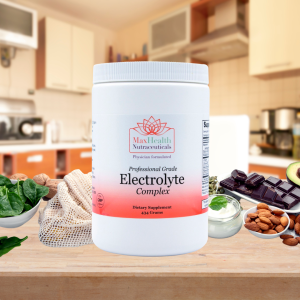
Electrolyte Complex 60s 394gms
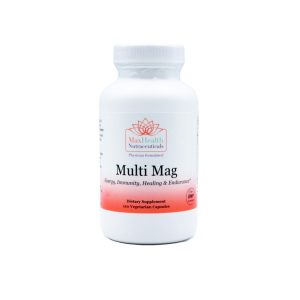
Multi Mag
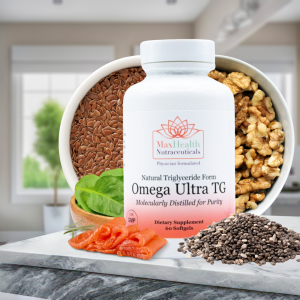
Omega Ultra TG
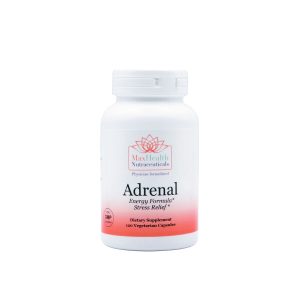
Adrenal (Energy & Stress) 120 Capsules
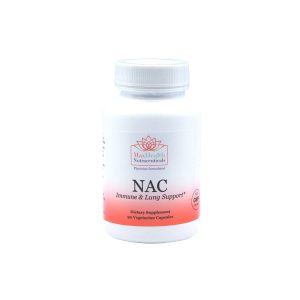
NAC 90s
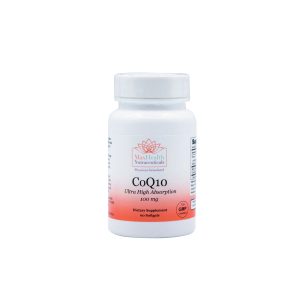
CoQ10
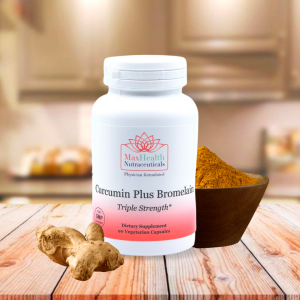
Curcumin Plus Bromelain 90s
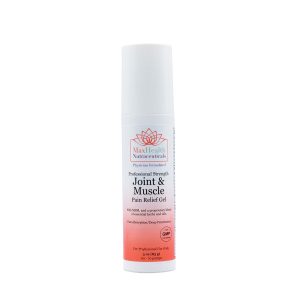
Joint & Muscle Pain Relief Gel 3oz
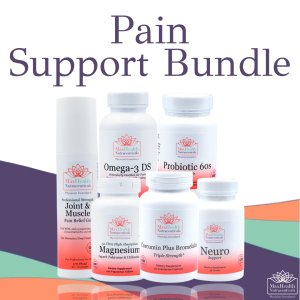
Pain Support Bundle
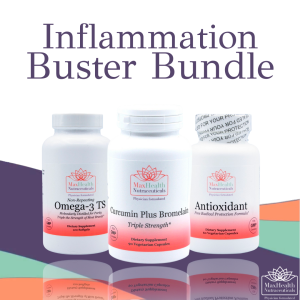
Inflammation Buster Bundle
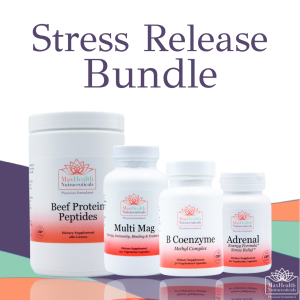
Stress Release Bundle
Disclosure: This post contains affiliate links. If you purchase through these links, we may earn a small commission at no extra cost to you. Learn more.
About the Author
Dr. Nicolle is a double board-certified physician in Family Medicine and Preventive Medicine, with certifications in Functional Medicine and Lifestyle Medicine. She helps busy professionals over 40 optimize their health through root-cause approaches to cardiovascular, hormonal, and metabolic health.
Learn more about Dr. Nicolle →Explore Related Topics
Dive deeper into these connected health areas
Hormone Health
Hormones are the chemical messengers that regulate virtually every process in your body — from metab…
Explore 🦠Gut Health
Your gut is far more than a digestive organ — it's home to 70% of your immune system, produces key n…
Explore ❤️Metabolic Health
Metabolic health sits at the intersection of blood sugar regulation, cardiovascular function, body c…
Explore 🌸Women's Health
Women's health encompasses a complex interplay of hormonal cycles, reproductive biology, and unique …
Explore 💪Men's Health
Men's health involves a unique interplay of hormonal balance, cardiovascular resilience, metabolic e…
Explore 🧠Mental Health
Mental health is deeply interconnected with hormonal balance, gut health, blood sugar regulation, an…
Explore 📖Skin & Hair Health
Your skin and hair are windows into your internal health. Chronic acne, eczema, psoriasis, and hair …
ExploreReady to Address Your Health Concerns?
Book a Discovery Offer consultation to discuss how our functional medicine approach can help you achieve your health goals.
Book Your Discovery Offer