Building a Non-Toxic Home: Room-by-Room Detox Guide

- The average adult spends 90% of their time indoors where air can be 2-5x more polluted than outdoors — and after 40, declining detox capacity makes those exposures matter more
- Five high-impact changes deliver ~80% of the benefit: HEPA + carbon air filtration, fragrance-free cleaning products, no candles or air fresheners, glass/stainless cookware, and an organic mattress when it's time to replace
- Sequence changes over 90 days by room — kitchen, bedroom, bathroom, living spaces, laundry — to avoid overwhelm and budget shock
- Pair exposure reduction with detox support (NAC, sulforaphane, magnesium, sauna, fiber) so the body can clear what's already stored
The first patient who made me take indoor environment seriously was a 51-year-old CFO with stage 2 hypertension, perimenopausal hot flashes, and a TSH that wouldn't stabilize despite three medication adjustments. We'd done the labs, the hormone panels, the gut workup. Everything looked like a textbook case — except she wasn't responding to a textbook protocol.
On a hunch, I asked about her house. She had bought a beautifully renovated 1962 home eighteen months earlier. New paint. New carpet. New cabinets. New foam mattress. New furniture from a name-brand store. The renovation had been her reward to herself for making partner. And every single one of those choices was loading her body with a different category of chemical — VOCs, phthalates, flame retardants, formaldehyde — exactly during the perimenopausal window when her detoxification capacity was already strained.
Six months later, after a methodical room-by-room cleanup (air filtration, mattress swap, cleaning product overhaul, and a $75 starter kit that replaced almost everything under her kitchen sink), her blood pressure was 118/76 on the same medication dose, her hot flashes had cut in half, and her TSH finally stabilized at 1.8. We hadn't changed a single supplement. We had changed her air, her cleaning products, and her bed.
This is the conversation I want every busy professional over 40 to have with their environment. Your toxic load is one of the most modifiable inputs in your health — and one of the most ignored.
Why Your Home Matters More Than You Think
The average American spends roughly 90% of their time indoors, and the EPA estimates that indoor air can be 2-5 times more polluted than outdoor air — sometimes up to 100 times more polluted, depending on the source (1). The body of evidence linking household chemical exposure to endocrine disruption, metabolic disease, cognitive decline, and inflammatory disease has grown dramatically over the past decade.
Several categories of exposure are particularly relevant for adults over 40:
- Volatile Organic Compounds (VOCs) — Released from paint, new furniture, cabinets, vinyl flooring, and air fresheners. Linked to headaches, asthma exacerbation, and over time, liver and kidney burden.
- Phthalates and BPA — Endocrine-disrupting compounds in plastics, vinyl, fragrance, and personal care products. Associated with hormone disruption, insulin resistance, and accelerated reproductive aging (2).
- Flame retardants (PBDEs) — Found in foam mattresses, sofas, and electronics. Persist in adipose tissue, lower thyroid hormone, and disrupt neurodevelopment (3).
- PFAS ("forever chemicals") — Non-stick cookware, stain-resistant fabrics, waterproof clothing, and contaminated tap water. Linked to elevated cholesterol, immune dysfunction, and certain cancers (4).
- Mold mycotoxins — Frequently overlooked driver of chronic fatigue, brain fog, and unexplained autoimmunity. See our mold biotoxin guide.
- Particulate matter (PM2.5) — Fine particles from cooking, candles, fireplaces, and outdoor infiltration. Drives systemic chronic inflammation and is one of the strongest environmental predictors of cardiovascular mortality (5).
After 40, hepatic phase I and phase II detoxification capacity declines, glutathione production drops, and renal clearance slows. The same exposure that your 30-year-old liver shrugged off can meaningfully shift labs at 50. This is why a "toxin reduction" intervention often produces measurable changes in blood pressure, hormones, and inflammatory markers in midlife adults — without any other change.
The 80/20 of Home Detox
If you can only do five things, do these. They produce roughly 80% of the available benefit for 20% of the effort or cost.
1. Filter your indoor air — A true HEPA + activated carbon filter in the bedroom and main living area.
2. Replace your cleaning products — One concentrate can replace 5-10 toxic bottles.
3. Stop using fragrance — Candles, plug-ins, perfumed laundry products, air fresheners. The single biggest source of indoor VOCs in most homes.
4. Upgrade your mattress when it's time — You spend a third of your life in direct contact with it. Foam off-gasses for years.
5. Switch to glass or stainless cookware — Eliminate Teflon and non-stick pans with worn coatings.
Room-by-Room Detox Walkthrough
The Kitchen
The kitchen is usually the highest-impact room, because food contact + indoor air combustion + cleaning products stack three exposure categories in one place.
- Cookware: Replace scratched non-stick with cast iron, stainless steel, or ceramic. Anything that's flaking is leaching.
- Food storage: Glass jars and stainless containers. Phase out plastic, especially anything you microwave.
- Cleaning products: The Branch Basics Premium Starter Kit is what I personally use — one concentrate plus an oxygen booster replaces nearly every bottle under most kitchen sinks. It's fragrance-free, plant-based, and has no endocrine-disrupting ingredients. The $75 outlay typically saves money within 6 months of normal cleaning use.
- Range hood: Use it every time you cook, especially with gas. Gas stoves release NO₂ and ultrafine particulates that measurably degrade indoor air quality.
- Water: A simple under-sink carbon block or reverse osmosis filter removes most chlorine byproducts, lead, and many pesticides. PFAS-rated filters are worth it if your municipality is affected.
The Bedroom
You spend a third of your life here, and the bedroom is where the slow exposures of mattress, bedding, and air quality compound.
- Mattress: When you're due for a replacement, consider an organic mattress like the Aria™ King Organic Mattress. Conventional foam mattresses are made with polyurethane foam, polyester, and chemical flame retardants that off-gas for years. Organic versions use natural latex, organic cotton, and wool (which is naturally flame-resistant without chemical treatment).
- Bedding: Organic cotton sheets and pillowcases. Skip the "wrinkle-free" treatments, which use formaldehyde.
- Air: The Austin Air HealthMate Plus® is the unit I most often recommend for bedrooms. It uses true medical-grade HEPA plus 15 pounds of activated carbon and zeolite to remove both particulates and VOCs/chemical odors that consumer filters miss. Run it 24/7.
- No screens, no scented candles: Blue light disrupts melatonin and most scented candles emit benzene, toluene, and formaldehyde when burned.
The Bathroom
The bathroom is the room where personal care exposures stack and where humidity creates conditions for mold.
- Personal care: Look up your products on the EWG Skin Deep database. Replace highest-concern items first: deodorant (aluminum, parabens), perfume/cologne (phthalates), and conventional shampoo (sulfates, fragrance, formaldehyde-releasing preservatives).
- Shower filter: Chlorine and chloramines volatilize in hot showers and are inhaled directly. A basic shower head filter is one of the highest-impact $30 upgrades in the house.
- Ventilation: Run the exhaust fan during *and* for 20 minutes after every shower. The single best mold prevention strategy.
- Cleaning: Branch Basics handles tubs, tile, toilets, and mirrors — eliminating the bleach and ammonia products that are most acutely toxic in small bathroom spaces.
The Living Room and Office
- Furniture: When replacing, look for "TB117-2013 compliant without added flame retardants" tags, which became standard around 2015. Older sofas are loaded with PBDEs.
- Carpet: Vacuum weekly with a true HEPA-bag vacuum. Old carpet harbors decades of accumulated pesticides, lead dust, and allergens. When you renovate, hard flooring is dramatically lower-exposure.
- Air: A second Austin Air HealthMate Plus® in the main living area is meaningful if anyone in the home has allergies, asthma, or autoimmune disease.
- Lighting: Swap blue-rich LED bulbs in evening spaces for an Anti-Blue Light LED Bulb (Red) or warm-temperature bulbs to protect melatonin and sleep architecture.
The Laundry Room
Laundry is one of the easiest swaps for outsized impact, because the residue lives against your skin all day.
- Detergent: Fragrance-free, plant-based. Branch Basics, Molly's Suds, or Seventh Generation Free & Clear.
- Dryer sheets and fabric softeners: Eliminate entirely. They're among the most concentrated VOC and quaternary ammonium compound sources in any home. Wool dryer balls replace them.
- Stain treatments: Most contain solvents and optical brighteners. Branch Basics handles 90% of stains; for the rest, oxygen bleach.
- Dry cleaning: Find a "wet cleaner" or CO₂ cleaner in your area to avoid perchloroethylene (perc), a classified probable carcinogen.
The Detox Stack: Supporting the Body While You Lower Exposure
Reducing your inputs is step one. Supporting your body's existing detoxification machinery is step two. The pathways most worth supporting in adults over 40:
- Glutathione precursors: NAC (N-acetylcysteine) is the single most useful supplement in this category. Supports phase II detoxification, modulates inflammation, and replenishes intracellular glutathione.
- Sulforaphane / cruciferous vegetables: Upregulate phase II enzymes. Broccoli sprouts are the highest dietary source; a daily handful is the cleanest intervention.
- Magnesium: A cofactor in over 300 enzymatic reactions including detoxification. Most adults over 40 are deficient. Our magnesium guide covers forms.
- Sauna: Sweat is a legitimate excretion route for several persistent organic pollutants and heavy metals. The Thera360 PLUS Portable Sauna is the at-home option I most often recommend — 3-4 sessions per week of 20-30 minutes meaningfully accelerates clearance in mobilized toxicants. See our infrared sauna detox guide.
- Fiber and bile flow: Without binding and excretion, mobilized toxicants get reabsorbed. 30g+ daily fiber, hydration, and adequate bile production (consider bitters or ox bile if needed).
- Liver support: Milk thistle, dandelion root, and a comprehensive liver formula support phase I and II pathways during higher-load periods.
| Month | Focus | Action Steps | Approximate Cost |
|---|---|---|---|
| Month 1 | Air + cleaning products | Air purifier in bedroom, Branch Basics, eliminate fragrance and candles | $200-$1,000 |
| Month 2 | Kitchen + water | Replace non-stick, glass storage, water filter, fragrance-free laundry | $150-$500 |
| Month 3 | Personal care + bedroom | EWG-vetted personal care, shower filter, plan mattress upgrade timing | $100-$2,500 |
What This Looks Like in Lab Work
I want to be honest: most patients won't see a dramatic shift in a single biomarker from environmental changes alone, because exposure is rarely a single-channel problem. What we typically see, over 3-12 months, is a cluster of small improvements that add up: lower hs-CRP, more stable thyroid panel, improved estrogen detoxification ratios on a hormone test, better blood pressure response to existing medications, fewer "weird" symptoms that no one could explain.
The CFO I opened with didn't have one number that screamed "your environment is fixing this." She had ten numbers that quietly drifted in the right direction over six months — while the only thing we'd added was an air purifier, a bottle of plant-based cleaner, an organic mattress, and a daily walk.
What Not to Do
- Don't try to fix everything in a weekend. Mass overhauls are how people end up overwhelmed, broke, and back to their old products by month three. Sequence the changes.
- Don't throw out things you can't immediately replace. A "less bad" product you'll actually use beats an unaffordable perfect one you won't.
- Don't ignore your municipal water report. It's free, public, and tells you exactly which filter you need.
- Don't assume "natural" or "green" on a label means anything. These terms are unregulated. Check ingredients on EWG, ThinkDirty, or Branch Basics' transparency reports.
If you're chronically symptomatic in a specific home — fatigue, brain fog, sinus issues, rashes that improve when you travel — that pattern is suggestive of mold, water damage, or significant indoor air quality issues. Air filtration alone won't fix a leaking pipe behind a wall. Consider professional indoor air testing (HERTSMI-2 or ERMI for mold; VOC panel for chemical exposures) before investing heavily in remediation.
A Realistic Ending
You don't need a $20,000 organic-everything renovation to meaningfully reduce your toxic load. You need a HEPA + carbon air purifier running in your bedroom, a $75 starter kit of plant-based cleaners, an honest audit of the fragranced products in your house, and a plan for the next time you upgrade something big. Done over 90 days, this is one of the highest ROI health investments most adults over 40 will make.
If you'd like a personalized environmental and detoxification protocol built around your specific labs, exposures, and household, take our Wellness Quiz to map your starting point, or book a Discovery Offer to review your case with me directly.
---
References
- U.S. Environmental Protection Agency. (2023). Indoor Air Quality: An Introduction to Indoor Air Quality. EPA.gov. https://www.epa.gov/indoor-air-quality-iaq
- Wang, Y. & Qian, H. (2021). Phthalates and their impacts on human health. Healthcare, 9(5), 603. https://doi.org/10.3390/healthcare9050603
- Linares, V., Bellés, M., & Domingo, J.L. (2015). Human exposure to PBDE and critical evaluation of health hazards. Archives of Toxicology, 89(3), 335-356. https://doi.org/10.1007/s00204-015-1457-1
- Fenton, S.E., et al. (2021). Per- and polyfluoroalkyl substance toxicity and human health review. Environmental Toxicology and Chemistry, 40(3), 606-630. https://doi.org/10.1002/etc.4890
- Brook, R.D., et al. (2010). Particulate matter air pollution and cardiovascular disease: AHA Scientific Statement. Circulation, 121(21), 2331-2378. https://doi.org/10.1161/CIR.0b013e3181dbece1
Supplements for Stress & Recovery
Clinical-grade picks for this topic

Branch Basics Premium Starter Kit
$75.00

Austin Air HealthMate Plus®
$895.00
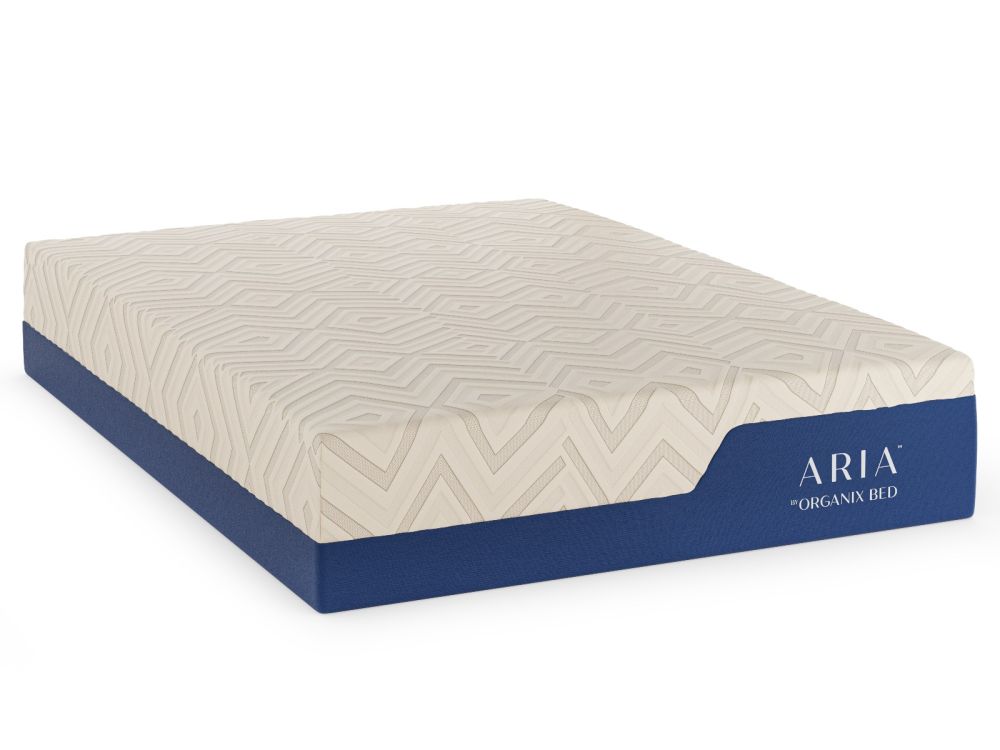
Aria™ King Organic Mattress
$2,299.00
Affiliate disclosure: The product links below are affiliate links — we may earn a commission at no extra cost to you. Recommendations are based on clinical use, not commissions. Learn more.
Frequently Asked Questions
Common questions about building a non-toxic home: room-by-room detox guide
Recommended Supplements
Professional-grade supplements from my MaxHealth Nutraceuticals line — the same formulas I use in clinical practice.
Branch Basics Premium Starter Kit
Austin Air HealthMate Plus®
Aria™ King Organic Mattress

Thera360 PLUS Portable Sauna

Anti-Blue Light LED Bulb (Red)
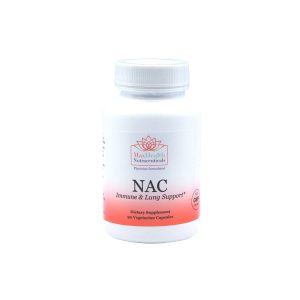
NAC 90s

Multi Mag
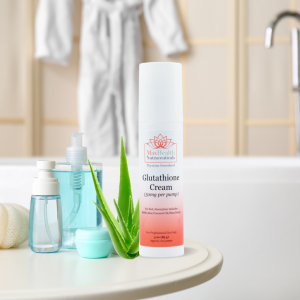
Glutathione Cream 50mg 3oz
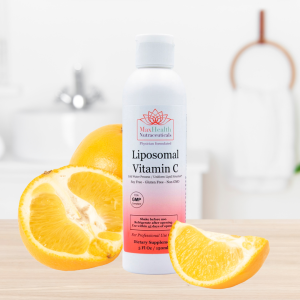
Liposomal Vitamin C

Omega Ultra TG
Probiotic 40 Billion CFU – 60s (shelf stable)

Inflammation Buster Bundle
Disclosure: This post contains affiliate links. If you purchase through these links, we may earn a small commission at no extra cost to you. Learn more.
About the Author
Dr. Nicolle is a double board-certified physician in Family Medicine and Preventive Medicine, with certifications in Functional Medicine and Lifestyle Medicine. She helps busy professionals over 40 optimize their health through root-cause approaches to cardiovascular, hormonal, and metabolic health.
Learn more about Dr. Nicolle →Explore Related Topics
Dive deeper into these connected health areas
Hormone Health
Hormones are the chemical messengers that regulate virtually every process in your body — from metab…
Explore 🦠Gut Health
Your gut is far more than a digestive organ — it's home to 70% of your immune system, produces key n…
Explore ❤️Metabolic Health
Metabolic health sits at the intersection of blood sugar regulation, cardiovascular function, body c…
Explore 🌸Women's Health
Women's health encompasses a complex interplay of hormonal cycles, reproductive biology, and unique …
Explore 💪Men's Health
Men's health involves a unique interplay of hormonal balance, cardiovascular resilience, metabolic e…
Explore 🧠Mental Health
Mental health is deeply interconnected with hormonal balance, gut health, blood sugar regulation, an…
Explore 📖Skin & Hair Health
Your skin and hair are windows into your internal health. Chronic acne, eczema, psoriasis, and hair …
ExploreReady to Address Your Health Concerns?
Book a Discovery Offer consultation to discuss how our functional medicine approach can help you achieve your health goals.
Book Your Discovery Offer