Breathing Exercises for Anxiety: A Clinician's Protocol

- Slow, structured breathing is the only voluntary lever for resetting the autonomic nervous system in real time — and one of the most evidence-based non-drug interventions for anxiety
- Three protocols cover most needs: Resonance Breathing (daily baseline, 6 breaths/min), 4-7-8 Breathing (acute anxiety interrupt), and the Physiological Sigh (60-90 second reset)
- Twice-daily 10-minute resonance breathing produces measurable reductions in baseline anxiety, improved HRV, and easier sleep onset within 4-6 weeks
- Pair breathwork with magnesium, EPA-rich omega-3s, blood sugar stability, and hormone evaluation — anxiety after 40 is rarely a pure psychological problem
The patient I think about most when I write about breathing is a 46-year-old hospital administrator who came to see me convinced she was developing a heart condition. For six months she'd been waking at 3 AM with a pounding chest, shortness of breath, and a sense of doom that took an hour to subside. Her cardiologist had ordered a full workup — echo, stress test, Holter monitor, even a calcium score. Everything was structurally normal. "He told me it's just anxiety," she said, "and gave me a prescription for Xanax. But I run a 400-bed hospital. I cannot operate on Xanax."
Six weeks later, she was sleeping through the night for the first time in over a year. She had not filled the Xanax prescription. What changed wasn't a medication, a supplement, or even therapy — though we layered all of those in eventually. What changed first was her breathing. Specifically, twice-daily 10-minute sessions of paced resonance breathing at six breaths per minute, plus a 4-7-8 protocol she used at the first sign of a 3 AM wake-up.
I have watched this pattern repeat itself hundreds of times in my functional medicine practice. Breathing is the single most underutilized intervention in modern medicine. It's free, evidence-based, has no side effects, and is the only voluntary lever we have for directly resetting the autonomic nervous system in real time. After 40, when the cortisol curves flatten and HRV declines, it becomes essential — not optional.
What's Actually Happening When Anxiety Hits
Before we talk protocols, we have to talk physiology. Anxiety is not a feeling — it's a physiological state with measurable signatures. When your sympathetic ("fight or flight") nervous system activates, several things happen within seconds:
- Respiratory rate climbs from a resting 10-14 breaths per minute to 18-25.
- Breathing shifts from the diaphragm to the upper chest, becoming shallow and rapid.
- CO₂ drops as you over-exhale, causing cerebral vasoconstriction (hello, lightheadedness and tingling).
- Heart rate accelerates and HRV collapses.
- Cortisol and adrenaline surge.
- The prefrontal cortex — the part of your brain that solves problems — goes offline as blood is redirected to muscles.
This is why "just calm down" doesn't work. The thinking brain that you're asking to calm itself has been physiologically demoted. To reset the system, you have to work bottom-up, through the only autonomic input you can voluntarily control: your breath.
The vagus nerve is the master cable connecting your brain to your heart, lungs, and gut. Roughly 80% of its fibers carry sensory information *up* to the brain — meaning your body is constantly telling your brain whether it's safe. Slow, diaphragmatic breathing is the most direct way to send the "you are safe" signal upward and switch the system from sympathetic to parasympathetic dominance (1).
The Research: Why Breathing Actually Works for Anxiety
Slow breathing isn't a wellness trend — it's one of the most studied non-pharmacologic interventions for anxiety in the medical literature.
A 2023 systematic review and meta-analysis in *Scientific Reports* analyzed 12 randomized controlled trials comparing breathwork to control conditions for stress and anxiety. Breathwork produced statistically significant reductions in self-reported anxiety (standardized mean difference = -0.35), with the largest effects from slow-paced breathing (under 10 breaths per minute) practiced for at least 4 weeks (2).
A landmark 2017 study at Stanford in *Science* identified a small cluster of neurons in the brainstem — the "breathing pacemaker" — that directly modulates arousal centers. Slow breathing physically downregulates these neurons, providing a mechanistic explanation for why paced breathing produces a calmer brain state (3).
And a 2018 trial in *Frontiers in Public Health* showed that just 5 minutes of resonance breathing (around six breaths per minute) acutely increased HRV by 30-50% and reduced state anxiety scores within a single session — effects that compounded with daily practice (4).
The Three Breathing Protocols Every Anxious Patient Should Know
I teach my patients three specific breathing protocols, each for a different job. You don't need all three on day one — start with the first, layer in the others as you build capacity.
Protocol 1: Resonance Breathing (The Daily Baseline)
This is the foundation. The goal is six breaths per minute — 5 seconds in, 5 seconds out — which happens to be the frequency at which heart rate, blood pressure, and breath rhythm synchronize most efficiently. This synchronization is called *cardiorespiratory coherence*, and it's the physiological state we're trying to train.
- When: Twice daily, 10 minutes per session. Best on waking and before bed.
- How: Sit comfortably or lie down. Inhale through the nose for 5 seconds, expanding the belly (not the chest). Exhale through pursed lips for 5 seconds. No breath holds.
- Why it works: Six breaths per minute matches the natural oscillation rhythm of the cardiovascular system, maximizing baroreflex gain and parasympathetic activation (5).
The RESPeRATE Deluxe Duo is the device I most frequently recommend for resonance breathing — it's the only FDA-cleared device for blood pressure reduction through guided breathing, and it makes the pacing automatic so you can focus on the practice rather than counting. For patients who want biofeedback on whether the practice is actually working, the Inner Balance™ Coherence Plus measures HRV in real time and shows you when you've entered the coherent state.
Protocol 2: 4-7-8 Breathing (The Anxiety Interrupt)
This is the protocol for acute moments — the 3 AM wake-up, the pre-presentation panic, the meeting that just went sideways. The extended exhale and breath hold create a deliberate buildup of CO₂, which paradoxically calms the system by activating the parasympathetic response.
- When: At the first sign of acute anxiety. Up to four cycles in a row, repeated as needed.
- How: Inhale through the nose for 4 seconds. Hold for 7 seconds. Exhale through the mouth for 8 seconds. Repeat four cycles.
- Why it works: The 1:2 inhale-to-exhale ratio strongly stimulates the vagus nerve, and the breath hold normalizes CO₂ levels that have dropped from anxious over-breathing (6).
The most common mistake with 4-7-8 breathing is doing it too fast. The seconds matter. If 4-7-8 feels impossible, start with 3-5-6 and work up. The ratio and the slowness are the active ingredients — not the specific numbers.
Protocol 3: Physiological Sigh (The 90-Second Reset)
Made famous by Stanford neuroscientist Andrew Huberman, the physiological sigh is the fastest way to drop sympathetic activation in real time. Studies show measurable reductions in stress within 60-90 seconds (7).
- When: Anytime in 60-90 seconds — between meetings, in traffic, before a difficult conversation.
- How: Double-inhale through the nose (one long inhale, then a second shorter inhale to "top off" the lungs). Long, slow exhale through the mouth. Repeat 3-5 times.
- Why it works: The double inhale re-inflates collapsed alveoli, optimizing CO₂ offload during the long exhale. The result is the fastest known voluntary reduction in heart rate.
The 6-Week Anxiety Reset Protocol
Here is the exact protocol I use with patients presenting with mild-to-moderate anxiety, sleep-onset insomnia driven by anxious thoughts, or panic-style 3 AM wake-ups.
| Week | Daily Practice | Acute Use | Expected Result |
|---|---|---|---|
| 1-2 | 5 min resonance breathing AM + PM | Physiological sigh as needed | Improved sleep onset |
| 3-4 | 10 min resonance breathing AM + PM | Add 4-7-8 for acute episodes | Reduced baseline anxiety |
| 5-6 | 10 min resonance + 5 min midday reset | All three protocols in rotation | Restored stress tolerance |
What Breathwork Pairs Best With After 40
Breathing is the keystone, but in adults over 40 anxiety is rarely a pure psychological problem. The most stubborn cases I see almost always have a biological substrate that needs to be addressed in parallel:
- Magnesium repletion — The most common nutrient deficiency in anxious patients. Magnesium activates GABA receptors (the same target as benzodiazepines, without the dependency). Most patients I see need 400-600mg of glycinate or threonate at night. Our magnesium guide covers forms and dosing.
- Adaptogenic herbs — Ashwagandha, rhodiola, and L-theanine support the HPA axis without sedating. Particularly helpful in the 3-4 PM "afternoon crash anxiety" window.
- Omega-3 fatty acids — EPA in particular has anxiolytic effects comparable to low-dose SSRIs in some trials. Look for 2-3g combined EPA/DHA daily.
- Blood sugar stability — Glucose volatility is a top hidden driver of anxiety. The blood sugar / brain fog connection often overlaps with anxiety symptoms.
- Hormonal evaluation — In women over 40, perimenopausal estrogen fluctuations are a massive and frequently missed driver of new-onset anxiety. In men, low testosterone can present primarily as anxiety and irritability.
- Cold and heat hormesis — Brief cold exposure and sauna sessions train the autonomic nervous system to recover faster from stress.
- Movement — A SMART Yoga Mat practice or any consistent low-intensity movement keeps cortisol on a healthy rhythm. Daily walks of 30-45 minutes in natural light may be the single best non-prescription intervention for anxious adults.
When Breathing Is Not Enough
I want to be honest about the limits, because anxiety is too often dismissed in functional medicine circles.
- Panic disorder with frequent attacks — Needs concurrent therapy (CBT or EMDR), and sometimes medication. Breathwork is a critical adjunct but rarely sufficient alone.
- PTSD or unresolved trauma — The body holds trauma in patterns that breath alone cannot fully release. Trauma-informed therapy is the foundation.
- OCD-pattern anxiety — Has a different neurobiology and responds best to ERP (exposure and response prevention) therapy.
- Hyperthyroidism — Often masquerades as anxiety. Always check TSH, free T3, free T4, and reverse T3 in any new-onset anxiety after 35.
If you experience thoughts of self-harm, persistent panic that doesn't respond to breathing, or anxiety that is interfering with your ability to work or care for yourself, please reach out to a mental health professional immediately. The Suicide & Crisis Lifeline is available 24/7 by dialing 988 in the US. Breathing exercises are a complement to — never a substitute for — psychiatric care when it's indicated.
What to Expect Week by Week
- Week 1: Subtle but real changes. Sleep onset gets easier. You'll notice you can actually feel your belly rising when you breathe correctly (most people can't, at first).
- Week 2-3: The first acute episode that you actually interrupt with 4-7-8 breathing. This is the moment patients tell me changes their relationship with anxiety — the realization that they have a tool.
- Week 4-6: Baseline anxiety drops. HRV (if you're tracking it) starts climbing. You begin to recognize the early physiological signs of anxiety before they spiral.
- Beyond 6 weeks: Resonance breathing becomes a permanent part of your physiology. Many of my patients tell me they can no longer remember what their "normal" anxiety used to feel like.
The hospital administrator I opened with has been a patient for three years now. She still does resonance breathing every morning for 10 minutes — non-negotiable, before the day touches her. She runs a 400-bed hospital, leads two professional boards, and just sent her youngest off to college. She has never filled the Xanax.
If you're ready to design a personalized anxiety protocol that integrates breathwork, targeted labs, and the hormonal and metabolic drivers we covered above, take our Wellness Quiz to map your starting point, or book a Discovery Offer to review your case with me directly.
---
References
- Porges, S.W. (2007). The polyvagal perspective. Biological Psychology, 74(2), 116-143. https://doi.org/10.1016/j.biopsycho.2006.06.009
- Fincham, G.W., et al. (2023). Effect of breathwork on stress and mental health: A meta-analysis of randomised-controlled trials. Scientific Reports, 13, 432. https://doi.org/10.1038/s41598-022-27247-y
- Yackle, K., et al. (2017). Breathing control center neurons that promote arousal in mice. Science, 355(6332), 1411-1415. https://doi.org/10.1126/science.aai7984
- Steffen, P.R., et al. (2017). The impact of resonance frequency breathing on measures of heart rate variability, blood pressure, and mood. Frontiers in Public Health, 5, 222. https://doi.org/10.3389/fpubh.2017.00222
- Lehrer, P.M. & Gevirtz, R. (2014). Heart rate variability biofeedback: how and why does it work? Frontiers in Psychology, 5, 756. https://doi.org/10.3389/fpsyg.2014.00756
- Zaccaro, A., et al. (2018). How breath-control can change your life: a systematic review on psycho-physiological correlates of slow breathing. Frontiers in Human Neuroscience, 12, 353. https://doi.org/10.3389/fnhum.2018.00353
- Balban, M.Y., et al. (2023). Brief structured respiration practices enhance mood and reduce physiological arousal. Cell Reports Medicine, 4(1), 100895. https://doi.org/10.1016/j.xcrm.2022.100895
Supplements for Mental Wellness
Clinical-grade picks for this topic
Affiliate disclosure: The product links below are affiliate links — we may earn a commission at no extra cost to you. Recommendations are based on clinical use, not commissions. Learn more.
Frequently Asked Questions
Common questions about breathing exercises for anxiety: a clinician's protocol
Recommended Supplements
Professional-grade supplements from my MaxHealth Nutraceuticals line — the same formulas I use in clinical practice.

RESPeRATE Deluxe Duo

Inner Balance™ Coherence Plus

SMART Yoga Mat (Green)
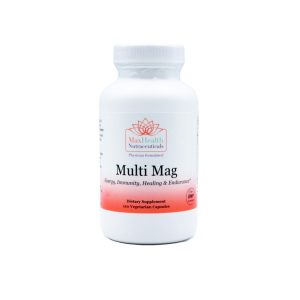
Multi Mag
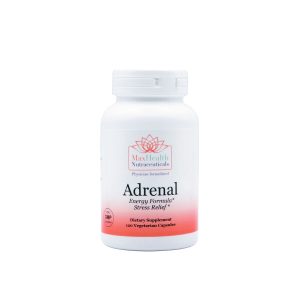
Adrenal (Energy & Stress) 120 Capsules
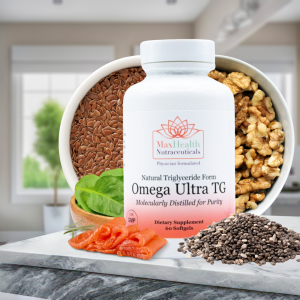
Omega Ultra TG
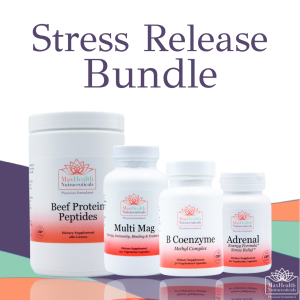
Stress Release Bundle
Disclosure: This post contains affiliate links. If you purchase through these links, we may earn a small commission at no extra cost to you. Learn more.
About the Author
Dr. Nicolle is a double board-certified physician in Family Medicine and Preventive Medicine, with certifications in Functional Medicine and Lifestyle Medicine. She helps busy professionals over 40 optimize their health through root-cause approaches to cardiovascular, hormonal, and metabolic health.
Learn more about Dr. Nicolle →Explore Related Topics
Dive deeper into these connected health areas
Hormone Health
Hormones are the chemical messengers that regulate virtually every process in your body — from metab…
Explore 🦠Gut Health
Your gut is far more than a digestive organ — it's home to 70% of your immune system, produces key n…
Explore ❤️Metabolic Health
Metabolic health sits at the intersection of blood sugar regulation, cardiovascular function, body c…
Explore 🌸Women's Health
Women's health encompasses a complex interplay of hormonal cycles, reproductive biology, and unique …
Explore 💪Men's Health
Men's health involves a unique interplay of hormonal balance, cardiovascular resilience, metabolic e…
Explore 🧠Mental Health
Mental health is deeply interconnected with hormonal balance, gut health, blood sugar regulation, an…
Explore 📖Skin & Hair Health
Your skin and hair are windows into your internal health. Chronic acne, eczema, psoriasis, and hair …
ExploreReady to Address Your Health Concerns?
Book a Discovery Offer consultation to discuss how our functional medicine approach can help you achieve your health goals.
Book Your Discovery Offer