Trauma, PTSD & the Nervous System: A Healing Guide

- Trauma rewires the autonomic nervous system, shifting the baseline from safety to chronic fight-or-flight or freeze/shutdown states.
- The ACE study proved that early trauma increases risk for virtually every chronic disease — heart disease, autoimmunity, depression, metabolic syndrome.
- PTSD paradoxically involves low baseline cortisol but exaggerated cortisol reactivity to perceived threats.
- Healing requires both top-down (therapy) and bottom-up (vagal toning, nutrition, somatic work) approaches.
- Pushing too hard with intense protocols can re-trigger the nervous system — a gradual, safety-first approach is essential.
One of the most important patients I've ever worked with was a woman in her mid-40s who came to me for chronic IBS, migraines, and fatigue. She'd been to gastroenterologists, neurologists, and rheumatologists. Nobody could find a clear diagnosis. Her labs were "mostly normal." She was about to accept that this was just her life.
During our 90-minute initial visit — the kind of visit that functional medicine allows but conventional care doesn't — she mentioned, almost as an aside, that she'd grown up in a chaotic household. She said it casually, the way people describe weather. But when we started connecting her health timeline to her life timeline, the pattern was unmistakable. Her body had been running a survival program for thirty years.
Trauma isn't just a psychological experience — it's a physiological event that rewires your nervous system. Long after the traumatic event has passed, the body continues to respond as if the threat is still present. This isn't weakness. It's neurobiology.
Research over the past two decades has revolutionized our understanding of trauma's impact on physical health. The landmark ACE (Adverse Childhood Experiences) study demonstrated that early trauma increases the risk of virtually every chronic disease — from heart disease and autoimmune conditions to depression and metabolic syndrome (1). Functional medicine is uniquely positioned to address the intersection of trauma, nervous system dysregulation, and chronic illness.
How Trauma Reshapes the Nervous System
The Autonomic Nervous System: Your Internal Safety Detector
Your autonomic nervous system (ANS) operates continuously below conscious awareness, scanning your environment for safety or danger. It has three primary states, described by Dr. Stephen Porges' Polyvagal Theory (2):
1. Ventral vagal (safe and social): Calm, connected, engaged. This is the optimal state for healing, digestion, immune function, and relationships.
2. Sympathetic (fight or flight): Activated, hypervigilant, anxious. Heart rate increases, muscles tense, digestion shuts down.
3. Dorsal vagal (freeze/shutdown): Collapsed, numb, dissociated. Energy conservation mode when fight/flight seems futile.
In a healthy nervous system, you move fluidly between these states and return to ventral vagal (safety) as your baseline. After trauma, the baseline shifts — the nervous system becomes stuck in sympathetic activation (chronic anxiety, hypervigilance) or dorsal vagal shutdown (depression, numbness, dissociation), or oscillates unpredictably between the two.
The HPA Axis and Cortisol
Trauma dysregulates the HPA (hypothalamic-pituitary-adrenal) axis, which governs your cortisol response. PTSD is paradoxically associated with low baseline cortisol but exaggerated cortisol reactivity — meaning the system under-responds at rest but over-responds to perceived threats (3). This pattern creates:
- Chronic fatigue with bursts of intense anxiety
- Sleep disruption (hyperarousal at night)
- Emotional flooding followed by numbness
- Difficulty with concentration and memory
The Body Keeps the Score: Physical Manifestations
Trauma stored in the nervous system manifests across every organ system:
Immune System:
- Increased inflammatory markers (CRP, IL-6, TNF-α)
- Higher rates of autoimmune disease
- Impaired immune surveillance
Digestive System:
- IBS and gut motility issues
- Increased intestinal permeability (leaky gut)
- Altered gut microbiome composition
Cardiovascular:
- Elevated resting heart rate and blood pressure
- Increased cardiovascular disease risk
- Heart rate variability (HRV) reduction
Hormonal:
- Adrenal dysfunction
- Thyroid suppression
- Reproductive hormone disruption
Musculoskeletal:
- Chronic pain syndromes
- Tension patterns and bracing
- Fibromyalgia
Trauma-informed care is essential. Pushing too hard, too fast with detoxification protocols, intense exercise, or restrictive diets can re-trigger the nervous system and worsen symptoms. A gradual, safety-first approach is critical.
Functional Medicine Strategies for Nervous System Repair
I want to be clear about something: I'm not a trauma therapist. What I bring to the table is the biological repair that most therapists aren't trained to address. The best outcomes I've seen are when patients work with both — a therapist for the top-down processing and a functional medicine practitioner for the bottom-up biology. Neither alone is as effective as both together.
1. Vagal Toning
The vagus nerve is the primary conduit of the parasympathetic (rest-and-digest) nervous system. Strengthening vagal tone shifts the baseline back toward safety:
- Cold exposure: Cold water on the face or brief cold showers (start with 30 seconds)
- Humming and singing: Vibrations stimulate the vagus nerve in the throat
- Deep, slow breathing: 4-7-8 breathing (inhale 4, hold 7, exhale 8)
- Gargling: Vigorously gargling water activates vagal pathways
- Social engagement: Safe, connected relationships are the most powerful vagal tonic
2. Targeted Nutritional Support
- Magnesium (glycinate or threonate): Calms the nervous system, supports GABA, improves sleep
- Omega-3 fatty acids: Reduce neuroinflammation, support neuroplasticity
- B vitamins (methylated forms): Support neurotransmitter production and methylation
- Phosphatidylserine: Blunts excessive cortisol reactivity
- L-theanine: Promotes alpha brain waves (calm alertness) without sedation
- GABA support: Direct GABA supplementation or precursors for those with low inhibitory tone
3. Gut Healing
The gut-brain axis is bidirectional. Healing gut inflammation and restoring microbiome diversity directly calms the nervous system:
- Probiotics (especially *Lactobacillus rhamnosus* and *Bifidobacterium longum*)
- L-glutamine for intestinal barrier repair
- Remove inflammatory triggers (processed food, alcohol, known sensitivities)
4. Movement as Medicine
Not all movement is equal for a traumatized nervous system:
- Recommended: Yoga (especially trauma-sensitive yoga), walking in nature, tai chi, swimming
- Use caution: High-intensity interval training, competitive sports (can trigger sympathetic overdrive)
- Exercise and hormonal balance should be approached gradually
5. Somatic and Body-Based Therapies
- EMDR (Eye Movement Desensitization and Reprocessing)
- Somatic Experiencing (SE)
- Craniosacral therapy
- Neurofeedback
Healing from trauma is not about "getting over it" — it's about helping the nervous system learn that the threat has passed and that safety is available now. This requires both top-down approaches (therapy, mindset) and bottom-up approaches (nutrition, vagal toning, somatic work).
References
- Felitti VJ, Anda RF, Nordenberg D, et al. Relationship of childhood abuse and household dysfunction to many of the leading causes of death in adults. American Journal of Preventive Medicine. 1998;14(4):245-258.
- Porges SW. The polyvagal theory: new insights into adaptive reactions of the autonomic nervous system. Cleveland Clinic Journal of Medicine. 2009;76(Suppl 2):S86-S90.
- Yehuda R. Post-traumatic stress disorder. New England Journal of Medicine. 2002;346(2):108-114.
- van der Kolk B. The Body Keeps the Score. New York: Viking; 2014.
- Danese A, McEwen BS. Adverse childhood experiences, allostasis, allostatic load, and age-related disease. Physiology & Behavior. 2012;106(1):29-39.
- Gerritsen RJ, Band GP. Breath of life: the respiratory vagal stimulation model of contemplative activity. Frontiers in Human Neuroscience. 2018;12:397.
Supplements for Mental Wellness
Clinical-grade picks for this topic

RESPeRATE Deluxe Duo
$399.95

Inner Balance™ Coherence Plus
$249.00

Thera360 PLUS Portable Sauna
$1,428.00
Affiliate disclosure: The product links below are affiliate links — we may earn a commission at no extra cost to you. Recommendations are based on clinical use, not commissions. Learn more.
Frequently Asked Questions
Common questions about trauma, ptsd & the nervous system: a healing guide
Recommended Supplements
Professional-grade supplements from my MaxHealth Nutraceuticals line — the same formulas I use in clinical practice.
RESPeRATE Deluxe Duo
Inner Balance™ Coherence Plus
Thera360 PLUS Portable Sauna

TheraFrost Cold Plunge

SMART Yoga Mat (Green)
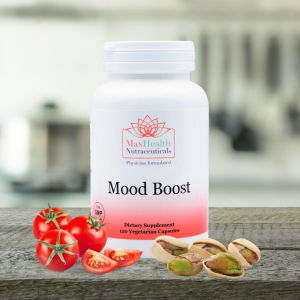
Mood Boost 120s
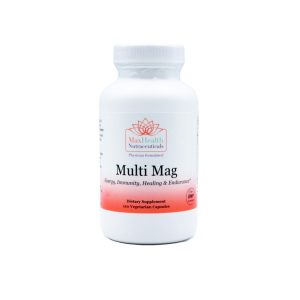
Multi Mag
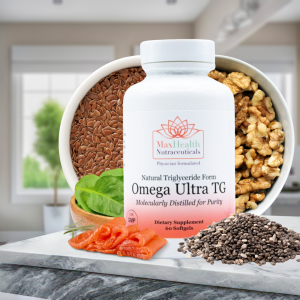
Omega Ultra TG

5-HTP 90s (with P5P & Glycine)

GABA Chews
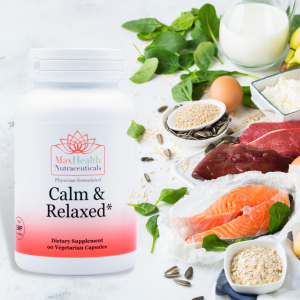
Calm & Relaxed 90s
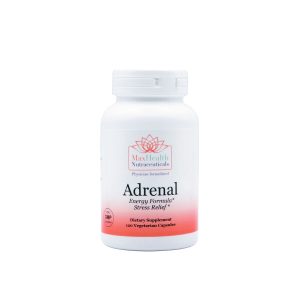
Adrenal (Energy & Stress) 120 Capsules
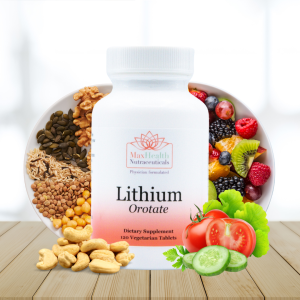
Lithium Orotate

Mindset & Mood Support Bundle
Disclosure: This post contains affiliate links. If you purchase through these links, we may earn a small commission at no extra cost to you. Learn more.
About the Author
Dr. Nicolle is a double board-certified physician in Family Medicine and Preventive Medicine, with certifications in Functional Medicine and Lifestyle Medicine. She helps busy professionals over 40 optimize their health through root-cause approaches to cardiovascular, hormonal, and metabolic health.
Learn more about Dr. Nicolle →Explore Related Topics
Dive deeper into these connected health areas
Hormone Health
Hormones are the chemical messengers that regulate virtually every process in your body — from metab…
Explore 🦠Gut Health
Your gut is far more than a digestive organ — it's home to 70% of your immune system, produces key n…
Explore ❤️Metabolic Health
Metabolic health sits at the intersection of blood sugar regulation, cardiovascular function, body c…
Explore 🌸Women's Health
Women's health encompasses a complex interplay of hormonal cycles, reproductive biology, and unique …
Explore 💪Men's Health
Men's health involves a unique interplay of hormonal balance, cardiovascular resilience, metabolic e…
Explore 📖Skin & Hair Health
Your skin and hair are windows into your internal health. Chronic acne, eczema, psoriasis, and hair …
ExploreReady to Address Your Health Concerns?
Book a Discovery Offer consultation to discuss how our functional medicine approach can help you achieve your health goals.
Book Your Discovery Offer