The Best Supplements for Hair Growth: A Functional Medicine Guide

- Most commercial hair supplements fail because they use underdosed, poorly formulated ingredients that don't address the root cause of YOUR hair loss
- Iron (ferritin) is the #1 most impactful supplement for women's hair growth — optimal range is 70-90 ng/mL, far above the 'normal' lab cutoff of 12 ng/mL
- A tiered approach works best: correct deficiencies first (iron, D3, zinc, B-complex), then add targeted support (omega-3, collagen, biotin), then advanced options (saw palmetto, adaptogens)
- Always test before supplementing — iron overload is dangerous, and biotin supplementation is only effective when you're actually deficient
- Give any protocol 4-6 months before evaluating results; hair growth cycles are inherently slow
You've tried the shampoos, the serums, the scalp massages. Maybe you've even experimented with a handful of supplements from the beauty aisle. And yet the hair keeps thinning, the part keeps widening, and the shower drain keeps collecting evidence that something is wrong.
Here's the uncomfortable truth: most hair growth supplements don't work — not because supplementation is ineffective, but because the products filling store shelves are either underdosed, poorly formulated, or targeting the wrong problem entirely. A gummy bear with 2,500mcg of biotin isn't going to regrow hair that's falling out because of iron deficiency, thyroid dysfunction, or hormonal imbalance.
In my functional medicine practice, I approach hair loss the same way I approach any chronic condition: find the root cause first, then supplement strategically. This guide breaks down which supplements actually have clinical evidence behind them, which are a waste of money, and how to build a protocol that addresses YOUR specific type of hair loss.
Why Most Hair Supplements Fail
The hair supplement industry is worth over $3 billion — and most of it is built on hope rather than evidence. Here's why the generic approach fails:
- One-size-fits-all formulas don't address individual deficiencies. Your hair loss may be driven by iron deficiency while your friend's is driven by insulin resistance
- Biotin-only products are overhyped. Biotin deficiency is actually rare in the general population, and supplementing biotin when you're not deficient has minimal effect on hair growth (1)
- Underdosed ingredients — many commercial products contain therapeutic compounds at doses too low to produce clinical results
- Wrong form of nutrients — the form matters enormously. Iron bisglycinate vs. iron sulfate, methylfolate vs. folic acid, zinc picolinate vs. zinc oxide — bioavailability determines whether the supplement actually reaches your hair follicles
- Ignoring the root cause — no supplement will overcome an undiagnosed thyroid condition, uncontrolled PCOS, or chronic stress
Before starting any hair growth supplement protocol, get comprehensive labs. I can't emphasize this enough: supplementing blindly is like treating a symptom you haven't diagnosed. Get ferritin, thyroid panel (full), vitamin D, zinc, B12, folate, DHEA-S, and a hormone panel at minimum.
The Root Causes of Hair Loss: What to Test First
Hair is a low-priority tissue for your body. When resources are scarce — whether from nutrient depletion, hormonal imbalance, or chronic stress — your body diverts nutrients away from hair and toward vital organs. Understanding the root cause determines which supplements will actually help.
Iron Deficiency (The #1 Miss)
Ferritin below 50 ng/mL is associated with hair shedding, even when hemoglobin is "normal" (2). Most conventional labs use 12 ng/mL as the lower limit. I've seen countless women with ferritin of 15-30 ng/mL told their iron is "fine" while watching clumps of hair fall out.
Optimal range for hair growth: Ferritin 70-90 ng/mL
Thyroid Dysfunction
Both hypothyroidism and Hashimoto's cause diffuse hair thinning. Hair becomes dry, brittle, and grows more slowly. The outer third of the eyebrow thinning is a classic thyroid sign that's frequently missed.
Hormonal Imbalance
- Elevated androgens (testosterone, DHT) — the primary driver of androgenetic alopecia in both men and women
- Estrogen dominance — can disrupt hair growth cycles
- PCOS — hyperandrogenism is a hallmark feature
- Postpartum hormonal shifts — postpartum hair loss typically peaks 3-6 months after delivery
Nutrient Deficiencies
| Nutrient | Role in Hair Growth | Optimal Range | Common Lab Range |
|---|---|---|---|
| Ferritin (Iron) | Oxygen delivery to follicles, cell division | 70-90 ng/mL | 12-150 ng/mL |
| Vitamin D | Hair follicle cycling, immune regulation | 50-70 ng/mL | 30-100 ng/mL |
| Zinc | Protein synthesis, cell division, DHT modulation | 90-120 mcg/dL | 60-120 mcg/dL |
| B12 | Red blood cell formation, oxygen delivery | 500-1,000 pg/mL | 200-900 pg/mL |
| Folate | DNA synthesis, cell regeneration | >15 ng/mL | 3-20 ng/mL |
| Biotin | Keratin infrastructure | N/A (rarely deficient) | Not routinely tested |
| Omega-3 Index | Scalp inflammation reduction, follicle nourishment | 8-12% | >4% |
Stress & Cortisol Dysregulation
Chronic stress triggers telogen effluvium — a condition where large numbers of hair follicles simultaneously enter the resting phase and shed 2-3 months later. Elevated cortisol also impairs nutrient absorption and disrupts hormone production.
The Evidence-Based Hair Growth Supplement Protocol
Based on clinical evidence and my experience treating hundreds of patients with hair loss, here is the tiered supplement protocol I use in practice.
Tier 1: Foundation (Everyone With Hair Loss Should Consider)
Iron (as bisglycinate) — 25-50mg daily
The most impactful supplement for hair growth in women, period. Iron bisglycinate is preferred because it's highly absorbable and causes minimal GI side effects. Take on an empty stomach with vitamin C to enhance absorption. Monitor ferritin every 3 months until optimal (3).
Do not supplement iron without testing ferritin first. Iron overload (hemochromatosis) is dangerous and more common than you think. Always test, never guess.
Vitamin D3 + K2 — 4,000-6,000 IU daily
Vitamin D receptors exist on hair follicles, and deficiency is associated with alopecia areata and telogen effluvium (4). K2 ensures calcium from D3 supplementation is directed to bones, not arteries.
Zinc (with copper) — 15-30mg daily
Zinc is critical for hair tissue growth and repair. It also modulates DHT — the androgen most directly linked to pattern hair loss. Always pair with copper (1-2mg) to prevent copper depletion from long-term zinc supplementation (5).
B-Complex (methylated) — daily
Methylated B vitamins support red blood cell production, energy metabolism, and the methylation pathways that influence hormone processing. Look for methylfolate (not folic acid) and methylcobalamin (not cyanocobalamin).
Tier 2: Targeted (Based on Lab Results)
Omega-3 (EPA/DHA) — 2,000-3,000mg daily
A 2015 study published in the *Journal of Cosmetic Dermatology* found that omega-3 supplementation for 6 months significantly increased hair density and reduced the percentage of telogen (resting) hairs (6). Omega-3s reduce scalp inflammation, a key factor in many types of hair loss.
Biotin — 5,000-10,000mcg daily
While biotin deficiency is uncommon, it does occur — particularly in women taking certain medications, those with gut issues, or during pregnancy. If your nails are brittle and peeling in addition to hair loss, biotin may be worth trialing. Evidence is strongest for true deficiency states (1).
Collagen Peptides — 10-15g daily
Collagen provides amino acids (glycine, proline, hydroxyproline) that are building blocks for hair structure. A 2019 study showed collagen supplementation improved hair thickness and coverage in women with thinning hair (7). Type I and III collagen peptides are most relevant for hair and skin.
Tier 3: Advanced (For Specific Conditions)
Saw Palmetto — 320mg daily
A natural 5-alpha-reductase inhibitor that blocks the conversion of testosterone to DHT. Multiple studies show efficacy comparable to low-dose finasteride for androgenetic alopecia, with fewer side effects (8). Consider if elevated androgens are confirmed on lab work.
Adaptogenic Support
If cortisol dysregulation is a driver, adaptogens like ashwagandha (300-600mg daily of KSM-66 extract) can help normalize the stress response. A 2019 study showed ashwagandha significantly reduced cortisol levels and self-perceived stress compared to placebo (9).
Skin, Hair & Nails Formula
A comprehensive formula combining biotin, silica, MSM, and key co-factors can provide synergistic support when multiple nutrient gaps exist simultaneously.
The best hair growth protocol is a layered one: correct deficiencies first (Tier 1), add targeted support based on labs (Tier 2), then consider advanced interventions for specific conditions (Tier 3). Give any protocol 4-6 months before evaluating results — hair growth cycles are slow.
Supplements That DON'T Work for Hair (Save Your Money)
Not everything marketed for hair growth is worth your investment:
- Sugar-loaded gummy vitamins — The therapeutic doses are too low, and the added sugar can worsen insulin resistance (which itself drives hair loss)
- Standalone biotin (when you're not deficient) — The evidence for biotin in non-deficient individuals is weak
- Colloidal minerals — Unregulated, poorly absorbed, and potentially contaminated
- "Hair growth" shampoos with biotin — Biotin applied topically does not penetrate the scalp in meaningful amounts
- Mega-dose single nutrients — Taking 50,000 IU of vitamin A or excessive selenium can actually CAUSE hair loss
The Timeline: When to Expect Results
Hair operates on a cycle. Even with perfect supplementation:
- Month 1-2: Internal changes occurring — nutrient levels rebuilding, inflammation reducing
- Month 3-4: Shedding may slow; new baby hairs may appear at the hairline
- Month 4-6: Visible improvement in hair density and thickness
- Month 6-12: Continued growth; hair quality (shine, strength) improves significantly
Take progress photos monthly under the same lighting. Hair changes are gradual, and daily mirror checks won't reveal the improvements that side-by-side photos will.
When Hair Loss Signals Something Deeper
If you've been supplementing correctly for 6+ months without improvement, investigate:
- Undiagnosed autoimmune conditions (alopecia areata, Hashimoto's)
- Hidden gut infections impairing nutrient absorption
- Environmental toxin exposure (heavy metals, mold)
- Medication side effects (birth control, antidepressants, blood pressure medications)
- Scalp-specific conditions requiring dermatological evaluation
Our Hair & Scalp Restoration Program takes a comprehensive approach — combining advanced lab testing, personalized supplementation, scalp health optimization, and ongoing monitoring to address the full spectrum of hair loss causes.
---
References
- Patel, D.P., Swink, S.M., & Castelo-Soccio, L. (2017). A review of the use of biotin for hair loss. Skin Appendage Disorders, 3(3), 166-169.
- Trost, L.B., Bergfeld, W.F., & Calogeras, E. (2006). The diagnosis and treatment of iron deficiency and its potential relationship to hair loss. Journal of the American Academy of Dermatology, 54(5), 824-844.
- Rushton, D.H. (2002). Nutritional factors and hair loss. Clinical and Experimental Dermatology, 27(5), 396-404.
- Gerkowicz, A., et al. (2017). The role of vitamin D in alopecia areata. International Journal of Molecular Sciences, 18(12), 2530.
- Kil, M.S., Kim, C.W., & Kim, S.S. (2013). Analysis of serum zinc and copper concentrations in hair loss. Annals of Dermatology, 25(4), 405-409.
- Le Floc'h, C., et al. (2015). Effect of a nutritional supplement on hair loss in women. Journal of Cosmetic Dermatology, 14(1), 76-82.
- Glynis, A. (2012). A double-blind, placebo-controlled study evaluating the efficacy of an oral supplement in women with self-perceived thinning hair. Journal of Clinical and Aesthetic Dermatology, 5(11), 28-34.
- Rossi, A., et al. (2012). Comparativa effectiveness of finasteride vs Serenoa repens in male androgenetic alopecia. Journal of Cutaneous and Aesthetic Surgery, 5(4), 247-249.
- Lopresti, A.L., Smith, S.J., Malvi, H., & Kodgule, R. (2019). An investigation into the stress-relieving and pharmacological actions of an ashwagandha extract. Medicine, 98(37), e17186.
Recommended Supplements
Clinical-grade picks for this topic
Affiliate disclosure: The product links below are affiliate links — we may earn a commission at no extra cost to you. Recommendations are based on clinical use, not commissions. Learn more.
Frequently Asked Questions
Common questions about the best supplements for hair growth: a functional medicine guide
Recommended Supplements
Professional-grade supplements from my MaxHealth Nutraceuticals line — the same formulas I use in clinical practice.

Theradome PRO LH80 Laser Helmet

Red Light Face Mask

Austin Air HealthMate Plus®
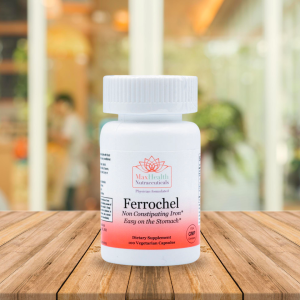
Ferrochel Plus (25mg) 100s
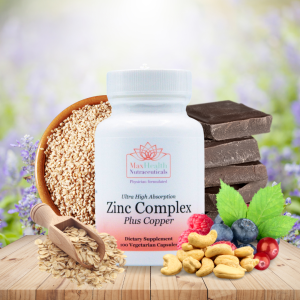
Zinc Complex Plus Copper
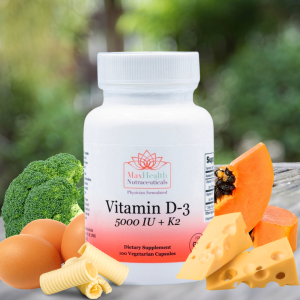
Vitamin D3 5000 IU + K2 CAPSULES 100s
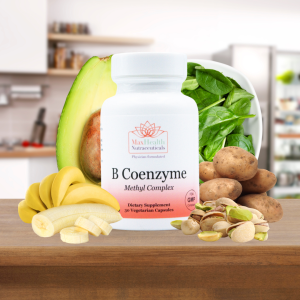
B Coenzyme Methyl Complex
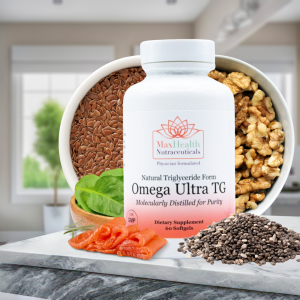
Omega Ultra TG
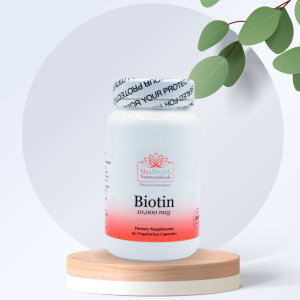
Biotin 10,000 90s
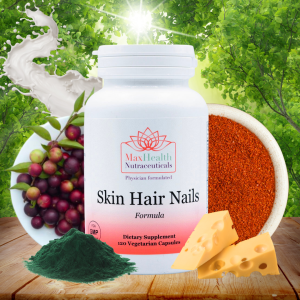
Skin Hair Nails Formula 120s
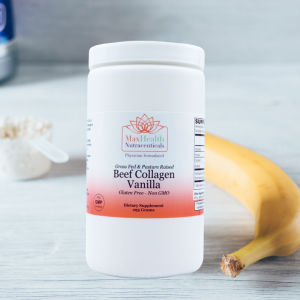
Beef Collagen Vanilla
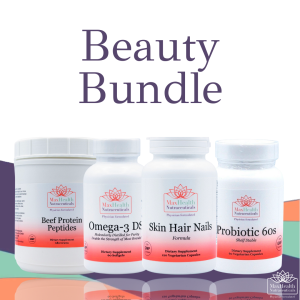
Beauty Bundle
Disclosure: This post contains affiliate links. If you purchase through these links, we may earn a small commission at no extra cost to you. Learn more.
About the Author
Dr. Nicolle is a double board-certified physician in Family Medicine and Preventive Medicine, with certifications in Functional Medicine and Lifestyle Medicine. She helps busy professionals over 40 optimize their health through root-cause approaches to cardiovascular, hormonal, and metabolic health.
Learn more about Dr. Nicolle →Explore Related Topics
Dive deeper into these connected health areas
Gut Health
Your gut is far more than a digestive organ — it's home to 70% of your immune system, produces key n…
Explore ❤️Metabolic Health
Metabolic health sits at the intersection of blood sugar regulation, cardiovascular function, body c…
Explore 💪Men's Health
Men's health involves a unique interplay of hormonal balance, cardiovascular resilience, metabolic e…
Explore 🧠Mental Health
Mental health is deeply interconnected with hormonal balance, gut health, blood sugar regulation, an…
ExploreReady to Address Your Health Concerns?
Book a Discovery Offer consultation to discuss how our functional medicine approach can help you achieve your health goals.
Book Your Discovery Offer