Estrogen Dominance: Why Your Hormones Feel Off and What to Do About It

- Estrogen dominance is about the ratio to progesterone, not just high estrogen levels
- Your liver's Phase I and II detox pathways determine how efficiently estrogen is cleared
- DIM, calcium-d-glucarate, and cruciferous vegetables support healthy estrogen metabolism
- Gut dysbiosis recirculates estrogen via beta-glucuronidase — gut health is essential
"I feel like I'm losing my mind." Sarah was 38 and sitting across from me describing a version of her life she barely recognized. She'd gained 15 pounds in a year without changing her diet. Her periods had become heavier and longer, with debilitating cramps. She was anxious during the day and sleeping terribly at night. Her hair was thinning. And when she told her gynecologist all of this, the suggestion was birth control pills.
Birth control can manage symptoms. But it wouldn't address why Sarah's body had shifted so dramatically. When I tested her hormones mid-luteal phase, the picture was clear: her estrogen was at the high end of the reference range while her progesterone was barely detectable. She had classic estrogen dominance, and it had been building for years.
Understanding Estrogen Dominance
Estrogen dominance is one of the most misunderstood hormone imbalances, partly because the name is misleading. It doesn't always mean estrogen is too high in absolute terms. It means the ratio of estrogen to progesterone is skewed, with estrogen exerting disproportionate influence.
This can happen three ways:
1. Absolute excess. Your body is producing too much estrogen, or you're being exposed to environmental estrogens that add to the total load
2. Relative excess. Estrogen levels are normal, but progesterone is too low to counterbalance it (this is the most common pattern I see)
3. Impaired clearance. Your body is producing normal amounts of estrogen but not detoxifying and excreting it efficiently, so it recirculates
Each of these pathways requires a different treatment approach, which is why testing matters more than guessing.
Estrogen dominance isn't always about too much estrogen. It's about the ratio. The most common pattern is normal estrogen with low progesterone — and this pattern gets missed because estrogen levels look "fine" on standard labs.
| Pattern | What's Happening | Primary Drivers |
|---|---|---|
| Relative Excess | Normal estrogen, low progesterone | Stress (pregnenolone steal), anovulatory cycles, perimenopause |
| Absolute Excess | High estrogen levels | Obesity (aromatase), exogenous estrogens, supplementation |
| Poor Clearance | Normal production, poor excretion | Liver congestion, gut dysbiosis, constipation, nutrient deficiencies |
Symptoms: The Pattern Recognition
Estrogen dominance creates a recognizable symptom cluster that most women can identify once they know what to look for:
Menstrual changes. Heavy, prolonged, or clotted periods; shortened cycles (less than 25 days); significant PMS symptoms starting 7-10 days before menstruation; breast tenderness that fluctuates with the cycle; menstrual migraines.
Body composition. Weight gain concentrated in the hips, thighs, and lower abdomen; difficulty losing weight despite consistent effort; fluid retention and bloating.
Mood and cognition. Anxiety, irritability, and emotional reactivity that worsens premenstrually; brain fog and difficulty concentrating; insomnia, particularly waking between 2-4 AM.
Other signs. Fibrocystic breast changes, uterine fibroids, endometriosis, hair loss or thinning (especially at the temples), acne along the jawline and chin, and decreased libido.
If you're reading this list and nodding, you're not alone. These symptoms are so common that many women accept them as normal. They're common, but they're not normal. They're signals.
Root Causes: Why Estrogen Gets Out of Balance
Progesterone Decline
This is the most frequent driver, particularly in women over 35. Progesterone production depends on ovulation: after an egg is released, the corpus luteum produces progesterone for the second half of the cycle. As women enter their late thirties and forties, ovulation becomes less reliable. Anovulatory cycles, where menstruation occurs without ovulation, produce estrogen but essentially no progesterone (1).
Chronic stress compounds this. Cortisol and progesterone share a precursor (pregnenolone), and under sustained stress, the body preferentially shunts pregnenolone toward cortisol production at progesterone's expense. This is sometimes called "pregnenolone steal," and it's clinically relevant: I see it in nearly every high-performing professional woman in my practice.
Impaired Estrogen Detoxification
Your body eliminates estrogen through a three-phase liver detoxification process, and problems at any stage can cause estrogen to build up.
Phase I (hydroxylation). Cytochrome P450 enzymes convert estrogen into metabolites. The 2-OH pathway is generally protective, while the 4-OH and 16-OH pathways produce metabolites associated with higher cancer risk and stronger estrogenic activity (2). Genetics (COMT, CYP1B1 variants) and environmental factors influence which pathway predominates.
Phase II (conjugation). Methylation, glucuronidation, and sulfation reactions "package" estrogen metabolites for excretion. Slow COMT variants (common in women of European descent) reduce methylation capacity, causing a backup of catechol estrogens. Nutrient deficiencies in B6, B12, folate, and magnesium further impair this process.
Phase III (elimination). Conjugated estrogens are excreted through bile into the intestines. Here's where gut health enters the picture: an enzyme called beta-glucuronidase, produced by certain gut bacteria, can "unpackage" conjugated estrogen and allow it to be reabsorbed into circulation (3). This is why gut health and estrogen metabolism are so deeply connected. SIBO and dysbiosis are common culprits behind impaired estrogen clearance.
The "estrobolome" — your collection of gut bacteria that metabolize estrogen — determines whether estrogen gets properly excreted or recirculated. Beta-glucuronidase produced by dysbiotic bacteria literally re-activates estrogen meant for elimination. Gut health is inseparable from hormone balance.
Environmental Estrogens (Xenoestrogens)
We are swimming in estrogen-mimicking compounds. BPA and BPS in plastics, phthalates in personal care products, pesticides, herbicides, and parabens all bind to estrogen receptors and add to the body's total estrogenic load (4). The average woman applies 168 chemicals to her body daily through personal care products alone.
Body Composition
Adipose (fat) tissue is an active endocrine organ that produces estrogen through the enzyme aromatase. Higher body fat percentage means higher estrogen production, independent of ovarian output. This becomes particularly relevant after menopause when adipose tissue becomes the primary estrogen source (5).
Gut Dysbiosis and the Estrobolome
The "estrobolome" refers to the collection of gut bacteria capable of metabolizing estrogen. When the gut microbiome is healthy and diverse, estrogen is properly deconjugated and excreted. When dysbiosis is present (often from antibiotic overuse, poor diet, or chronic stress), beta-glucuronidase activity increases, and estrogen recirculates (3). This is one of the most overlooked drivers I see clinically.
Testing: Getting the Full Picture
Testing for estrogen dominance requires more than just a serum estradiol level. Here's what I recommend:
- DUTCH test (Dried Urine Test for Comprehensive Hormones). This is the gold standard for evaluating estrogen metabolism. It measures not only estradiol and estrone but also the hydroxylated metabolites (2-OH, 4-OH, 16-OH), methylation activity, and the ratio of protective to harmful metabolites
- Day 19-21 progesterone. Serum progesterone in the mid-luteal phase confirms whether ovulation occurred and if progesterone production is adequate. Optimal is above 15 ng/mL; below 10 strongly suggests anovulation or luteal phase deficiency
- Comprehensive thyroid panel. Thyroid dysfunction and estrogen dominance frequently coexist — particularly Hashimoto's thyroiditis. Estrogen increases thyroid-binding globulin, reducing free thyroid hormone availability
- GI-MAP stool test. Assesses beta-glucuronidase levels, microbial diversity, and pathogenic overgrowth that may impair estrogen clearance
- Liver function markers. ALT, AST, GGT, and functional markers like albumin and bilirubin assess liver detoxification capacity
- COMT and CYP1B1 genetic testing. Identifies women with slow estrogen methylation who may benefit from targeted nutrient support
Restoring Balance: A Root-Cause Approach
Support Progesterone Production
- Manage stress actively. This is step one because pregnenolone steal directly suppresses progesterone. Stress management isn't optional; it's foundational to hormone balance
- Vitex (Chasteberry, 400 mg daily). A meta-analysis in *Planta Medica* showed vitex significantly improved luteal phase progesterone levels and PMS symptoms (6). It works by modulating dopamine receptors in the pituitary, increasing LH output and supporting corpus luteum function
- Vitamin B6 (50-100 mg as P5P). B6 is essential for progesterone receptor sensitivity and helps counteract estrogen-driven mood symptoms. The active form, pyridoxal-5-phosphate, is preferred
- Vitamin C (750 mg daily). Studies show vitamin C increases progesterone levels by supporting corpus luteum function (7)
- Adequate cholesterol intake. Cholesterol is the raw material for all steroid hormones. Extreme low-fat diets can suppress hormone production
Optimize Estrogen Detoxification
Support all three phases of estrogen metabolism through targeted nutrition and seed cycling:
- DIM (Diindolylmethane, 100-200 mg daily). Derived from cruciferous vegetables, DIM promotes the favorable 2-OH estrogen metabolism pathway over the 4-OH and 16-OH pathways (8)
- Calcium-D-Glucarate (500-1500 mg daily). Inhibits beta-glucuronidase, preventing estrogen reabsorption from the gut
- Cruciferous vegetables daily. Broccoli, cauliflower, Brussels sprouts, kale, and cabbage contain sulforaphane and I3C, natural compounds that support Phase I and Phase II estrogen metabolism
- Methylation support. Methylated B vitamins (methylfolate, methylcobalamin), magnesium glycinate (300-400 mg), and SAMe support Phase II methylation of catechol estrogens
- Fiber intake (30-35 g daily). Fiber binds conjugated estrogens in the intestines and promotes excretion. Ground flaxseed (2 tablespoons daily) is particularly effective due to its lignan content, which has been shown to favorably modulate estrogen metabolism (9)
Reduce Environmental Estrogen Exposure
- Switch to glass or stainless steel food containers (eliminate plastic, especially when heated)
- Choose organic produce for the "Dirty Dozen" (highest pesticide crops)
- Use clean beauty and personal care products (check ratings on EWG Skin Deep database)
- Filter drinking water (a quality carbon block filter removes most endocrine disruptors)
- Avoid thermal receipt paper (high BPA/BPS exposure through skin absorption)
Heal the Gut
- Address dysbiosis through targeted antimicrobial protocols when indicated by stool testing
- Restore microbial diversity with prebiotic fiber (resistant starch, inulin, GOS) and fermented foods
- Support intestinal barrier integrity with L-glutamine, zinc carnosine, and bone broth
- Eliminate food sensitivities that drive intestinal inflammation
Body Composition
- Resistance training builds lean mass and reduces aromatase-driven estrogen production from fat tissue
- Maintain a healthy body fat percentage (for women, 20-30% is generally optimal for hormonal health)
- Avoid crash dieting, which paradoxically increases cortisol and worsens progesterone depletion
When to Consider Bioidentical Progesterone
For women with confirmed low progesterone who don't respond adequately to lifestyle interventions alone, bioidentical micronized progesterone (oral or topical) can be a game-changer. Unlike synthetic progestins found in conventional birth control, bioidentical progesterone is structurally identical to what the body produces and has a favorable safety profile (10).
I typically prescribe it cyclically (days 14-28 of the cycle) for premenopausal women and nightly for perimenopausal women. It often improves sleep dramatically within the first week, since progesterone's calming metabolite, allopregnanolone, is a potent GABA-A receptor agonist.
Do not confuse bioidentical progesterone with synthetic progestins (medroxyprogesterone, norethindrone) found in conventional birth control and HRT. Synthetic progestins do not have the same safety profile, neuroprotective effects, or metabolic benefits as bioidentical micronized progesterone. The distinction matters clinically.
Sarah's Outcome
Sarah's story had a positive ending. Within three months of addressing her gut health, supporting her progesterone, adding DIM, and reducing her xenoestrogen exposure, her periods normalized, her mood stabilized, and she lost 8 of those 15 pounds without changing her exercise routine. Her body wasn't broken. It was responding to signals we needed to change.
If any of this resonates with you, take our Wellness Quiz for a personalized assessment, or book a Discovery Offer to test your hormones properly and build a plan that addresses the root cause.
---
References
- Prior JC. Progesterone for the prevention and treatment of osteoporosis in women. Climacteric. 2018;21(4):366-374. https://doi.org/10.1080/13697137.2018.1467400
- Tsuchiya Y, et al. Human CYP1B1 is regulated by estradiol via estrogen receptor. Cancer Res. 2004;64(9):3119-3125. https://doi.org/10.1158/0008-5472.CAN-04-0166
- Baker JM, et al. Estrogen-gut microbiome axis: physiological and clinical implications. Maturitas. 2017;103:45-53. https://doi.org/10.1016/j.maturitas.2017.06.025
- Gore AC, et al. EDC-2: The Endocrine Society's second scientific statement on endocrine-disrupting chemicals. Endocrine Reviews. 2015;36(6):E1-E150. https://doi.org/10.1210/er.2015-1010
- Simpson ER. Sources of estrogen and their importance. J Steroid Biochem Mol Biol. 2003;86(3-5):225-230. https://doi.org/10.1016/S0960-0760(03)00360-1
- Verkaik S, et al. The treatment of premenstrual syndrome with preparations of Vitex agnus castus: a systematic review and meta-analysis. Am J Obstet Gynecol. 2017;217(2):150-166. https://doi.org/10.1016/j.ajog.2017.02.028
- Henmi H, et al. Effects of ascorbic acid supplementation on serum progesterone levels in patients with a luteal phase defect. Fertility and Sterility. 2003;80(2):459-461. https://doi.org/10.1016/S0015-0282(03)00657-5
- Thomson CA, et al. Chemopreventive properties of 3,3'-diindolylmethane in breast cancer. Mol Cancer Ther. 2004;3(6):755-764. https://doi.org/10.1158/1535-7163.755.3.6
- Sturgeon SR, et al. Effect of flaxseed consumption on urinary estrogen metabolites. Cancer Epidemiol Biomarkers Prev. 2010;19(7):1953-1960. https://doi.org/10.1158/1055-9965.EPI-10-0426
- The Writing Group for the PEPI Trial. Effects of hormone replacement therapy on endometrial histology in postmenopausal women. JAMA. 1996;275(5):370-375. https://doi.org/10.1001/jama.1996.03530290040035
Supplements for Women's Hormone Balance
Clinical-grade picks for this topic

Thera360 PLUS Portable Sauna
$1,428.00

Branch Basics Premium Starter Kit
$75.00

Inner Balance™ Coherence Plus
$249.00
Affiliate disclosure: The product links below are affiliate links — we may earn a commission at no extra cost to you. Recommendations are based on clinical use, not commissions. Learn more.
Frequently Asked Questions
Common questions about estrogen dominance: why your hormones feel off and what to do about it
Recommended Supplements
Professional-grade supplements from my MaxHealth Nutraceuticals line — the same formulas I use in clinical practice.
Thera360 PLUS Portable Sauna
Branch Basics Premium Starter Kit
Inner Balance™ Coherence Plus
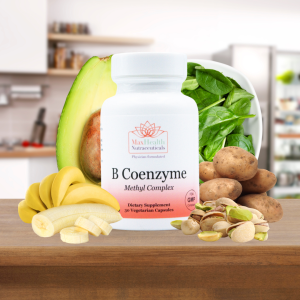
B Coenzyme Methyl Complex
NAC 90s
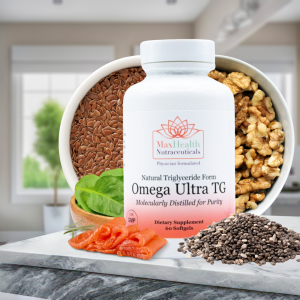
Omega Ultra TG

Herbal Cleanse 60s
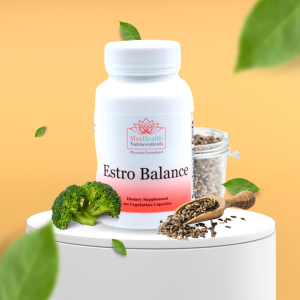
Estro Balance 60s
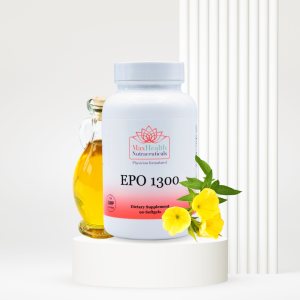
EPO (Evening Primrose Oil)
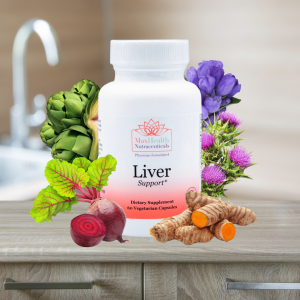
Liver (Detox & Protect) 60s
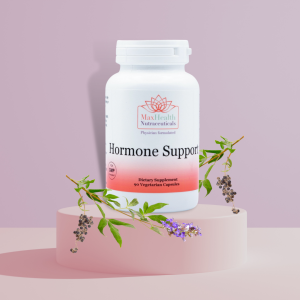
Hormone Support – Vitex (Female)
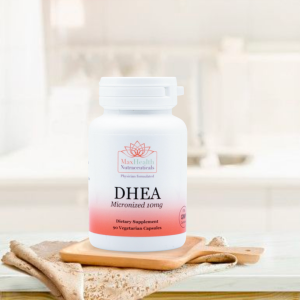
DHEA 10mg 90s
Selenium 200mcg 60s

Estrogen Dominance Her Bundle
Disclosure: This post contains affiliate links. If you purchase through these links, we may earn a small commission at no extra cost to you. Learn more.
About the Author
Dr. Nicolle is a double board-certified physician in Family Medicine and Preventive Medicine, with certifications in Functional Medicine and Lifestyle Medicine. She helps busy professionals over 40 optimize their health through root-cause approaches to cardiovascular, hormonal, and metabolic health.
Learn more about Dr. Nicolle →Explore Related Topics
Dive deeper into these connected health areas
Gut Health
Your gut is far more than a digestive organ — it's home to 70% of your immune system, produces key n…
Explore ❤️Metabolic Health
Metabolic health sits at the intersection of blood sugar regulation, cardiovascular function, body c…
Explore 💪Men's Health
Men's health involves a unique interplay of hormonal balance, cardiovascular resilience, metabolic e…
Explore 🧠Mental Health
Mental health is deeply interconnected with hormonal balance, gut health, blood sugar regulation, an…
Explore 📖Skin & Hair Health
Your skin and hair are windows into your internal health. Chronic acne, eczema, psoriasis, and hair …
ExploreReady to Address Your Health Concerns?
Book a Discovery Offer consultation to discuss how our functional medicine approach can help you achieve your health goals.
Book Your Discovery Offer