Male Fertility & Sperm Health: An Optimization Guide

- Global sperm counts have dropped 51% since 1973 — environmental toxins, heat exposure, and nutrient deficiencies are the primary drivers
- Sperm DNA fragmentation testing is the most underutilized test in male fertility — request it specifically
- CoQ10 (200–400 mg), zinc (30 mg), selenium (200 mcg), and L-carnitine (2–3 g) improve sperm parameters in RCTs
- Exogenous testosterone (TRT) suppresses sperm production — never start TRT if you're trying to conceive
A 36-year-old software developer came to me after 18 months of trying to conceive with his wife. Their reproductive endocrinologist had focused almost entirely on her — IUI cycles, Clomid, timed intercourse. His semen analysis had been "borderline normal," so nobody investigated further. When I ran his full workup, his total motile sperm count was in the 15th percentile, his morphology was 2% (WHO cutoff is 4%), his zinc was depleted, his vitamin D was 18 ng/mL, and he was keeping his laptop on his lap 8 hours a day. Three months after targeted optimization, his wife conceived naturally.
I see this pattern constantly: the male partner is undertested, underinvestigated, and undertreated. Yet male factors contribute to approximately 50% of all infertility cases (1). The global decline in sperm counts — a 51% drop since 1973, with the decline accelerating since 2000 — should be a public health alarm (2).
The Sperm Crisis: What's Happening?
A landmark meta-analysis published in *Human Reproduction Update* analyzed data from 56,168 men across 53 countries and found that mean sperm concentration fell from 101 million/mL in 1973 to 49 million/mL in 2018 — and the rate of decline is accelerating (2). This isn't a measurement artifact. Something is fundamentally changing.
Sperm take approximately 74 days to fully mature. This means that any intervention you implement today won't show up on a semen analysis for about 2.5–3 months. Plan accordingly and be patient with the process.
Root Causes of Declining Male Fertility
1. Environmental Toxins and Endocrine Disruptors
Environmental toxins are the most significant modifiable factor:
- BPA and phthalates: Found in plastics, food packaging, receipts, personal care products. They are potent estrogen mimics that suppress testosterone and impair spermatogenesis.
- Pesticides: Organophosphates and glyphosate reduce sperm count and motility.
- Heavy metals: Lead, mercury, and cadmium accumulate in testicular tissue.
- PFAS ("forever chemicals"): Found in nonstick cookware, water supplies, and food packaging. Associated with reduced sperm concentration.
2. Heat Exposure
The testes are external for a reason — spermatogenesis requires temperatures 2–4°C below core body temperature. Sources of scrotal hyperthermia:
- Laptop use on the lap (increases scrotal temperature by 2.5°C within 15 minutes)
- Prolonged sitting (desk jobs, driving)
- Hot tubs and saunas (temporary effect — recovers in 2–3 months)
- Tight underwear (modest effect — switch to boxers)
- Cycling (prolonged sessions)
3. Oxidative Stress
Sperm are exceptionally vulnerable to oxidative damage because they have minimal cytoplasmic antioxidant defenses. Oxidative stress is present in 30–80% of infertile men and damages sperm DNA, membranes, and mitochondria (3).
Sources: smoking, alcohol, poor diet, chronic inflammation, obesity, environmental toxins, excessive exercise
4. Nutrient Deficiencies
Key nutrients for spermatogenesis:
| Nutrient | Role | Common Deficiency Rate |
|---|---|---|
| Zinc | Sperm production, testosterone synthesis | 30–40% of men |
| Selenium | Sperm motility, antioxidant defense | 15–25% |
| Folate | DNA synthesis and methylation | 20–30% |
| Vitamin D | Testosterone, sperm motility | 40–60% |
| CoQ10 | Mitochondrial energy for motility | Under-measured |
| L-carnitine | Sperm maturation and energy | Under-measured |
| Omega-3 | Sperm membrane fluidity | 80%+ (low Omega-3 Index) |
5. Hormonal Imbalances
- Low testosterone reduces spermatogenesis
- Elevated estradiol (from visceral fat aromatase activity) suppresses FSH and LH
- Thyroid dysfunction impairs sperm motility
- Elevated cortisol suppresses the HPG axis
- Elevated prolactin (from stress, medications, or pituitary issues) inhibits GnRH
Exogenous testosterone (TRT) suppresses spermatogenesis and can cause infertility. If you're trying to conceive, do NOT start testosterone replacement therapy. If you're already on TRT and want to preserve fertility, discuss alternatives (hCG, enclomiphene, or cessation) with your physician.
6. Lifestyle Factors
- Alcohol: Even moderate consumption (>5 drinks/week) reduces sperm quality
- Cannabis: THC directly impairs sperm motility and morphology through CB1 receptors
- Smoking: Reduces sperm count by 15–20% and increases DNA fragmentation
- Obesity: BMI >30 is associated with 25% lower sperm concentration
The Functional Medicine Fertility Workup for Men
| Test | Purpose |
|---|---|
| Semen analysis (WHO criteria) | Baseline count, motility, morphology |
| Sperm DNA fragmentation | Assesses genetic integrity — often missed in standard workup |
| Total & free testosterone, SHBG, LH, FSH | Hormonal axis function |
| Estradiol (sensitive assay) | Aromatase activity |
| Prolactin | Pituitary contribution |
| Full thyroid panel | Thyroid contribution |
| Zinc, selenium, vitamin D, B12, folate | Nutritional status |
| Omega-3 Index | Cell membrane health |
| Fasting insulin, HbA1c | Metabolic health |
| Environmental toxin panel | BPA, phthalates, heavy metals |
Evidence-Based Optimization Protocol
Supplementation (The "Fertility Stack")
Based on randomized controlled trials:
- Zinc: 30 mg/day — essential for testosterone synthesis and sperm production
- Selenium: 200 mcg/day — improves motility and reduces oxidative damage
- CoQ10 (ubiquinol): 200–400 mg/day — improves sperm count and motility in RCTs
- L-carnitine: 2–3 g/day — enhances sperm energy metabolism and motility
- Vitamin D: Dose to achieve 40–60 ng/mL — supports testosterone and sperm function
- Folate (methylfolate): 400–800 mcg/day — supports DNA synthesis
- Omega-3 (EPA/DHA): 2,000 mg/day — improves sperm membrane fluidity
- N-Acetyl Cysteine (NAC): 600 mg/day — powerful antioxidant that reduces DNA fragmentation
- Vitamin C + E: 500 mg + 400 IU daily — antioxidant protection
Lifestyle Modifications
- Dietary pattern: Mediterranean or anti-inflammatory diet rich in colorful vegetables, nuts, fish, and olive oil
- Exercise: Moderate resistance training + 150 min/week cardio. Avoid overtraining (excessive endurance exercise can suppress testosterone)
- Sleep: 7–9 hours nightly, treat sleep disorders
- Stress management: Cortisol optimization through structured relaxation
- Reduce toxin exposure: BPA-free containers, filtered water, organic produce for the "Dirty Dozen," minimize plastic food contact
- Thermal management: No laptops on lap, avoid hot tubs during conception attempts, wear loose-fitting underwear
Male fertility optimization requires 3+ months of consistent effort (one full spermatogenesis cycle). Start the protocol at least 3 months before planned conception. Test, intervene, and retest. The window of intervention is real and the outcomes are measurable.
References
- Agarwal A, et al. A unique view on male infertility around the globe. Reprod Biol Endocrinol. 2015;13:37. https://doi.org/10.1186/s12958-015-0032-1
- Levine H, et al. Temporal trends in sperm count: a systematic review and meta-regression analysis. Hum Reprod Update. 2023;29(2):157-176. https://doi.org/10.1093/humupd/dmac035
- Agarwal A, et al. Oxidative stress in male reproduction. World J Mens Health. 2014;32(1):1-17. https://doi.org/10.5534/wjmh.2014.32.1.1
Supplements for Men's Health
Clinical-grade picks for this topic

TheraFrost Cold Plunge
$4,988.00

Inner Balance™ Coherence Plus
$249.00

SMART Resistance Training Bundle
$54.99
Affiliate disclosure: The product links below are affiliate links — we may earn a commission at no extra cost to you. Recommendations are based on clinical use, not commissions. Learn more.
Frequently Asked Questions
Common questions about male fertility & sperm health: an optimization guide
Recommended Supplements
Professional-grade supplements from my MaxHealth Nutraceuticals line — the same formulas I use in clinical practice.
TheraFrost Cold Plunge
Inner Balance™ Coherence Plus
SMART Resistance Training Bundle
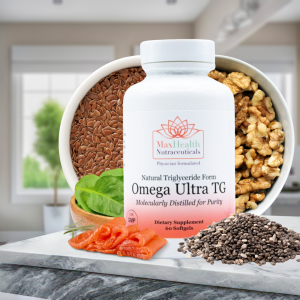
Omega Ultra TG
CoQ10
NAC 90s
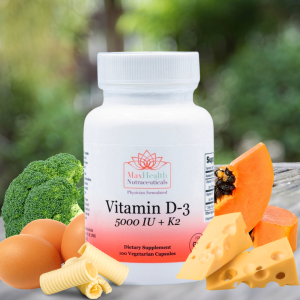
Vitamin D3 5000 IU + K2 CAPSULES 100s
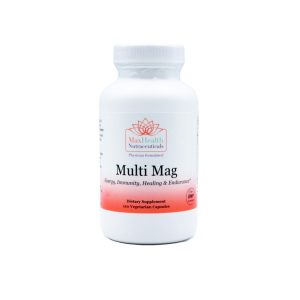
Multi Mag
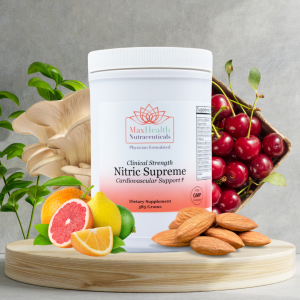
Nitric Supreme Cardiovascular Support
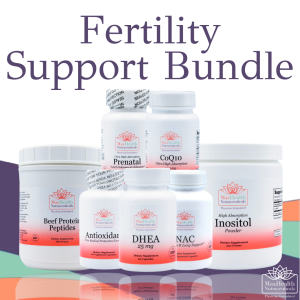
Fertility Support Bundle
Disclosure: This post contains affiliate links. If you purchase through these links, we may earn a small commission at no extra cost to you. Learn more.
About the Author
Dr. Nicolle is a double board-certified physician in Family Medicine and Preventive Medicine, with certifications in Functional Medicine and Lifestyle Medicine. She helps busy professionals over 40 optimize their health through root-cause approaches to cardiovascular, hormonal, and metabolic health.
Learn more about Dr. Nicolle →Explore Related Topics
Dive deeper into these connected health areas
Gut Health
Your gut is far more than a digestive organ — it's home to 70% of your immune system, produces key n…
Explore ❤️Metabolic Health
Metabolic health sits at the intersection of blood sugar regulation, cardiovascular function, body c…
Explore 🌸Women's Health
Women's health encompasses a complex interplay of hormonal cycles, reproductive biology, and unique …
Explore 🧠Mental Health
Mental health is deeply interconnected with hormonal balance, gut health, blood sugar regulation, an…
Explore 📖Skin & Hair Health
Your skin and hair are windows into your internal health. Chronic acne, eczema, psoriasis, and hair …
ExploreReady to Address Your Health Concerns?
Book a Discovery Offer consultation to discuss how our functional medicine approach can help you achieve your health goals.
Book Your Discovery Offer