Low Testosterone After 40: What's Really Driving It and How to Fix It

- A man at 350 ng/dL is 'normal' by lab standards but likely symptomatic and undertreated
- Sleep, body composition, and stress are the three biggest modifiable drivers of low T
- Free testosterone and SHBG matter as much as total testosterone — most doctors don't check them
- Clomiphene and hCG are fertility-preserving alternatives to traditional TRT
Michael was 47. Successful executive. Consistent with his workouts. Eating "clean," or so he thought. But something had shifted over the past two years, and he couldn't pinpoint exactly when it started. The gym felt harder. Recovery took longer. His focus at work was slipping. His sex drive had dropped noticeably, and that was the part that finally brought him into my office.
"I think I just need testosterone," he said.
Maybe. But before writing a prescription, I needed to understand *why* his testosterone was low. Because in my experience, the decline men experience after 40 isn't usually testosterone's fault alone. It's the downstream consequence of multiple treatable factors that, when addressed, often bring testosterone back without replacement therapy.
The Myth of Inevitable Decline
Let's start with what the data actually says. Testosterone does decline with age, roughly 1-2% per year after age 30 (1). But here's what the popular narrative leaves out: the rate and degree of decline varies enormously between individuals, and much of what we attribute to aging is actually driven by modifiable factors.
The Massachusetts Male Aging Study, one of the largest longitudinal studies on male hormones, found that population-level testosterone has been declining independent of age. Men in the 2000s had significantly lower testosterone than men of the same age in the 1980s, even after adjusting for BMI, smoking, and other variables (2). Something environmental and behavioral is driving testosterone down beyond simple aging.
The Endocrine Society's guidelines define hypogonadism as total testosterone below 300 ng/dL with symptoms. But "normal" range extends from 300 to 1000 ng/dL, and a man at 310 who used to be at 750 will feel the difference long before his lab crosses the threshold for diagnosis.
What's Actually Suppressing Your Testosterone
Body Composition: The Aromatase Problem
Adipose tissue, particularly visceral belly fat, contains the enzyme aromatase, which converts testosterone to estradiol. The more body fat you carry, the more testosterone gets converted to estrogen. This creates a vicious cycle: low testosterone promotes fat storage, fat produces aromatase, aromatase converts more testosterone, and levels drop further (3).
A meta-analysis in *Clinical Endocrinology* found that weight loss alone increased total testosterone by an average of 2.9 nmol/L in overweight and obese men, with greater increases associated with more weight lost (4). For some men, losing 20-30 pounds of fat restores testosterone to levels that don't require replacement.
Sleep Deprivation
Testosterone production is pulsatile and predominantly nocturnal, with peak secretion during deep (Stage 3) sleep. Research from the University of Chicago found that restricting young men to 5 hours of sleep for one week reduced testosterone by 10-15%, the equivalent of 10-15 years of aging (5). Most of my male patients over 40 are sleeping 5-6 hours and wondering why their hormones are crashing.
Sleep apnea deserves special mention. It's dramatically underdiagnosed in men and directly suppresses testosterone through intermittent hypoxia and sleep fragmentation. A 2015 study in the *Journal of Clinical Endocrinology & Metabolism* found that treating sleep apnea with CPAP modestly improved testosterone, but only when combined with weight management (6).
Chronic Stress and Cortisol
The HPA axis and HPG axis (hypothalamic-pituitary-gonadal, the testosterone production pathway) are fundamentally antagonistic. When cortisol is chronically elevated, the hypothalamus downregulates GnRH (gonadotropin-releasing hormone), which suppresses LH output from the pituitary, which means less signal reaches the testes to produce testosterone (7).
I see this pattern constantly in high-performing professionals: chronic work stress, poor recovery practices, and insufficient sleep create sustained cortisol elevation that directly suppresses the reproductive axis. The body is essentially saying, "This isn't a safe time to reproduce."
Insulin Resistance
Insulin resistance is one of the most underrecognized drivers of low testosterone. Hyperinsulinemia reduces hepatic sex hormone-binding globulin (SHBG) production, which paradoxically can make total testosterone look more normal while free testosterone is actually low. It also promotes visceral fat storage and inflammation, both of which further suppress testosterone (8).
The EMAS (European Male Ageing Study), which followed over 3,000 men, found that BMI, insulin resistance, and metabolic syndrome were stronger predictors of testosterone decline than age itself (9).
The European Male Ageing Study found that metabolic syndrome and insulin resistance predict testosterone decline more strongly than age itself. Fixing your metabolism often fixes your testosterone — without a single injection.
Nutrient Deficiencies
Several micronutrient deficiencies directly impair testosterone production:
- Zinc. Essential for Leydig cell function and testosterone synthesis. Even mild deficiency (common in athletes and men on restricted diets) significantly suppresses testosterone (10)
- Vitamin D. Men with vitamin D levels above 30 ng/mL have significantly higher testosterone than deficient men. A randomized trial found that supplementing with 3,332 IU/day increased total testosterone by about 25% over one year (11)
- Magnesium. Bound to SHBG in the blood, magnesium influences free testosterone bioavailability. Deficiency is widespread and worsened by stress, alcohol, and processed food diets
- Boron. A trace mineral that reduces SHBG and increases free testosterone. A small but intriguing study found that 10 mg daily for one week increased free testosterone by 28% (12)
Environmental Toxins
Endocrine-disrupting chemicals including BPA, phthalates, atrazine, and PFAS have documented anti-androgenic effects. Phthalate exposure in particular is associated with reduced testosterone, lower sperm quality, and increased adiposity in men (13). These exposures are cumulative and ubiquitous, found in plastics, receipts, personal care products, pesticides, and drinking water.
Overtraining and Under-Recovery
This one surprises men who pride themselves on their work ethic in the gym. Excessive endurance exercise without adequate recovery (overtraining syndrome) actually suppresses the HPG axis. Marathon runners and triathletes frequently have lower testosterone than moderately active men. The key issue is the cortisol-to-testosterone ratio: when training volume exceeds recovery capacity, cortisol rises and testosterone falls (14).
Testing: The Numbers That Matter
A single total testosterone level drawn at 2 PM tells you almost nothing useful. Here's what a proper evaluation looks like:
- Total testosterone (drawn fasting, 7-9 AM). Testosterone peaks in the early morning, so timing matters. Two morning measurements below 300 ng/dL confirm hypogonadism per Endocrine Society guidelines, but I consider optimal to be 500-900 ng/dL
- Free testosterone. This is the biologically active fraction (about 2-3% of total). It's a better indicator of tissue-level testosterone effect than total, especially in men with altered SHBG
- SHBG (Sex Hormone-Binding Globulin). High SHBG binds more testosterone, reducing the free fraction. Low SHBG (common with insulin resistance) can make total testosterone look deceptively normal
- Estradiol (sensitive assay). Elevated estradiol in men indicates excessive aromatization, often from high body fat. Optimal is 20-35 pg/mL
- LH and FSH. These pituitary hormones distinguish between primary hypogonadism (testes aren't responding; LH is high) and secondary hypogonadism (the brain isn't sending the signal; LH is low). This distinction changes the treatment approach entirely
- Prolactin. Elevated prolactin suppresses GnRH and can indicate a pituitary issue
- Complete metabolic panel and insulin. Assesses metabolic status, liver function, and insulin resistance
- DHEA-S and cortisol. Evaluates adrenal function and the stress-hormone load on the HPG axis
- Thyroid panel. Hypothyroidism can mimic or worsen low testosterone symptoms
- CBC. Baseline before any testosterone therapy, since testosterone stimulates erythropoiesis
The Optimization Protocol
Step 1: Fix the Foundations First
Before discussing any form of testosterone replacement, I address the modifiable factors:
Never start testosterone replacement therapy without first optimizing sleep, body composition, stress, and nutrient status. TRT shuts down your body's own production, commits you to lifelong therapy, and can cause infertility. For many men, fixing these foundational factors raises testosterone 200-300 ng/dL naturally.
Sleep (7-8 hours minimum). This alone can increase testosterone by 15-20% in men who are sleep-deprived. Screen for and treat sleep apnea. Optimize sleep hygiene aggressively.
Body composition. Prioritize fat loss through a moderate caloric deficit, high protein intake (1.6-2.2 g/kg), and resistance training. Even 10% body weight reduction can meaningfully increase testosterone.
Resistance training. Compound movements (squats, deadlifts, presses, rows) performed 3-4 times per week are the most potent natural testosterone stimulus. Volume and intensity matter more than duration. Check out our fitness programs for structured strength training.
Stress management. Active recovery practices: breathwork, meditation, nature exposure, social connection, and clear work-life boundaries.
Nutrition. Adequate calories (under-eating suppresses testosterone), sufficient dietary fat (especially monounsaturated and saturated from whole food sources), and micronutrient-rich foods (oysters, beef, eggs, leafy greens, Brazil nuts for selenium).
Step 2: Targeted Supplementation
Based on lab results:
- Vitamin D3 (5,000 IU daily, titrate to 50-70 ng/mL). Low vitamin D is almost universal in my practice and correlates directly with testosterone levels
- Zinc (30-50 mg daily as zinc picolinate or bisglycinate). Particularly important for men who exercise heavily, sweat often, or eat plant-based diets
- Magnesium (400-600 mg glycinate or threonate). Supports sleep quality, stress resilience, and testosterone bioavailability
- Ashwagandha (600 mg KSM-66 daily). A randomized controlled trial found that ashwagandha increased testosterone by 15% and improved sperm parameters in men under stress (15)
- Tongkat Ali (200-400 mg standardized extract). Several studies show improvements in testosterone, mood, and stress hormones
- Boron (6-10 mg daily). Reduces SHBG and increases free testosterone
Step 3: When to Consider TRT
Testosterone replacement therapy is appropriate when:
- Foundations are addressed and testosterone remains below 300-400 ng/dL with persistent symptoms
- There's confirmed primary hypogonadism (testicular dysfunction)
- Quality of life is significantly impacted despite optimization
TRT is not a lifestyle shortcut. It requires ongoing monitoring (hematocrit, PSA, lipids, estradiol), may impact fertility (it suppresses sperm production), and is generally a lifelong commitment. It's a legitimate medical tool, but it should be the last step, not the first.
| Feature | Natural Optimization | Testosterone Therapy (TRT) |
|---|---|---|
| Mechanism | Restores body's own production | Replaces body's production |
| Fertility Impact | Improves sperm quality | Suppresses sperm production |
| Time to Effect | 3-6 months | 3-6 weeks |
| Side Effects | Generally positive (healthier) | Hematocrit, acne, shrinkage |
| Commitment | Lifestyle maintenance | Often lifelong |
What I Told Michael
We didn't start with testosterone. We started with data. His labs showed low-normal total T (380), low free T, elevated fasting insulin (18), vitamin D at 22 ng/mL, and cortisol that was elevated at all four time points. He was also sleeping 5.5 hours a night and consuming two large coffees before 7 AM.
Four months later, after addressing sleep, stress, body composition (he lost 18 pounds), and correcting his vitamin D and zinc deficiencies, his total testosterone was 580 and his free T had nearly doubled. No prescription required. His words: "I feel like I got five years back."
Not every man's outcome is this dramatic. Some need TRT, and that's completely reasonable. But most men deserve to know what's actually driving the decline before committing to lifelong therapy.
Ready to get real answers? Our Men's Health Optimization Program starts with the comprehensive hormone workup described above. You can also book a Discovery Offer to discuss your symptoms and determine whether foundational optimization or TRT is the right path for you.
---
References
- Feldman HA, et al. Age trends in the level of serum testosterone and other hormones in middle-aged men. J Clin Endocrinol Metab. 2002;87(2):589-598. https://doi.org/10.1210/jcem.87.2.8201
- Travison TG, et al. A population-level decline in serum testosterone levels in American men. J Clin Endocrinol Metab. 2007;92(1):196-202. https://doi.org/10.1210/jc.2006-1375
- Cohen PG. Aromatase, adiposity, aging and disease. The hypogonadal-metabolic-atherogenic-disease and aging connection. Med Hypotheses. 2001;56(6):702-708. https://doi.org/10.1054/mehy.2000.1169
- Corona G, et al. Body weight loss reverts obesity-associated hypogonadotropic hypogonadism: a systematic review and meta-analysis. Eur J Endocrinol. 2013;168(6):829-843. https://doi.org/10.1530/EJE-12-0955
- Leproult R, Van Cauter E. Effect of 1 week of sleep restriction on testosterone levels in young healthy men. JAMA. 2011;305(21):2173-2174. https://doi.org/10.1001/jama.2011.710
- Hoyos CM, et al. Body compositional and cardiometabolic effects of testosterone therapy in obese men with severe obstructive sleep apnoea. Eur J Endocrinol. 2012;167(4):531-541. https://doi.org/10.1530/EJE-12-0525
- Sapolsky RM. Stress and the brain: individual variability and the inverted-U. Nature Neuroscience. 2015;18(10):1344-1346. https://doi.org/10.1038/nn.4109
- Grossmann M. Low testosterone in men with type 2 diabetes: significance and treatment. J Clin Endocrinol Metab. 2011;96(8):2341-2353. https://doi.org/10.1210/jc.2011-0118
- Wu FC, et al. Identification of late-onset hypogonadism in middle-aged and elderly men. N Engl J Med. 2010;363(2):123-135. https://doi.org/10.1056/NEJMoa0911101
- Prasad AS, et al. Zinc status and serum testosterone levels of healthy adults. Nutrition. 1996;12(5):344-348. https://doi.org/10.1016/S0899-9007(96)80058-X
- Pilz S, et al. Effect of vitamin D supplementation on testosterone levels in men. Horm Metab Res. 2011;43(3):223-225. https://doi.org/10.1055/s-0030-1269854
- Naghii MR, et al. Comparative effects of daily and weekly boron supplementation on plasma steroid hormones and proinflammatory cytokines. J Trace Elem Med Biol. 2011;25(1):54-58. https://doi.org/10.1016/j.jtemb.2010.10.001
- Meeker JD, Ferguson KK. Urinary phthalate metabolites are associated with decreased serum testosterone in men, women, and children. J Clin Endocrinol Metab. 2014;99(11):4346-4352. https://doi.org/10.1210/jc.2014-2555
- Hackney AC, et al. Endurance exercise training and male sexual libido. Med Sci Sports Exerc. 2017;49(7):1383-1388. https://doi.org/10.1249/MSS.0000000000001235
- Lopresti AL, et al. A randomized, double-blind, placebo-controlled, crossover study examining the hormonal and vitality effects of ashwagandha in aging, overweight males. Am J Men's Health. 2019;13(2):1557988319835985. https://doi.org/10.1177/1557988319835985
Supplements for Men's Health
Clinical-grade picks for this topic

TheraFrost Cold Plunge
$4,988.00

Thera360 PLUS Portable Sauna
$1,428.00

SMART Resistance Training Bundle
$54.99
Affiliate disclosure: The product links below are affiliate links — we may earn a commission at no extra cost to you. Recommendations are based on clinical use, not commissions. Learn more.
Frequently Asked Questions
Common questions about low testosterone after 40: what's really driving it and how to fix it
Recommended Supplements
Professional-grade supplements from my MaxHealth Nutraceuticals line — the same formulas I use in clinical practice.
TheraFrost Cold Plunge
Thera360 PLUS Portable Sauna
SMART Resistance Training Bundle

Branch Basics Premium Starter Kit
DHEA 25mg 60s

Zinc Complex Plus Copper
CoQ10

Vitamin D3 5000 IU + K2 CAPSULES 100s
Omega Ultra TG
Multi Mag
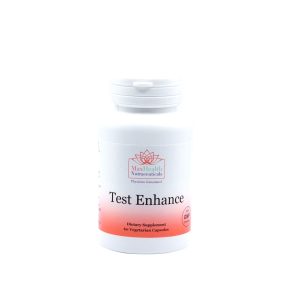
Test Enhance 60s
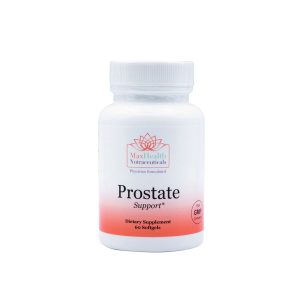
Prostate Support 60s (Softgels)
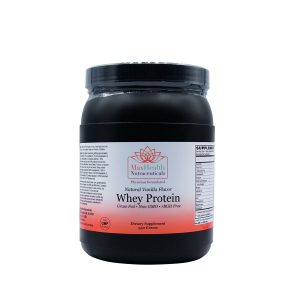
Whey Protein Vanilla 12 oz

Power and Endurance Bundle
Disclosure: This post contains affiliate links. If you purchase through these links, we may earn a small commission at no extra cost to you. Learn more.
About the Author
Dr. Nicolle is a double board-certified physician in Family Medicine and Preventive Medicine, with certifications in Functional Medicine and Lifestyle Medicine. She helps busy professionals over 40 optimize their health through root-cause approaches to cardiovascular, hormonal, and metabolic health.
Learn more about Dr. Nicolle →Explore Related Topics
Dive deeper into these connected health areas
Gut Health
Your gut is far more than a digestive organ — it's home to 70% of your immune system, produces key n…
Explore ❤️Metabolic Health
Metabolic health sits at the intersection of blood sugar regulation, cardiovascular function, body c…
Explore 🌸Women's Health
Women's health encompasses a complex interplay of hormonal cycles, reproductive biology, and unique …
Explore 🧠Mental Health
Mental health is deeply interconnected with hormonal balance, gut health, blood sugar regulation, an…
Explore 📖Skin & Hair Health
Your skin and hair are windows into your internal health. Chronic acne, eczema, psoriasis, and hair …
ExploreReady to Address Your Health Concerns?
Book a Discovery Offer consultation to discuss how our functional medicine approach can help you achieve your health goals.
Book Your Discovery Offer