Prostate Health: Prevention & Natural Support for Men

- Over 50% of men will have BPH by age 60 — but functional medicine can address the root causes, not just manage symptoms.
- DHT (converted from testosterone by 5-alpha reductase) is the primary hormonal driver of prostate enlargement.
- Estrogen excess in men synergizes with DHT to worsen BPH — the testosterone-to-estrogen ratio matters more than absolute levels.
- Insulin resistance, chronic inflammation, and environmental toxins are major but often overlooked contributors to prostate issues.
- A combination of saw palmetto, zinc, lycopene, DIM, and lifestyle optimization provides comprehensive prostate support.
Men don't want to talk about their prostate. I get it. In fifteen years of practice, I've never had a male patient walk in and say, "I'd like to discuss my prostate health proactively." They come in when they're waking up four times a night to urinate, or when their stream has weakened to the point where it takes two full minutes to empty their bladder. By then, the enlargement has been progressing silently for a decade or more. The frustrating part? Most of the damage was preventable.
By age 60, over 50% of men will have some degree of benign prostatic hyperplasia (BPH) — an enlarged prostate that causes urinary symptoms. By age 85, that number reaches 90% (1). Despite being one of the most common health issues men face, prostate health remains one of the least discussed. And conventional medicine's approach — watchful waiting until symptoms worsen, then medication or surgery — misses the critical window for prevention.
Functional medicine asks a different question: why does the prostate enlarge in the first place, and what can we do to prevent or reverse the underlying drivers? The answers involve hormonal balance, inflammation, diet, and targeted nutritional support.
Understanding Prostate Conditions
Benign Prostatic Hyperplasia (BPH)
Non-cancerous enlargement of the prostate gland that compresses the urethra:
- Frequent urination (especially at night)
- Weak urine stream or difficulty starting
- Feeling of incomplete bladder emptying
- Urgency and dribbling
Prostatitis
Inflammation of the prostate, which can be bacterial or non-bacterial:
- Pelvic pain and discomfort
- Painful urination
- Sexual dysfunction
- Often chronic and difficult to treat conventionally
Prostate Cancer
The most common cancer in men (after skin cancer):
- Often slow-growing and asymptomatic in early stages
- PSA screening is controversial but important in context
- Risk factors overlap significantly with BPH and prostatitis
Root Causes: Why the Prostate Enlarges
1. Hormonal Imbalance: The DHT Connection
The primary driver of BPH is dihydrotestosterone (DHT) — a potent metabolite of testosterone. The enzyme 5-alpha reductase converts testosterone to DHT in the prostate, and DHT stimulates prostate cell growth:
- Elevated DHT drives prostate enlargement
- Estrogen excess (yes, in men) synergizes with DHT to worsen BPH
- The testosterone-to-estrogen ratio matters more than absolute testosterone levels
- Optimizing testosterone naturally helps maintain hormonal balance
2. Chronic Inflammation
Inflammatory infiltrates are found in the vast majority of BPH tissue samples:
- Chronic low-grade inflammation drives prostate cell proliferation
- Inflammatory cytokines (IL-6, IL-8, TNF-α) are elevated in prostate tissue
- Gut health directly influences systemic inflammation levels
3. Insulin Resistance and Metabolic Syndrome
Metabolic syndrome significantly increases BPH risk:
- Elevated insulin is a growth factor for prostate tissue
- Obesity increases aromatase activity (converting testosterone to estrogen)
- Higher BMI = higher BPH risk
4. Environmental Toxins
Endocrine disruptors (BPA, phthalates, pesticides) have estrogenic effects that promote prostate growth.
The Prevention and Support Protocol
Nutrition
- Lycopene-rich foods: Cooked tomatoes, watermelon, pink grapefruit (lycopene concentrates in prostate tissue)
- Cruciferous vegetables: Broccoli, kale, cauliflower (support estrogen metabolism via DIM/I3C)
- Pumpkin seeds: Rich in zinc and phytosterols that support prostate function
- Green tea: EGCG has demonstrated anti-proliferative effects on prostate cells
- Wild-caught fatty fish: Omega-3s reduce prostatic inflammation
- Reduce: Dairy (associated with increased prostate cancer risk), processed red meat, alcohol
Targeted Supplementation
- Saw palmetto (320 mg standardized extract): Inhibits 5-alpha reductase, reducing DHT conversion
- Zinc (30–50 mg daily): Concentrates in prostate tissue, supports hormonal balance
- Lycopene (15–30 mg daily): Antioxidant protection specific to prostate tissue
- DIM (Diindolylmethane) (200–400 mg): Supports healthy estrogen metabolism
- Stinging nettle root (300–600 mg): Inhibits sex hormone-binding globulin (SHBG) and aromatase
- Beta-sitosterol (60–130 mg): Phytosterol that improves urinary symptoms
- Vitamin D3 (5,000 IU with K2): Prostate cells have vitamin D receptors; deficiency increases risk
- Omega-3 fatty acids (2,000–3,000 mg EPA/DHA): Anti-inflammatory support
Lifestyle Interventions
- Exercise: Regular resistance training and cardio reduce BPH risk by 25%
- Maintain healthy weight: Reduce aromatase activity and insulin resistance
- Stress management: Chronic stress elevates cortisol, which disrupts testosterone metabolism
- Sleep optimization: Testosterone is primarily produced during sleep
- Limit alcohol: Alcohol increases estrogen and inflammation
- Pelvic floor exercises: Strengthen urinary control muscles
Prostate health isn't about waiting until symptoms appear — it's about addressing the hormonal, inflammatory, and metabolic drivers that cause prostate dysfunction. Every man over 40 should actively invest in prostate prevention through nutrition, targeted supplementation, and lifestyle optimization.
References
- Berry SJ, Coffey DS, Walsh PC, et al. The development of human benign prostatic hyperplasia with age. Journal of Urology. 1984;132(3):474-479.
- Ficarra V, Rossanese M, Zazzara M, et al. The role of inflammation in lower urinary tract symptoms (LUTS) due to benign prostatic hyperplasia (BPH). Current Urology Reports. 2014;15(12):463.
- Parsons JK, Sarma AV, McVary KT, et al. Obesity and benign prostatic hyperplasia: clinical connections. Journal of Urology. 2013;189(1 Suppl):S102-S106.
- Wilt TJ, Ishani A, MacDonald R, et al. Saw palmetto extracts for treatment of benign prostatic hyperplasia. JAMA. 1998;280(18):1604-1609.
- Giovannucci E, Rimm EB, Liu Y, et al. A prospective study of tomato products, lycopene, and prostate cancer risk. Journal of the National Cancer Institute. 2002;94(5):391-398.
- Kristal AR, Arnold KB, Schenk JM, et al. Dietary patterns, supplement use, and the risk of symptomatic benign prostatic hyperplasia. American Journal of Epidemiology. 2008;167(8):925-934.
Supplements for Men's Health
Clinical-grade picks for this topic

SMART Resistance Training Bundle
$54.99

Thera360 PLUS Portable Sauna
$1,428.00
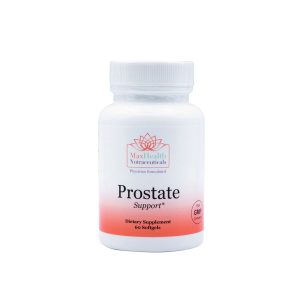
Prostate Support 60s (Softgels)
$58.00
Affiliate disclosure: The product links below are affiliate links — we may earn a commission at no extra cost to you. Recommendations are based on clinical use, not commissions. Learn more.
Frequently Asked Questions
Common questions about prostate health: prevention & natural support for men
Recommended Supplements
Professional-grade supplements from my MaxHealth Nutraceuticals line — the same formulas I use in clinical practice.
SMART Resistance Training Bundle
Thera360 PLUS Portable Sauna
Prostate Support 60s (Softgels)
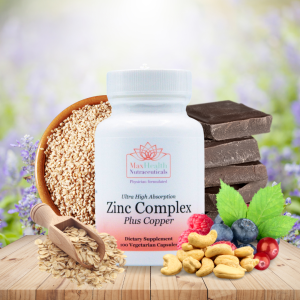
Zinc Complex Plus Copper
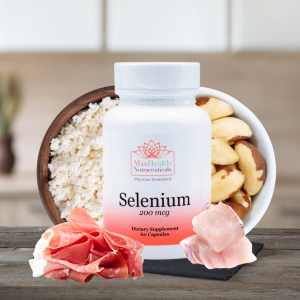
Selenium 200mcg 60s
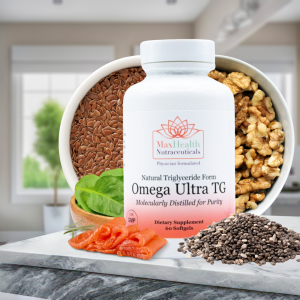
Omega Ultra TG
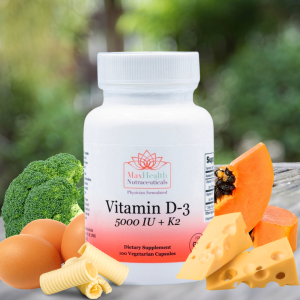
Vitamin D3 5000 IU + K2 CAPSULES 100s
NAC 90s
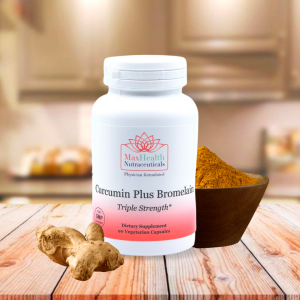
Curcumin Plus Bromelain 90s
Test Enhance 60s
DHEA 25mg 60s
Inflammation Buster Bundle
Disclosure: This post contains affiliate links. If you purchase through these links, we may earn a small commission at no extra cost to you. Learn more.
About the Author
Dr. Nicolle is a double board-certified physician in Family Medicine and Preventive Medicine, with certifications in Functional Medicine and Lifestyle Medicine. She helps busy professionals over 40 optimize their health through root-cause approaches to cardiovascular, hormonal, and metabolic health.
Learn more about Dr. Nicolle →Explore Related Topics
Dive deeper into these connected health areas
Hormone Health
Hormones are the chemical messengers that regulate virtually every process in your body — from metab…
Explore 🦠Gut Health
Your gut is far more than a digestive organ — it's home to 70% of your immune system, produces key n…
Explore ❤️Metabolic Health
Metabolic health sits at the intersection of blood sugar regulation, cardiovascular function, body c…
Explore 🌸Women's Health
Women's health encompasses a complex interplay of hormonal cycles, reproductive biology, and unique …
Explore 🧠Mental Health
Mental health is deeply interconnected with hormonal balance, gut health, blood sugar regulation, an…
Explore 📖Skin & Hair Health
Your skin and hair are windows into your internal health. Chronic acne, eczema, psoriasis, and hair …
ExploreReady to Address Your Health Concerns?
Book a Discovery Offer consultation to discuss how our functional medicine approach can help you achieve your health goals.
Book Your Discovery Offer