Men's Heart Health After 40: Tests Your Doctor Misses

- 50% of heart attacks occur in people with 'normal' cholesterol, so standard lipid panels alone are inadequate for assessing risk
- The coronary artery calcium (CAC) score is the single most powerful predictor of cardiac events in asymptomatic men over 40, and costs just $100-300
- Declining testosterone after 40 directly affects cardiovascular function through reduced vascular elasticity and nitric oxide production
- Insulin resistance, present in 88% of American adults, is the primary metabolic driver of cardiovascular disease in middle-aged men
He was 46, ran three times a week, kept his weight in check, and had "normal" cholesterol. By every conventional measure, he was fine. Then a coronary calcium score revealed a number that changed everything: 320. He had significant plaque buildup in arteries his doctor had never thought to image.
This is the story I see far too often in men over 40. The standard annual physical, with its basic lipid panel and blood pressure check, catches maybe 40% of the cardiovascular picture. The rest hides in plain sight, silently progressing until it announces itself as a heart attack or stroke.
Why Men Over 40 Are at Unique Risk
Male cardiovascular risk begins climbing sharply after 40 for reasons that go well beyond lifestyle. Testosterone starts declining at roughly 1-2% per year beginning in the mid-30s, and this decline directly affects cardiovascular function. Testosterone receptors line the coronary arteries, and adequate levels help maintain vascular elasticity, nitric oxide production, and healthy endothelial function (1).
At the same time, visceral fat tends to accumulate around the midsection, driven by declining testosterone and rising cortisol from accumulated career and life stress. This visceral fat isn't just cosmetically frustrating; it's metabolically active tissue that pumps out inflammatory cytokines, worsens insulin resistance, and accelerates atherosclerosis.
Add to this the cumulative effects of decades of poor sleep, chronic stress, and the typical Western diet, and you have a perfect storm for cardiovascular disease that a basic cholesterol panel simply cannot capture.
50% of heart attacks occur in people with "normal" cholesterol. A standard lipid panel alone is not sufficient to assess cardiovascular risk. Advanced testing is essential, especially for men over 40 with a family history or metabolic risk factors.
What Standard Testing Misses
The typical annual physical measures total cholesterol, LDL, HDL, triglycerides, blood pressure, and maybe fasting glucose. These are important but incomplete. Here's what gets overlooked.
LDL Particle Number and Size
Standard LDL cholesterol is measured as a concentration (mg/dL), but what actually drives plaque formation is the number of LDL particles penetrating the arterial wall. Two men can have identical LDL cholesterol values yet wildly different particle counts. The man with more small, dense LDL particles has dramatically higher risk, even with a "normal" LDL of 110 (2).
Advanced lipid testing through NMR LipoProfile or Ion Mobility panels reveals this critical distinction. I order these on every male patient over 40.
Lipoprotein(a)
Lipoprotein(a), or Lp(a), is a genetically determined cardiovascular risk factor present in roughly 20% of the population. It's highly atherogenic and prothrombotic, yet most physicians never test for it. If your Lp(a) is elevated, your risk profile changes significantly, and so should your prevention strategy (3).
Inflammatory Markers
High-sensitivity C-reactive protein (hs-CRP) measures systemic inflammation, which is now recognized as a central driver of atherosclerosis, not just a bystander. The JUPITER trial demonstrated that even men with normal cholesterol but elevated hs-CRP benefited significantly from intervention (4).
Metabolic Markers
Fasting insulin and HOMA-IR identify insulin resistance years before fasting glucose becomes abnormal. Given that insulin resistance affects an estimated 88% of American adults to some degree, this early detection is critical for men whose waistlines are expanding despite exercise (5).
Hormonal Assessment
A comprehensive hormone panel including total and free testosterone, SHBG, estradiol, DHEA-S, and a full thyroid panel reveals hormonal drivers of cardiovascular risk that a basic physical completely ignores.
| Standard Panel | What It Misses | Advanced Alternative |
|---|---|---|
| Total LDL | Particle number & size | NMR LipoProfile |
| Fasting glucose | Early insulin resistance | Fasting insulin + HOMA-IR |
| Blood pressure | Arterial stiffness | Pulse wave velocity / CAC score |
| Basic metabolic panel | Inflammation, Lp(a), hormones | hs-CRP, Lp(a), hormone panel |
| Not tested | Subclinical atherosclerosis | Coronary artery calcium (CAC) score |
The Functional Medicine Approach to Men's Cardiovascular Health
Rather than waiting for a cardiac event and then managing it with medications, functional medicine identifies and addresses the upstream drivers of cardiovascular disease years or decades earlier.
Address Insulin Resistance First
For most men over 40 with expanding waistlines, insulin resistance is the primary metabolic driver. It increases triglycerides, creates small dense LDL particles, raises blood pressure, and promotes visceral fat accumulation. Addressing insulin resistance through dietary changes, intermittent fasting, and targeted exercise often improves multiple cardiovascular markers simultaneously.
The most impactful dietary shift: reduce refined carbohydrates and prioritize protein, healthy fats, and fiber at every meal. Our meal plans are structured specifically for this approach.
Optimize Testosterone (the Right Way)
Low testosterone is associated with increased cardiovascular mortality, but testosterone replacement isn't always the answer. Before considering TRT, address the factors that suppress testosterone: poor sleep, excess visceral fat, chronic stress, nutrient deficiencies (zinc, vitamin D, magnesium), and excessive alcohol consumption.
When optimization through lifestyle isn't sufficient, bioidentical testosterone replacement under proper medical supervision, with monitoring of hematocrit, PSA, and estradiol, can be a powerful tool for cardiovascular protection.
Reduce Chronic Inflammation
Inflammation is the match that lights the fire of atherosclerosis. Even with perfect cholesterol numbers, ongoing inflammation damages the arterial lining and accelerates plaque formation. Key anti-inflammatory strategies include an anti-inflammatory diet rich in omega-3s and polyphenols, gut health optimization (the gut is the largest source of inflammatory signaling in the body), stress management, adequate sleep, and targeted supplementation with omega-3 fatty acids, curcumin, and magnesium.
The coronary artery calcium (CAC) score is the single most powerful predictor of cardiac events in asymptomatic men over 40. A score of zero essentially rules out significant coronary artery disease for the next 5-10 years. It costs $100-300, takes 5 minutes, and requires no contrast or preparation. If you're a man over 40 and haven't had one, ask your doctor.
Build a Cardiovascular Exercise Foundation
The data on exercise and cardiovascular protection in men is unambiguous. The greatest risk reduction occurs when sedentary men become moderately active. You don't need to train for a marathon. The sweet spot for cardiovascular benefit is 150-300 minutes of moderate activity per week, including a mix of zone 2 cardio (you can hold a conversation), resistance training (2-3 sessions per week), and mobility work.
High-intensity interval training has additional benefits for VO2 max, which is emerging as one of the strongest predictors of all-cause mortality. Our fitness programs are designed specifically for busy professionals who need efficient, effective routines.
Building Your Prevention Plan
If you're a man over 40 who hasn't had advanced cardiovascular testing, here's where to start:
Month 1: Get a comprehensive baseline. Advanced lipid panel with particle testing, fasting insulin, hs-CRP, Lp(a), full hormone panel, and a coronary artery calcium score. These tests create a complete picture of your actual risk, not just the fraction visible on a standard panel.
Months 1-3: Address the foundations. Optimize sleep (7-8 hours, consistent schedule). Begin a structured exercise program. Clean up your diet by eliminating ultra-processed foods and stabilizing blood sugar. Start stress management practices.
Months 3-6: Refine and target. Based on your lab results, implement targeted interventions: hormone optimization if needed, specific supplementation for identified deficiencies, gut health support if inflammatory markers are elevated, and dietary fine-tuning.
Month 6: Retest. Compare your advanced markers to baseline. Most men see significant improvements in insulin sensitivity, inflammatory markers, lipid particle profiles, and hormonal balance within this timeframe.
The Man Who Started This Article
That 46-year-old runner with the calcium score of 320? His standard labs had looked fine for years. His doctor had told him he was healthy. But advanced testing revealed a different picture: elevated Lp(a), high small dense LDL particles, hs-CRP of 3.2, fasting insulin of 18 (indicating significant insulin resistance), and free testosterone in the bottom 10th percentile.
Six months into a comprehensive functional medicine protocol, his hs-CRP dropped to 0.8, fasting insulin normalized, his lipid particle profile shifted dramatically, and his testosterone doubled. The calcium in his arteries didn't disappear, but the inflammatory and metabolic environment that was actively building more plaque had fundamentally changed.
He didn't need more pills. He needed someone to look at the whole picture.
If you recognize yourself in this story, our Cardiometabolic Rebalance Program or Men's Vitality Program is designed for exactly this situation. You can also take our Wellness Quiz to identify your biggest risk factors, or book a Discovery Offer to review your labs with me directly.
---
References
- Kelly DM, Jones TH. Testosterone and cardiovascular risk in men. Frontiers in Hormone Research. 2014;43:1-20. https://doi.org/10.1159/000360553
- Mora S, et al. LDL particle subclasses, LDL particle size, and carotid atherosclerosis in the Multi-Ethnic Study of Atherosclerosis (MESA). Atherosclerosis. 2007;192(1):211-217. https://doi.org/10.1016/j.atherosclerosis.2006.05.007
- Tsimikas S, et al. Lipoprotein(a) as a therapeutic target. Journal of the American College of Cardiology. 2018;71(2):177-192. https://doi.org/10.1016/j.jacc.2017.11.014
- Ridker PM, et al. Rosuvastatin to prevent vascular events in men and women with elevated C-reactive protein. New England Journal of Medicine. 2008;359(21):2195-2207. https://doi.org/10.1056/NEJMoa0807646
- Araújo J, Cai J, Stevens J. Prevalence of optimal metabolic health in American adults. Metabolic Syndrome and Related Disorders. 2019;17(1):46-52.
Supplements for Men's Health
Clinical-grade picks for this topic
Affiliate disclosure: The product links below are affiliate links — we may earn a commission at no extra cost to you. Recommendations are based on clinical use, not commissions. Learn more.
Frequently Asked Questions
Common questions about men's heart health after 40: tests your doctor misses
Recommended Supplements
Professional-grade supplements from my MaxHealth Nutraceuticals line — the same formulas I use in clinical practice.

RESPeRATE Deluxe Duo

SMART Yoga Mat (Green)

CardioEssence Plus
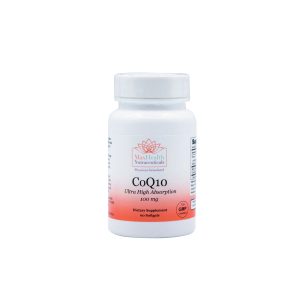
CoQ10

Omega Ultra TG

Berberine Herbal Complex 90s
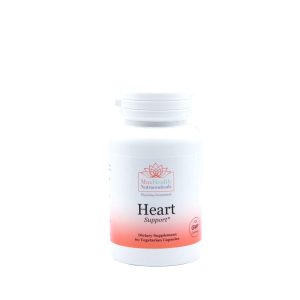
Heart Support 60s

Ubiquinol 100mg 60s

Nitric Supreme Cardiovascular Support

D-Ribose Plus Powder

Healthy Heart Bundle
Disclosure: This post contains affiliate links. If you purchase through these links, we may earn a small commission at no extra cost to you. Learn more.
About the Author
Dr. Nicolle is a double board-certified physician in Family Medicine and Preventive Medicine, with certifications in Functional Medicine and Lifestyle Medicine. She helps busy professionals over 40 optimize their health through root-cause approaches to cardiovascular, hormonal, and metabolic health.
Learn more about Dr. Nicolle →Explore Related Topics
Dive deeper into these connected health areas
Hormone Health
Hormones are the chemical messengers that regulate virtually every process in your body — from metab…
Explore 🦠Gut Health
Your gut is far more than a digestive organ — it's home to 70% of your immune system, produces key n…
Explore 🌸Women's Health
Women's health encompasses a complex interplay of hormonal cycles, reproductive biology, and unique …
Explore 🧠Mental Health
Mental health is deeply interconnected with hormonal balance, gut health, blood sugar regulation, an…
Explore 📖Skin & Hair Health
Your skin and hair are windows into your internal health. Chronic acne, eczema, psoriasis, and hair …
ExploreReady to Address Your Health Concerns?
Book a Discovery Offer consultation to discuss how our functional medicine approach can help you achieve your health goals.
Book Your Discovery Offer