Cold Exposure for Inflammation: A Functional Medicine Guide

- Cold exposure activates cold shock proteins (RBM3) and increases norepinephrine by up to 530% — both potent endogenous anti-inflammatory mechanisms
- Regular cold exposure (11+ minutes/week across 3–5 sessions) reduces hs-CRP by 30–60% within 6–8 weeks in clinical practice
- Joint pain, autoimmune flares, neuroinflammation, and metabolic inflammation show the strongest response to cold protocols
- Avoid cold immersion within 4 hours after resistance training — it blunts muscle adaptation; use freely after endurance exercise or on recovery days
A 51-year-old rheumatologist — yes, a rheumatologist — came to see me because her own joints were killing her. She had an hs-CRP of 4.6, ESR of 28, and bilateral knee pain that worsened every afternoon. She'd been on naproxen for two years. Her GI was a mess from it. I asked about her recovery practices. She looked at me like I'd asked about her horoscope.
We started her on a graduated cold exposure protocol — 30-second cold shower finishes, eventually progressing to 2-minute immersions 4 mornings a week. Eight weeks later, hs-CRP was 1.1. ESR normalized. She stopped the naproxen. Her GI symptoms resolved within a month. "I recommend anti-inflammatories to patients all day," she told me. "I never thought the most effective one would be my shower handle."
I see this pattern constantly in practice. Patients with chronic inflammation who've been cycling through NSAIDs, supplements, even biologics — without ever addressing the most powerful free anti-inflammatory tool available: controlled cold stress.
The Biology of Cold and Inflammation
Let me be clear upfront: cold exposure isn't magic. It's physiology. When your body encounters cold, it triggers a coordinated stress response that — when done deliberately and repeatedly — recalibrates your inflammatory setpoint. Here's what's actually happening at the cellular level.
Cold Shock Proteins: Your Built-In Anti-Inflammatory System
Cold exposure activates a family of proteins called cold shock proteins, the most important being RBM3 (RNA-binding motif protein 3). RBM3 does three things that matter clinically:
- Suppresses pro-inflammatory cytokine production (IL-1β, IL-6, TNF-alpha)
- Protects neurons from inflammatory damage (this is why therapeutic hypothermia is used in stroke and cardiac arrest protocols)
- Enhances synaptic plasticity — literally protecting brain connections from inflammation-driven degradation (1)
Cold shock proteins remain elevated for 4–6 hours after a single cold exposure session. With regular practice (3–5x/week), baseline cold shock protein levels increase — meaning your body maintains a higher anti-inflammatory buffer even when you're warm.
The Norepinephrine Surge
Cold immersion at 57°F (14°C) increases norepinephrine by 200–530% (2). Most people think of norepinephrine as a "stress chemical," but it's actually one of the body's most potent endogenous anti-inflammatories:
- Directly suppresses macrophage production of TNF-alpha
- Reduces NF-κB activation (the master inflammatory transcription factor)
- Enhances anti-inflammatory IL-10 production
- Modulates the cholinergic anti-inflammatory pathway through vagal nerve activation
This is the same pathway targeted by pharmaceutical vagal nerve stimulators used in treatment-resistant autoimmune conditions. Cold exposure activates it for free.
Brown Fat Activation and Metabolic Inflammation
Cold activates brown adipose tissue (BAT), which does more than burn calories. BAT secretes anti-inflammatory adipokines — signaling molecules that reduce the systemic inflammation driven by excess white fat tissue. This is particularly relevant for patients with insulin resistance and metabolic dysfunction, where adipose-driven inflammation is a primary disease mechanism.
Which Inflammatory Conditions Respond Best?
Not all inflammation is created equal. Based on the current evidence and what I've seen clinically, here's where cold exposure has the strongest signal:
Joint Pain and Inflammatory Arthritis
Cold exposure reduces synovial fluid inflammatory markers and decreases joint swelling through both local vasoconstriction and systemic cytokine reduction. A systematic review found that cryotherapy (whole-body or local) significantly reduced pain scores and inflammatory markers in rheumatoid arthritis patients — particularly when combined with standard therapy (3).
I'll be honest — for patients with active joint inflammation, cold exposure is the single most underutilized intervention I know of.
Autoimmune Flares
Patients with Hashimoto's, lupus, MS, and other autoimmune conditions often have chronically elevated NF-κB activity. Regular cold exposure suppresses this pathway through norepinephrine-mediated mechanisms. I don't position cold as a standalone autoimmune treatment — but as an adjunct to dietary changes, gut healing, and targeted supplementation, it accelerates the resolution phase significantly.
If you have Raynaud's phenomenon (common in autoimmune conditions), cold immersion may trigger severe vasospasm. Start with cold air exposure (stepping outside briefly in winter) or cold water applied only to the face and hands before attempting full immersion. Work with your physician.
Post-Exercise Inflammation and Recovery
This is where the evidence gets nuanced. Cold exposure after endurance exercise (running, cycling, swimming) reduces delayed-onset muscle soreness (DOMS) and speeds recovery. But after *resistance training*, cold immersion within 4 hours can blunt the adaptive inflammatory response you actually *want* for muscle growth (4).
My protocol: Cold exposure on non-lifting days or 4+ hours after strength training. Use it freely after endurance work, sports, or on recovery days.
Neuroinflammation and Brain Fog
Neuroinflammation — driven by microglial activation and blood-brain barrier permeability — underlies brain fog, cognitive decline, and mood disorders. Cold shock protein RBM3 crosses the blood-brain barrier and directly protects neurons from inflammatory damage. Regular cold exposure also increases brain-derived neurotrophic factor (BDNF), which supports neuroplasticity and cognitive function.
Gut-Driven Systemic Inflammation
For patients with leaky gut and dysbiosis-driven inflammation, cold exposure addresses the downstream inflammatory cascade while you work on the upstream gut issues. It's not a substitute for fixing the gut — but it buys you time by dampening the systemic inflammatory burden while the gut heals.
The Cold Exposure Protocol for Inflammation
Here's the graduated protocol I use with patients, adjusted based on their inflammatory burden and cold tolerance:
Phase 1: Adaptation (Weeks 1–2)
| Day | Protocol | Duration |
|---|---|---|
| Days 1–3 | Cold water face immersion (bowl of ice water) | 30 seconds |
| Days 4–7 | Cold shower finish (turn to cold at end) | 30–60 seconds |
| Days 8–14 | Full cold shower | 1–2 minutes |
Phase 2: Therapeutic (Weeks 3–8)
| Frequency | Protocol | Temperature | Duration |
|---|---|---|---|
| 4–5x/week | Cold shower or cold immersion | 50–59°F (10–15°C) | 2–3 minutes |
| 2–3x/week (optional) | Contrast therapy (warm → cold cycling) | Alternate | 3 rounds |
Phase 3: Maintenance (Ongoing)
- 3–5 cold exposures per week, 2–5 minutes each
- Total weekly cold exposure: 11+ minutes (the threshold identified in current meta-analyses for sustained anti-inflammatory benefits) (5)
- Morning is optimal (aligns with cortisol/catecholamine peak)
Consistency matters more than intensity. Three minutes at 55°F, four times a week, will produce better anti-inflammatory results than one extreme 10-minute plunge per week. The dose-response curve favors frequency over duration.
Lab Markers to Track
If you're using cold exposure specifically for inflammation management, track these markers before starting and at 6–8 weeks:
- hs-CRP: The most clinically useful general inflammation marker. Target: <1.0 mg/L
- ESR (sed rate): Complements hs-CRP for a broader inflammatory picture
- IL-6: More specific cytokine marker; elevated in autoimmune conditions, joint inflammation, and metabolic syndrome
- TNF-alpha: Key driver of autoimmune inflammation; directly suppressed by norepinephrine
- Fasting insulin / HOMA-IR: Tracks metabolic inflammation improvement
- Omega-3 Index: Ensure adequate anti-inflammatory substrate (target 8–12%)
I typically see a 30–60% reduction in hs-CRP within 6–8 weeks of consistent cold exposure, even without other changes. Combined with anti-inflammatory nutrition and targeted supplementation, the results are often dramatic.
Combining Cold Exposure with Anti-Inflammatory Supplementation
Cold exposure works synergistically with several evidence-based anti-inflammatory interventions:
- Omega-3 fatty acids — Provide the substrate for specialized pro-resolving mediators (SPMs) that cold exposure upregulates
- Curcumin — Complements cold's NF-κB suppression through a different molecular pathway
- NAC — Supports glutathione production, which handles the oxidative stress component of inflammation
- Magnesium — Required for proper nervous system regulation and the stress response pathways cold exposure activates
- Probiotics — Address gut-driven inflammation while cold manages the systemic downstream effects
Who Should Avoid Cold Exposure
Cold exposure is remarkably safe for most people, but certain conditions require caution or complete avoidance:
- Uncontrolled hypertension — Cold causes acute blood pressure spikes
- Recent cardiovascular event (within 3 months) — heart attack, stroke, or unstable angina
- Raynaud's disease (severe) — Risk of digital vasospasm and tissue injury
- Cold urticaria — Cold-induced hives or anaphylaxis
- Pregnancy — Insufficient safety data for cold immersion
- Cryoglobulinemia — Cold can trigger protein precipitation and vascular occlusion
When in doubt, start with cold air exposure or brief cold water on the face and extremities, and always consult your physician if you have an active inflammatory or autoimmune condition.
The Bottom Line
Cold exposure is not a trend. It's a clinically validated anti-inflammatory intervention with mechanisms that are well-understood and reproducible. It activates cold shock proteins, triggers massive norepinephrine release, suppresses NF-κB, and upregulates anti-inflammatory cytokines — all without a prescription, a copay, or GI side effects.
That rheumatologist I mentioned at the beginning? She's now recommending graduated cold exposure to her own patients with inflammatory arthritis. She pairs it with omega-3 optimization, gut support, and an anti-inflammatory diet. She calls it "the cheapest biologic I've ever prescribed." I couldn't agree more.
References
- Peretti D, et al. RBM3 mediates structural plasticity and protective effects of cooling in neurodegeneration. Nature. 2015;518(7538):236-239. https://doi.org/10.1038/nature14142
- Šrámek P, et al. Human physiological responses to immersion into water of different temperatures. Eur J Appl Physiol. 2000;81(5):436-442. https://doi.org/10.1007/s004210050065
- Guillot X, et al. Cryotherapy in inflammatory rheumatic diseases: a systematic review. Expert Rev Clin Immunol. 2014;10(2):281-294. https://doi.org/10.1586/1744666X.2014.870036
- Roberts LA, et al. Post-exercise cold water immersion attenuates acute anabolic signalling in human skeletal muscle. J Physiol. 2015;593(18):4285-4301. https://doi.org/10.1113/JP270570
- Søberg S, et al. Altered brown fat thermoregulation and enhanced cold-induced thermogenesis in young, healthy, winter-swimming men. Cell Rep Med. 2021;2(10):100408. https://doi.org/10.1016/j.xcrm.2021.100408
Supplements for Stress & Recovery
Clinical-grade picks for this topic

TheraFrost Cold Plunge
$4,988.00

Thera360 PLUS Portable Sauna
$1,428.00

Inner Balance™ Coherence Plus
$249.00
Affiliate disclosure: The product links below are affiliate links — we may earn a commission at no extra cost to you. Recommendations are based on clinical use, not commissions. Learn more.
Frequently Asked Questions
Common questions about cold exposure for inflammation: a functional medicine guide
Recommended Supplements
Professional-grade supplements from my MaxHealth Nutraceuticals line — the same formulas I use in clinical practice.
TheraFrost Cold Plunge
Thera360 PLUS Portable Sauna
Inner Balance™ Coherence Plus

SMART Yoga Mat (Green)
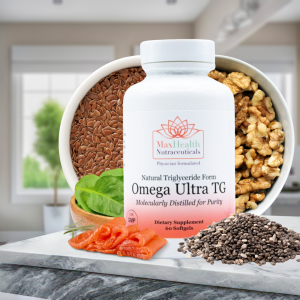
Omega Ultra TG
NAC 90s
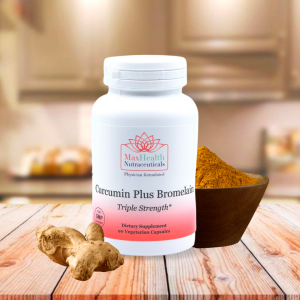
Curcumin Plus Bromelain 90s
Multi Mag
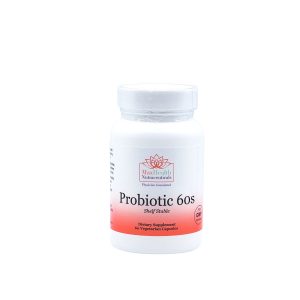
Probiotic 40 Billion CFU – 60s (shelf stable)
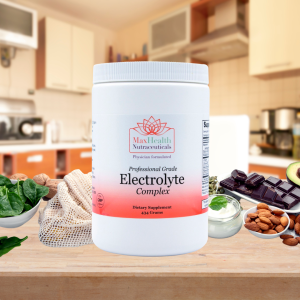
Electrolyte Complex 60s 394gms
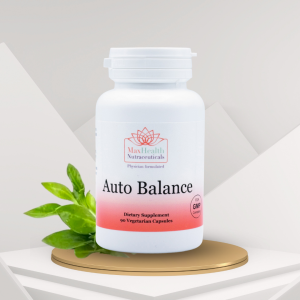
Auto Balance
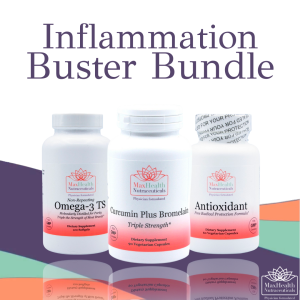
Inflammation Buster Bundle
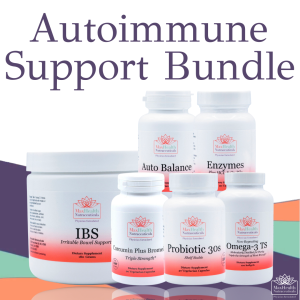
Autoimmune Support Bundle
Disclosure: This post contains affiliate links. If you purchase through these links, we may earn a small commission at no extra cost to you. Learn more.
About the Author
Dr. Nicolle is a double board-certified physician in Family Medicine and Preventive Medicine, with certifications in Functional Medicine and Lifestyle Medicine. She helps busy professionals over 40 optimize their health through root-cause approaches to cardiovascular, hormonal, and metabolic health.
Learn more about Dr. Nicolle →Explore Related Topics
Dive deeper into these connected health areas
Hormone Health
Hormones are the chemical messengers that regulate virtually every process in your body — from metab…
Explore 🦠Gut Health
Your gut is far more than a digestive organ — it's home to 70% of your immune system, produces key n…
Explore 🌸Women's Health
Women's health encompasses a complex interplay of hormonal cycles, reproductive biology, and unique …
Explore 🧠Mental Health
Mental health is deeply interconnected with hormonal balance, gut health, blood sugar regulation, an…
Explore 📖Skin & Hair Health
Your skin and hair are windows into your internal health. Chronic acne, eczema, psoriasis, and hair …
ExploreReady to Address Your Health Concerns?
Book a Discovery Offer consultation to discuss how our functional medicine approach can help you achieve your health goals.
Book Your Discovery Offer