The Autoimmune Protocol: Calming Your Immune System

- The AIP diet eliminates immune-triggering foods then systematically reintroduces them to find your triggers
- 73% of IBD patients achieved clinical remission on AIP in a clinical trial
- Gut permeability (leaky gut) is the gateway mechanism for most autoimmune conditions
- AIP is a diagnostic tool, not a forever diet — most people reintroduce many foods successfully
She had been diagnosed with Hashimoto's at 34, rheumatoid arthritis at 38, and was now sitting in my office at 42 asking me a question her rheumatologist had never been able to answer: "Why does my body keep attacking itself?"
It's a fair question, and one that conventional medicine largely sidesteps. The standard approach treats autoimmune disease as separate organ problems. Hashimoto's gets managed by endocrinology. Rheumatoid arthritis goes to rheumatology. Lupus to another specialist. Each prescribes immunosuppressants or biologics to dampen the immune response, but nobody asks the fundamental question: what triggered the immune system to lose its ability to distinguish self from non-self in the first place?
Functional medicine does ask that question. And the answers, while complex, point to actionable interventions that can meaningfully shift autoimmune trajectory.
The Autoimmune Epidemic
Autoimmune diseases affect roughly 24 million Americans, according to the National Institutes of Health, though some estimates place the number closer to 50 million when you include conditions still being reclassified. The incidence has been rising steadily for decades, a trend that can't be explained by genetics alone (1).
What has changed is our environment. The modern Western diet, chronic psychological stress, disrupted sleep, gut permeability, environmental toxin exposure, and a depleted microbiome have created conditions where genetically susceptible individuals are far more likely to develop autoimmune disease than their grandparents were.
This is the gene-environment interaction model, and it's well supported by research. You may carry genes that predispose you to autoimmunity (HLA-DQ2/DQ8 for celiac disease, for instance), but whether those genes get expressed depends heavily on environmental inputs.
What Actually Goes Wrong
Autoimmune disease occurs when the immune system loses tolerance, its ability to recognize your own tissues as "self." Several mechanisms contribute.
Molecular Mimicry
Certain infections produce proteins that structurally resemble your own tissues. When the immune system mounts a response against the pathogen, it inadvertently attacks similar-looking self-tissue. Streptococcal infections triggering rheumatic heart disease is the classic example, but EBV has been linked to lupus and MS, and Klebsiella to ankylosing spondylitis (2).
Intestinal Permeability
Dr. Alessio Fasano's research on zonulin has established that increased intestinal permeability is a prerequisite for autoimmune development, not merely a consequence of it. When the gut barrier becomes compromised, undigested food proteins, bacterial fragments, and toxins enter the bloodstream, triggering immune activation that can become self-directed (3).
The AIP diet is a diagnostic tool, not a forever diet. The elimination phase identifies YOUR specific immune triggers. Most people successfully reintroduce many foods — the goal is a personalized, sustainable diet, not permanent restriction.
Chronic Inflammation
Sustained inflammation from any source, dietary, infectious, toxic, or psychological, keeps the immune system in a heightened state of alert. Over time, this chronic activation increases the probability of losing tolerance. Cortisol dysregulation from prolonged stress compounds the problem by impairing the immune system's ability to self-regulate.
Environmental Triggers
Toxin exposure plays a significant but underappreciated role. Mercury, BPA, pesticides, and mold mycotoxins have all been shown to trigger or exacerbate autoimmune responses. Silicone breast implants have been associated with a condition now called breast implant illness, which shares features with multiple autoimmune conditions.
The Autoimmune Protocol (AIP) Diet
The AIP diet is an evidence-based elimination protocol specifically designed for autoimmune conditions. It evolved from the paleo framework but goes further by removing additional foods known to provoke immune reactivity.
Phase 1: Elimination (30-90 Days)
During the elimination phase, you remove foods most likely to contribute to gut inflammation, intestinal permeability, and immune activation.
| Foods to Avoid (Elimination Phase) | Foods to Emphasize |
|---|---|
| Grains (wheat, rice, corn, oats) | Quality meat & organ meats |
| Legumes (beans, soy, peanuts) | Fish & shellfish (omega-3s) |
| Dairy (milk, cheese, yogurt) | Vegetables (except nightshades) |
| Nightshades (tomatoes, potatoes, peppers) | Healthy fats (avocado, olive, coconut) |
| Eggs, Nuts, Seeds | Fermented foods (sauerkraut, kimchi) |
| Alcohol, Coffee, Processed Sugar | Bone broth, glycine-rich foods |
Foods removed: Grains (all, including gluten-free), legumes (including soy and peanuts), dairy, eggs, nightshades (tomatoes, peppers, eggplant, potatoes), nuts and seeds, refined sugars, alcohol, coffee, food additives, and seed-based spices.
Foods emphasized: Quality animal proteins (grass-fed, wild-caught), vegetables (except nightshades), fruits in moderation, healthy fats (olive oil, avocado, coconut oil), fermented foods (sauerkraut, kimchi, coconut yogurt), bone broth, organ meats, and herbs like turmeric, ginger, and basil.
This isn't about deprivation. It's about giving the immune system a clean baseline from which to recalibrate. Most of my patients are surprised by how much variety remains.
Phase 2: Reintroduction
After the elimination period, and ideally after seeing symptom improvement, you reintroduce foods one at a time, spaced 5 to 7 days apart. This systematic approach lets you identify your personal triggers with precision.
The reintroduction sequence typically begins with foods least likely to cause problems: egg yolks, seed-based spices, ghee, then moves to legumes, nuts, seeds, nightshades, whole eggs, and finally dairy and gluten-containing grains if desired.
Keep a detailed food and symptom journal during reintroductions. Reactions can be delayed by 48 to 72 hours, so patience matters here.
Beyond Diet: The Full Protocol
Diet is foundational, but it's rarely sufficient on its own. A complete autoimmune protocol addresses multiple systems simultaneously.
Gut Restoration
Healing the gut barrier is arguably the single most important intervention. This typically involves removing gut infections (SIBO, yeast overgrowth, parasites), supporting mucosal repair with L-glutamine, zinc carnosine, and collagen, and rebuilding microbial diversity with strategic probiotics and prebiotic fibers.
Functional testing, including comprehensive stool analysis and organic acids testing, helps identify what's actually happening in the gut rather than guessing.
Stress and HPA Axis Recovery
Chronic stress is an autoimmune accelerator. Cortisol, which normally keeps the immune system in check, loses its regulatory capacity when the HPA axis becomes dysregulated. I've seen patients flare dramatically during periods of emotional stress, even when their diet is perfect.
Stress management isn't optional, it's therapeutic. Daily meditation, breathwork, nature exposure, appropriate exercise (not too intense, which can worsen autoimmune flares), and adequate sleep are all part of the prescription.
Sleep Optimization
Sleep is when your immune system recalibrates. Poor sleep increases inflammatory cytokines, impairs regulatory T cell function, and disrupts the circadian rhythms that govern immune cycling. Seven to nine hours of quality sleep in a dark, cool room is a non-negotiable foundation.
Detoxification Support
Reducing toxic burden through clean air, filtered water, non-toxic personal care products, and supporting liver detox pathways with cruciferous vegetables, adequate protein, and targeted nutrients (NAC, glutathione, milk thistle) can meaningfully reduce immune provocation.
Targeted Supplementation
Evidence-based supplements for autoimmune support include vitamin D (most autoimmune patients are deficient, and adequate levels are essential for immune regulation), omega-3 fatty acids (EPA and DHA reduce inflammatory cytokines), curcumin (modulates NF-kB pathway), and low-dose naltrexone (LDN), which has shown promise in multiple autoimmune conditions by upregulating endorphin production and modulating immune function.
Measuring Progress
Autoimmune improvement is measured both by symptoms and by objective markers.
Symptom tracking: Energy, pain levels, brain fog, digestive function, skin quality, and mood should all improve over weeks to months.
Lab markers: Antibody levels (TPO for Hashimoto's, RF and anti-CCP for RA, ANA for lupus), inflammatory markers (hs-CRP, ESR), and functional labs including intestinal permeability markers (zonulin), comprehensive metabolic panels, and micronutrient levels.
Don't expect overnight results. Immune remodeling is a gradual process. Most of my patients see meaningful improvement within 3 to 6 months, with continued gains over 12 to 24 months.
The Patient Who Started This Article
That 42-year-old woman with Hashimoto's and rheumatoid arthritis? After six months on a comprehensive autoimmune protocol (AIP diet, gut restoration, stress management, targeted supplementation, and detox support), her TPO antibodies dropped from 890 to 210, her RF normalized, and she was able to reduce her methotrexate under her rheumatologist's supervision.
She didn't cure her autoimmune conditions. But she changed the environment that was driving them, and that changed everything about how she felt and functioned.
If you're living with an autoimmune condition and feel like you're only managing symptoms without addressing root causes, a functional medicine approach may offer the deeper answers you've been looking for.
Ready to explore whether the autoimmune protocol could help you? Book a Discovery Offer consultation to discuss your case, or take our Wellness Quiz to get personalized recommendations.
References
- Lerner A, Jeremias P, Matthias T. The world incidence and prevalence of autoimmune diseases is increasing. International Journal of Celiac Disease. 2015;3(4):151-155.
- Cusick MF, Libbey JE, Fujinami RS. Molecular mimicry as a mechanism of autoimmune disease. Clinical Reviews in Allergy & Immunology. 2012;42(1):102-111. https://doi.org/10.1007/s12016-011-8294-7
- Fasano A. Leaky gut and autoimmune diseases. Clinical Reviews in Allergy & Immunology. 2012;42(1):71-78. https://doi.org/10.1007/s12016-011-8291-x
- Konijeti GG, et al. Efficacy of the autoimmune protocol diet for inflammatory bowel disease. Inflammatory Bowel Diseases. 2017;23(11):2054-2060. https://doi.org/10.1097/MIB.0000000000001221
Supplements for Functional Wellness
Clinical-grade picks for this topic

Austin Air HealthMate Plus®
$895.00

Thera360 PLUS Portable Sauna
$1,428.00

Branch Basics Premium Starter Kit
$75.00
Affiliate disclosure: The product links below are affiliate links — we may earn a commission at no extra cost to you. Recommendations are based on clinical use, not commissions. Learn more.
Frequently Asked Questions
Common questions about the autoimmune protocol: calming your immune system
Recommended Supplements
Professional-grade supplements from my MaxHealth Nutraceuticals line — the same formulas I use in clinical practice.
Austin Air HealthMate Plus®
Thera360 PLUS Portable Sauna
Branch Basics Premium Starter Kit
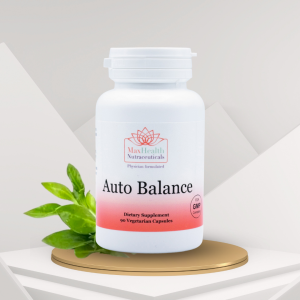
Auto Balance
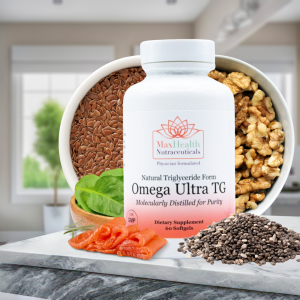
Omega Ultra TG
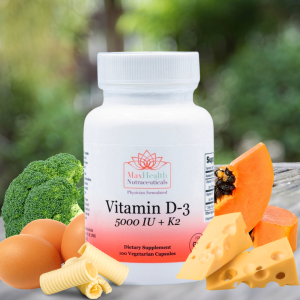
Vitamin D3 5000 IU + K2 CAPSULES 100s
Probiotic 40 Billion CFU – 60s (shelf stable)
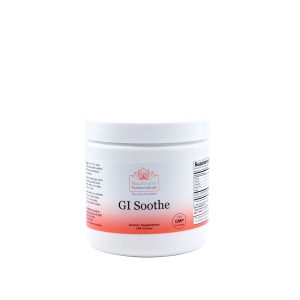
GI Soothe (Powder) 168 Grams
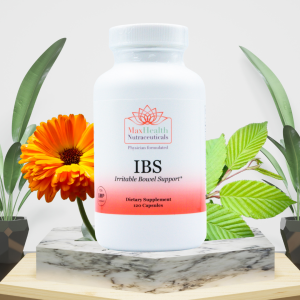
IBS Capsules 120s
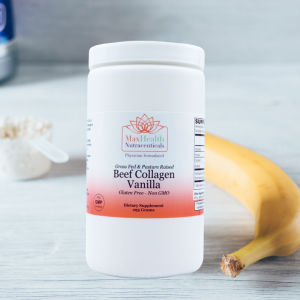
Beef Collagen Vanilla
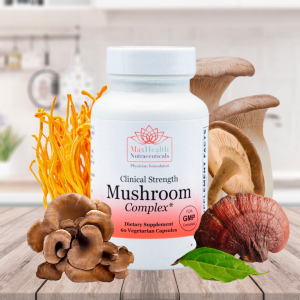
Mushroom Complex 60s

Autoimmune Support Bundle
Disclosure: This post contains affiliate links. If you purchase through these links, we may earn a small commission at no extra cost to you. Learn more.
About the Author
Dr. Nicolle is a double board-certified physician in Family Medicine and Preventive Medicine, with certifications in Functional Medicine and Lifestyle Medicine. She helps busy professionals over 40 optimize their health through root-cause approaches to cardiovascular, hormonal, and metabolic health.
Learn more about Dr. Nicolle →Explore Related Topics
Dive deeper into these connected health areas
Hormone Health
Hormones are the chemical messengers that regulate virtually every process in your body — from metab…
Explore ❤️Metabolic Health
Metabolic health sits at the intersection of blood sugar regulation, cardiovascular function, body c…
Explore 🌸Women's Health
Women's health encompasses a complex interplay of hormonal cycles, reproductive biology, and unique …
Explore 💪Men's Health
Men's health involves a unique interplay of hormonal balance, cardiovascular resilience, metabolic e…
Explore 🧠Mental Health
Mental health is deeply interconnected with hormonal balance, gut health, blood sugar regulation, an…
Explore 📖Skin & Hair Health
Your skin and hair are windows into your internal health. Chronic acne, eczema, psoriasis, and hair …
ExploreReady to Address Your Health Concerns?
Book a Discovery Offer consultation to discuss how our functional medicine approach can help you achieve your health goals.
Book Your Discovery Offer