Sleep & Hormones: How Poor Sleep Destroys Your Balance

- Every major hormone is rebuilt during sleep — poor sleep disrupts cortisol, insulin, thyroid, and testosterone
- One night of poor sleep increases next-day insulin resistance by 25-30%
- Growth hormone peaks during deep sleep — without it, muscle recovery and fat loss stall
- Fixing sleep is the single highest-leverage intervention for hormonal health
The lab results told a story I'd seen a hundred times before. A 45-year-old executive, low testosterone, elevated fasting insulin, rising cortisol, and a TSH creeping upward. His primary care physician had already written prescriptions for testosterone replacement and metformin. But when I asked about his sleep, the real diagnosis emerged: he'd been averaging five and a half hours a night for the past three years. His phone charged on his nightstand. He answered emails at 11 PM and set his alarm for 5 AM.
His hormones weren't failing. His sleep was.
Sleep Is a Hormonal Event
We tend to think of sleep as passive, as if the body simply shuts down for a few hours. The opposite is true. Sleep is one of the most metabolically and hormonally active periods of the day. Nearly every hormone in your body follows a circadian rhythm, and the quality and duration of your sleep directly determines whether those rhythms function properly.
Disrupt sleep, and you disrupt the entire endocrine system. Not theoretically. Measurably.
Cortisol: The First Domino
Cortisol follows a predictable 24-hour rhythm. It should peak within 30 minutes of waking (the cortisol awakening response), providing alertness and energy, then decline steadily throughout the day, reaching its lowest point around midnight.
When you don't sleep enough, or when sleep quality is poor, this rhythm flattens. Cortisol stays elevated in the evening when it should be low, making it harder to fall asleep (a vicious cycle). Morning cortisol may actually be lower than normal, because the HPA axis becomes dysregulated from chronic overactivation.
Research from the University of Chicago found that restricting sleep to 4 hours per night for just 6 nights elevated evening cortisol levels by 37% and delayed the normal nighttime decline by more than an hour (1). Six nights. That's barely a work week of poor sleep.
Elevated evening cortisol does more than disrupt sleep. It promotes visceral fat storage, increases insulin resistance, impairs immune function, and breaks down muscle tissue. It's one of the most damaging metabolic patterns I see in clinical practice.
| Hormone | Effect of Sleep Deprivation | Clinical Result |
|---|---|---|
| Cortisol | Increases (esp. evening) | Anxiety, belly fat, "wired but tired" |
| Insulin | Resistance increases | High blood sugar, cravings, weight gain |
| Testosterone | Decreases (10-15%) | Low libido, muscle loss, fatigue |
| Ghrelin | Increases | Increased hunger & carb cravings |
| Leptin | Decreases | Reduced satiety (never feel full) |
| Growth Hormone | Suppressed | Poor recovery, accelerated aging |
Insulin and Blood Sugar
Sleep deprivation is one of the fastest ways to become insulin resistant. In a landmark study, healthy young men restricted to 4 hours of sleep for 6 nights showed insulin sensitivity levels comparable to pre-diabetic patients (2). Their glucose clearance after a standard meal was 40% slower than when they slept 8 hours.
This explains the brain fog and afternoon crashes that chronic short-sleepers experience. It also explains why weight loss becomes nearly impossible when sleep is inadequate, even with a good diet and exercise program. Your cells literally cannot process glucose efficiently without adequate sleep.
Leptin (the satiety hormone) drops by 18% with sleep restriction, while ghrelin (the hunger hormone) rises by 28%. You feel hungrier, crave more refined carbohydrates, and your body stores those calories preferentially as fat. This isn't a willpower problem. It's a hormonal consequence of sleep debt.
One week of sleeping 5 hours per night drops testosterone levels by 10-15% — equivalent to aging 10-15 years. Before starting TRT or any hormonal intervention, fix your sleep. The hormonal improvements from consistent 7-8 hour sleep often rival what medications can achieve.
Testosterone and Growth Hormone
Testosterone production in men is heavily concentrated during sleep, particularly during REM cycles in the second half of the night. Men who sleep 5 hours show testosterone levels 10-15% lower than those sleeping 7-8 hours, an effect equivalent to aging 10-15 years (3).
For women, the relationship is more nuanced but equally important. Sleep disruption affects the delicate balance between estrogen, progesterone, and androgens that governs everything from menstrual regularity to PCOS symptoms.
Growth hormone, which governs tissue repair, muscle maintenance, fat metabolism, and cellular regeneration, is released primarily during deep (slow-wave) sleep in the first half of the night. Alcohol, late-night eating, and screen exposure all suppress deep sleep and, consequently, growth hormone release.
Thyroid Function
The relationship between sleep and thyroid health is bidirectional. Hypothyroidism causes fatigue and excessive sleep, but sleep deprivation itself impairs thyroid function by reducing TSH pulsatility and potentially affecting T4-to-T3 conversion.
I routinely see patients with borderline thyroid numbers normalize after addressing sleep. Before adding thyroid medication, I want to know: are you actually sleeping enough for your thyroid to function?
Melatonin: More Than a Sleep Aid
Melatonin is produced by the pineal gland in response to darkness, and it does far more than induce sleepiness. It's a powerful antioxidant, an immune modulator, and a regulator of reproductive hormones. Melatonin suppression from evening light exposure (particularly blue light from screens) doesn't just delay sleep onset. It disrupts immune function, reduces antioxidant protection, and alters reproductive hormone cycling.
The research on artificial light at night (ALAN) is sobering. Evening exposure to typical room lighting suppresses melatonin production by approximately 85% compared to dim light conditions (4). This has downstream effects on every system melatonin influences, which is essentially every system.
The Sleep-Gut-Hormone Axis
Your gut microbiome follows its own circadian rhythm, and sleep disruption alters microbial composition in ways that promote inflammation and metabolic dysfunction. Short sleep duration has been associated with reduced microbial diversity, increased Firmicutes-to-Bacteroidetes ratio (a pattern linked to obesity), and elevated intestinal permeability.
Since the gut produces approximately 95% of the body's serotonin (the precursor to melatonin) and directly influences inflammation, nutrient absorption, and immune function, this gut-sleep axis creates another feedback loop where poor sleep damages the gut, and a damaged gut worsens sleep.
What to Fix First
If you're dealing with hormonal symptoms and sleeping less than 7 hours, start here before pursuing hormonal interventions.
Light Hygiene
Get bright light exposure within 30 minutes of waking (ideally sunlight, or a 10,000 lux light box). This anchors your circadian rhythm more powerfully than any supplement. In the evening, dim lights after sunset, use blue-blocking glasses if needed, and keep screens out of the bedroom entirely.
Temperature
Your core body temperature needs to drop 1-2 degrees Fahrenheit to initiate sleep. A cool bedroom (65-68°F), a warm shower 90 minutes before bed (the post-shower cooling effect helps), and breathable bedding all support this process.
Timing Consistency
Go to bed and wake at the same time every day, including weekends. Your circadian clock doesn't understand "sleeping in." Irregular sleep timing is independently associated with metabolic dysfunction, even when total sleep duration is adequate (5).
Evening Nutrition
Stop eating 2-3 hours before bed. Late-night meals, especially high-carbohydrate or high-fat ones, suppress growth hormone release and disrupt sleep architecture. If you need something, a small serving of protein with magnesium-rich food (like a handful of pumpkin seeds) supports both blood sugar stability and sleep quality.
Targeted Supplementation
Magnesium glycinate (300-400mg before bed) is the single most impactful sleep supplement for most patients. It supports GABA receptor function, muscle relaxation, and melatonin production. Vitamin D optimization (levels of 50-80 ng/mL) also supports sleep quality through serotonin and melatonin pathways.
Other evidence-based options include L-theanine (200mg), phosphatidylserine (100-200mg, particularly helpful for elevated evening cortisol), and glycine (3g before bed).
When Sleep Alone Isn't Enough
Sometimes sleep disorders require specific intervention. Obstructive sleep apnea, in particular, is massively underdiagnosed, especially in women who don't fit the stereotypical profile. If you snore, wake with headaches, or feel unrefreshed despite adequate sleep duration, a sleep study is warranted.
Insomnia, whether from anxiety, hormonal shifts during perimenopause, or HPA axis dysregulation, sometimes needs targeted treatment beyond sleep hygiene. Cognitive behavioral therapy for insomnia (CBT-I) has a stronger evidence base than any medication and should be considered first-line.
Start with Sleep
If I could give every patient one piece of advice before anything else, it would be this: fix your sleep before fixing your hormones. The hormonal improvements from 7-8 hours of quality sleep in a dark, cool, consistent environment often rival what medications and supplements can achieve, and they come without side effects.
Ready to investigate whether sleep disruption is driving your hormonal symptoms? Book a Discovery Offer consultation to get a comprehensive evaluation.
References
- Spiegel K, Leproult R, Van Cauter E. Impact of sleep debt on metabolic and endocrine function. The Lancet. 1999;354(9188):1435-1439. https://doi.org/10.1016/S0140-6736(99)01376-8
- Van Cauter E, et al. Metabolic consequences of sleep and sleep loss. Sleep Medicine. 2008;9(Suppl 1):S23-S28. https://doi.org/10.1016/S1389-9457(08)70013-3
- Leproult R, Van Cauter E. Effect of 1 week of sleep restriction on testosterone levels in young healthy men. JAMA. 2011;305(21):2173-2174. https://doi.org/10.1001/jama.2011.710
- Gooley JJ, et al. Exposure to room light before bedtime suppresses melatonin onset and shortens melatonin duration in humans. Journal of Clinical Endocrinology & Metabolism. 2011;96(3):E463-E472. https://doi.org/10.1210/jc.2010-2098
- Huang T, et al. Sleep irregularity and risk of cardiovascular events. Journal of the American College of Cardiology. 2020;75(9):991-999. https://doi.org/10.1016/j.jacc.2019.12.054
Supplements for Hormone Optimization
Clinical-grade picks for this topic
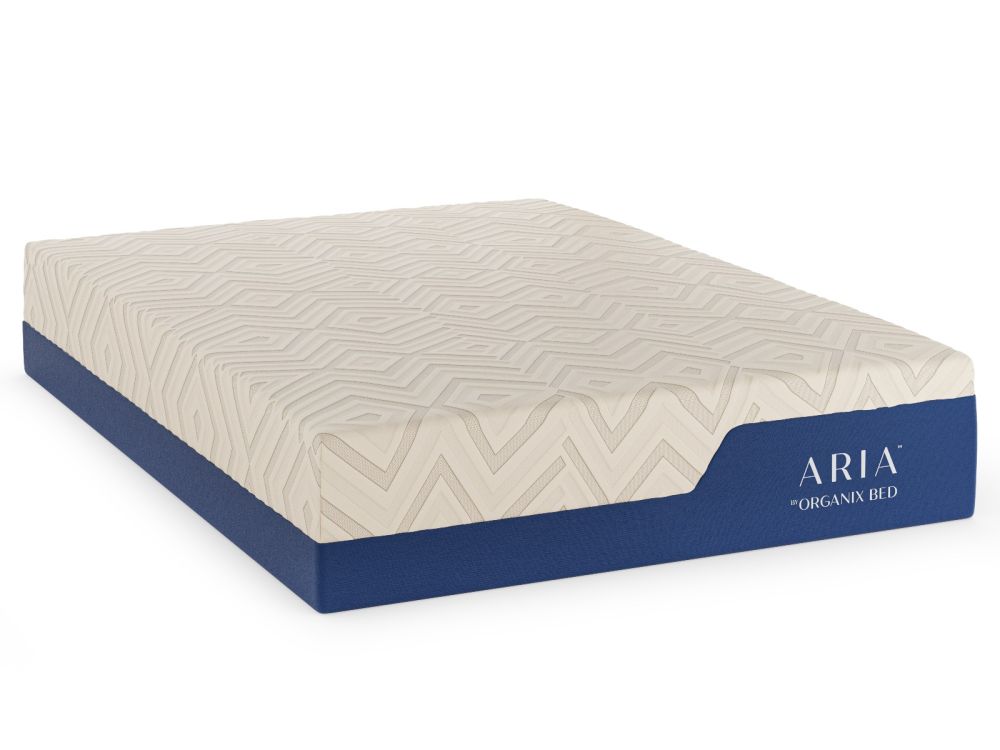
Aria™ King Organic Mattress
$2,299.00

Anti-Blue Light LED Bulb (Red)
$34.99

Thera360 PLUS Portable Sauna
$1,428.00
Affiliate disclosure: The product links below are affiliate links — we may earn a commission at no extra cost to you. Recommendations are based on clinical use, not commissions. Learn more.
Frequently Asked Questions
Common questions about sleep & hormones: how poor sleep destroys your balance
Recommended Supplements
Professional-grade supplements from my MaxHealth Nutraceuticals line — the same formulas I use in clinical practice.
Aria™ King Organic Mattress
Anti-Blue Light LED Bulb (Red)
Thera360 PLUS Portable Sauna
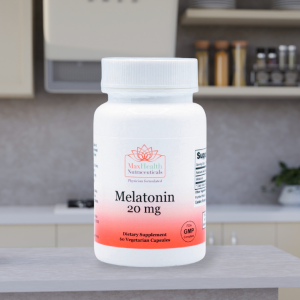
Melatonin 20mg 60s (Capsules)

Multi Mag

5-HTP 90s (with P5P & Glycine)
Adrenal (Energy & Stress) 120 Capsules

Calm & Relaxed 90s

Serenity

Sleep Support Bundle
Disclosure: This post contains affiliate links. If you purchase through these links, we may earn a small commission at no extra cost to you. Learn more.
About the Author
Dr. Nicolle is a double board-certified physician in Family Medicine and Preventive Medicine, with certifications in Functional Medicine and Lifestyle Medicine. She helps busy professionals over 40 optimize their health through root-cause approaches to cardiovascular, hormonal, and metabolic health.
Learn more about Dr. Nicolle →Explore Related Topics
Dive deeper into these connected health areas
Gut Health
Your gut is far more than a digestive organ — it's home to 70% of your immune system, produces key n…
Explore ❤️Metabolic Health
Metabolic health sits at the intersection of blood sugar regulation, cardiovascular function, body c…
Explore 💪Men's Health
Men's health involves a unique interplay of hormonal balance, cardiovascular resilience, metabolic e…
Explore 📖Skin & Hair Health
Your skin and hair are windows into your internal health. Chronic acne, eczema, psoriasis, and hair …
ExploreReady to Address Your Health Concerns?
Book a Discovery Offer consultation to discuss how our functional medicine approach can help you achieve your health goals.
Book Your Discovery Offer