PCOS: Understanding the Root Causes and Functional Medicine Solutions

- PCOS has 4 distinct types — insulin-resistant, inflammatory, adrenal, and post-pill
- ~70% of cases are driven by insulin resistance, not ovarian dysfunction
- Inositol (40:1 myo:DCI ratio) improves ovulation rates comparable to metformin
- Most women see cycle regularity return within 2-4 months of targeted root-cause treatment
She was 31, had gained 40 pounds in two years, was growing dark hair on her chin, and hadn't had a regular period since she stopped birth control. Her OB-GYN ran a quick ultrasound, saw some follicles, said "you have PCOS," prescribed Metformin and Spironolactone, and moved on. When those didn't help much, the next suggestion was Clomid "whenever she wanted to get pregnant."
Nobody investigated why her body was producing excess androgens. Nobody checked her insulin. Nobody asked about her stress levels or her gut symptoms.
PCOS affects 8-13% of women of reproductive age worldwide, and most of them receive some version of this story. If you've been handed birth control as a "treatment" or told to "just lose weight," you deserve a much more thorough investigation. There isn't one PCOS. There are several distinct types with different root causes, and the treatment for one type may be completely wrong for another.
PCOS Is Not Just an Ovarian Problem
Despite its name, Polycystic Ovary Syndrome is not primarily an ovarian condition. It's a systemic metabolic and hormonal disorder that happens to manifest in the ovaries. The "cysts" themselves (actually immature follicles) are a downstream symptom, not the cause. Renaming it has been debated for years because the current name is misleading.
PCOS involves dysfunction across multiple systems:
- Metabolic: Insulin resistance affects up to 70-80% of women with PCOS, regardless of weight
- Hormonal: Elevated androgens (testosterone, DHEA-S) drive many visible symptoms
- Inflammatory: Chronic low-grade inflammation amplifies both metabolic and hormonal dysfunction
- Neuroendocrine: Altered GnRH pulsatility disrupts the normal ovulatory cycle
- Gut-related: Dysbiosis and intestinal permeability contribute to inflammation and hormone disruption
The Full Symptom Picture
The symptoms of PCOS extend far beyond irregular periods:
- Menstrual irregularity: Absent, infrequent, or unpredictable cycles
- Weight gain: Especially visceral fat around the midsection, and significant difficulty losing weight
- Acne: Typically jawline, chin, and lower face — hormonal pattern acne
- Hirsutism: Excess hair growth on face, chest, abdomen, and back
- Androgenic alopecia: Hair thinning at the crown and temples
- Infertility: PCOS is the #1 cause of anovulatory infertility
- Mood disorders: Anxiety and depression are significantly more prevalent in PCOS
- Fatigue: Often related to blood sugar dysregulation and sleep disruption
- Skin changes: Acanthosis nigricans (dark, velvety patches), skin tags
- Cardiovascular risk: Women with PCOS have 2x higher risk of cardiovascular events
The Four Types of PCOS: Why Your Type Matters
This is where functional medicine diverges most dramatically from conventional care. Instead of treating all PCOS the same way, we identify your specific driver, because the treatment for insulin-resistant PCOS is very different from the treatment for adrenal PCOS.
PCOS isn't one disease. An insulin-resistant type needs a completely different treatment plan than an adrenal or inflammatory type. Identifying your "phenotype" is the key to results.
1. Insulin-Resistant PCOS (Most Common — ~70% of Cases)
The primary driver is hyperinsulinemia — chronically elevated insulin levels. Excess insulin stimulates the ovaries to produce androgens (testosterone) and simultaneously reduces sex hormone-binding globulin (SHBG), leaving more free testosterone circulating.
Key markers: Elevated fasting insulin (even with normal glucose), high HOMA-IR, low SHBG, elevated free testosterone
Signs: Weight gain (especially abdominal), sugar/carb cravings, skin tags, acanthosis nigricans, energy crashes after meals, difficulty losing weight
Root causes: Diet high in refined carbohydrates, sedentary lifestyle, chronic stress, genetic predisposition, gut dysbiosis
2. Inflammatory PCOS
Chronic inflammation — not insulin — is the primary driver. Inflammatory cytokines stimulate androgen production and impair ovulation independently of insulin levels.
Key markers: Elevated hs-CRP, elevated homocysteine, elevated inflammatory cytokines, may have normal insulin
Signs: Fatigue, joint pain, skin issues (eczema, psoriasis), digestive problems, headaches, brain fog
Root causes: Gut dysfunction (leaky gut, SIBO, dysbiosis), food sensitivities, environmental toxin exposure, chronic infections, poor sleep
3. Adrenal PCOS (~10% of Cases)
Elevated androgens originate from the adrenal glands rather than the ovaries. DHEA-S is the primary elevated androgen, while ovarian androgens may be normal.
Key markers: Elevated DHEA-S with normal or near-normal testosterone, normal insulin levels
Signs: High stress, anxiety, cortisol dysregulation, disrupted sleep, normal weight or underweight, symptoms worsen with stress
Root causes: Chronic psychological or physical stress, HPA axis dysfunction, overtraining, under-eating, trauma history
4. Post-Pill PCOS
A temporary androgen surge that occurs after discontinuing hormonal birth control. The pill suppresses your body's own hormone production; when it's removed, the rebound can trigger PCOS-like symptoms.
Key markers: Regular cycles before birth control, symptoms appeared within 3-12 months of stopping, elevated androgens
Signs: Acne breakouts, hair loss, irregular cycles — all appearing after stopping the pill
Important: This type typically resolves within 6-12 months with proper support, but can unmask underlying insulin resistance or inflammation that was being masked by the pill
| Feature | Insulin-Resistant | Inflammatory | Adrenal | Post-Pill |
|---|---|---|---|---|
| Primary Driver | Hyperinsulinemia | Chronic inflammation | HPA axis / stress | Hormonal rebound |
| Key Lab Marker | High fasting insulin, low SHBG | High hs-CRP, cytokines | High DHEA-S | Elevated androgens post-OCP |
| Weight Pattern | Central weight gain | Variable | Normal / underweight | Variable |
| Top Symptom | Cravings, weight gain | Fatigue, joint pain | Anxiety, insomnia | Acne, hair loss |
| Prevalence | ~70% | ~15% | ~10% | ~5% (temporary) |
Why Conventional PCOS Treatment Falls Short
The standard conventional approach to PCOS typically involves:
1. Oral contraceptives, to regulate periods and suppress androgens. But this masks symptoms without addressing root causes, and can worsen insulin resistance, deplete nutrients (B vitamins, magnesium, zinc), and impair gut health.
2. Metformin, for insulin resistance. While it can help, many women experience significant GI side effects, and it doesn't address the inflammatory, adrenal, or gut components.
3. Spironolactone, for acne and hirsutism. Addresses symptoms but not the underlying androgen driver.
4. Clomid/Letrozole, for fertility, without addressing why ovulation isn't occurring.
None of these approaches ask: Why is your body producing excess androgens in the first place?
Our Functional Medicine Approach to PCOS
Step 1: Comprehensive Root-Cause Testing
We go far beyond the standard hormone panel:
- Fasting insulin AND glucose (not just HbA1c) — to detect insulin resistance years before diabetes develops
- Complete androgen panel: Total and free testosterone, DHEA-S, androstenedione, SHBG
- Full thyroid panel: TSH, free T3, free T4, reverse T3, thyroid antibodies — because thyroid dysfunction and PCOS frequently coexist
- Inflammatory markers: hs-CRP, homocysteine, ferritin, ESR
- Nutrient status: Vitamin D, B12, folate, magnesium, zinc, iron — all commonly deficient in PCOS
- Cortisol assessment: 4-point cortisol pattern for adrenal PCOS
- Gut health assessment: Comprehensive stool analysis when gut symptoms are present
- Advanced metabolic markers: Lipid particle size, apoB, Lp(a) — because PCOS significantly increases cardiovascular risk
Step 2: Address Your Specific Root Cause
Based on your PCOS type, we create a targeted protocol:
For Insulin-Resistant PCOS:
- Blood sugar stabilization through strategic nutrition — emphasizing protein, healthy fats, and fiber at every meal
- Targeted supplements: inositol (myo-inositol + D-chiro-inositol in 40:1 ratio), berberine, chromium, magnesium
- Exercise prescription focused on resistance training (builds insulin sensitivity) and walking
- Our anti-inflammatory meal plans and PCOS-specific meal plan provide structured nutrition support
For Inflammatory PCOS:
- Identify and address gut dysfunction — the 5R Protocol for gut healing
- Elimination diet to identify food sensitivities (gluten, dairy, and eggs are common triggers)
- Anti-inflammatory nutrition: omega-3s, turmeric/curcumin, green tea extract
- Environmental toxin reduction (endocrine disruptors like BPA, phthalates, pesticides)
For Adrenal PCOS:
- Stress management as primary treatment — not optional lifestyle advice
- Cortisol optimization through circadian rhythm support
- Adaptogenic herbs: ashwagandha, rhodiola, holy basil (evidence-based selections)
- Avoiding overtraining and under-eating — which worsen adrenal PCOS
- Sleep optimization — essential for HPA axis recovery
For Post-Pill PCOS:
- Nutrient repletion (B vitamins, magnesium, zinc — depleted by oral contraceptives)
- Liver support for hormone detoxification
- Gut restoration (the pill disrupts the microbiome)
- Patience — with proper support, most post-pill PCOS resolves within 6-12 months
Step 3: Nutrition as Medicine
Food choices have an outsized impact on PCOS outcomes. Our guide on functional nutrition and using food as medicine explores the science behind this approach in depth. Key principles:
- Protein at every meal: Stabilizes blood sugar and supports muscle mass. Aim for 25-35g per meal.
- Strategic carbohydrate management: Not elimination — but choosing low-glycemic, fiber-rich carbs and pairing them with protein/fat
- Anti-inflammatory fats: Omega-3s (fatty fish, walnuts, flaxseed), olive oil, avocado
- Phytoestrogen-rich foods: Flaxseed (2 tablespoons daily) can reduce androgen levels
- Cruciferous vegetables: Support estrogen detoxification through DIM and I3C pathways
- Avoid personal triggers: Dairy and gluten worsen symptoms in some (not all) women with PCOS
Our meal plans are designed with these principles built in, making implementation simple.
The Fertility Connection
PCOS is the leading cause of anovulatory infertility, but this doesn't mean pregnancy is impossible — far from it. By addressing the root cause (usually insulin resistance), many women restore natural ovulation within 3-6 cycles without fertility medications.
Key fertility-focused interventions:
- Inositol supplementation (40:1 myo:DCI ratio) — multiple RCTs show improved ovulation rates comparable to metformin
- Blood sugar optimization — reducing insulin allows the ovaries to function normally
- Reducing inflammation — inflammatory cytokines directly impair follicle development
- Weight management when appropriate — even 5-10% weight loss can restore ovulation in insulin-resistant PCOS
- Stress reduction — cortisol directly suppresses GnRH pulsatility
You Can Restore Balance
PCOS is not a life sentence. With the right approach addressing YOUR specific root causes, most women see significant improvement:
- Cycle regularity: Often returns within 2-4 months
- Skin and hair: Improvement typically begins at 3-4 months (hair growth cycles are slow)
- Weight: Sustainable loss begins once insulin resistance is addressed
- Mood and energy: Often the first improvements patients notice (within weeks)
- Fertility: Many women conceive naturally within 6-12 months of root-cause treatment
Our PCOS Hormone Balance Program was designed for exactly this kind of targeted approach. If you're tired of band-aid treatments, schedule a Discovery Offer and let's figure out your specific type, or try our Wellness Quiz as a starting point.
References
- Escobar-Morreale HF. Polycystic ovary syndrome: definition, aetiology, diagnosis and treatment. Nature Reviews Endocrinology. 2018;14(5):270-284. https://doi.org/10.1038/nrendo.2018.24
- Teede HJ, Misso ML, Costello MF, et al. Recommendations from the international evidence-based guideline for the assessment and management of polycystic ovary syndrome. Human Reproduction. 2018;33(9):1602-1618. https://doi.org/10.1093/humrep/dey256
- Unfer V, Carlomagno G, Dante G, Facchinetti F. Effects of myo-inositol in women with PCOS: a systematic review of randomized controlled trials. Gynecological Endocrinology. 2012;28(7):509-515. https://doi.org/10.3109/09513590.2011.650660
- Diamanti-Kandarakis E, Dunaif A. Insulin resistance and the polycystic ovary syndrome revisited: an update on mechanisms and implications. Endocrine Reviews. 2012;33(6):981-1030. https://doi.org/10.1210/er.2011-1034
- González F. Inflammation in Polycystic Ovary Syndrome: underpinning of insulin resistance and ovarian dysfunction. Steroids. 2012;77(4):300-305. https://doi.org/10.1016/j.steroids.2011.12.003
- Tremellen K, Pearce K. Dysbiosis of Gut Microbiota (DOGMA) — A novel theory for the development of Polycystic Ovarian Syndrome. Medical Hypotheses. 2012;79(1):104-112. https://doi.org/10.1016/j.mehy.2012.04.016
- Palomba S, Falbo A, Zullo F, Orio F Jr. Evidence-based and potential benefits of metformin in the polycystic ovary syndrome: a comprehensive review. Endocrine Reviews. 2009;30(1):1-50. https://doi.org/10.1210/er.2008-0030
- Legro RS, Arslanian SA, Ehrmann DA, et al. Diagnosis and treatment of polycystic ovary syndrome: an Endocrine Society clinical practice guideline. The Journal of Clinical Endocrinology & Metabolism. 2013;98(12):4565-4592. https://doi.org/10.1210/jc.2013-2350
- Moran LJ, Ko H, Misso M, et al. Dietary composition in the treatment of polycystic ovary syndrome: a systematic review to inform evidence-based guidelines. Journal of the Academy of Nutrition and Dietetics. 2013;113(4):520-545. https://doi.org/10.1016/j.jand.2012.11.018
- Nowak DA, Snyder DC, Brown AJ, Demark-Wahnefried W. The Effect of Flaxseed Supplementation on Hormonal Levels Associated with Polycystic Ovarian Syndrome. Current Topics in Nutraceutical Research. 2007;5(4):177-182.
Supplements for Women's Hormone Balance
Clinical-grade picks for this topic

Theradome PRO LH80 Laser Helmet
$895.00

Austin Air HealthMate Plus®
$895.00

Branch Basics Premium Starter Kit
$75.00
Affiliate disclosure: The product links below are affiliate links — we may earn a commission at no extra cost to you. Recommendations are based on clinical use, not commissions. Learn more.
Frequently Asked Questions
Common questions about pcos: understanding the root causes and functional medicine solutions
Recommended Supplements
Professional-grade supplements from my MaxHealth Nutraceuticals line — the same formulas I use in clinical practice.
Theradome PRO LH80 Laser Helmet
Austin Air HealthMate Plus®
Branch Basics Premium Starter Kit
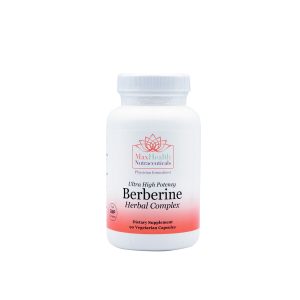
Berberine Herbal Complex 90s
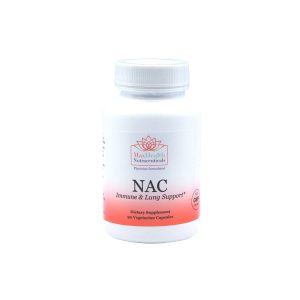
NAC 90s
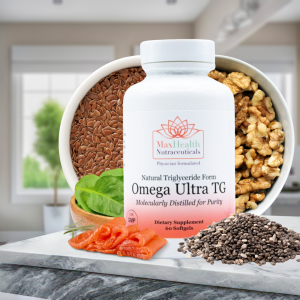
Omega Ultra TG
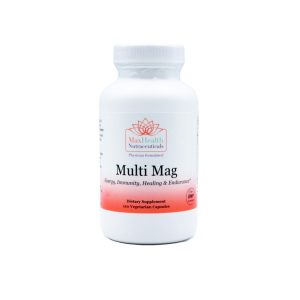
Multi Mag
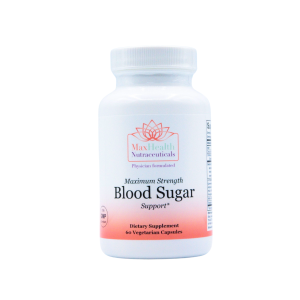
Blood Sugar Support 90s
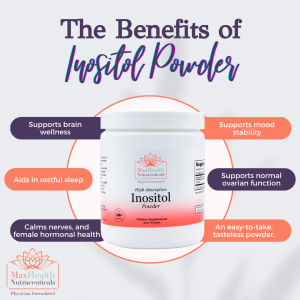
Inositol Powder 250 Grams
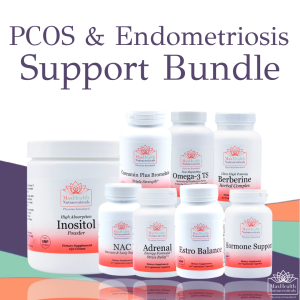
PCOS and Endometriosis Support Bundle
Disclosure: This post contains affiliate links. If you purchase through these links, we may earn a small commission at no extra cost to you. Learn more.
About the Author
Dr. Nicolle is a double board-certified physician in Family Medicine and Preventive Medicine, with certifications in Functional Medicine and Lifestyle Medicine. She helps busy professionals over 40 optimize their health through root-cause approaches to cardiovascular, hormonal, and metabolic health.
Learn more about Dr. Nicolle →Explore Related Topics
Dive deeper into these connected health areas
Gut Health
Your gut is far more than a digestive organ — it's home to 70% of your immune system, produces key n…
Explore ❤️Metabolic Health
Metabolic health sits at the intersection of blood sugar regulation, cardiovascular function, body c…
Explore 💪Men's Health
Men's health involves a unique interplay of hormonal balance, cardiovascular resilience, metabolic e…
Explore 🧠Mental Health
Mental health is deeply interconnected with hormonal balance, gut health, blood sugar regulation, an…
Explore 📖Skin & Hair Health
Your skin and hair are windows into your internal health. Chronic acne, eczema, psoriasis, and hair …
ExploreReady to Address Your Health Concerns?
Book a Discovery Offer consultation to discuss how our functional medicine approach can help you achieve your health goals.
Book Your Discovery Offer