Anxiety & Depression: A Functional Medicine Perspective

- Inflammation, gut dysfunction, and nutrient deficiencies can drive anxiety and depression — it's not all neurotransmitters
- 90% of serotonin is made in the gut — digestive health directly impacts mood
- Vitamin D, B12, magnesium, and omega-3 deficiencies mimic or worsen psychiatric symptoms
- This is an 'and' approach — functional medicine works alongside medication, not instead of it
He'd been on three different SSRIs over five years. Each one helped initially, then seemed to fade. His psychiatrist had added buspirone for anxiety and trazodone for sleep. Four medications, and he still described himself as "functioning but flat," getting through each day but not experiencing anything resembling joy or ease. When his PCP suggested a mood stabilizer, he came to see me instead.
His lab work told a different story than "treatment-resistant depression." His hs-CRP was 4.8 mg/L (significant systemic inflammation). His vitamin D was 18 ng/mL. His ferritin was 22 ng/mL. His DUTCH test revealed flattened cortisol with an almost non-existent morning awakening response. A comprehensive stool test showed significant dysbiosis with elevated calprotectin, indicating intestinal inflammation. His homocysteine was 16 µmol/L, suggesting impaired methylation.
None of these findings would have been identified by a standard psychiatric evaluation. None of them would have been treated by another SSRI. And within six months of addressing these underlying drivers, he was off two of his four medications and described feeling "like myself again for the first time in years." Not because his medications were wrong, but because they were treating downstream symptoms while the upstream causes went unidentified.
The Biology Behind the Label
Conventional psychiatry operates largely on the monoamine hypothesis: depression and anxiety result from neurotransmitter imbalances (primarily serotonin, norepinephrine, and dopamine) that can be corrected with medication. This model has helped millions of people and I'm not dismissing it. But it's incomplete, which is why approximately 30% of patients with major depression don't respond adequately to antidepressant therapy (1).
What if, in a substantial percentage of cases, the neurotransmitter imbalance is itself a symptom of deeper biological dysfunction? What if we're medicating the effect instead of treating the cause? The emerging research on neuroinflammation, the gut-brain axis, and metabolic psychiatry strongly suggests this is exactly what's happening.
The Inflammation-Depression Connection
One of the most robust findings in psychiatric research over the past decade is the association between systemic inflammation and depression. Patients with depression show elevated inflammatory markers (CRP, IL-6, TNF-alpha) compared to non-depressed controls. Conversely, patients with chronic inflammatory conditions (autoimmune diseases, cardiovascular disease, obesity) have depression rates 2-3 times higher than the general population (2).
Inflammation doesn't just correlate with depression; it appears to cause it through specific mechanisms. Pro-inflammatory cytokines cross the blood-brain barrier and activate brain microglia (the brain's immune cells), which then produce neuroinflammation that reduces serotonin synthesis (by shunting tryptophan toward kynurenine instead of serotonin), impairs neuroplasticity (the brain's ability to form new connections), reduces BDNF (brain-derived neurotrophic factor, essential for neuronal health), and disrupts dopamine signaling (reducing motivation and reward processing) (3).
This explains why anti-inflammatory interventions, from omega-3 fatty acids to curcumin to dietary changes, show antidepressant effects in clinical trials. It also explains why some patients don't respond to SSRIs: if the problem is inflammation reducing serotonin production, recycling the small amount that's available (which is what SSRIs do) has limited impact.
If inflammation is reducing serotonin production, an SSRI (which recycles existing serotonin) has limited raw material to work with. This is why 30% of depression patients don't respond to antidepressants — the upstream inflammatory cause was never addressed.
The Gut-Brain Axis: Your Second Brain
Your gastrointestinal tract contains 500 million neurons (the enteric nervous system), produces approximately 90% of the body's serotonin, and communicates bidirectionally with the brain via the vagus nerve. The gut microbiome directly influences brain chemistry, inflammation, and stress reactivity. This isn't speculative; it's been demonstrated in animal models and increasingly in human studies (4).
Gut dysbiosis and intestinal permeability create a state of chronic immune activation that drives neuroinflammation. Bacterial lipopolysaccharide (LPS) leaking from a compromised gut barrier triggers systemic inflammation that directly affects brain function. SIBO, which is common and frequently undiagnosed, impairs nutrient absorption (particularly B12, iron, and magnesium) while simultaneously increasing intestinal inflammation.
Never stop or change prescribed psychiatric medications without consulting your prescribing physician. Functional medicine works alongside conventional treatment, not instead of it. As root causes are addressed, medication adjustments should be guided by your provider based on objective progress.
In my practice, I've seen countless patients whose anxiety or depression improved substantially after treating underlying gut dysfunction. Not because gut treatment is a replacement for psychiatric care, but because removing an inflammatory driver allows the brain to heal and respond better to other interventions.
Psychobiotics and the Microbiome-Mood Connection
Specific probiotic strains have demonstrated anxiolytic and antidepressant effects in randomized controlled trials. Lactobacillus rhamnosus (which influences GABA signaling via the vagus nerve), Bifidobacterium longum (which reduces cortisol and psychological distress), and combinations of Lactobacillus helveticus and Bifidobacterium longum have all shown benefit. This isn't about taking any generic probiotic; it's about targeted strains with evidence for neuropsychiatric effects (5).
Hormonal Contributions to Mood
Thyroid and Mood
Subclinical hypothyroidism (TSH elevated but still "within range") is one of the most common and most overlooked contributors to depression. Even mild thyroid insufficiency reduces serotonin receptor sensitivity and impairs BDNF production. Hashimoto's thyroiditis in particular is associated with anxiety and depression rates far exceeding what would be expected from thyroid hormone deficiency alone, suggesting that the autoimmune inflammation itself contributes to mood symptoms (6).
A comprehensive thyroid panel, not just TSH, is essential for any patient with unexplained or treatment-resistant mood symptoms.
Sex Hormones and Mental Health
Estrogen is a potent modulator of serotonin, dopamine, and GABA. The hormonal transitions of perimenopause, postpartum, and menopause are well-recognized windows of vulnerability for mood disorders. Progesterone, which metabolizes to allopregnanolone (a GABA receptor modulator), has direct anxiolytic properties. When progesterone drops in perimenopause, anxiety often surges, and no amount of SSRI therapy will restore what is fundamentally a hormonal deficit.
Testosterone deficiency in men is associated with depression, irritability, and cognitive decline. Low testosterone after 40 affects an estimated 20-40% of men in this age group, and mood symptoms are frequently the first presentation.
Cortisol and the Stress Response
The HPA axis is the neuroendocrine system most directly involved in stress-related mood disorders. Chronic stress leads to cortisol dysregulation: initially elevated (causing anxiety, insomnia, hypervigilance), eventually flattened (causing fatigue, apathy, loss of motivation). Both patterns profoundly affect mood, but standard psychiatric evaluations don't test cortisol patterns. A 4-point salivary cortisol or DUTCH test reveals the HPA pattern and guides targeted treatment.
The Nutrient-Mood Connection
Vitamin D
Vitamin D receptors are abundant in brain regions involved in mood regulation. Levels below 30 ng/mL are consistently associated with depression, and supplementation trials show significant mood improvement, particularly in patients with baseline deficiency (7). The seasonal pattern of depression ("SAD") maps directly onto seasonal vitamin D production cycles.
B Vitamins and Methylation
Folate, B12, and B6 are cofactors for neurotransmitter synthesis. They're also essential for methylation, the biochemical process that produces serotonin, dopamine, norepinephrine, and melatonin. Elevated homocysteine (a marker of impaired methylation) is associated with depression risk. MTHFR polymorphisms, which reduce folate activation, are common and can be addressed with methylfolate supplementation rather than standard folic acid.
Magnesium
Magnesium regulates the NMDA glutamate receptor and the HPA axis. Deficiency produces anxiety, insomnia, muscle tension, and irritability, all of which overlap with anxiety disorders. A 2017 randomized trial in *PLoS ONE* found that 248 mg of magnesium daily improved depression scores comparably to an SSRI within 6 weeks, and the effect appeared within 2 weeks (8).
Iron
Iron deficiency (even without anemia) is associated with depression, anxiety, and ADHD-like symptoms. Ferritin below 50 ng/mL warrants correction, particularly in menstruating women and vegetarians who are at highest risk.
Omega-3 Fatty Acids
EPA specifically has demonstrated antidepressant effects comparable to fluoxetine in meta-analyses. The proposed mechanism involves both anti-inflammatory effects (reducing neuroinflammation) and direct effects on serotonin receptor expression. Doses of 1-2g of EPA daily are used in clinical practice.
| Nutrient | Mechanism in Brain | Therapeutic Dose | Evidence Level |
|---|---|---|---|
| Vitamin D | Mood-regulating gene expression; neuroprotection | Target 50–80 ng/mL | Strong (multiple RCTs) |
| Magnesium | NMDA receptor modulation; HPA axis regulation | 248–400 mg/day | Strong (comparable to SSRIs in RCT) |
| EPA (Omega-3) | Anti-neuroinflammation; serotonin receptor expression | 1–2 g EPA/day | Strong (meta-analyses) |
| Methylfolate (B9) | Serotonin & dopamine synthesis via methylation | 7.5–15 mg/day | Moderate (SSRI adjunct trials) |
| Vitamin B12 | Myelin synthesis; neurotransmitter cofactor | Target > 500 pg/mL | Moderate (observational + clinical) |
| Iron (Ferritin) | Dopamine synthesis; oxygen delivery to brain | Target 50–80 ng/mL | Moderate (deficiency correction trials) |
| Zinc | NMDA modulation; BDNF production | 25–50 mg/day | Moderate (SSRI adjunct) |
A Functional Medicine Workup for Mood
For any patient presenting with anxiety or depression, my evaluation includes: comprehensive metabolic and nutrient panel (vitamin D, B12, folate, homocysteine, RBC magnesium, ferritin, omega-3 index), inflammatory markers (hs-CRP, IL-6, TNF-alpha), complete thyroid panel with antibodies, cortisol rhythm testing (4-point or DUTCH), sex hormone assessment, blood sugar evaluation (fasting insulin, glucose, HbA1c), and gut assessment (comprehensive stool analysis, SIBO breath test when indicated).
This isn't about replacing psychiatric care. It's about making it more effective by identifying and treating the biological drivers that medications alone can't address.
Treatment: An Integrative Approach
The goal isn't to choose between medication and root-cause treatment. It's to layer them appropriately. Stabilize acute symptoms with medication when needed. Simultaneously investigate and address biological drivers. As root causes are corrected, reassess medication needs with the prescribing provider.
Dietary interventions (an anti-inflammatory diet rich in omega-3s, polyphenols, and fermented foods), targeted supplementation based on documented deficiencies, gut restoration, hormone optimization, stress management practices, sleep optimization, and regular exercise form the comprehensive foundation. Each component addresses a specific biological mechanism, and in combination, they often produce results that medication alone could not achieve.
Where This Leaves You
If you're managing anxiety or depression and haven't had a comprehensive biological workup, there may be treatable factors contributing to your symptoms that haven't been identified. This isn't about dismissing the reality of mental illness or the value of psychiatric medication. It's about asking a deeper question: what's driving the imbalance?
Our Discovery Offer consultation includes a thorough assessment of the biological factors that contribute to mood disorders, from inflammation and gut health to hormones and nutrient status, so treatment can target causes, not just symptoms.
References
- Rush AJ, et al. Acute and longer-term outcomes in depressed outpatients requiring one or several treatment steps: a STARD report. American Journal of Psychiatry*. 2006;163(11):1905-1917. https://doi.org/10.1176/ajp.2006.163.11.1905
- Berk M, et al. So depression is an inflammatory disease, but where does the inflammation come from? BMC Medicine. 2013;11:200. https://doi.org/10.1186/1741-7015-11-200
- Miller AH, Raison CL. The role of inflammation in depression: from evolutionary imperative to modern treatment target. Nature Reviews Immunology. 2016;16(1):22-34. https://doi.org/10.1038/nri.2015.5
- Cryan JF, Dinan TG. Mind-altering microorganisms: the impact of the gut microbiota on brain and behaviour. Nature Reviews Neuroscience. 2012;13(10):701-712. https://doi.org/10.1038/nrn3346
- Dinan TG, et al. Psychobiotics: a novel class of psychotropic. Biological Psychiatry. 2013;74(10):720-726. https://doi.org/10.1016/j.biopsych.2013.05.001
- Giynas Ayhan M, et al. Hashimoto thyroiditis may be associated with anxiety but not depression. European Review for Medical and Pharmacological Sciences. 2014;18(2):223-228.
- Anglin RE, et al. Vitamin D deficiency and depression in adults: systematic review and meta-analysis. British Journal of Psychiatry. 2013;202:100-107. https://doi.org/10.1192/bjp.bp.111.106666
- Tarleton EK, et al. Role of magnesium supplementation in the treatment of depression: A randomized clinical trial. PLoS ONE. 2017;12(6):e0180067. https://doi.org/10.1371/journal.pone.0180067
Supplements for Stress & Recovery
Clinical-grade picks for this topic
Affiliate disclosure: The product links below are affiliate links — we may earn a commission at no extra cost to you. Recommendations are based on clinical use, not commissions. Learn more.
Frequently Asked Questions
Common questions about anxiety & depression: a functional medicine perspective
Recommended Supplements
Professional-grade supplements from my MaxHealth Nutraceuticals line — the same formulas I use in clinical practice.

Inner Balance™ Coherence Plus

Thera360 PLUS Portable Sauna
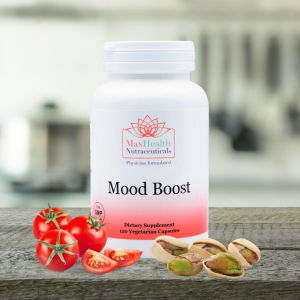
Mood Boost 120s
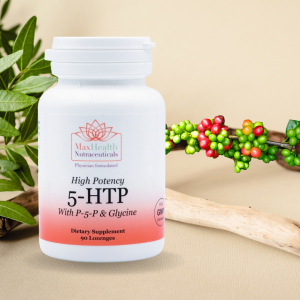
5-HTP 90s (with P5P & Glycine)
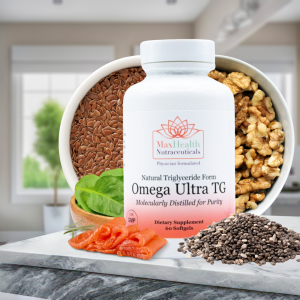
Omega Ultra TG
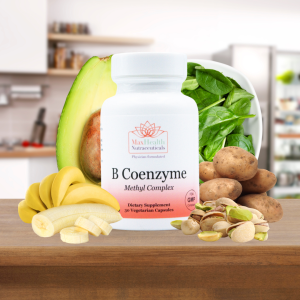
B Coenzyme Methyl Complex
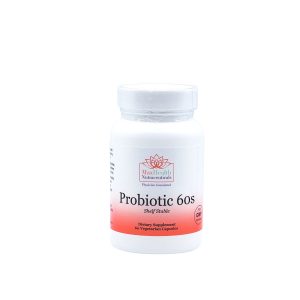
Probiotic 40 Billion CFU – 60s (shelf stable)
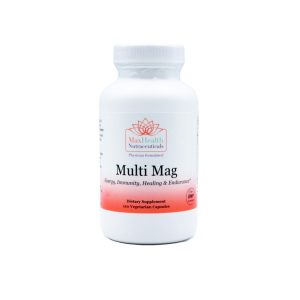
Multi Mag
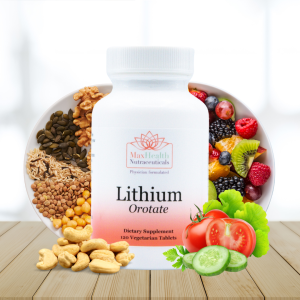
Lithium Orotate
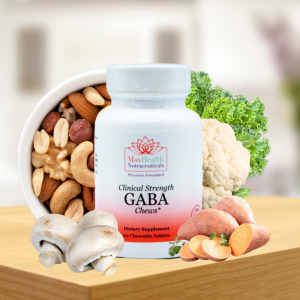
GABA Chews
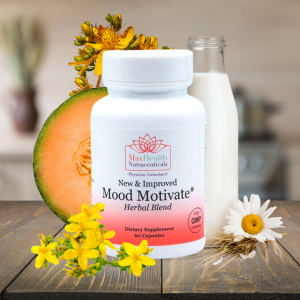
Mood Motivate 60s
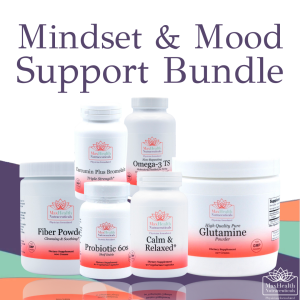
Mindset & Mood Support Bundle
Disclosure: This post contains affiliate links. If you purchase through these links, we may earn a small commission at no extra cost to you. Learn more.
About the Author
Dr. Nicolle is a double board-certified physician in Family Medicine and Preventive Medicine, with certifications in Functional Medicine and Lifestyle Medicine. She helps busy professionals over 40 optimize their health through root-cause approaches to cardiovascular, hormonal, and metabolic health.
Learn more about Dr. Nicolle →Explore Related Topics
Dive deeper into these connected health areas
Hormone Health
Hormones are the chemical messengers that regulate virtually every process in your body — from metab…
Explore 🦠Gut Health
Your gut is far more than a digestive organ — it's home to 70% of your immune system, produces key n…
Explore ❤️Metabolic Health
Metabolic health sits at the intersection of blood sugar regulation, cardiovascular function, body c…
Explore 💪Men's Health
Men's health involves a unique interplay of hormonal balance, cardiovascular resilience, metabolic e…
Explore 📖Skin & Hair Health
Your skin and hair are windows into your internal health. Chronic acne, eczema, psoriasis, and hair …
ExploreReady to Address Your Health Concerns?
Book a Discovery Offer consultation to discuss how our functional medicine approach can help you achieve your health goals.
Book Your Discovery Offer