Menopause & Hormone Replacement: What Women Should Know

- HRT started within 10 years of menopause onset reduces cardiovascular and bone fracture risk
- Bioidentical transdermal estrogen avoids the clotting risks seen with oral synthetic hormones
- The WHI study scared a generation of women — but its conclusions don't apply to early, bioidentical HRT
- Menopause accelerates bone loss, cognitive decline, and cardiovascular aging without hormone support
A 52-year-old executive sat in my office describing months of disrupted sleep, brain fog so thick she'd started doubting her competence at work, and hot flashes that hit during board meetings. Her gynecologist had told her "this is just menopause" and offered an antidepressant. She wanted to know: is that really the only option?
It's not. Not even close. Menopause is a natural biological transition, but "natural" doesn't mean women should white-knuckle their way through years of debilitating symptoms without support. The science on hormone replacement therapy has evolved dramatically since the panic of the early 2000s, and the functional medicine toolkit goes even further.
What Actually Happens During Menopause
Menopause is officially defined as 12 consecutive months without a menstrual period, typically occurring between ages 45 and 55, with the average age being 51. But the hormonal shifts begin years earlier during perimenopause, when estrogen and progesterone production becomes erratic before declining permanently.
Once menopause is established, ovarian estrogen production drops by approximately 80-90%. Progesterone falls to near zero. Testosterone declines more gradually, having already decreased about 50% between a woman's 20s and 40s. These hormonal changes don't happen in isolation. They trigger cascading effects across virtually every organ system.
The Symptom Landscape
The classic symptoms most women recognize include hot flashes, night sweats, and irregular periods (during the transition). But the full picture is much broader.
Vasomotor symptoms (hot flashes and night sweats) affect roughly 75% of menopausal women and can persist for 7-10 years. For about 25% of women, these are severe enough to significantly impair quality of life.
Cognitive changes including brain fog, difficulty concentrating, and memory lapses are among the most distressing symptoms women report. Estrogen receptors are densely concentrated in the hippocampus and prefrontal cortex, and declining estrogen directly affects neurotransmitter function, particularly acetylcholine and serotonin (1). If you're experiencing brain fog alongside blood sugar instability, menopause may be compounding the problem.
Mood disruption ranges from increased irritability and anxiety to clinical depression. The risk of a first depressive episode is 2-4 times higher during the menopausal transition than at any other time in a woman's life (2). Our guide on anxiety and depression through a functional lens explores the neurochemistry behind these shifts.
Musculoskeletal changes accelerate after menopause. Women lose up to 20% of their bone density in the 5-7 years following menopause (3). Joint pain, muscle stiffness, and increased injury risk become common.
Metabolic shifts including weight gain (particularly visceral fat), insulin resistance, and unfavorable lipid changes increase cardiovascular risk significantly. Heart disease risk in women rises sharply post-menopause, eventually matching male risk levels. Understanding the sleep-hormone connection becomes especially critical during this transition, as disrupted sleep further destabilizes hormonal balance.
Genitourinary syndrome of menopause (GSM) affects up to 84% of postmenopausal women and includes vaginal dryness, painful intercourse, urinary urgency, and recurrent UTIs. Unlike hot flashes, GSM typically worsens over time without treatment.
The HRT Controversy: What the Science Actually Shows
The Women's Health Initiative (WHI) study, published in 2002, sent shockwaves through medicine by reporting increased risks of breast cancer, heart disease, and stroke with hormone therapy. Millions of women stopped HRT overnight, and an entire generation of physicians became reluctant to prescribe it.
But the full story is far more nuanced than the headlines suggested.
What We've Learned Since the WHI
Re-analysis of the WHI data and subsequent studies have revealed critical context that changes the risk-benefit calculation substantially (4, 5).
Timing matters enormously. The "timing hypothesis," now well-supported by evidence, shows that HRT initiated within 10 years of menopause onset (or before age 60) is associated with *reduced* cardiovascular risk, while starting HRT decades after menopause may increase risk. Most WHI participants were 63-79 years old, well past the optimal window.
The timing of HRT initiation matters more than almost any other factor. Starting within 10 years of menopause onset is associated with cardiovascular protection; starting decades later may increase risk. Most of the alarming WHI data came from women aged 63-79.
Type of hormone matters. The WHI used conjugated equine estrogens (derived from pregnant horse urine) and medroxyprogesterone acetate (a synthetic progestin). Bioidentical hormones, including 17-beta estradiol and micronized progesterone, have different safety profiles. The KEEPS and ELITE trials demonstrated that transdermal estradiol with micronized progesterone does not carry the same clotting or breast cancer risks as the WHI regimen (6).
Route of administration matters. Transdermal estrogen (patches, gels, sprays) bypasses the liver's first-pass metabolism, avoiding the increased clotting risk associated with oral estrogen. For women with clotting risk factors, transdermal delivery is significantly safer.
The breast cancer risk was overstated. In the estrogen-only arm of the WHI (for women without a uterus), there was actually a *decreased* risk of breast cancer. The modest increased risk in the combined arm (estrogen plus synthetic progestin) was comparable to the risk associated with drinking two glasses of wine daily or being obese, risks that rarely prompt the same alarm (7).
Bioidentical HRT: The Functional Medicine Approach
In my practice, when hormone therapy is appropriate, I use bioidentical hormones, meaning hormones that are molecularly identical to what a woman's body naturally produces. This is not a fringe position. Major medical organizations including the Endocrine Society now recognize bioidentical hormones as valid treatment options.
Estradiol
17-beta estradiol is the primary estrogen of reproductive years and the most potent form. Delivered transdermally, it effectively relieves vasomotor symptoms, protects bone density, improves mood and cognition, maintains vaginal and urinary tract health, and supports cardiovascular health when initiated in the appropriate window.
Progesterone
Micronized progesterone (bio-identical) is necessary for any woman with an intact uterus to protect the endometrium. But progesterone does far more than prevent uterine cancer. It promotes sleep (it's a GABA-A receptor agonist), reduces anxiety, supports bone formation, and has neuroprotective properties. Many of my patients notice the most immediate quality-of-life improvement from progesterone, particularly in sleep quality.
Testosterone
Testosterone therapy for women remains somewhat controversial, but the evidence supporting low-dose testosterone for libido, energy, muscle mass, and cognitive function is growing (8). Estrogen dominance can suppress testosterone further, creating a compounded hormonal deficit.
DHEA
DHEA serves as a precursor to both estrogen and testosterone. Intravaginal DHEA (prasterone) is FDA-approved for GSM symptoms, and systemic DHEA supplementation may benefit women with documented adrenal dysfunction and low DHEA-S levels.
| Hormone | Primary Benefits | Preferred Route | Key Considerations |
|---|---|---|---|
| 17-beta Estradiol | Hot flashes, bone density, cognition, cardiovascular | Transdermal (patch/gel) | Bypasses liver; lower clotting risk than oral |
| Micronized Progesterone | Sleep, anxiety relief, endometrial protection, bone | Oral (Prometrium) | GABA-A agonist; required if uterus intact |
| Testosterone (low-dose) | Libido, energy, muscle mass, cognition | Topical cream | Monitor levels; not yet FDA-approved for women |
| DHEA | GSM symptoms, precursor to estrogen & testosterone | Intravaginal or oral | Intravaginal form is FDA-approved (prasterone) |
Beyond Hormones: The Full Functional Medicine Toolkit
Hormone therapy is one tool, not the entire toolbox. A comprehensive menopausal management plan should address the root drivers of symptom severity.
Nutrition for Menopause
Nutritional needs shift substantially at menopause. Calcium and vitamin D requirements increase to protect bone. Protein needs increase to prevent sarcopenia (muscle loss). Phytoestrogen-rich foods, including flaxseeds, soy (organic, whole-food forms), and cruciferous vegetables, can provide mild estrogenic support. An anti-inflammatory dietary pattern becomes even more critical as the protective anti-inflammatory effects of estrogen decline. Seed cycling can support hormonal balance during the transition.
Movement and Bone Health
Weight-bearing exercise and resistance training are non-negotiable for menopausal women. Strength training directly stimulates bone formation, preserves muscle mass, improves insulin sensitivity, and reduces fall risk. Our fitness programs include options specifically designed for women in this life stage.
Stress and Cortisol Management
Menopausal symptoms are amplified by elevated cortisol. When the adrenals are the primary remaining source of sex hormones post-menopause, chronic stress diverts adrenal resources toward cortisol production at the expense of DHEA and downstream sex hormones. Stress management is not optional; it's physiologically essential during this transition.
Sleep Support
Sleep disruption during menopause creates a vicious cycle: poor sleep worsens hot flashes, mood, cognitive function, and metabolic health, and those symptoms further disrupt sleep. Addressing sleep architecture through timing, environment, and targeted supplementation (magnesium glycinate, glycine, tart cherry extract) is foundational.
Targeted Supplementation
Based on comprehensive lab testing, supplements that may support the menopausal transition include magnesium (bone, sleep, mood), omega-3 fatty acids (inflammation, cardiovascular), vitamin D and K2 (bone metabolism), B vitamins (methylation and energy), and adaptogenic herbs like ashwagandha or maca (adrenal support, libido).
Testing: What Your Doctor Should Be Checking
Standard menopause "diagnosis" often consists of a single FSH level, which is inadequate. A thorough functional medicine workup includes:
- Complete hormone panel: Estradiol, progesterone, total and free testosterone, DHEA-S, FSH, LH, SHBG
- Thyroid panel: TSH, free T3, free T4, thyroid antibodies. Thyroid dysfunction is commonly unmasked or worsened during menopause, and Hashimoto's flares frequently coincide with hormonal transitions
- Metabolic markers: Fasting insulin, HbA1c, lipid panel with particle size, hs-CRP
- Bone health: DEXA scan, vitamin D, calcium, osteocalcin
- Micronutrients: Magnesium (RBC), B12, folate, iron panel, comprehensive micronutrient assessment
When to Consider HRT (and When Not To)
HRT is most appropriate for women experiencing moderate to severe vasomotor symptoms, those at increased risk for osteoporosis, women with premature ovarian insufficiency or early menopause (before age 45), and those with significant quality-of-life impairment from menopausal symptoms.
HRT may not be appropriate for women with a history of estrogen-receptor-positive breast cancer, active liver disease, unexplained vaginal bleeding, or a history of blood clots (though transdermal estrogen may still be an option in some cases).
HRT decisions are highly individual. Women with a history of estrogen-receptor-positive breast cancer, active liver disease, or blood clotting disorders need careful risk assessment with their provider before considering any form of hormone therapy.
Every woman's risk-benefit analysis is unique, and this is where personalized functional medicine shines. Cookie-cutter approaches, whether "everyone should take HRT" or "nobody should take HRT," both miss the mark.
Your Next Step
Menopause is not a disease to be cured. It's a transition to be navigated skillfully. With the right testing, the right interventions, and a practitioner who takes the time to understand your complete picture, this stage of life can be one of vitality rather than decline.
If you're navigating menopause and want a comprehensive, personalized approach, our Women's Hormonal Harmony Program is designed exactly for this. You can also take our Wellness Quiz to identify your biggest health priorities, or book a Discovery Offer to discuss your situation directly.
---
References
- Maki, P.M., & Thurston, R.C. (2020). Menopause and brain health: Hormonal changes and cognitive decline. Menopause, 27(12), 1326-1333.
- Bromberger, J.T., & Kravitz, H.M. (2011). Mood and menopause: Findings from the Study of Women's Health Across the Nation. Obstetrics and Gynecology Clinics of North America, 38(3), 609-625.
- Finkelstein, J.S., Brockwell, S.E., Mehta, V., et al. (2008). Bone mineral density changes during the menopause transition. Journal of Clinical Endocrinology & Metabolism, 93(3), 861-868.
- Manson, J.E., Chlebowski, R.T., Stefanick, M.L., et al. (2013). Menopausal hormone therapy and health outcomes during the intervention and extended poststopping phases of the Women's Health Initiative randomized trials. JAMA, 310(13), 1353-1368.
- Hodis, H.N., Mack, W.J., Henderson, V.W., et al. (2016). Vascular effects of early versus late postmenopausal treatment with estradiol. New England Journal of Medicine, 374(13), 1221-1231.
- Harman, S.M., Black, D.M., Naftolin, F., et al. (2014). Arterial imaging outcomes and cardiovascular risk factors in recently menopausal women: a randomized trial (KEEPS). Annals of Internal Medicine, 161(4), 249-260.
- Chlebowski, R.T., Anderson, G.L., Aragaki, A.K., et al. (2020). Association of menopausal hormone therapy with breast cancer incidence and mortality during long-term follow-up. JAMA, 324(4), 369-380.
- Davis, S.R., Baber, R., Panay, N., et al. (2019). Global consensus position statement on the use of testosterone therapy for women. Journal of Clinical Endocrinology & Metabolism, 104(10), 4660-4666.
Supplements for Women's Hormone Balance
Clinical-grade picks for this topic
Affiliate disclosure: The product links below are affiliate links — we may earn a commission at no extra cost to you. Recommendations are based on clinical use, not commissions. Learn more.
Frequently Asked Questions
Common questions about menopause & hormone replacement: what women should know
Recommended Supplements
Professional-grade supplements from my MaxHealth Nutraceuticals line — the same formulas I use in clinical practice.

TheraFrost Cold Plunge

Thera360 PLUS Portable Sauna

RESPeRATE Deluxe Duo

SMART Yoga Mat (Green)
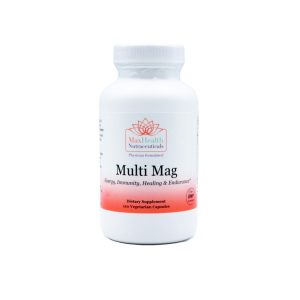
Multi Mag
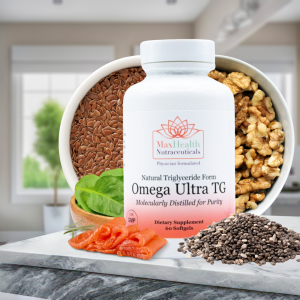
Omega Ultra TG

Vitamin D3 5000 IU + K2 CAPSULES 100s
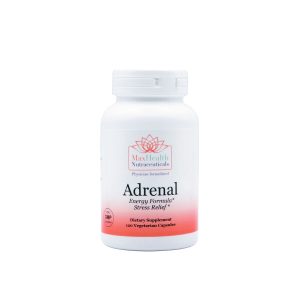
Adrenal (Energy & Stress) 120 Capsules
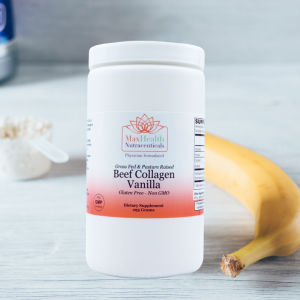
Beef Collagen Vanilla
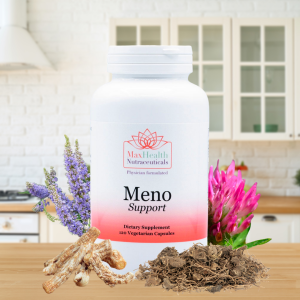
Meno Support 120s
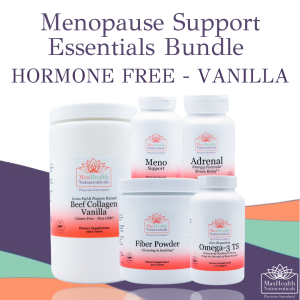
Menopause Support Essentials Bundle (Hormone Free) – Vanilla
Disclosure: This post contains affiliate links. If you purchase through these links, we may earn a small commission at no extra cost to you. Learn more.
About the Author
Dr. Nicolle is a double board-certified physician in Family Medicine and Preventive Medicine, with certifications in Functional Medicine and Lifestyle Medicine. She helps busy professionals over 40 optimize their health through root-cause approaches to cardiovascular, hormonal, and metabolic health.
Learn more about Dr. Nicolle →Explore Related Topics
Dive deeper into these connected health areas
Gut Health
Your gut is far more than a digestive organ — it's home to 70% of your immune system, produces key n…
Explore ❤️Metabolic Health
Metabolic health sits at the intersection of blood sugar regulation, cardiovascular function, body c…
Explore 💪Men's Health
Men's health involves a unique interplay of hormonal balance, cardiovascular resilience, metabolic e…
Explore 🧠Mental Health
Mental health is deeply interconnected with hormonal balance, gut health, blood sugar regulation, an…
Explore 📖Skin & Hair Health
Your skin and hair are windows into your internal health. Chronic acne, eczema, psoriasis, and hair …
ExploreReady to Address Your Health Concerns?
Book a Discovery Offer consultation to discuss how our functional medicine approach can help you achieve your health goals.
Book Your Discovery Offer