Insulin Resistance & Metabolic Syndrome: Root Causes

- 88% of American adults have some degree of insulin resistance — most don't know it
- Fasting insulin is the earliest marker but is almost never included on routine panels
- Insulin resistance can silently progress for 10-15 years before blood sugar tests catch it
- Lifestyle changes are 58% more effective than metformin at preventing diabetes progression
One of the most frustrating conversations I have with patients goes something like this: "My doctor says my blood sugar is fine." I pull up their labs. Fasting glucose: 96. HbA1c: 5.6. Technically within range. But their fasting insulin? 22. Their triglyceride-to-HDL ratio? 4.8. Their waist circumference has increased four inches in three years.
Their blood sugar isn't fine. Their body is just working overtime to keep it that way, and the system is starting to crack.
Insulin resistance affects an estimated 88% of American adults to some degree (1). Not 88% of diabetics. 88% of all adults. It may be the single most consequential metabolic dysfunction in modern medicine, and most standard lab panels never even test for it.
What Insulin Resistance Actually Is
Insulin is a storage hormone. When you eat, blood glucose rises, and the pancreas releases insulin to shuttle that glucose into cells for energy or storage. Insulin resistance occurs when cells, particularly in muscle, liver, and fat tissue, stop responding efficiently to insulin's signal.
The pancreas compensates by producing more insulin. For years, sometimes decades, this brute-force approach keeps blood sugar in the normal range. But the elevated insulin itself causes damage: it drives fat storage (especially visceral belly fat), increases inflammation, raises blood pressure, disrupts cholesterol particle profiles, and promotes cellular growth that can contribute to certain cancers (2).
By the time fasting glucose or HbA1c finally tips into the "prediabetic" range, the metabolic dysfunction has often been progressing for 10 to 15 years. That's why I test fasting insulin on virtually every patient who walks through my door.
Insulin resistance can be silently progressing for 10-15 years before standard blood sugar tests catch it. Fasting insulin is the earliest and most sensitive marker, yet it's almost never included on routine panels.
The Metabolic Syndrome Connection
Metabolic syndrome is the clinical cluster that forms around insulin resistance. The National Cholesterol Education Program defines it as meeting three or more of these criteria (3):
- Waist circumference greater than 40 inches in men or 35 inches in women
- Triglycerides 150 mg/dL or higher
- HDL cholesterol below 40 mg/dL in men or 50 mg/dL in women
- Blood pressure 130/85 mmHg or higher
- Fasting glucose 100 mg/dL or higher
Notice what's missing from that list: fasting insulin. You can meet zero of these criteria and still have significant insulin resistance brewing under the surface. That's why functional medicine testing goes deeper.
| Stage | Fasting Insulin | Fasting Glucose | HbA1c |
|---|---|---|---|
| Optimal Health | 2-5 µIU/mL | 70-85 mg/dL | 4.6-5.1% |
| Early Resistance | 6-15 µIU/mL | 85-95 mg/dL | 5.2-5.4% |
| Moderate Resistance | 15-30 µIU/mL | 95-110 mg/dL | 5.5-5.9% |
| Prediabetes | >30 µIU/mL | 100-125 mg/dL | 5.7-6.4% |
| Type 2 Diabetes | Variable (may drop) | >126 mg/dL | ≥6.5% |
Root Causes: Why Your Cells Stop Listening
Insulin resistance isn't random. It's a predictable response to specific metabolic stressors that accumulate over time.
Dietary Patterns
The standard American diet, built on refined carbohydrates, added sugars, and seed oils, creates a relentless demand for insulin output. A study in the *American Journal of Clinical Nutrition* found that high-glycemic diets increased insulin resistance markers by 30-40% within just four weeks compared to low-glycemic alternatives (4). Fructose, particularly from high-fructose corn syrup, is especially problematic because it's metabolized primarily in the liver and directly promotes hepatic insulin resistance and fatty liver disease (5).
Visceral Adiposity
Not all fat is metabolically equivalent. Visceral fat, the deep abdominal fat surrounding organs, functions as an active endocrine organ. It produces inflammatory cytokines (IL-6, TNF-alpha) and releases free fatty acids directly into the portal circulation, which impairs hepatic insulin signaling (6). This is why waist circumference often predicts metabolic risk more accurately than BMI.
Chronic Inflammation
Inflammation and insulin resistance feed each other in a vicious cycle. Inflammatory cytokines interfere with insulin receptor signaling (specifically the IRS-1 pathway), and hyperinsulinemia itself promotes more inflammation. Our deep dive on chronic inflammation as a hidden disease driver explores this mechanism in detail. Sources include gut dysfunction, chronic infections, environmental toxin exposure, and poorly managed stress.
Sleep Deprivation
Even modest sleep restriction wrecks insulin sensitivity. A study published in *Annals of Internal Medicine* showed that restricting healthy adults to 4.5 hours of sleep for four nights reduced insulin sensitivity by 16%, with adipocyte insulin sensitivity dropping by 30%, comparable to the difference between non-diabetic and diabetic adipose tissue (7). Quality sleep is not optional for metabolic health.
Sedentary Behavior
Skeletal muscle is the largest glucose disposal site in the body. When muscle is inactive, glucose uptake drops even in the presence of adequate insulin. A single bout of exercise increases muscle insulin sensitivity for 24-48 hours through GLUT4 transporter activation, which is why consistent movement is one of the most effective tools against insulin resistance (8).
A single exercise session improves insulin sensitivity for 24-48 hours. This means daily movement isn't just a long-term goal; each individual workout has immediate metabolic payoff.
The Downstream Damage: Why This Matters
Insulin resistance doesn't stay contained. It's the upstream driver of a cascading set of conditions.
Cardiovascular disease. Insulin resistance promotes atherogenic dyslipidemia (high triglycerides, low HDL, small dense LDL), endothelial dysfunction, and a pro-thrombotic state. The relationship is so strong that some researchers have argued insulin resistance, not LDL cholesterol, is the primary driver of coronary artery disease (9).
Type 2 diabetes. This is the most obvious downstream consequence, occurring when beta cells can no longer compensate for tissue resistance. By the time of diagnosis, beta cell function has typically declined by 50% or more (10).
Non-alcoholic fatty liver disease (NAFLD). Present in an estimated 30-40% of US adults, NAFLD is now the leading cause of chronic liver disease. Hepatic insulin resistance is both a cause and a consequence of fat accumulation in the liver (5).
PCOS in women. Insulin resistance is present in 70-80% of women with PCOS, driving androgen excess, ovulatory dysfunction, and many of the syndrome's most distressing symptoms.
Cognitive decline. The brain is insulin-sensitive, and cerebral insulin resistance is so strongly associated with Alzheimer's disease that some researchers have called it "type 3 diabetes" (11).
Hormonal disruption. Insulin resistance interferes with thyroid hormone conversion, suppresses sex hormone-binding globulin (raising free estrogen and testosterone inappropriately), and disrupts cortisol regulation.
Advanced Testing: Finding Insulin Resistance Early
Standard metabolic panels miss insulin resistance because they don't measure insulin. Here's what I order instead:
- Fasting insulin. Optimal is 2-6 μIU/mL. Most conventional labs list anything under 25 as "normal," but insulin above 8-10 indicates developing resistance
- HOMA-IR (Homeostatic Model Assessment). Calculated as (fasting glucose × fasting insulin) / 405. Optimal is under 1.0; above 2.0 suggests significant resistance
- Triglyceride-to-HDL ratio. This simple calculation from a standard lipid panel correlates strongly with insulin resistance. Optimal is under 2.0; above 3.0 is concerning
- Hemoglobin A1c. Reflects 90-day average blood sugar. Optimal is 4.8-5.2%, though it can be falsely reassuring in early insulin resistance when the pancreas is still compensating
- Oral glucose tolerance test with insulin. A 2-hour test measuring both glucose and insulin at 0, 1, and 2 hours. This is the gold standard for unmasking compensatory hyperinsulinemia
- Uric acid. Increasingly recognized as both a marker and driver of metabolic syndrome. Levels above 5.5 mg/dL in women and 6.0 mg/dL in men correlate with insulin resistance
- hs-CRP and inflammatory markers. Chronic low-grade inflammation is both a cause and consequence of insulin resistance
Reversing Insulin Resistance: A Functional Medicine Protocol
The encouraging news is that insulin resistance is highly responsive to lifestyle intervention. In fact, the landmark Diabetes Prevention Program trial demonstrated that intensive lifestyle modification was 58% more effective than metformin at preventing progression from prediabetes to diabetes (12). Here's the approach I use in our Cardiometabolic Rebalance Program.
Do not stop any prescribed medications without consulting your physician. Lifestyle changes can dramatically improve insulin sensitivity, but medication adjustments should always be guided by your provider and verified with lab testing.
Nutrition: Retrain Your Metabolism
The goal is to reduce insulin demand while improving cellular insulin sensitivity.
- Lower refined carbohydrate intake. This doesn't mean zero-carb. It means choosing high-fiber, low-glycemic carbohydrates (non-starchy vegetables, legumes, berries, intact whole grains) over processed flour products and added sugars
- Prioritize protein at every meal. Protein improves satiety, supports muscle mass (your biggest glucose sink), and has a minimal insulin impact compared to carbohydrates. Aim for 1.2-1.6 g/kg of body weight daily
- Include healthy fats. Olive oil, avocados, nuts, seeds, and fatty fish provide anti-inflammatory fatty acids and slow glucose absorption. The Mediterranean dietary pattern has consistently shown improvements in insulin sensitivity (13)
- Time-restricted eating. Confining food intake to a 10-12 hour window allows insulin to drop to baseline and activates cellular cleanup processes (autophagy). Our guide on intermittent fasting covers the benefits and risks in detail. This isn't extreme fasting; it's simply not eating from 8 PM to 8 AM
- Eliminate liquid sugar. Soda, juice, sweetened coffee drinks, and alcohol mixers deliver rapid glucose loads without fiber to blunt absorption. This is the single highest-yield dietary change for most people
Explore our meal plans for structured eating patterns designed to optimize metabolic health. And if brain fog is one of your primary symptoms, blood sugar dysregulation is almost certainly part of the picture.
Movement: Use Your Muscles
- Resistance training 3-4 times per week. Building and maintaining skeletal muscle is the most effective long-term strategy for improving insulin sensitivity. Muscle is metabolically active tissue that acts as a glucose sink
- Daily walking (7,000-10,000 steps). Low-intensity movement throughout the day improves glucose disposal without spiking cortisol
- Post-meal walks (10-15 minutes). Walking after meals has been shown to reduce postprandial glucose spikes by 30% or more (14)
- Avoid prolonged sitting. Standing or walking for 2-3 minutes every 30 minutes prevents the metabolic slowdown associated with sedentary behavior
Check out our fitness programs for structured plans that support metabolic health.
Sleep and Stress
- Prioritize 7-8 hours of quality sleep. Given the dramatic impact of sleep deprivation on insulin sensitivity, this is foundational to metabolic recovery
- Manage cortisol rhythms. Chronic stress elevates cortisol, which directly promotes gluconeogenesis (liver glucose production) and insulin resistance
- Morning sunlight exposure. Bright light within 30 minutes of waking helps calibrate circadian rhythms, which directly influence glucose metabolism
Targeted Supplementation
Based on individual functional lab testing, several supplements have evidence for improving insulin sensitivity:
- Berberine (500 mg 2-3x daily with meals). A meta-analysis in *Metabolism* found berberine as effective as metformin at reducing fasting glucose and HbA1c (15)
- Magnesium (300-400 mg glycinate or malate). Magnesium deficiency is both common and directly associated with insulin resistance
- Chromium (200-1000 mcg). Enhances insulin receptor activity and GLUT4 transporter expression
- Alpha-lipoic acid (300-600 mg). A potent antioxidant that improves mitochondrial function and insulin signaling
- Omega-3 fatty acids (2-3 g EPA/DHA). Reduce inflammation and improve adipocyte insulin sensitivity
What Recovery Looks Like
Patients who follow this protocol consistently typically see measurable changes within 8-12 weeks: fasting insulin drops, triglycerides normalize, waist circumference decreases, energy stabilizes, and the afternoon crashes disappear. By 6 months, many have completely normalized their HOMA-IR.
The key isn't perfection. It's consistency. Small, sustainable changes in how you eat, move, sleep, and manage stress can reverse years of metabolic dysfunction.
If your doctor has told you your blood sugar is "fine" but something still feels off, take our Wellness Quiz for a quick metabolic self-assessment, or book a Discovery Offer to get a full metabolic workup including fasting insulin and advanced lipid testing.
---
References
- Araújo J, Cai J, Stevens J. Prevalence of optimal metabolic health in American adults. Metabolic Syndrome and Related Disorders. 2019;17(1):46-52. https://doi.org/10.1089/met.2018.0105
- Orgel E, Mittelman SD. The links between insulin resistance, diabetes, and cancer. Current Diabetes Reports. 2013;13(2):213-222. https://doi.org/10.1007/s11892-012-0356-6
- Grundy SM, et al. Diagnosis and management of the metabolic syndrome. Circulation. 2005;112(17):2735-2752. https://doi.org/10.1161/CIRCULATIONAHA.105.169404
- Pereira MA, et al. Effects of a low-glycemic load diet on resting energy expenditure and heart disease risk factors. JAMA. 2004;292(20):2482-2490. https://doi.org/10.1001/jama.292.20.2482
- Stanhope KL, et al. Consuming fructose-sweetened, not glucose-sweetened, beverages increases visceral adiposity and lipids and decreases insulin sensitivity. J Clin Invest. 2009;119(5):1322-1334. https://doi.org/10.1172/JCI37385
- Fontana L, et al. Visceral fat adipokine secretion is associated with systemic inflammation in obese humans. Diabetes. 2007;56(4):1010-1013. https://doi.org/10.2337/db06-1656
- Broussard JL, et al. Impaired insulin signaling in human adipocytes after experimental sleep restriction. Annals of Internal Medicine. 2012;157(8):549-557. https://doi.org/10.7326/0003-4819-157-8-201210160-00005
- Richter EA, Hargreaves M. Exercise, GLUT4, and skeletal muscle glucose uptake. Physiological Reviews. 2013;93(3):993-1017. https://doi.org/10.1152/physrev.00038.2012
- Reaven GM. Insulin resistance: the link between obesity and cardiovascular disease. Medical Clinics of North America. 2011;95(5):875-892. https://doi.org/10.1016/j.mcna.2011.06.002
- UK Prospective Diabetes Study Group. UK Prospective Diabetes Study 16: overview of 6 years' therapy of type II diabetes. Diabetes. 1995;44(11):1249-1258. https://doi.org/10.2337/diab.44.11.1249
- de la Monte SM, Wands JR. Alzheimer's disease is type 3 diabetes: evidence reviewed. J Diabetes Sci Technol. 2008;2(6):1101-1113. https://doi.org/10.1177/193229680800200619
- Knowler WC, et al. Reduction in the incidence of type 2 diabetes with lifestyle intervention or metformin. N Engl J Med. 2002;346(6):393-403. https://doi.org/10.1056/NEJMoa012512
- Esposito K, et al. Effects of a Mediterranean-style diet on the need for antihyperglycemic drug therapy. Annals of Internal Medicine. 2009;151(5):306-314. https://doi.org/10.7326/0003-4819-151-5-200909010-00004
- Buffey AJ, et al. The acute effects of interrupting prolonged sitting time in adults with standing and light-intensity walking on biomarkers of cardiometabolic health. Sports Medicine. 2022;52(8):1765-1787. https://doi.org/10.1007/s40279-022-01649-4
- Lan J, et al. Meta-analysis of the effect and safety of berberine in the treatment of type 2 diabetes mellitus, hyperlipemia and hypertension. J Ethnopharmacol. 2015;161:69-81. https://doi.org/10.1016/j.jep.2014.09.049
Supplements for Heart Health
Clinical-grade picks for this topic
Affiliate disclosure: The product links below are affiliate links — we may earn a commission at no extra cost to you. Recommendations are based on clinical use, not commissions. Learn more.
Frequently Asked Questions
Common questions about insulin resistance & metabolic syndrome: root causes
Recommended Supplements
Professional-grade supplements from my MaxHealth Nutraceuticals line — the same formulas I use in clinical practice.

RESPeRATE Deluxe Duo

Austin Air HealthMate Plus®

Berberine Herbal Complex 90s
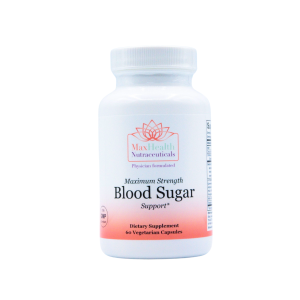
Blood Sugar Support 90s
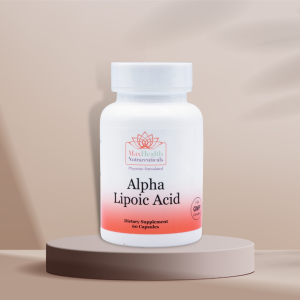
Alpha Lipoic Acid (Clinical Strength)

Multi Mag

Omega Ultra TG
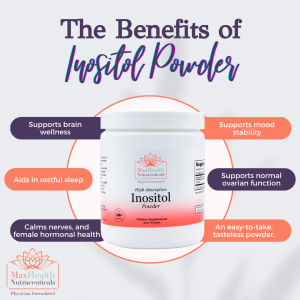
Inositol Powder 250 Grams
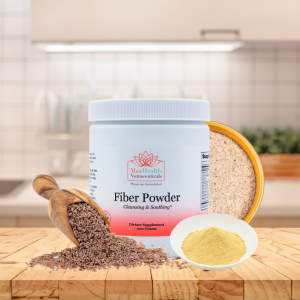
Fiber Powder 200 Grams

Blood Sugar Support Bundle
Disclosure: This post contains affiliate links. If you purchase through these links, we may earn a small commission at no extra cost to you. Learn more.
About the Author
Dr. Nicolle is a double board-certified physician in Family Medicine and Preventive Medicine, with certifications in Functional Medicine and Lifestyle Medicine. She helps busy professionals over 40 optimize their health through root-cause approaches to cardiovascular, hormonal, and metabolic health.
Learn more about Dr. Nicolle →Explore Related Topics
Dive deeper into these connected health areas
Hormone Health
Hormones are the chemical messengers that regulate virtually every process in your body — from metab…
Explore 🦠Gut Health
Your gut is far more than a digestive organ — it's home to 70% of your immune system, produces key n…
Explore 🌸Women's Health
Women's health encompasses a complex interplay of hormonal cycles, reproductive biology, and unique …
Explore 🧠Mental Health
Mental health is deeply interconnected with hormonal balance, gut health, blood sugar regulation, an…
Explore 📖Skin & Hair Health
Your skin and hair are windows into your internal health. Chronic acne, eczema, psoriasis, and hair …
ExploreReady to Address Your Health Concerns?
Book a Discovery Offer consultation to discuss how our functional medicine approach can help you achieve your health goals.
Book Your Discovery Offer