The Mouth-Heart Connection: Oral Health & Heart Disease

- Periodontal disease increases cardiovascular disease risk by 24-35% — comparable to moderate hypertension as a risk factor
- Oral bacteria (especially P. gingivalis) have been found inside arterial plaques, directly driving atherosclerosis through five distinct pathways
- The oral and gut microbiomes are interconnected — swallowed oral pathogens disrupt gut health, creating a vicious inflammatory cycle
- CoQ10, omega-3s, vitamin D, and oral probiotics support both gum tissue healing and cardiovascular protection simultaneously
- If inflammatory markers like hs-CRP remain elevated despite standard interventions, periodontal disease may be the hidden driver
A 54-year-old financial advisor came in for his annual cardiovascular risk assessment last fall. His LDL was managed, his blood pressure was controlled, he exercised four times a week, and he'd quit smoking a decade ago. By every conventional metric, he was doing everything right. But his hs-CRP was stubbornly elevated at 4.2 mg/L — over twice the upper threshold for cardiovascular risk. We'd tried anti-inflammatory diets, omega-3 supplementation, even a statin dose increase. Nothing moved the needle.
"When did you last see a dentist?" I asked. He paused. "Maybe... three years ago?" A referral to a periodontist confirmed what I suspected: moderate-to-severe periodontal disease with 5-6mm pocketing and bleeding on probing. After six months of periodontal treatment — deep cleaning, improved home care, and targeted nutritional support — his hs-CRP dropped to 1.1. No medication changes. Just treating his gums.
This is the conversation almost nobody is having in cardiology offices: your mouth is a window into your cardiovascular system, and the bacteria hiding below your gumline may be doing more damage to your arteries than the bacon you ate for breakfast.
The Oral Microbiome: A Ecosystem Most Doctors Ignore
Your mouth harbors over 700 species of bacteria, making it the second most diverse microbial ecosystem in your body after the gut (1). In a healthy mouth, these organisms exist in a balanced biofilm — a structured community that actually protects mucosal surfaces and supports immune function.
Problems begin when this ecosystem shifts toward pathogenic dominance, a process called dysbiosis. The same concept applies to gut microbiome disruption, but oral dysbiosis has a unique and direct cardiovascular consequence that most clinicians underappreciate.
The key periodontal pathogens — *Porphyromonas gingivalis*, *Tannerella forsythia*, *Treponema denticola*, and *Aggregatibacter actinomycetemcomitans* — don't just cause gum disease. They enter the bloodstream through inflamed, bleeding gum tissue during routine activities like chewing, brushing, and flossing. This is called bacteremia, and in someone with periodontal disease, it happens multiple times daily (2).
Here's what most people don't realize: the total surface area of periodontal pocket epithelium in someone with moderate gum disease is estimated at 8-20 cm² — roughly the size of the palm of your hand. That's an open wound in your mouth, exposed to hundreds of bacterial species, 24 hours a day. Would you leave a wound that size on your arm untreated for years?
How Gum Disease Drives Heart Disease: The Five Pathways
The relationship between periodontal disease and cardiovascular disease isn't just correlational. Multiple mechanistic pathways explain the connection, and the evidence has become strong enough that the American Heart Association issued a scientific statement acknowledging the association (3).
1. Direct Bacterial Invasion of Arterial Walls
*P. gingivalis* DNA has been found in atherosclerotic plaques — the fatty deposits that narrow and harden arteries. This isn't a coincidence. These bacteria actively invade endothelial cells (the cells lining your blood vessels), triggering local inflammation and promoting plaque formation. A 2019 study found *P. gingivalis* in 100% of coronary artery plaque samples from patients undergoing bypass surgery (4).
The bacterium produces enzymes called gingipains that degrade protective proteins, manipulate immune responses, and help it evade destruction. Essentially, *P. gingivalis* is an intracellular parasite that has evolved sophisticated strategies to survive inside human cells — including arterial wall cells.
2. Systemic Inflammatory Cascade
Chronic periodontal disease maintains a state of low-grade systemic inflammation — the same type that drives atherosclerosis, insulin resistance, and metabolic dysfunction. The inflamed periodontal tissues continuously release pro-inflammatory cytokines (IL-1β, IL-6, TNF-α) and acute-phase proteins into the bloodstream (5).
This is why my patient's hs-CRP was elevated despite doing "everything right." His gums were functioning as a continuous inflammatory generator, pumping cytokines into his circulation that conventional bloodwork couldn't trace back to their source.
| Marker | Role in CVD | Impact of Periodontal Disease |
|---|---|---|
| hs-CRP | Systemic inflammation marker | Elevated 2-3x in periodontitis patients |
| IL-6 | Drives hepatic CRP production | Significantly elevated in gingival crevicular fluid |
| Fibrinogen | Clotting factor, plaque stability | Elevated, increasing thrombotic risk |
| TNF-α | Endothelial dysfunction | Chronically elevated from gum inflammation |
| Lp-PLA2 | Vascular-specific inflammation | May be elevated, indicating arterial wall inflammation |
3. Endothelial Dysfunction
The endothelium — the single-cell layer lining every blood vessel — is the gatekeeper of cardiovascular health. When it's functioning properly, it produces nitric oxide (NO), which dilates blood vessels, prevents clotting, and inhibits plaque formation. Periodontal bacteria and their inflammatory byproducts damage endothelial function, reducing NO availability and tipping the balance toward vasoconstriction, clotting, and atherosclerosis (6).
Multiple studies have shown that periodontal treatment improves endothelial function, measured by flow-mediated dilation, within weeks to months. This is direct evidence of a causal — not just correlational — relationship.
4. Oxidative Stress Amplification
Periodontal disease generates substantial reactive oxygen species (ROS) at the site of infection. These free radicals don't stay local — they enter the bloodstream and oxidize LDL cholesterol. Oxidized LDL is significantly more atherogenic than native LDL. It's taken up by macrophages to form foam cells, which are the building blocks of arterial plaques (7).
This mechanism explains something that puzzles many patients: "My LDL is only slightly elevated, so why do I have plaque?" Because LDL particle count is only part of the story. If those particles are being oxidized by inflammatory processes — including oral inflammation — even modest LDL levels can drive significant atherosclerosis.
5. Platelet Activation and Thrombotic Risk
*P. gingivalis* and other periodontal pathogens directly activate platelets, promoting blood clot formation. This is particularly dangerous in patients who already have narrowed arteries — a clot forming on a vulnerable plaque is the mechanism behind most heart attacks and strokes. Studies show that periodontal bacteria can induce platelet aggregation in vitro within minutes of exposure (8).
The Numbers: What the Research Actually Shows
Let me lay out the epidemiological data, because the magnitude of risk is larger than most people expect:
- Periodontal disease increases the risk of coronary heart disease by 24-35% after adjusting for traditional risk factors like smoking, diabetes, and cholesterol (9)
- Tooth loss (a consequence of severe periodontal disease) is independently associated with a 28% increased risk of cardiovascular events (10)
- Each millimeter of clinical attachment loss (a measure of gum disease severity) is associated with a measurable increase in carotid artery intima-media thickness — a direct marker of atherosclerosis (11)
- Patients with periodontitis have a 2-3x higher risk of stroke, particularly ischemic stroke (9)
- Periodontal treatment reduces cardiovascular events: a large-scale study of over 10,000 patients showed that those who received periodontal treatment had significantly lower rates of cardiovascular hospitalization (12)
Periodontal disease isn't just a dental problem — it's an independent cardiovascular risk factor with a magnitude comparable to moderate hypertension or mild hyperlipidemia. Yet it's rarely addressed in cardiac risk assessments.
The Gut-Mouth Axis: A Two-Way Street
Here's where it gets even more interesting. Your oral microbiome and gut microbiome are in constant communication. You swallow approximately 1.5 liters of saliva daily, delivering oral bacteria directly to your gut. In people with periodontal disease, pathogenic oral bacteria — particularly *P. gingivalis* — colonize the gut and contribute to intestinal inflammation and leaky gut (13).
This creates a vicious cycle:
1. Oral dysbiosis → periodontal pathogens swallowed → gut dysbiosis
2. Gut dysbiosis → intestinal permeability → systemic inflammation
3. Systemic inflammation → impaired immune regulation → worsened oral dysbiosis
4. Both oral and gut inflammation → amplified cardiovascular risk
This is why I address oral health as part of my gut health protocols, and gut health as part of my cardiovascular prevention protocols. They're not separate systems — they're interconnected ecosystems that either support or undermine each other.
The Functional Medicine Oral Health Protocol
Here's the approach I use with patients who have both periodontal disease and elevated cardiovascular risk. It addresses the mouth, the gut, and the systemic inflammatory burden simultaneously.
Phase 1: Assess and Treat Active Periodontal Disease (Weeks 1-4)
Professional dental care is non-negotiable. No supplement or mouthwash replaces proper periodontal treatment. If you haven't seen a dentist in over a year — or if you have bleeding gums, persistent bad breath, or receding gumlines — get a comprehensive periodontal evaluation.
Beyond conventional dental care, optimize your home routine:
- Electric toothbrush (sonic or oscillating) — proven superior to manual brushing for plaque removal and gum health
- Interdental cleaning daily — floss, interdental brushes, or a water flosser. The method matters less than consistency
- Tongue scraping — reduces bacterial load and volatile sulfur compounds
- Hydroxyapatite toothpaste — remineralizes enamel without fluoride controversy, supported by clinical evidence
Phase 2: Nutritional Foundation (Ongoing)
Specific nutrients directly support periodontal tissue healing and reduce oral inflammation:
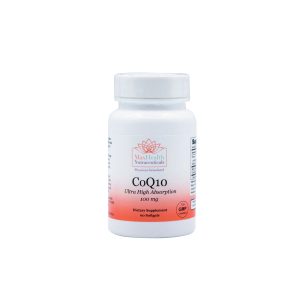
Coenzyme Q10 (CoQ10): Gum tissue in periodontal disease patients is consistently deficient in CoQ10. Supplementation (100-200mg daily) has been shown to reduce pocket depth, bleeding, and inflammation. CoQ10 is also independently beneficial for heart health — a double win (14).
Omega-3 fatty acids: EPA and DHA reduce gingival inflammation through specialized pro-resolving mediators (SPMs). The same anti-inflammatory mechanisms that protect arterial walls protect gum tissue. Target 2-3g combined EPA/DHA daily.
Vitamin D: Deficiency is strongly associated with both periodontal disease and cardiovascular disease. Vitamin D modulates immune function and reduces inflammatory cytokine production. Most of my patients need 5,000 IU daily to maintain optimal levels (40-60 ng/mL).
Vitamin C: Essential for collagen synthesis — and your gums are collagen-rich tissue. Deficiency literally causes gum disease (scurvy). Even subclinical deficiency impairs tissue repair. I recommend 1,000-2,000mg daily from a buffered source.
Probiotics: Specific oral probiotic strains (*L. reuteri*, *L. salivarius*, *S. salivarius K12*) can shift the oral microbiome toward health, reducing pathogenic bacteria, bad breath, and gingival inflammation. Oral probiotics are dissolved in the mouth (not swallowed) for local colonization.
Phase 3: Address Systemic Drivers (Weeks 2-8)
Several systemic conditions accelerate both periodontal disease and cardiovascular disease. Address them simultaneously:
Blood sugar control: Diabetes and periodontal disease have a bidirectional relationship — each worsens the other. Elevated blood glucose feeds pathogenic oral bacteria and impairs immune function in gum tissue. Optimizing insulin sensitivity is essential.
Stress management: Chronic stress elevates cortisol, which suppresses immune function in mucosal tissues (including gums) and increases inflammatory markers. Patients who are chronically stressed have worse periodontal outcomes regardless of hygiene habits.
Smoking cessation: Tobacco is the single most destructive factor for periodontal health. It impairs blood flow to gum tissue, suppresses immune responses, and masks disease severity (smokers bleed less because of vasoconstriction, so disease often appears less severe than it is).
Nitric oxide support: Mouthwash containing chlorhexidine and alcohol-based rinses kill the beneficial bacteria on your tongue that produce nitric oxide — a molecule critical for blood pressure regulation and cardiovascular health. Consider switching to a microbiome-friendly oral rinse.
Here's an irony most people miss: antiseptic mouthwash, used daily by millions to "improve oral health," actually kills the beneficial nitrate-reducing bacteria on the tongue. Studies show that regular antiseptic mouthwash use is associated with increased blood pressure and, in one large study, a 55% increased risk of prediabetes. Sometimes the "hygiene" product is the problem.
Monitoring: The Tests Your Doctor Should Order
If you have periodontal disease and cardiovascular risk, these labs help track your progress:
| Test | What It Measures | Optimal Range |
|---|---|---|
| hs-CRP | Systemic inflammation | <1.0 mg/L |
| Fibrinogen | Clotting and inflammation | 200-300 mg/dL |
| NMR LipoProfile | LDL particle count + size | LDL-P <1000 nmol/L |
| Lp-PLA2 | Arterial wall inflammation | <200 ng/mL |
| Vitamin D, 25-OH | Immune and periodontal health | 40-60 ng/mL |
| Fasting insulin | Metabolic health | <7 µIU/mL |
| HbA1c | Blood sugar control | <5.5% |
The Case for Including Dental Health in Cardiac Risk Assessment
I want to make something clear: I'm not suggesting that brushing your teeth prevents heart attacks. The relationship is more nuanced than that. What I am saying is that undiagnosed and untreated periodontal disease is a modifiable cardiovascular risk factor that is almost completely ignored in standard cardiac risk assessments.
Think about it. We routinely check cholesterol, blood pressure, blood sugar, family history, smoking status, BMI, and exercise habits. We calculate Framingham risk scores and recommend coronary calcium scoring. But we almost never ask: "When did you last have a periodontal evaluation? Do your gums bleed when you floss?"
That 54-year-old financial advisor? His cardiologist had been adjusting medications for two years trying to lower his CRP. Nobody thought to look in his mouth. Once we treated the periodontal disease and supported healing with CoQ10, omega-3s, and vitamin D, his inflammation resolved — and his last coronary calcium score showed zero progression.
The mouth isn't separate from the body. It's the beginning of it.
The Bottom Line
The connection between oral health and heart disease is supported by decades of epidemiological data, mechanistic studies, and clinical interventions. Periodontal disease drives cardiovascular risk through at least five pathways: direct bacterial invasion, systemic inflammation, endothelial dysfunction, oxidative stress, and platelet activation. Yet most cardiovascular risk assessments completely ignore oral health.
A comprehensive approach to heart disease prevention must include periodontal evaluation and treatment. The same nutrients that support cardiovascular health — CoQ10, omega-3s, vitamin D, and vitamin C — directly support gum tissue healing. And addressing gut health, blood sugar balance, and chronic inflammation benefits both systems simultaneously.
If you're doing everything right for your heart but your inflammatory markers won't budge, it might be time to open your mouth and look.
References
- Dewhirst FE, et al. The human oral microbiome. Journal of Bacteriology. 2010;192(19):5002-5017. https://doi.org/10.1128/JB.00542-10
- Forner L, et al. Incidence of bacteremia after chewing, tooth brushing and scaling in individuals with periodontal inflammation. Journal of Clinical Periodontology. 2006;33(6):401-407. https://doi.org/10.1111/j.1600-051X.2006.00924.x
- Lockhart PB, et al. Periodontal disease and atherosclerotic vascular disease: does the evidence support an independent association? Circulation. 2012;125(20):2520-2544. https://doi.org/10.1161/CIR.0b013e31825719f3
- Mahendra J, et al. Detection of Porphyromonas gingivalis DNA in atherosclerotic plaques. Journal of Periodontology. 2019;90(6):592-599. https://doi.org/10.1002/JPER.18-0316
- Loos BG, et al. Systemic markers of inflammation in periodontitis. Journal of Periodontology. 2005;76(11 Suppl):2106-2115. https://doi.org/10.1902/jop.2005.76.11-S.2106
- Tonetti MS, et al. Treatment of periodontitis and endothelial function. New England Journal of Medicine. 2007;356(9):911-920. https://doi.org/10.1056/NEJMoa063186
- Tamaki N, et al. Oxidative stress and periodontal disease in cardiovascular disorders. Free Radical Biology and Medicine. 2014;72:76-84. https://doi.org/10.1016/j.freeradbiomed.2014.04.001
- Li X, et al. Systemic diseases caused by oral infection. Clinical Microbiology Reviews. 2000;13(4):547-558. https://doi.org/10.1128/CMR.13.4.547
- Humphrey LL, et al. Periodontal disease and coronary heart disease incidence: a systematic review and meta-analysis. Journal of General Internal Medicine. 2008;23(12):2079-2086. https://doi.org/10.1007/s11606-008-0787-6
- Holmlund A, et al. Number of teeth as a predictor of cardiovascular mortality in a cohort of 7,674 subjects followed for 12 years. Journal of Periodontology. 2010;81(6):870-876. https://doi.org/10.1902/jop.2010.090680
- Beck JD, et al. Periodontal disease and cardiovascular disease. Journal of Periodontology. 1996;67(10 Suppl):1123-1137. https://doi.org/10.1902/jop.1996.67.10s.1123
- Chen DY, et al. Impact of periodontal treatment on cardiovascular risk. Journal of Clinical Periodontology. 2018;45(9):1048-1057. https://doi.org/10.1111/jcpe.12983
- Arimatsu K, et al. Oral pathobiont induces systemic inflammation and metabolic changes. Mucosal Immunology. 2014;7(6):1299-1309. https://doi.org/10.1038/mi.2014.10
- Chatterjee A, et al. Coenzyme Q10 as an adjunct in the treatment of chronic periodontitis. Journal of Indian Society of Periodontology. 2012;16(4):539-542. https://doi.org/10.4103/0972-124X.106903
Supplements for Heart Health
Clinical-grade picks for this topic
Affiliate disclosure: The product links below are affiliate links — we may earn a commission at no extra cost to you. Recommendations are based on clinical use, not commissions. Learn more.
Frequently Asked Questions
Common questions about the mouth-heart connection: oral health & heart disease
Recommended Supplements
Professional-grade supplements from my MaxHealth Nutraceuticals line — the same formulas I use in clinical practice.

Oral Health Bundle

RESPeRATE Deluxe Duo

Inner Balance™ Coherence Plus
CoQ10

Omega Ultra TG

Vitamin D3 5000 IU + K2 CAPSULES 100s

Liposomal Vitamin C

Probiotic 40 Billion CFU – 60s (shelf stable)
NAC 90s

Glutathione Cream 50mg 3oz

Multi Mag

Healthy Heart Bundle

Inflammation Buster Bundle
Disclosure: This post contains affiliate links. If you purchase through these links, we may earn a small commission at no extra cost to you. Learn more.
About the Author
Dr. Nicolle is a double board-certified physician in Family Medicine and Preventive Medicine, with certifications in Functional Medicine and Lifestyle Medicine. She helps busy professionals over 40 optimize their health through root-cause approaches to cardiovascular, hormonal, and metabolic health.
Learn more about Dr. Nicolle →Explore Related Topics
Dive deeper into these connected health areas
Hormone Health
Hormones are the chemical messengers that regulate virtually every process in your body — from metab…
Explore 🦠Gut Health
Your gut is far more than a digestive organ — it's home to 70% of your immune system, produces key n…
Explore 🌸Women's Health
Women's health encompasses a complex interplay of hormonal cycles, reproductive biology, and unique …
Explore 🧠Mental Health
Mental health is deeply interconnected with hormonal balance, gut health, blood sugar regulation, an…
Explore 📖Skin & Hair Health
Your skin and hair are windows into your internal health. Chronic acne, eczema, psoriasis, and hair …
ExploreReady to Address Your Health Concerns?
Book a Discovery Offer consultation to discuss how our functional medicine approach can help you achieve your health goals.
Book Your Discovery Offer