Gut Microbiome & Probiotics: A Digestive Wellness Guide

- Microbiome diversity matters more than any single probiotic strain — diet is the biggest lever
- Most over-the-counter probiotics lack strain-specific research for the conditions they claim to treat
- Fermented foods (kimchi, sauerkraut, yogurt) increase microbiome diversity more than supplements
- Prebiotics (fiber that feeds good bacteria) are often more impactful than probiotics alone
A patient came to me after spending over $200 a month on probiotics she'd found through Instagram ads. She was taking three different products with impressive-sounding strain counts, yet her bloating was worse than ever. "I thought probiotics were supposed to help," she said. They can. But the supplement industry has reduced a remarkably complex ecosystem to a simple "take this pill" solution, and that oversimplification fails most people.
Your gut microbiome, the trillions of bacteria, fungi, viruses, and other microorganisms living in your digestive tract, is arguably the most important organ system that most doctors barely discuss. It influences digestion, immunity, hormone metabolism, neurotransmitter production, weight regulation, and even your mood. Getting it right changes everything. Getting it wrong, even with well-intentioned supplement use, can make things worse.
What Is the Gut Microbiome?
The human gut harbors approximately 38 trillion microorganisms, roughly equal to the number of human cells in the body (1). These organisms collectively contain 150 times more genes than the human genome, providing metabolic capabilities our own cells lack. The composition of this microbial community is unique to each individual, shaped by birth method, early feeding, antibiotic exposure, diet, stress, environment, and genetics.
A healthy microbiome is characterized by diversity (many different species), stability (resilience to disruption), and functional balance (the right proportions of beneficial, neutral, and potentially harmful organisms). When this balance is disrupted, a state called dysbiosis, the downstream effects can manifest throughout the body.
Not all probiotics are created equal. Strain-specific effects matter enormously. A generic "10 billion CFU" probiotic can worsen SIBO, histamine intolerance, or bloating if it contains the wrong strains for your condition. Work with a provider who understands which strains to use — and when.
What Your Microbiome Actually Does
Nutrient production and absorption. Gut bacteria produce essential vitamins including K2, B12, folate, and biotin. They ferment dietary fiber into short-chain fatty acids (SCFAs), particularly butyrate, propionate, and acetate, which serve as fuel for colonocytes, regulate inflammation, and influence metabolic health. Impaired microbial function can contribute to micronutrient deficiencies even when dietary intake seems adequate.
Immune system regulation. Approximately 70% of the immune system resides in the gut-associated lymphoid tissue (GALT). The microbiome continuously trains the immune system to distinguish between harmless substances and genuine threats. Dysbiosis is implicated in both overactive immunity (autoimmunity, allergies) and underactive immunity (frequent infections). This connection is central to conditions like leaky gut and autoimmunity.
Hormone metabolism. The "estrobolome," a subset of gut bacteria, produces beta-glucuronidase, an enzyme that influences estrogen recirculation. Dysbiosis can increase beta-glucuronidase activity, leading to estrogen dominance by reactivating estrogen that the liver had already conjugated for excretion. The microbiome also influences thyroid hormone conversion and cortisol metabolism.
Neurotransmitter production. The gut produces approximately 95% of the body's serotonin and significant amounts of GABA, dopamine, and norepinephrine. The vagus nerve provides a direct communication highway between the gut and brain, a relationship known as the gut-brain axis. Microbial imbalances are increasingly linked to anxiety, depression, and brain fog.
Metabolic regulation. Specific bacterial populations influence insulin sensitivity, fat storage, and energy harvest from food. Research shows that the gut microbiome of obese individuals differs significantly from that of lean individuals, and transplanting "obese" microbiota into germ-free mice causes weight gain (2). This has direct implications for weight loss resistance and insulin resistance.
Common Causes of Microbiome Disruption
Understanding what damages the microbiome is essential for restoring it.
Antibiotics are the most potent disruptors. A single course can reduce microbial diversity by 30-50%, and some species may take months or even years to recover, if they recover at all (3). While sometimes medically necessary, antibiotics are overprescribed, and their long-term microbiome consequences are underappreciated.
Diet is the single largest modifiable factor in microbiome composition. The Standard American Diet, high in processed foods, refined sugars, and low in fiber, starves beneficial bacteria and feeds pathogenic species. Fiber is the primary fuel for beneficial gut bacteria, and most Americans consume only 15 g/day, well below the 25-35 g recommended.
Chronic stress alters gut motility, reduces secretory IgA (a key mucosal immune defense), increases intestinal permeability, and shifts microbial composition toward pro-inflammatory species. Chronic cortisol elevation is directly toxic to beneficial bacteria.
Environmental toxins including pesticides (glyphosate has antibiotic properties that disrupt gut flora), food additives (emulsifiers, artificial sweeteners), chlorinated water, and heavy metals all negatively impact microbial balance.
Chronic infections including SIBO (small intestinal bacterial overgrowth), Candida overgrowth, and parasitic infections alter the microbial landscape and create symptoms that overlap significantly with general dysbiosis.
Medications beyond antibiotics, including proton pump inhibitors (PPIs), NSAIDs, oral contraceptives, and metformin, all have documented effects on microbiome composition.
Probiotics: What Works and What Doesn't
The probiotic supplement industry generates over $60 billion annually, but the science is far more nuanced than the marketing suggests. Here's what you need to know.
Strain Specificity Matters
Probiotics work at the strain level, not the species level. *Lactobacillus rhamnosus* GG has very different clinical effects than *Lactobacillus rhamnosus* HN001. A product labeled simply "Lactobacillus rhamnosus" without a specific strain designation hasn't been studied for any specific clinical outcome. Look for products that identify strains and cite clinical research.
| Strain | Best For | Mechanism |
|---|---|---|
| Saccharomyces boulardii | Antibiotic diarrhea, Candida, H. pylori | Yeast that competes with pathogens |
| L. rhamnosus GG | Immune support, eczema, diarrhea | Strengthens gut barrier, modulates immunity |
| B. infantis 35624 | IBS (bloating, pain, gas) | Reduces visceral hypersensitivity |
| L. plantarum 299v | IBS, bloating, iron absorption | Reduces gas production |
| Akkermansia muciniphila | Metabolic health, insulin resistance | Strengthens mucus layer |
Evidence-Based Strains for Specific Conditions
For IBS symptoms: *Bifidobacterium infantis* 35624 (Align) and *Lactobacillus plantarum* 299v (both studied in randomized controlled trials for IBS symptom reduction) (4).
For antibiotic-associated diarrhea: *Saccharomyces boulardii* (a beneficial yeast resistant to antibiotics) and *Lactobacillus rhamnosus* GG are the most evidence-supported choices.
For immune support: *Lactobacillus rhamnosus* GG, *Lactobacillus paracasei* Lpc-37, and *Bifidobacterium animalis* ssp. lactis BB-12 have demonstrated immune-modulating effects.
For mood and anxiety: *Lactobacillus helveticus* R0052 and *Bifidobacterium longum* R0175 (studied together as "psychobiotics") showed reduced cortisol and improved mood scores in clinical trials (5).
For metabolic health: *Akkermansia muciniphila* is emerging as a key species for metabolic function, associated with improved insulin sensitivity and reduced inflammation.
When Probiotics Can Backfire
Here's what that Instagram ad won't tell you: probiotics can worsen symptoms in certain situations. If you have SIBO, adding more bacteria (even "good" ones) to an already overgrown small intestine can increase bloating, gas, and discomfort. Histamine-producing strains (certain Lactobacillus species) can worsen symptoms in individuals with histamine intolerance. High-dose, multi-strain products without clinical rationale may cause more dysbiosis, not less.
This is why my patient spending $200 a month on random probiotics was getting worse. She had undiagnosed SIBO, and the probiotics were feeding the overgrowth.
Beyond Probiotics: The Complete Microbiome Strategy
Prebiotics: Feeding Your Good Bacteria
Prebiotics are non-digestible fibers that selectively feed beneficial bacteria. They're arguably more important than probiotics for long-term microbiome health because they support the growth of bacteria already adapted to your individual ecosystem.
Key prebiotic foods include garlic, onions, and leeks (fructooligosaccharides), asparagus and Jerusalem artichokes (inulin), bananas (especially slightly green, which contain resistant starch), oats and barley (beta-glucan), apples (pectin), and flaxseeds (mucilage and lignans, which also support estrogen metabolism).
If you're not accustomed to high-fiber foods, increase gradually. A sudden spike in prebiotic intake can cause significant bloating and gas as your microbiome adjusts.
Fermented Foods: Nature's Probiotics
Fermented foods provide live cultures in a food matrix that supports bacterial survival through the digestive tract. Research from Stanford's Christopher Gardner Lab showed that a high-fermented-food diet increased microbial diversity and decreased inflammatory markers more effectively than a high-fiber diet alone (6).
Include a variety of fermented foods: plain yogurt or kefir (with live cultures), sauerkraut and kimchi (unpasteurized, from the refrigerated section), miso and tempeh, kombucha (watch the sugar content), and traditionally fermented pickles (in brine, not vinegar).
Polyphenol-Rich Foods
Polyphenols from colorful plant foods act as prebiotics, selectively promoting beneficial bacteria while inhibiting pathogens. Sources include berries (especially blueberries and blackberries), green tea, dark chocolate (70%+), extra-virgin olive oil, turmeric, and pomegranate. An anti-inflammatory diet naturally provides abundant polyphenols.
Lifestyle Factors
Stress management is critical for microbiome health. Chronic stress directly alters microbial composition and weakens the gut barrier. Mind-body practices like meditation, yoga, and breathwork support the gut-brain axis.
Sleep quality influences microbial diversity. Sleep disruption reduces beneficial Lactobacillus and Bifidobacterium populations and increases inflammatory species.
Physical activity is associated with greater microbial diversity, independent of diet. Our fitness programs support both physical fitness and microbiome health.
Time outdoors and exposure to diverse microbial environments (soil, animals, nature) enriches the microbiome in ways that indoor, sanitized environments cannot.
Testing Your Microbiome
Functional stool testing provides actionable insights into your gut ecosystem. A comprehensive panel should assess microbial diversity and composition (which species are present and in what proportions), markers of inflammation (calprotectin, lactoferrin), digestive function (pancreatic elastase, fat absorption markers), immune markers (secretory IgA), and pathogen screening (parasites, opportunistic bacteria, yeast overgrowth).
Direct-to-consumer microbiome tests (16S rRNA sequencing) can provide interesting data on microbial composition but often lack the clinical context and functional markers that make results actionable. Working with a practitioner who can interpret results in the context of your symptoms and history is essential.
Healing the Gut: The 5R Framework
In functional medicine, we use the 5R protocol as a systematic approach to gut restoration.
Remove offending agents: food sensitivities, infections (SIBO, parasites, Candida), medications that disrupt the microbiome, and environmental toxins.
Replace what's missing: digestive enzymes if testing shows pancreatic insufficiency, hydrochloric acid if stomach acid is low, and bile acids if fat digestion is impaired.
Reinoculate with beneficial organisms: targeted probiotics based on testing results, diverse prebiotic fibers, and fermented foods.
Repair the gut lining: L-glutamine (the primary fuel for enterocytes), zinc carnosine, collagen peptides, aloe vera, and omega-3 fatty acids all support mucosal healing.
Rebalance lifestyle factors: stress management, sleep optimization, regular movement, and an anti-inflammatory diet rich in fiber, polyphenols, and fermented foods.
Your Next Step
Your gut microbiome is not a problem to be solved with a single supplement. It's an ecosystem to be cultivated through thoughtful nutrition, lifestyle practices, and when necessary, targeted therapeutic interventions guided by testing.
If you're experiencing persistent digestive symptoms, unexplained fatigue, mood changes, or autoimmune issues, the gut is always worth investigating. Take our Wellness Quiz to identify your biggest health priorities, or book a Discovery Offer to discuss whether comprehensive gut testing is right for you.
---
References
- Sender, R., Fuchs, S., & Milo, R. (2016). Revised estimates for the number of human and bacteria cells in the body. Cell, 164(3), 337-340.
- Turnbaugh, P.J., Ley, R.E., Mahowald, M.A., et al. (2006). An obesity-associated gut microbiome with increased capacity for energy harvest. Nature, 444(7122), 1027-1031.
- Dethlefsen, L., & Relman, D.A. (2011). Incomplete recovery and individualized responses of the human distal gut microbiota to repeated antibiotic perturbation. Proceedings of the National Academy of Sciences, 108(Suppl 1), 4554-4561.
- Whorwell, P.J., Altringer, L., Morel, J., et al. (2006). Efficacy of an encapsulated probiotic Bifidobacterium infantis 35624 in women with irritable bowel syndrome. American Journal of Gastroenterology, 101(7), 1581-1590.
- Messaoudi, M., Lalonde, R., Violle, N., et al. (2011). Assessment of psychotropic-like properties of a probiotic formulation in rats and human subjects. British Journal of Nutrition, 105(5), 755-764.
- Wastyk, H.C., Fragiadakis, G.K., Perelman, D., et al. (2021). Gut-microbiota-targeted diets modulate human immune status. Cell, 184(16), 4137-4153.
- David, L.A., Maurice, C.F., Carmody, R.N., et al. (2014). Diet rapidly and reproducibly alters the human gut microbiome. Nature, 505(7484), 559-563.
- O'Toole, P.W., & Jeffery, I.B. (2015). Gut microbiota and aging. Science, 350(6265), 1214-1215.
Supplements for Gut Health
Clinical-grade picks for this topic

TheraFrost Cold Plunge
$4,988.00

Austin Air HealthMate Plus®
$895.00

Inner Balance™ Coherence Plus
$249.00
Affiliate disclosure: The product links below are affiliate links — we may earn a commission at no extra cost to you. Recommendations are based on clinical use, not commissions. Learn more.
Frequently Asked Questions
Common questions about gut microbiome & probiotics: a digestive wellness guide
Recommended Supplements
Professional-grade supplements from my MaxHealth Nutraceuticals line — the same formulas I use in clinical practice.
TheraFrost Cold Plunge
Austin Air HealthMate Plus®
Inner Balance™ Coherence Plus

SMART Yoga Mat (Green)
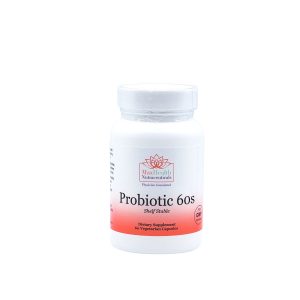
Probiotic 40 Billion CFU – 60s (shelf stable)
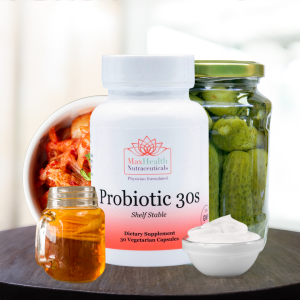
Probiotic 200 Billion CFU – 30s (shelf stable)

Saccharomyces Boulardii 60s
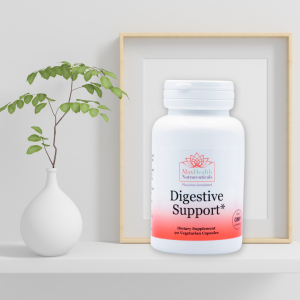
Digestive Support 90s
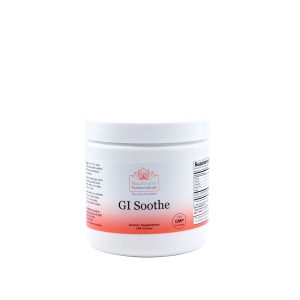
GI Soothe (Powder) 168 Grams
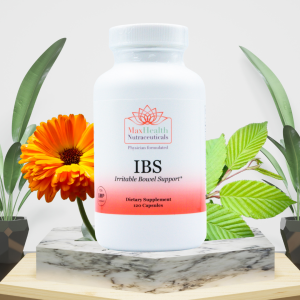
IBS Capsules 120s
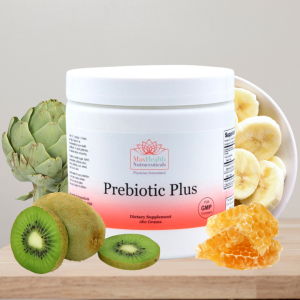
Prebiotic Plus 180 Grams
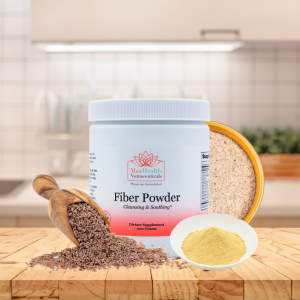
Fiber Powder 200 Grams
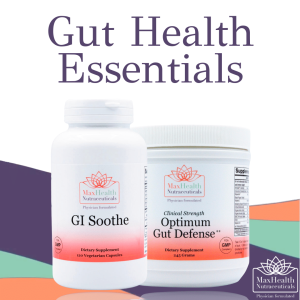
Gut Health Essentials Bundle
Disclosure: This post contains affiliate links. If you purchase through these links, we may earn a small commission at no extra cost to you. Learn more.
About the Author
Dr. Nicolle is a double board-certified physician in Family Medicine and Preventive Medicine, with certifications in Functional Medicine and Lifestyle Medicine. She helps busy professionals over 40 optimize their health through root-cause approaches to cardiovascular, hormonal, and metabolic health.
Learn more about Dr. Nicolle →Explore Related Topics
Dive deeper into these connected health areas
Hormone Health
Hormones are the chemical messengers that regulate virtually every process in your body — from metab…
Explore ❤️Metabolic Health
Metabolic health sits at the intersection of blood sugar regulation, cardiovascular function, body c…
Explore 🌸Women's Health
Women's health encompasses a complex interplay of hormonal cycles, reproductive biology, and unique …
Explore 💪Men's Health
Men's health involves a unique interplay of hormonal balance, cardiovascular resilience, metabolic e…
Explore 🧠Mental Health
Mental health is deeply interconnected with hormonal balance, gut health, blood sugar regulation, an…
Explore 📖Skin & Hair Health
Your skin and hair are windows into your internal health. Chronic acne, eczema, psoriasis, and hair …
ExploreReady to Address Your Health Concerns?
Book a Discovery Offer consultation to discuss how our functional medicine approach can help you achieve your health goals.
Book Your Discovery Offer