SIBO and IBS: Why Your Gut Treatment Isn't Working

- 60-78% of IBS patients actually have underlying SIBO — a treatable bacterial overgrowth
- Breath testing (lactulose or glucose) is the standard non-invasive diagnostic method
- Eradicating the overgrowth is only half the battle — preventing recurrence requires fixing motility
- The elemental diet achieves 80-85% SIBO eradication rates in just 2-3 weeks
The gastroenterologist had told her it was IBS. "Eat more fiber, manage your stress, take this antispasmodic." Three years and two colonoscopies later, the 38-year-old attorney was still bloating so severely after meals that she kept a change of clothes at her office. FODMAPs helped somewhat, but she was down to about 15 "safe" foods, and the restriction was affecting both her nutrition and her social life.
When I ordered a lactulose breath test, the result was unambiguous: hydrogen levels peaked at 95 ppm within 90 minutes, with a clear early rise indicating small intestinal bacterial overgrowth (SIBO). She didn't just have "IBS." She had a measurable, treatable condition that had been hiding behind a vague diagnostic label for three years.
This story is disturbingly common. Research suggests that up to 78% of patients diagnosed with IBS actually have SIBO as the underlying mechanism (1). IBS affects 10-15% of the global population, making it one of the most common GI diagnoses, yet it remains a diagnosis of exclusion, a label applied when tests come back "normal" rather than a true explanation of what's happening.
What SIBO Actually Is
Small intestinal bacterial overgrowth occurs when bacteria that normally reside in the large intestine migrate into and colonize the small intestine. The small intestine is designed to be relatively sterile compared to the colon: it contains roughly 10,000 bacteria per milliliter compared to the colon's 100 billion (2). When bacterial counts in the small intestine exceed 100,000 per mL, the consequences cascade through multiple body systems.
These displaced bacteria ferment carbohydrates in the small intestine before your body can absorb them, producing hydrogen, methane, or hydrogen sulfide gas. The gas itself causes the bloating and distension, but the real damage runs deeper: the bacteria consume nutrients meant for you (particularly B12, iron, and fat-soluble vitamins), damage the intestinal lining contributing to intestinal permeability, deconjugate bile acids impairing fat digestion, and trigger an immune response that perpetuates chronic inflammation.
The Three Types of SIBO
Not all SIBO is created equal, and the distinction matters for treatment.
Hydrogen-dominant SIBO is the most commonly recognized form. Bacteria produce hydrogen gas from carbohydrate fermentation, causing bloating, diarrhea, urgency, and cramping. Breath testing shows elevated hydrogen levels.
Methane-dominant SIBO (IMO): Technically now called intestinal methanogen overgrowth because the organisms producing methane are archaea, not bacteria. Methane slows gut transit by directly inhibiting smooth muscle motility. The clinical picture is constipation, hard stools, and severe bloating without the urgency seen in hydrogen SIBO. These patients are often the ones told to "eat more fiber," which predictably makes everything worse by feeding the overgrowth (3).
Hydrogen sulfide SIBO: The newest recognized form, producing hydrogen sulfide gas. Symptoms include diarrhea (often with an urgency and burning quality), "rotten egg" smelling gas, fatigue, brain fog, and sometimes bladder and joint symptoms. Standard breath tests don't measure hydrogen sulfide; newer trio-smart testing captures all three gases.
| Feature | Hydrogen-Dominant | Methane-Dominant (IMO) | Hydrogen Sulfide |
|---|---|---|---|
| Organisms | Bacteria | Archaea (methanogens) | Sulfate-reducing bacteria |
| Primary Symptom | Diarrhea, urgency | Constipation, hard stools | Diarrhea, burning urgency |
| Gas Produced | Hydrogen (H₂) | Methane (CH₄) | Hydrogen sulfide (H₂S) |
| Bloating Severity | Moderate | Severe | Variable |
| Standard Breath Test | ✓ Detected | ✓ Detected | ✗ Requires trio-smart |
| First-Line Treatment | Rifaximin alone | Rifaximin + neomycin/metronidazole | Bismuth + targeted antimicrobials |
| Distinguishing Clue | Worsens with prebiotics | Fiber makes it worse | "Rotten egg" gas, fatigue, brain fog |
Why SIBO Develops: The Underlying Causes
Eradicating SIBO without addressing why it developed is why recurrence rates approach 45% within a year (4). In my practice, identifying and correcting these underlying drivers is where the real work happens.
Killing the bacteria is the easy part. Preventing recurrence is the real challenge. Without restoring migrating motor complex (MMC) function and addressing root causes like low stomach acid or hypothyroidism, SIBO comes back 45% of the time within a year.
Migrating Motor Complex (MMC) Dysfunction
The MMC is a cyclical wave of muscular contractions that sweeps through the small intestine every 90-120 minutes during fasting, functioning as a "housekeeper wave" that pushes bacteria and debris toward the colon. When the MMC is impaired, bacteria accumulate. Food poisoning is the most common initiator: the toxin cytolethal distending toxin B (CdtB) produced by bacteria like Campylobacter triggers an autoimmune response against vinculin, a protein essential for MMC function (5). This post-infectious IBS/SIBO connection explains why so many patients report their symptoms starting after a bout of gastroenteritis.
Low Stomach Acid (Hypochlorhydria)
Stomach acid is your first line of defense against oral bacteria reaching the small intestine. Proton pump inhibitors (PPIs), chronic stress, H. pylori infection, and aging all reduce acid production. PPI use for more than 4-8 weeks is associated with a significantly increased risk of SIBO (6). I always assess gastric acid status in SIBO patients and am continually amazed at how many are on PPIs that were prescribed as a "trial" years ago and never discontinued.
PPI use beyond 4-8 weeks significantly increases SIBO risk. If you've been on a PPI long-term, ask your provider about a supervised taper. Many patients were prescribed PPIs as a short "trial" that was never revisited — years later, the medication is causing the very gut problems they're trying to treat.
Structural and Anatomical Factors
Adhesions from prior abdominal surgery, endometriosis, ileocecal valve dysfunction, and anatomical variations can create stagnant areas where bacteria accumulate. A detailed surgical and medical history is essential during evaluation.
Impaired Digestive Secretions
Bile acids, pancreatic enzymes, and immunoglobulin A (IgA) all help regulate bacterial populations in the small intestine. Patients with compromised gallbladder function, exocrine pancreatic insufficiency, or low secretory IgA are predisposed to bacterial overgrowth. This connects to why SIBO frequently co-occurs with hypothyroidism, since thyroid hormone regulates both MMC activity and digestive secretion output.
Comprehensive Testing
Lactulose Breath Test: The most accessible SIBO test. The patient drinks a lactulose solution and breathes into collection tubes every 15-20 minutes for 2-3 hours. Hydrogen and methane levels are measured. An early rise in hydrogen (within 90 minutes) or elevated baseline methane (>10 ppm) suggests overgrowth.
Trio-Smart Breath Test: The newer generation that also measures hydrogen sulfide, capturing the third type that standard tests miss entirely.
Stool Testing: Comprehensive stool analysis provides complementary data about large intestinal ecology, inflammation markers (calprotectin, lactoferrin), pancreatic elastase, and secretory IgA.
Additional Workup: Anti-CdtB and anti-vinculin antibodies can identify post-infectious autoimmune damage to the MMC. Thyroid function, cortisol patterns, and nutrient status (B12, iron, vitamin D, fat-soluble vitamins) round out the picture.
Treatment: A Phased Approach
Phase 1: Eradication
Depending on the type and severity, I use either antimicrobial herbs or prescription antibiotics. For hydrogen-dominant SIBO, rifaximin (550 mg TID for 14 days) is the pharmaceutical gold standard with a favorable safety profile since it stays in the GI tract. For methane-dominant, the combination of rifaximin plus neomycin or metronidazole is more effective than rifaximin alone (7).
Herbal antimicrobials (berberine, oregano oil, neem, allicin) show comparable efficacy to rifaximin in published studies and are my first line for mild-to-moderate cases (8). For hydrogen sulfide, bismuth-based protocols combined with antimicrobials targeting sulfate-reducing organisms are emerging as the most effective approach.
Phase 2: Restore Motility and Digestive Function
This is where most treatments fail. If you eradicate the overgrowth but don't restore the MMC and address the underlying cause, relapse is nearly guaranteed.
Prokinetic agents (low-dose erythromycin, prucalopride, or herbal options like ginger and 5-HTP at bedtime) help restart the MMC housekeeper wave. Meal spacing of 4-5 hours between meals allows the MMC to complete its cycles, which only occurs during fasting states. Addressing hypothyroidism, stress-induced cortisol dysfunction, and optimizing stomach acid production are equally important.
Phase 3: Rebuild and Reintroduce
Once the overgrowth is cleared (confirmed by repeat breath testing), the focus shifts to rebuilding. Gradually reintroducing foods that were previously triggering, supporting the intestinal lining with targeted nutrients (L-glutamine, zinc carnosine, butyrate), and carefully introducing probiotics. Spore-based probiotics (Bacillus species) tend to be better tolerated than Lactobacillus strains in the early post-treatment period, since they don't colonize the small intestine.
An anti-inflammatory diet that progressively expands food variety is the nutritional goal. I work with patients to move away from the extreme restriction that many arrive with, since long-term restrictive diets can worsen dysbiosis and create nutrient deficiencies.
The Gut-Brain-Hormone Connection
SIBO rarely exists in isolation. The systemic effects ripple outward into hormonal balance (bacterial beta-glucuronidase activity recirculates estrogen), skin health (the gut-skin axis drives inflammatory skin conditions), thyroid function (intestinal inflammation impairs T4-to-T3 conversion), and metabolic health (LPS from bacterial overgrowth drives insulin resistance).
Treating SIBO often improves conditions that seem completely unrelated to the gut, which is precisely why a functional medicine approach that sees the interconnections is so effective.
Where This Leaves You
If you've been diagnosed with IBS and aren't getting better, if restrictive diets have helped but haven't resolved your symptoms, or if your bloating is severe enough to affect your daily life, SIBO testing is a reasonable and often revelatory next step. It's a specific, treatable condition that masquerades as a vague syndrome.
Our Discovery Offer consultation can help determine whether SIBO or other gut dysfunction may be driving your symptoms and map out a comprehensive treatment plan.
References
- Ghoshal UC, et al. Small intestinal bacterial overgrowth and irritable bowel syndrome: a bridge between functional organic dichotomy. Gut and Liver. 2017;11(2):196-208. https://doi.org/10.5009/gnl16126
- Quigley EMM. Small intestinal bacterial overgrowth: what it is and what it is not. Current Opinion in Gastroenterology. 2014;30(2):141-146. https://doi.org/10.1097/MOG.0000000000000040
- Pimentel M, et al. Methane production during lactulose breath test is associated with gastrointestinal disease presentation. Digestive Diseases and Sciences. 2003;48(1):86-92. https://doi.org/10.1023/A:1021738515885
- Lauritano EC, et al. Small intestinal bacterial overgrowth recurrence after antibiotic therapy. American Journal of Gastroenterology. 2008;103(8):2031-2035. https://doi.org/10.1111/j.1572-0241.2008.02030.x
- Pimentel M, et al. Autoimmunity links vinculin to the pathophysiology of chronic functional bowel changes following Campylobacter jejuni infection in a rat model. Digestive Diseases and Sciences. 2015;60(5):1195-1205. https://doi.org/10.1007/s10620-014-3435-5
- Lo WK, Chan WW. Proton pump inhibitor use and the risk of small intestinal bacterial overgrowth: a meta-analysis. Clinical Gastroenterology and Hepatology. 2013;11(5):483-490. https://doi.org/10.1016/j.cgh.2012.12.011
- Pimentel M, et al. Rifaximin therapy for patients with irritable bowel syndrome without constipation. New England Journal of Medicine. 2011;364(1):22-32. https://doi.org/10.1056/NEJMoa1004409
- Chedid V, et al. Herbal therapy is equivalent to rifaximin for the treatment of small intestinal bacterial overgrowth. Global Advances in Health and Medicine. 2014;3(3):16-24. https://doi.org/10.7453/gahmj.2014.019
Supplements for Gut Health
Clinical-grade picks for this topic

Thera360 PLUS Portable Sauna
$1,428.00

Inner Balance™ Coherence Plus
$249.00

Austin Air HealthMate Plus®
$895.00
Affiliate disclosure: The product links below are affiliate links — we may earn a commission at no extra cost to you. Recommendations are based on clinical use, not commissions. Learn more.
Frequently Asked Questions
Common questions about sibo and ibs: why your gut treatment isn't working
Recommended Supplements
Professional-grade supplements from my MaxHealth Nutraceuticals line — the same formulas I use in clinical practice.
Thera360 PLUS Portable Sauna
Inner Balance™ Coherence Plus
Austin Air HealthMate Plus®

SMART Yoga Mat (Green)
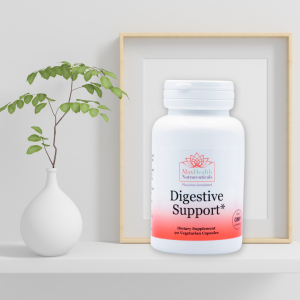
Digestive Support 90s
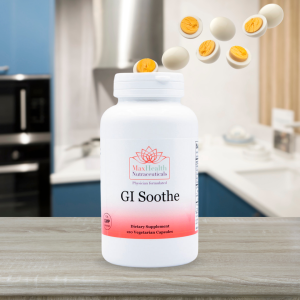
GI Soothe Capsules 120s
Probiotic 40 Billion CFU – 60s (shelf stable)

Saccharomyces Boulardii 60s
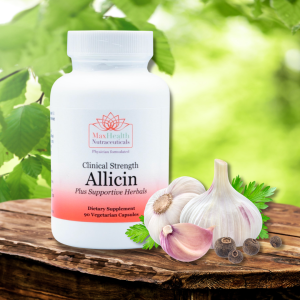
Allicin Plus 90s
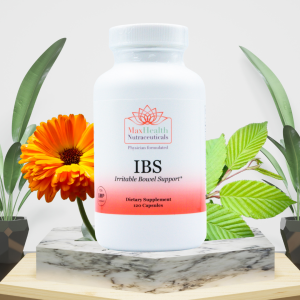
IBS Capsules 120s
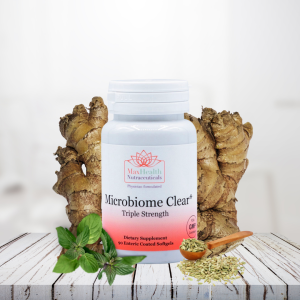
Microbiome Clear 90s
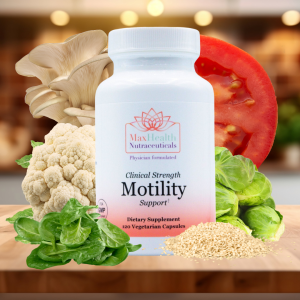
Motility Support
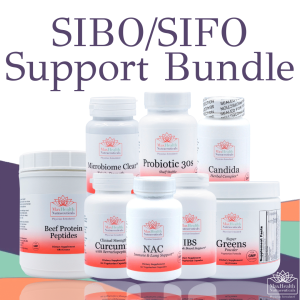
SIBO/SIFO Support Bundle

Gut Health Essentials Bundle
Disclosure: This post contains affiliate links. If you purchase through these links, we may earn a small commission at no extra cost to you. Learn more.
About the Author
Dr. Nicolle is a double board-certified physician in Family Medicine and Preventive Medicine, with certifications in Functional Medicine and Lifestyle Medicine. She helps busy professionals over 40 optimize their health through root-cause approaches to cardiovascular, hormonal, and metabolic health.
Learn more about Dr. Nicolle →Explore Related Topics
Dive deeper into these connected health areas
Hormone Health
Hormones are the chemical messengers that regulate virtually every process in your body — from metab…
Explore ❤️Metabolic Health
Metabolic health sits at the intersection of blood sugar regulation, cardiovascular function, body c…
Explore 🌸Women's Health
Women's health encompasses a complex interplay of hormonal cycles, reproductive biology, and unique …
Explore 💪Men's Health
Men's health involves a unique interplay of hormonal balance, cardiovascular resilience, metabolic e…
Explore 🧠Mental Health
Mental health is deeply interconnected with hormonal balance, gut health, blood sugar regulation, an…
Explore 📖Skin & Hair Health
Your skin and hair are windows into your internal health. Chronic acne, eczema, psoriasis, and hair …
ExploreReady to Address Your Health Concerns?
Book a Discovery Offer consultation to discuss how our functional medicine approach can help you achieve your health goals.
Book Your Discovery Offer