Leaky Gut & Autoimmunity: How It Drives Immune Dysfunction

- Leaky gut (increased intestinal permeability) is a real, measurable condition — not pseudoscience
- Zonulin and LPS antibodies are validated biomarkers for intestinal barrier dysfunction
- Molecular mimicry from gut permeability can trigger autoimmune attacks on your own tissues
- Gluten triggers zonulin release in everyone — not just celiac patients
When I explain to patients that their joint pain, their Hashimoto's, their skin flare-ups, or their crushing fatigue might be originating in their gut, I can see the skepticism. The gut? I have an autoimmune disease. What does my intestine have to do with my immune system attacking my thyroid?
As it turns out, nearly everything.
Dr. Alessio Fasano's groundbreaking research at Harvard established a paradigm that has reshaped how we understand autoimmune disease. He identified three necessary preconditions for autoimmunity to develop: genetic susceptibility, an environmental trigger, and increased intestinal permeability, what's commonly called "leaky gut" (1). Remove any one of those three factors, and autoimmunity either doesn't develop or, in some cases, can be put into remission.
That third factor, intestinal permeability, is the one we can most directly influence. And it's where functional medicine has made some of its most meaningful clinical contributions.
What "Leaky Gut" Actually Means
Your intestinal lining is a single-cell-thick barrier that performs an extraordinary balancing act. It must absorb nutrients from digested food while simultaneously preventing bacteria, toxins, undigested food particles, and other potentially harmful substances from entering the bloodstream.
This selectivity is maintained by tight junction proteins, primarily claudins, occludins, and zonulin, which act as gates between intestinal cells (enterocytes). When functioning properly, these gates open and close in a regulated manner, allowing nutrients through while keeping larger molecules out (2).
"Leaky gut," or increased intestinal permeability, occurs when these tight junctions become chronically loosened. The gates are stuck open. Now, lipopolysaccharides (LPS) from bacterial cell walls, incompletely digested proteins, and other antigenic material cross into the bloodstream, where the immune system encounters them and mounts an inflammatory response.
This isn't fringe theory. Intestinal permeability has been measured and documented in peer-reviewed research using lactulose-mannitol testing, serum zonulin levels, and LPS antibody measurements. It's been demonstrated in Crohn's disease, celiac disease, type 1 diabetes, rheumatoid arthritis, Hashimoto's thyroiditis, multiple sclerosis, and lupus, among others (3).
Fasano's three prerequisites for autoimmunity: genetic susceptibility, an environmental trigger, and increased intestinal permeability. Remove any one of those three, and autoimmunity either doesn't develop or can potentially be put into remission. The gut barrier is the most modifiable of the three.
How Leaky Gut Triggers Autoimmunity
The connection operates through several established mechanisms.
Molecular Mimicry
When incompletely digested food proteins and bacterial fragments cross the intestinal barrier, the immune system generates antibodies against them. If those foreign proteins structurally resemble the body's own tissues (a phenomenon called molecular mimicry), the immune system can begin attacking self-tissue. The classic example is gluten's gliadin protein, which shares structural similarity with thyroid tissue. This is one proposed mechanism by which gluten sensitivity drives Hashimoto's thyroiditis (4).
Chronic Immune Activation
A permeable intestine constantly leaks bacterial endotoxins (LPS) into the circulation, creating a state of chronic, low-grade immune activation called "metabolic endotoxemia." This persistent immune stimulation doesn't just cause generalized inflammation; it can push a genetically susceptible immune system over the threshold into autoimmunity. The immune system, constantly on high alert, begins losing the ability to distinguish self from non-self (5).
Loss of Oral Tolerance
The gut-associated lymphoid tissue (GALT) contains approximately 70% of the entire immune system. Under normal conditions, the gut immune system develops "oral tolerance," learning to not react to food proteins and commensal bacteria. When the intestinal barrier is compromised and immune regulation is disrupted, oral tolerance can break down, leading to food sensitivities, histamine intolerance, and ultimately autoimmune reactivity (6).
Zonulin: The Gatekeeper
Fasano's discovery of zonulin was pivotal. Zonulin is a protein produced by intestinal cells that directly regulates tight junction permeability. Two known triggers for zonulin release are gliadin (a component of gluten) and certain intestinal bacteria. When zonulin is overproduced, tight junctions open wider and longer than they should, increasing permeability. Elevated serum zonulin has been found in patients with celiac disease, type 1 diabetes, and multiple sclerosis (2).
What Damages the Gut Barrier
Understanding the causes of intestinal permeability is essential for treatment, because removing the triggers is always the first step.
| Category | Primary Culprits | Mechanism |
|---|---|---|
| Dietary | Gluten, alcohol, sugar, emulsifiers | Triggers zonulin release, disrupts mucus layer |
| Medications | NSAIDs, antibiotics, PPIs | Direct mucosal damage, microbiome disruption |
| Lifestyle | Chronic stress, poor sleep | Cortisol-mediated barrier breakdown |
| Biological | SIBO, Candida, parasites | Direct tissue damage, inflammation |
| Environmental | Glyphosate, heavy metals, mold | Toxin-mediated epithelial injury |
Dietary Factors
Gluten. Even in people without celiac disease, gliadin triggers zonulin release and transiently increases intestinal permeability (2). The clinical significance of this in non-celiac individuals is debated, but in patients with autoimmune conditions or genetic susceptibility, I consider it relevant.
Alcohol. Disrupts tight junction proteins and promotes bacterial overgrowth, directly increasing permeability. Even moderate consumption (2-3 drinks) measurably increases intestinal permeability within hours (7).
Processed foods and emulsifiers. Food additives like polysorbate 80 and carboxymethylcellulose (common in processed foods) have been shown to erode the mucus layer protecting the intestinal epithelium, promoting bacterial contact with the barrier and increasing permeability (8).
Excess sugar and refined carbohydrates. Feed pathogenic bacteria and yeast (particularly Candida species), promoting dysbiosis and barrier dysfunction.
Medications
NSAIDs (ibuprofen, naproxen). Among the most well-documented causes of intestinal permeability. They inhibit prostaglandin synthesis in the gut lining, which impairs mucosal blood flow and epithelial repair. Studies show measurably increased permeability within 24 hours of NSAID use (9).
A single dose of ibuprofen measurably increases intestinal permeability within 24 hours. Chronic NSAID use is one of the most documented causes of leaky gut. If you have an autoimmune condition, find alternative pain management strategies with your provider.
Antibiotics. Disrupt microbial balance, reducing beneficial species that produce short-chain fatty acids (SCFAs) essential for barrier integrity.
Proton pump inhibitors (PPIs). Alter gut pH, shifting microbial composition and reducing the protective mucus layer.
Infections and Dysbiosis
Small intestinal bacterial overgrowth (SIBO), Candida overgrowth, parasitic infections, and chronic dysbiosis all damage the intestinal barrier through direct toxin production, competition for nutrients, and immune activation. A GI-MAP stool test can identify many of these imbalances.
Chronic Stress
Stress activates the HPA axis and the sympathetic nervous system, both of which reduce blood flow to the gut, impair motility, shift microbiome composition, and directly increase permeability through mast cell activation and corticotropin-releasing factor (CRF) pathways (10).
Testing for Intestinal Permeability
- Serum zonulin. Elevated levels indicate increased tight junction opening. It's not perfect (it can fluctuate), but it's a useful screening marker
- LPS antibodies (Anti-LPS IgG and IgM). Lipopolysaccharide shouldn't cross a healthy barrier. Antibodies against LPS suggest translocation is occurring
- Occludin and zonulin antibodies (Cyrex Array 2). A more detailed assessment of barrier integrity that measures antibodies against the structural proteins of tight junctions
- Lactulose-mannitol test. The original permeability test: you drink a solution of two sugars and measure urinary excretion ratios. A high lactulose-to-mannitol ratio indicates increased permeability
- GI-MAP stool analysis. While not a direct permeability test, it identifies dysbiosis, pathogenic organisms, inflammatory markers (calprotectin, secretory IgA), and beta-glucuronidase levels that contribute to barrier dysfunction
- Food sensitivity panels (IgG). Controversial but clinically useful when interpreted correctly. Multiple elevated IgG food reactions often indicate a permeable barrier rather than true allergy
The Gut Repair Protocol
Restoring intestinal barrier integrity is one of the most clinically rewarding interventions in functional medicine. The framework follows a "5R" approach: Remove, Replace, Reinoculate, Repair, and Rebalance.
1. Remove
Eliminate the triggers damaging the barrier:
- Offending foods identified through testing or elimination diet (gluten, dairy, and processed foods are the most common)
- Unnecessary NSAID use (find alternatives for pain management)
- Alcohol during the healing phase
- Pathogenic organisms identified on stool testing (targeted antimicrobial protocols)
2. Replace
Restore digestive capacity that may be impaired:
- Digestive enzymes with meals (particularly if bloating, gas, or undigested food is present)
- Betaine HCl for patients with low stomach acid (common after PPI use and with aging)
- Bile acid support for fat malabsorption
3. Reinoculate
Restore a healthy microbiome:
- Diverse prebiotic fibers (resistant starch from cooled rice and potatoes, inulin, GOS, pectin) to feed beneficial species
- Probiotic supplementation: *Lactobacillus* and *Bifidobacterium* species, *Saccharomyces boulardii* (particularly after antibiotic use), and spore-based probiotics (*Bacillus* species) for greater survival through stomach acid
- Fermented foods (sauerkraut, kimchi, kefir, yogurt) for microbial diversity
4. Repair
Directly support barrier regeneration:
- L-Glutamine (5-10 g daily). The primary fuel source for enterocytes. Multiple studies show it reduces intestinal permeability and supports mucosal healing (11)
- Zinc carnosine (75-150 mg daily). Directly stabilizes gut mucosa and has been shown to reduce NSAID-induced permeability (12)
- Collagen peptides or bone broth. Provide glycine, proline, and hydroxyproline, amino acids critical for connective tissue repair
- Deglycyrrhizinated licorice (DGL, 400 mg before meals). Increases mucus production and supports mucosal integrity
- Slippery elm, marshmallow root, and aloe vera. Demulcent herbs that coat and soothe the intestinal lining
- Butyrate (supplemental or from fiber fermentation). The preferred fuel for colonocytes; strengthens tight junctions and reduces inflammation
- Vitamin A (10,000 IU daily, short-term). Essential for mucosal epithelial integrity and secretory IgA production
- Vitamin D (optimize to 50-70 ng/mL). Regulates tight junction protein expression and modulates immune tolerance
5. Rebalance
Address the lifestyle factors that maintain barrier health long-term:
- Stress management (the gut-brain axis is bidirectional, and chronic stress will re-damage a healed barrier)
- Sleep optimization (gut repair occurs primarily during sleep)
- Regular physical activity (moderate exercise improves microbial diversity)
- Ongoing dietary quality (maintain high fiber, low processed food intake)
Timeline for Healing
Intestinal epithelial cells turn over every 3-5 days, so the physical barrier can regenerate relatively quickly. However, full restoration of microbial balance, immune regulation, and symptom resolution typically takes 3-6 months. Autoimmune antibody titers may take 6-12 months to decline significantly.
Progress isn't always linear. Many patients experience a period of symptom fluctuation in the first 4-6 weeks as the microbiome shifts and die-off reactions occur. This is expected and manageable.
Connecting the Dots
If you're dealing with an autoimmune condition, chronic inflammation, food sensitivities, or persistent digestive issues, the gut barrier is where I start. It's the most upstream intervention point in the autoimmune cascade, and it's modifiable.
Our Gut Restore & Rebalance Program walks patients through a structured 5R protocol tailored to their stool testing results. If you're unsure where to start, a Discovery Offer consultation includes the testing and interpretation needed to build your personalized gut repair plan.
---
References
- Fasano A. Leaky gut and autoimmune diseases. Clinical Reviews in Allergy & Immunology. 2012;42(1):71-78. https://doi.org/10.1007/s12016-011-8291-x
- Fasano A. Zonulin and its regulation of intestinal barrier function: the biological door to inflammation, autoimmunity, and cancer. Physiological Reviews. 2011;91(1):151-175. https://doi.org/10.1152/physrev.00003.2008
- Mu Q, et al. Leaky gut as a danger signal for autoimmune diseases. Frontiers in Immunology. 2017;8:598. https://doi.org/10.3389/fimmu.2017.00598
- Vojdani A, et al. The prevalence of antibodies against wheat and milk proteins in blood donors and their contribution to neuroimmune reactivities. Nutrients. 2014;6(1):15-36. https://doi.org/10.3390/nu6010015
- Cani PD, et al. Metabolic endotoxemia initiates obesity and insulin resistance. Diabetes. 2007;56(7):1761-1772. https://doi.org/10.2337/db06-1491
- Pabst O, Mowat AM. Oral tolerance to food protein. Mucosal Immunology. 2012;5(3):232-239. https://doi.org/10.1038/mi.2012.4
- Bode C, Bode JC. Effect of alcohol consumption on the gut. Best Practice & Research Clinical Gastroenterology. 2003;17(4):575-592. https://doi.org/10.1016/S1521-6918(03)00034-9
- Chassaing B, et al. Dietary emulsifiers impact the mouse gut microbiota promoting colitis and metabolic syndrome. Nature. 2015;519(7541):92-96. https://doi.org/10.1038/nature14232
- Bjarnason I, et al. Mechanisms of damage to the gastrointestinal tract from nonsteroidal anti-inflammatory drugs. Gastroenterology. 2018;154(2):500-514. https://doi.org/10.1053/j.gastro.2017.10.049
- Kelly JR, et al. Breaking down the barriers: the gut microbiome, intestinal permeability and stress-related psychiatric disorders. Frontiers in Cellular Neuroscience. 2015;9:392. https://doi.org/10.3389/fncel.2015.00392
- Rao R, Samak G. Role of glutamine in protection of intestinal epithelial tight junctions. J Epithelial Biology and Pharmacology. 2012;5(Suppl 1-M7):47-54. https://doi.org/10.2174/1875044301205010047
- Mahmood A, et al. Zinc carnosine, a health food supplement that stabilises small bowel integrity and stimulates gut repair processes. Gut. 2007;56(2):168-175. https://doi.org/10.1136/gut.2006.099929
Supplements for Gut Health
Clinical-grade picks for this topic

Thera360 PLUS Portable Sauna
$1,428.00
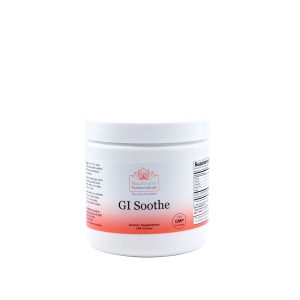
GI Soothe (Powder) 168 Grams
$69.00
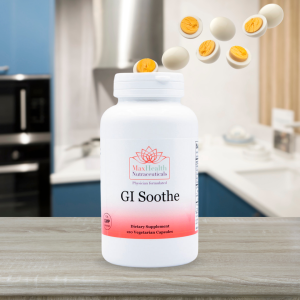
GI Soothe Capsules 120s
$51.00
Affiliate disclosure: The product links below are affiliate links — we may earn a commission at no extra cost to you. Recommendations are based on clinical use, not commissions. Learn more.
Frequently Asked Questions
Common questions about leaky gut & autoimmunity: how it drives immune dysfunction
Recommended Supplements
Professional-grade supplements from my MaxHealth Nutraceuticals line — the same formulas I use in clinical practice.
Thera360 PLUS Portable Sauna
GI Soothe (Powder) 168 Grams
GI Soothe Capsules 120s
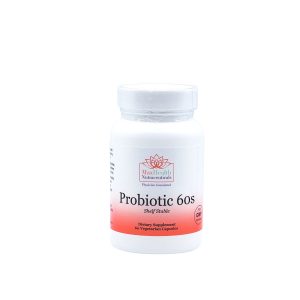
Probiotic 40 Billion CFU – 60s (shelf stable)
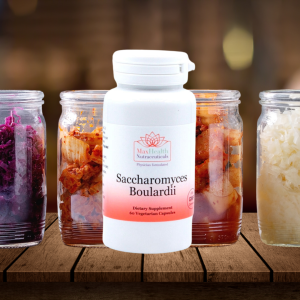
Saccharomyces Boulardii 60s
Auto Balance
IBS Capsules 120s
Beef Collagen Vanilla
GlutaMax Powder
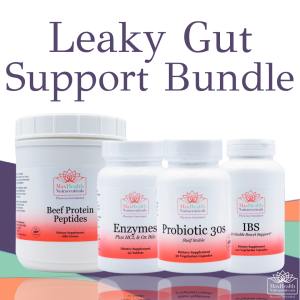
Leaky Gut Support Bundle
Disclosure: This post contains affiliate links. If you purchase through these links, we may earn a small commission at no extra cost to you. Learn more.
About the Author
Dr. Nicolle is a double board-certified physician in Family Medicine and Preventive Medicine, with certifications in Functional Medicine and Lifestyle Medicine. She helps busy professionals over 40 optimize their health through root-cause approaches to cardiovascular, hormonal, and metabolic health.
Learn more about Dr. Nicolle →Explore Related Topics
Dive deeper into these connected health areas
Hormone Health
Hormones are the chemical messengers that regulate virtually every process in your body — from metab…
Explore ❤️Metabolic Health
Metabolic health sits at the intersection of blood sugar regulation, cardiovascular function, body c…
Explore 🌸Women's Health
Women's health encompasses a complex interplay of hormonal cycles, reproductive biology, and unique …
Explore 💪Men's Health
Men's health involves a unique interplay of hormonal balance, cardiovascular resilience, metabolic e…
Explore 🧠Mental Health
Mental health is deeply interconnected with hormonal balance, gut health, blood sugar regulation, an…
Explore 📖Skin & Hair Health
Your skin and hair are windows into your internal health. Chronic acne, eczema, psoriasis, and hair …
ExploreReady to Address Your Health Concerns?
Book a Discovery Offer consultation to discuss how our functional medicine approach can help you achieve your health goals.
Book Your Discovery Offer