Adrenal Fatigue: Is It Real? Understanding HPA Axis Dysfunction

- 'Adrenal fatigue' isn't a real diagnosis — but HPA axis dysfunction is real and measurable
- A single morning cortisol test misses most cases; 4-point salivary or DUTCH testing is needed
- Recovery takes 2-18 months depending on severity — intense exercise can worsen it
- The pregnenolone steal explains why chronic stress tanks sex hormones and fertility
You're exhausted. Not the kind of tired that coffee fixes. Bone-deep, drag-yourself-through-the-afternoon depleted. You crash at 3 PM, then get a bizarre second wind at 10 PM that keeps you up until midnight. Your doctor checked some labs, said everything's "normal," and maybe floated the idea of an antidepressant. Sound familiar?
You're not imagining it. But the popular explanation — "adrenal fatigue" — isn't quite right either. Let me walk you through what's actually going on, why your doctor missed it, and what we can do about it.
The Controversy: Why Conventional Medicine Dismisses "Adrenal Fatigue"
Let's address this head-on: "adrenal fatigue" as popularly described is not a recognized medical diagnosis. The Endocrine Society issued a statement in 2016 declaring it a myth (1). Your adrenal glands don't simply "wear out" or "run out" of cortisol; they're capable of producing hormones for a lifetime.
However, that doesn't mean your symptoms aren't real. What IS happening is well-documented in medical literature under different terminology:
- HPA axis dysfunction: disrupted communication between hypothalamus, pituitary, and adrenals
- Cortisol dysregulation: abnormal diurnal cortisol patterns
- Allostatic load: the cumulative physiological wear from chronic stress
- Functional hypocortisolism: cortisol that's within "normal" range but insufficient for demand
The problem isn't that this condition doesn't exist — it's that conventional medicine uses the wrong tests, the wrong reference ranges, and the wrong framework to find it.
What Actually Happens: The Three Phases of HPA Dysfunction
The stress response is designed to be acute: a burst of cortisol and adrenaline to handle a threat, followed by recovery. Modern life creates chronic activation that progresses through predictable phases:
| Phase | Cortisol Pattern | Primary Symptoms | How It Feels |
|---|---|---|---|
| 1. Alarm (Acute Stress) | High cortisol, high DHEA | Anxiety, insomnia, weight gain, high BP | "Wired" — can't slow down |
| 2. Resistance (Chronic Stress) | High/normal cortisol, declining DHEA | Morning fatigue, brain fog, inflammation, hormone disruption | "Wired and tired" — exhausted but can't rest |
| 3. Exhaustion (Burnout) | Low cortisol, low DHEA | Crushing fatigue, crashes with minor stress, immune dysfunction | "Crashed" — can barely function |
Critical understanding: These phases exist on a spectrum, and many people oscillate between them. The progression from Phase 1 to Phase 3 typically takes months to years of sustained stress without adequate recovery (2).
The Full Symptom Picture
Physical Symptoms
- Fatigue not relieved by sleep, the hallmark symptom
- Needing caffeine to function (and requiring progressively more)
- Afternoon energy crash between 2-4 PM
- Salt or sugar cravings (sodium helps maintain blood pressure when cortisol is low)
- Frequent illness — every cold and flu that goes around
- Slow recovery from exercise — workouts that used to energize now exhaust
- Dizziness when standing quickly (orthostatic hypotension)
- Reactive hypoglycemia — shakiness, irritability, or brain fog between meals
Mental and Emotional Symptoms
- Brain fog and poor concentration — especially under pressure
- Decreased stress tolerance: "I used to handle this fine"
- Anxiety or depression, often both, alternating
- Feeling overwhelmed by small tasks
- Emotional fragility — crying easily, disproportionate reactions
- Loss of motivation and pleasure (anhedonia)
Hormonal Downstream Effects
- Irregular periods, worsening PMS: progesterone "stolen" for cortisol production
- Low libido in both men and women
- Worsening menopausal symptoms, since adrenals are the backup estrogen source after menopause
- Thyroid symptoms despite "normal" TSH, because cortisol impairs T4-to-T3 conversion
- Low testosterone, because cortisol directly suppresses the HPG axis
- PCOS exacerbation, since adrenal PCOS is driven by DHEA-S elevation
Why Standard Testing Misses It
Conventional doctors typically check a single morning cortisol blood draw or possibly a 24-hour urine cortisol. This approach is designed to detect Addison's disease (adrenal failure) or Cushing's syndrome (cortisol excess) — extreme conditions that affect < 1% of the population. It completely misses the functional dysregulation that affects millions.
Comprehensive HPA Assessment Includes:
- Four-point salivary cortisol — tracks the daily rhythm (morning, noon, afternoon, bedtime) revealing WHERE the pattern breaks
- DHEA-S — adrenal reserve marker; the ratio of cortisol to DHEA is clinically significant
- Cortisol awakening response (CAR) — the cortisol spike 30-45 minutes after waking; blunted CAR is a strong marker of burnout (3)
- DUTCH test — comprehensive urine hormone analysis showing cortisol metabolites, free cortisol, and metabolized cortisol
- Thyroid panel — often affected by HPA dysfunction; must include Free T3 and Reverse T3
- Sex hormones — testosterone, estrogen, progesterone — downstream casualties of cortisol dysregulation
- Inflammatory markers — hs-CRP, homocysteine — chronic inflammation drives HPA dysfunction
The Root Causes Behind HPA Dysfunction
Understanding WHY the HPA axis became dysregulated is essential for lasting recovery:
Chronic Psychological Stress
- Work demands, financial pressure, relationship conflict
- Perfectionism and Type-A personality traits
- Caregiving burden (aging parents, special needs children)
- Trauma — unresolved trauma keeps the nervous system in survival mode
Hidden Physiological Stressors
- Gut infections: H. pylori, SIBO, parasites, candida. The immune activation creates constant HPA axis stimulation
- Blood sugar instability: every glucose crash triggers cortisol release
- Chronic inflammation: from any source (diet, infections, autoimmunity, environmental toxins)
- Sleep deprivation: even mild restriction amplifies the stress response
- Overtraining: intense exercise without adequate recovery
- Environmental toxins: mold exposure, heavy metals, chemical sensitivities
Nutritional Deficiencies
- Vitamin C: the adrenals contain the highest concentration of any organ (4)
- B vitamins: particularly B5 (pantothenic acid) and B6
- Magnesium: depleted by stress, yet required for stress recovery (vicious cycle)
- Zinc: essential for HPA axis regulation
- Omega-3 fatty acids: modulate inflammation and cortisol response
- Vitamin D and key micronutrients: foundational for immune regulation and HPA axis recovery
The Recovery Protocol: A Phase-Specific Approach
Phase 1: Stabilize (Weeks 1-4)
Goal: Reduce stressor load and stop the bleeding
- Audit and reduce avoidable stressors. Sometimes the bravest intervention is saying "no"
- Stabilize blood sugar: eat within 1 hour of waking, protein at every meal. Our meal plans are designed for this.
- Caffeine reduction: gradually decrease to 1 cup before noon (abrupt cessation creates additional stress)
- Sleep prioritization: aim for 7-9 hours with consistent timing
- Gentle movement only: walking, yoga, tai chi. NO intense training during recovery. See our fitness programs for appropriate options.
If you are in advanced burnout (Phase 3), high-intensity exercise can backfire. Your body perceives HIIT as another stressor. Gentle movement like walking or yoga is often required until reserves are rebuilt.
Phase 2: Support (Weeks 4-12)
Goal: Provide the nervous system and adrenals with what they need
- Adaptogenic herbs matched to your phase:
- Phase 1 (high cortisol): Ashwagandha, phosphatidylserine, holy basil
- Phase 2 (mixed): Rhodiola, eleuthero, schisandra
- Phase 3 (low cortisol): Licorice root (cautiously), ginseng, cordyceps
- Foundational nutrients: Vitamin C (1-2g), B-complex, magnesium glycinate (300-400mg), zinc (15-30mg)
- Nervous system regulation: Vagal toning exercises, breathing practices, HRV training
Phase 3: Restore Circadian Rhythm (Ongoing)
Goal: Re-establish healthy cortisol patterns
- Morning bright light exposure within 30 minutes of waking
- Consistent sleep/wake times (within 30 minutes, even weekends)
- Evening cortisol-lowering routine: dim lights, magnesium, relaxation
- Strategic exercise timing — morning for cortisol peak support; avoid evening intense exercise
Phase 4: Rebuild and Prevent (Months 3-18)
Goal: Build stress resilience so the pattern doesn't recur
- Gradually reintroduce higher-intensity exercise
- Build micro-recovery practices into daily routine
- Address any remaining root causes (gut infections, toxin exposure)
- Optimize downstream hormones: thyroid, sex hormones, insulin sensitivity
- Develop a sustainable stress management practice (not just acute fixes)
Recovery Timeline Expectations
Recovery is not linear. Expect:
- Weeks 2-4: Marginal improvement in sleep and afternoon energy
- Months 1-3: Noticeable improvement in energy, brain fog, and stress tolerance
- Months 3-6: Significant improvement; exercise tolerance returns
- Months 6-18: Full recovery for most patients (severe cases may take longer)
- Setbacks are normal — illness, life events, or overexertion can temporarily set you back
Recovery Is Possible
HPA axis dysfunction is reversible. The key is identifying your specific phase, treating root causes (not just suppressing symptoms), and giving your body enough time and support to rebuild. If this article read like your autobiography, schedule a Discovery Offer so we can run the right tests, or take our Wellness Quiz to start connecting the dots.
References
- Cadegiani FA, Kater CE. Adrenal fatigue does not exist: a systematic review. BMC Endocr Disord. 2016;16(1):48. https://doi.org/10.1186/s12902-016-0128-4
- McEwen BS. Stressed or stressed out: what is the difference? J Psychiatry Neurosci. 2005;30(5):315-318.
- Chida Y, Steptoe A. Cortisol awakening response and psychosocial factors. Psychoneuroendocrinology. 2009;34(2):163-171. https://doi.org/10.1016/j.psyneuen.2008.10.004
- Patak P, et al. Vitamin C is an important cofactor for both adrenal cortex and adrenal medulla. Endocr Res. 2004;30(4):871-875. https://doi.org/10.1081/ERC-200044126
- Guilliams TG, Edwards L. Chronic stress and the HPA axis. The Standard. 2010;9(2):1-12.
- Stalder T, et al. Assessment of the cortisol awakening response: expert consensus guidelines. Psychoneuroendocrinology. 2016;63:414-432. https://doi.org/10.1016/j.psyneuen.2015.10.010
- Panossian A, Wikman G. Effects of adaptogens on the central nervous system and the molecular mechanisms associated with their stress-protective activity. Pharmaceuticals. 2010;3(1):188-224. https://doi.org/10.3390/ph3010188
- Nicolaides NC, et al. Stress, the stress system and the role of glucocorticoids. Neuroimmunomodulation. 2015;22(1-2):6-19. https://doi.org/10.1159/000362736
- Fries E, et al. A new view on hypocortisolism. Psychoneuroendocrinology. 2005;30(10):1010-1016. https://doi.org/10.1016/j.psyneuen.2005.04.006
- Heim C, et al. The link between childhood trauma and depression. Curr Psychiatry Rep. 2008;10(4):331-338. https://doi.org/10.1007/s11920-008-0054-0
Supplements for Hormone Optimization
Clinical-grade picks for this topic

Inner Balance™ Coherence Plus
$249.00

Austin Air HealthMate Plus®
$895.00

Thera360 PLUS Portable Sauna
$1,428.00
Affiliate disclosure: The product links below are affiliate links — we may earn a commission at no extra cost to you. Recommendations are based on clinical use, not commissions. Learn more.
Frequently Asked Questions
Common questions about adrenal fatigue: is it real? understanding hpa axis dysfunction
Recommended Supplements
Professional-grade supplements from my MaxHealth Nutraceuticals line — the same formulas I use in clinical practice.
Inner Balance™ Coherence Plus
Austin Air HealthMate Plus®
Thera360 PLUS Portable Sauna

SMART Yoga Mat (Green)
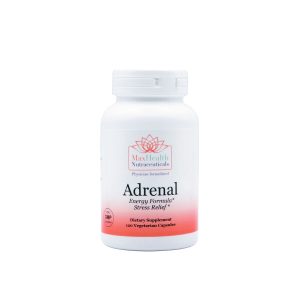
Adrenal (Energy & Stress) 120 Capsules
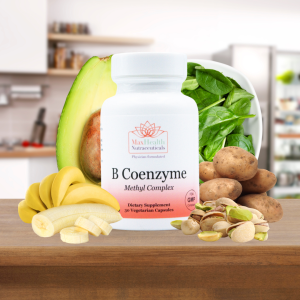
B Coenzyme Methyl Complex
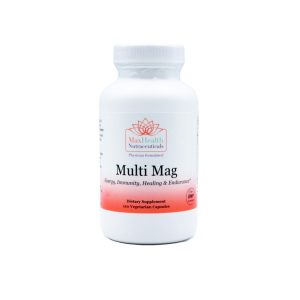
Multi Mag
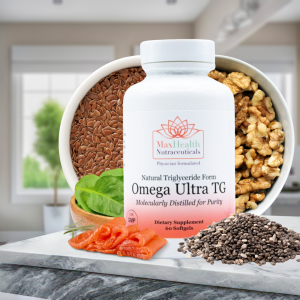
Omega Ultra TG
Stress Balance
Mushroom Complex 60s

Stress Release Bundle

Mindset & Mood Support Bundle
Disclosure: This post contains affiliate links. If you purchase through these links, we may earn a small commission at no extra cost to you. Learn more.
About the Author
Dr. Nicolle is a double board-certified physician in Family Medicine and Preventive Medicine, with certifications in Functional Medicine and Lifestyle Medicine. She helps busy professionals over 40 optimize their health through root-cause approaches to cardiovascular, hormonal, and metabolic health.
Learn more about Dr. Nicolle →Explore Related Topics
Dive deeper into these connected health areas
Gut Health
Your gut is far more than a digestive organ — it's home to 70% of your immune system, produces key n…
Explore ❤️Metabolic Health
Metabolic health sits at the intersection of blood sugar regulation, cardiovascular function, body c…
Explore 🌸Women's Health
Women's health encompasses a complex interplay of hormonal cycles, reproductive biology, and unique …
Explore 📖Skin & Hair Health
Your skin and hair are windows into your internal health. Chronic acne, eczema, psoriasis, and hair …
ExploreReady to Address Your Health Concerns?
Book a Discovery Offer consultation to discuss how our functional medicine approach can help you achieve your health goals.
Book Your Discovery Offer