Cold Plunge, Sauna & Heat Therapy: What the Evidence Actually Shows

- Cold water immersion increases dopamine by 250% for 2–3 hours without tolerance development — unlike caffeine or stimulants
- 4–7 sauna sessions/week reduced cardiovascular mortality by 50% and all-cause mortality by 40% in a 20-year Finnish study
- Avoid cold immersion within 4 hours after resistance training — it blunts muscle adaptation (mTOR signaling)
- Cold exposure is NOT a significant weight loss tool (only ~80–100 extra cal/day) — its value is dopamine, inflammation, and stress resilience
I'll be honest — when the first patient asked me about cold plunging in 2019, I was skeptical. Another wellness trend, I thought. Then I started reading the primary literature, and my perspective shifted. Not because cold plunges are a miracle cure (they're not), but because the physiological mechanisms are real, reproducible, and relevant to several conditions I treat daily.
A 44-year-old project manager was struggling with persistent inflammation, poor sleep, and low energy. He'd tried anti-inflammatory supplements, dietary changes, and stress management — all helpful but incomplete. We added deliberate cold exposure (2-minute cold showers, gradually progressing to cold immersion) and 3x/week sauna sessions. Within 6 weeks, his hs-CRP dropped from 3.8 to 1.2, his sleep latency improved, and his self-reported energy was the best it had been in years. Correlation isn't causation — but combined with the clinical evidence, it's compelling.
Cold Exposure: What the Science Says
Dopamine and Norepinephrine
The most robust acute effect of cold exposure is a dramatic increase in catecholamines. Cold water immersion at 57°F (14°C) increases dopamine by 250% and norepinephrine by 530% — with levels remaining elevated for 2–3 hours (1). Unlike stimulants or sugar, which spike dopamine then crash below baseline, cold exposure produces a gradual, sustained elevation without subsequent depletion.
The dopamine response to cold exposure doesn't diminish with repeated practice (no tolerance development), making it one of the few sustainable dopamine-boosting interventions available. This is fundamentally different from caffeine, social media, or other stimulants.
Inflammation and Immune Function
Cold exposure activates cold shock proteins (particularly RBM3), which have anti-inflammatory and neuroprotective properties. Regular cold exposure:
- Reduces circulating inflammatory cytokines (IL-6, TNF-alpha)
- Increases anti-inflammatory cytokine IL-10
- Enhances natural killer cell activity
- May reduce upper respiratory infection frequency by 29% (based on a Dutch RCT of 3,000+ participants) (2)
Metabolic Effects
Cold activates brown adipose tissue (BAT), which burns calories to generate heat. Regular cold exposure:
- Increases BAT volume and activity
- Improves insulin sensitivity
- Elevates resting metabolic rate (modestly — about 80–100 cal/day)
- Enhances mitochondrial biogenesis
Cold exposure is NOT a significant weight loss tool. The metabolic increase is modest (80–100 calories/day). Its real value is in dopamine regulation, inflammation reduction, stress resilience, and sleep quality — not calorie burning.
Mental Health and Stress Resilience
Cold exposure is a controlled stressor that trains the autonomic nervous system. Regular practice:
- Improves heart rate variability (HRV)
- Enhances stress tolerance (autonomic flexibility)
- Reduces anxiety symptoms in observational studies
- May improve depressive symptoms through catecholamine pathways
Cold Exposure Protocols
| Level | Protocol | Duration | Temperature |
|---|---|---|---|
| Beginner | Cold shower finish | 30–60 seconds | As cold as tolerable |
| Intermediate | Full cold shower | 2–3 minutes | 55–65°F (13–18°C) |
| Advanced | Cold immersion (tub, lake) | 2–5 minutes | 45–55°F (7–13°C) |
| Athlete | Ice bath | 5–10 minutes | 40–50°F (4–10°C) |
Frequency: 3–5x per week for sustained benefits. Daily is fine but not necessary.
Timing: Morning is ideal (aligns with the natural cortisol/catecholamine peak). Avoid cold exposure within 4 hours of bedtime — the catecholamine surge can disrupt sleep.
Important: Cold Exposure After Strength Training
If your goal is muscle hypertrophy, avoid cold immersion within 4 hours after resistance training. Cold blunts the mTOR signaling pathway and reduces the inflammatory response that's necessary for muscle adaptation (3). Cold exposure is fine after endurance exercise or on non-training days.
Sauna and Heat Therapy: The Finnish Evidence
Cardiovascular Benefits
The most compelling long-term data comes from the Finnish Kuopio Ischaemic Heart Disease Risk Factor Study (KIHD), which followed 2,315 men for 20+ years:
- 4–7 sauna sessions/week reduced cardiovascular mortality by 50% compared to 1 session/week
- All-cause mortality was reduced by 40% in frequent sauna users
- Sudden cardiac death risk was reduced by 63% (4)
The mechanisms: sauna use mimics moderate cardiovascular exercise. Heart rate increases to 100–150 bpm, cardiac output increases, peripheral vasodilation occurs, and blood pressure drops acutely.
Blood Pressure Reduction
Regular sauna use (4+ sessions/week) is associated with a 47% lower risk of developing hypertension (4). Acute sauna sessions reduce systolic blood pressure by 7–10 mmHg — comparable to some antihypertensive medications.
Heat Shock Proteins and Longevity
Heat exposure activates heat shock proteins (HSPs), particularly HSP70 and HSP90, which:
- Repair misfolded proteins (relevant to neurodegeneration)
- Protect against oxidative stress
- Enhance cellular stress resilience
- Improve protein homeostasis (proteostasis)
Detoxification
Sauna-induced sweating mobilizes heavy metals, phthalates, BPA, and other environmental toxins through the skin. While the liver and kidneys do most detoxification work, sweat is a legitimate excretion pathway for certain lipophilic compounds — particularly when combined with liver support strategies.
Mental Health Benefits
- 15–20 minutes of sauna use increases beta-endorphin levels significantly
- Regular sauna use is associated with reduced depression risk
- The relaxation response post-sauna improves sleep quality
- Social sauna use (common in Finland) compounds mental health benefits
Sauna Protocols
| Type | Temperature | Duration | Frequency |
|---|---|---|---|
| Traditional Finnish | 175–195°F (80–90°C) | 15–25 min | 3–7x/week |
| Infrared | 120–150°F (49–66°C) | 30–45 min | 3–5x/week |
| Steam room | 110–120°F (43–49°C) | 15–20 min | 3–5x/week |
Post-sauna: Cool down gradually (room temperature, then cool shower). Rehydrate with water + electrolytes — sauna sessions can produce 300–500 mL of sweat.
Contrast Therapy (Hot-Cold Cycling)
Alternating between heat and cold creates a vascular "pump" effect — vasodilation followed by vasoconstriction — that enhances circulation, lymphatic drainage, and recovery.
Protocol: 10–15 min sauna → 1–3 min cold immersion → repeat 2–3 cycles → end on cold
This is the protocol with the most robust subjective benefits (mood, energy, recovery) in my patient population.
Who Should NOT Do Cold/Heat Therapy
Cold exposure contraindications:
- Uncontrolled hypertension
- History of heart attack or stroke (within 3 months)
- Raynaud's disease (severe)
- Cold urticaria (cold-induced hives)
- Pregnancy
Sauna contraindications:
- Unstable angina or recent MI
- Severe aortic stenosis
- Acute inflammation or fever
- Heavy alcohol intoxication
- Pregnancy (traditional sauna — infrared may be acceptable in moderation)
Cold and heat therapy are legitimate clinical tools — not just wellness trends. Cold exposure's dopamine and anti-inflammatory effects are well-documented; sauna's cardiovascular benefits are supported by 20-year longitudinal data. Start slow, be consistent, and integrate them as complements to your existing health optimization strategy.
References
- Šrámek P, et al. Human physiological responses to immersion into water of different temperatures. Eur J Appl Physiol. 2000;81(5):436-442. https://doi.org/10.1007/s004210050065
- Buijze GA, et al. The effect of cold showering on health and work: a randomized controlled trial. PLoS One. 2016;11(9):e0161749. https://doi.org/10.1371/journal.pone.0161749
- Roberts LA, et al. Post-exercise cold water immersion attenuates acute anabolic signalling in human skeletal muscle. J Physiol. 2015;593(18):4285-4301. https://doi.org/10.1113/JP270570
- Laukkanen T, et al. Association between sauna bathing and fatal cardiovascular and all-cause mortality events. JAMA Intern Med. 2015;175(4):542-548. https://doi.org/10.1001/jamainternmed.2014.8187
Supplements for Stress & Recovery
Clinical-grade picks for this topic
Affiliate disclosure: The product links below are affiliate links — we may earn a commission at no extra cost to you. Recommendations are based on clinical use, not commissions. Learn more.
Frequently Asked Questions
Common questions about cold plunge, sauna & heat therapy: what the evidence actually shows
Recommended Supplements
Professional-grade supplements from my MaxHealth Nutraceuticals line — the same formulas I use in clinical practice.

Red Light Face Mask

RESPeRATE Deluxe Duo

Inner Balance™ Coherence Plus

Thera360 PLUS Portable Sauna

TheraFrost Cold Plunge

SMART Resistance Training Bundle

SMART Yoga Mat (Green)
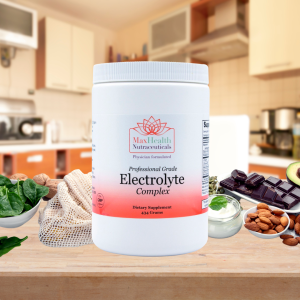
Electrolyte Complex 60s 394gms
Multi Mag
CoQ10
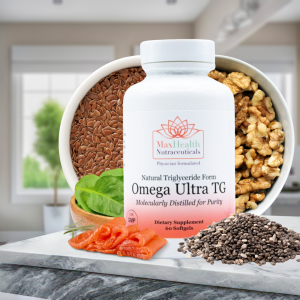
Omega Ultra TG
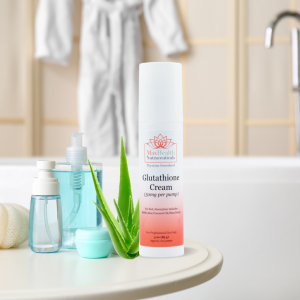
Glutathione Cream 50mg 3oz
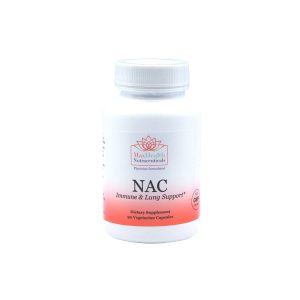
NAC 90s
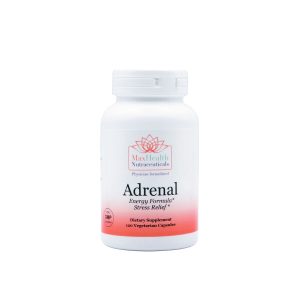
Adrenal (Energy & Stress) 120 Capsules
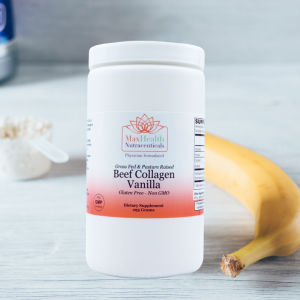
Beef Collagen Vanilla
Pain Support Bundle
Post-Procedure Recovery Bundle
Disclosure: This post contains affiliate links. If you purchase through these links, we may earn a small commission at no extra cost to you. Learn more.
About the Author
Dr. Nicolle is a double board-certified physician in Family Medicine and Preventive Medicine, with certifications in Functional Medicine and Lifestyle Medicine. She helps busy professionals over 40 optimize their health through root-cause approaches to cardiovascular, hormonal, and metabolic health.
Learn more about Dr. Nicolle →Explore Related Topics
Dive deeper into these connected health areas
Hormone Health
Hormones are the chemical messengers that regulate virtually every process in your body — from metab…
Explore 🦠Gut Health
Your gut is far more than a digestive organ — it's home to 70% of your immune system, produces key n…
Explore 🌸Women's Health
Women's health encompasses a complex interplay of hormonal cycles, reproductive biology, and unique …
Explore 🧠Mental Health
Mental health is deeply interconnected with hormonal balance, gut health, blood sugar regulation, an…
Explore 📖Skin & Hair Health
Your skin and hair are windows into your internal health. Chronic acne, eczema, psoriasis, and hair …
ExploreReady to Address Your Health Concerns?
Book a Discovery Offer consultation to discuss how our functional medicine approach can help you achieve your health goals.
Book Your Discovery Offer