Hydration & Electrolytes: Why Drinking More Water Isn't Enough

- Hydration isn't just about water volume — without adequate electrolytes, water passes through without properly hydrating cells.
- An estimated 75% of Americans are chronically dehydrated, and even 2% dehydration impairs cognitive function.
- Magnesium deficiency affects ~50% of Americans; less than 2% meet daily potassium requirements.
- Low-carb diets, intermittent fasting, GLP-1 medications, and intense exercise all dramatically increase electrolyte needs.
- Start each morning with water + sea salt + lemon to replenish overnight electrolyte losses.
I can usually tell within the first five minutes of a patient visit whether dehydration is part of their problem. Not because I run labs immediately — but because they'll describe a cluster of symptoms that sounds like five different conditions but is really one: headaches, afternoon brain fog, muscle cramps, constipation, and fatigue that no amount of sleep seems to fix. Then I ask, "How much water do you drink?" The answer is almost always a vague, "I try to drink enough." And when we actually track it, it's nowhere close.
But here's the part that surprises people: I've also seen patients who drink a gallon of water a day and are *still* dehydrated at the cellular level. They're flushing water through their system without absorbing it, because they're missing the electrolytes that make cellular hydration actually work.
Hydration isn't just about water volume. It's about electrolyte balance. Without adequate electrolytes, the water you drink passes straight through you without properly hydrating your cells.
Your body is approximately 60% water, and every single metabolic process — from nerve conduction and muscle contraction to hormone signaling and energy production — depends on properly hydrated cells with the right mineral concentrations inside and outside them (1).
The Electrolytes: Your Body's Electrical System
Electrolytes are minerals that carry an electrical charge when dissolved in body fluids. They control:
- Cellular hydration: Water follows electrolytes across cell membranes (osmotic balance)
- Nerve signaling: Sodium and potassium generate the electrical impulses that drive nervous system function
- Muscle contraction: Calcium, magnesium, sodium, and potassium coordinate every muscle movement
- pH balance: Bicarbonate and phosphate buffer blood acidity
- Heart rhythm: Potassium and magnesium are critical for cardiac electrical stability
The Key Players
| Electrolyte | Key Functions | Top Food Sources | Daily Need |
|---|---|---|---|
| Sodium | Fluid balance, nerve impulses, blood pressure | Sea salt, bone broth, olives, pickles | 1,500–2,300 mg |
| Potassium | Heart rhythm, muscle function, blood pressure | Avocado, banana, spinach, sweet potato | 3,500–4,700 mg |
| Magnesium | 600+ enzyme reactions, muscle relaxation, sleep | Dark chocolate, nuts, seeds, leafy greens | 400–600 mg |
| Calcium | Bone health, muscle contraction, nerve signaling | Sardines, leafy greens, dairy, sesame | 1,000–1,200 mg |
| Chloride | Stomach acid production, fluid balance | Sea salt, seaweed, tomatoes | 2,300 mg |
When Hydration Goes Wrong
Overhydration (Dilutional Hyponatremia)
Paradoxically, drinking too much plain water without adequate electrolytes can be dangerous. It dilutes blood sodium levels, causing:
- Headaches, nausea, confusion
- Muscle cramps and weakness
- In severe cases: seizures and brain swelling
- Common in endurance athletes and those on low-sodium diets
Chronic Dehydration
Affects an estimated 75% of Americans and contributes to:
- Brain fog and poor concentration (even 2% dehydration impairs cognition)
- Fatigue and low energy
- Constipation and digestive issues
- Headaches and migraines
- Joint pain and stiffness
- Kidney stress
Electrolyte-Specific Deficiencies
- Magnesium deficiency: Affects ~50% of Americans — causes cramps, anxiety, insomnia, heart palpitations
- Potassium deficiency: Less than 2% of Americans meet daily requirements — fatigue, muscle weakness, irregular heartbeat
- Sodium deficiency: Increasingly common with low-salt dietary trends — dizziness, brain fog, adrenal stress
Special Situations Requiring Extra Electrolytes
Exercise and Athletic Performance
You lose 500–1,500 mg sodium per liter of sweat. Heavy exercisers and those in fitness programs need deliberate electrolyte replacement, not just water.
Low-Carb and Ketogenic Diets
Carbohydrate restriction causes the kidneys to excrete more sodium, potassium, and magnesium. This explains the "keto flu" — which is primarily electrolyte depletion.
Intermittent Fasting
Fasting periods deplete electrolytes through urinary excretion. Supplementing with electrolytes during fasting windows (without breaking the fast) is critical.
GLP-1 Medications
Patients on GLP-1 medications often experience nausea, reduced food intake, and vomiting — all of which deplete electrolytes significantly.
Hormonal Transitions
Perimenopause and menopause alter aldosterone and fluid regulation, increasing susceptibility to electrolyte imbalances.
The Practical Hydration Protocol
Daily Baseline
- Water: Half your body weight (lbs) in ounces, minimum
- Sodium: 1,500–2,300 mg (more if active, fasting, or low-carb)
- Potassium: 3,500–4,700 mg from food + supplementation
- Magnesium: 400–600 mg (glycinate for relaxation, malate for energy)
- Timing: Sip throughout the day rather than gulping large amounts
Morning Hydration Ritual
Start each day with 16–20 oz water containing:
- ¼ tsp sea salt (sodium + trace minerals)
- Squeeze of lemon (potassium, vitamin C)
- Optional: magnesium powder
Signs You Need More Electrolytes
- Dark yellow urine
- Muscle cramps or twitching
- Headaches that improve with salt
- Afternoon energy crashes
- Dizziness upon standing (orthostatic changes)
True cellular hydration requires both adequate water AND balanced electrolytes. Drinking more water without addressing mineral balance can actually worsen dehydration symptoms by diluting your electrolyte concentrations.
References
- Popkin BM, D'Anci KE, Rosenberg IH. Water, hydration, and health. Nutrition Reviews. 2010;68(8):439-458.
- Riebl SK, Davy BM. The hydration equation: update on water balance and cognitive performance. ACSM's Health & Fitness Journal. 2013;17(6):21-28.
- Armstrong LE, Ganio MS, Casa DJ, et al. Mild dehydration affects mood in healthy young women. Journal of Nutrition. 2012;142(2):382-388.
- Sawka MN, Burke LM, Eichner ER, et al. American College of Sports Medicine position stand: exercise and fluid replacement. Medicine & Science in Sports & Exercise. 2007;39(2):377-390.
- DiNicolantonio JJ, O'Keefe JH, Wilson W. Subclinical magnesium deficiency: a principal driver of cardiovascular disease and a public health crisis. Open Heart. 2018;5(1):e000668.
Supplements for Stress & Recovery
Clinical-grade picks for this topic
Affiliate disclosure: The product links below are affiliate links — we may earn a commission at no extra cost to you. Recommendations are based on clinical use, not commissions. Learn more.
Frequently Asked Questions
Common questions about hydration & electrolytes: why drinking more water isn't enough
Recommended Supplements
Professional-grade supplements from my MaxHealth Nutraceuticals line — the same formulas I use in clinical practice.

TheraFrost Cold Plunge

Inner Balance™ Coherence Plus

RESPeRATE Deluxe Duo
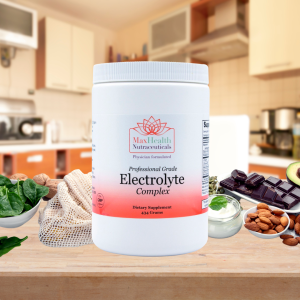
Electrolyte Complex 60s 394gms

Multi Mag

Vitamin D3 5000 IU + K2 CAPSULES 100s
Adrenal (Energy & Stress) 120 Capsules

Omega Ultra TG

Power and Endurance Bundle

Cold & Flu Support Bundle
Disclosure: This post contains affiliate links. If you purchase through these links, we may earn a small commission at no extra cost to you. Learn more.
About the Author
Dr. Nicolle is a double board-certified physician in Family Medicine and Preventive Medicine, with certifications in Functional Medicine and Lifestyle Medicine. She helps busy professionals over 40 optimize their health through root-cause approaches to cardiovascular, hormonal, and metabolic health.
Learn more about Dr. Nicolle →Explore Related Topics
Dive deeper into these connected health areas
Hormone Health
Hormones are the chemical messengers that regulate virtually every process in your body — from metab…
Explore 🦠Gut Health
Your gut is far more than a digestive organ — it's home to 70% of your immune system, produces key n…
Explore 🌸Women's Health
Women's health encompasses a complex interplay of hormonal cycles, reproductive biology, and unique …
Explore 💪Men's Health
Men's health involves a unique interplay of hormonal balance, cardiovascular resilience, metabolic e…
Explore 🧠Mental Health
Mental health is deeply interconnected with hormonal balance, gut health, blood sugar regulation, an…
Explore 📖Skin & Hair Health
Your skin and hair are windows into your internal health. Chronic acne, eczema, psoriasis, and hair …
ExploreReady to Address Your Health Concerns?
Book a Discovery Offer consultation to discuss how our functional medicine approach can help you achieve your health goals.
Book Your Discovery Offer