Complete Guide to Perimenopause: Symptoms & Solutions

- Perimenopause starts as early as the mid-30s and lasts 4-8 years — most women go undiagnosed
- Symptoms go far beyond hot flashes: anxiety, brain fog, joint pain, and heart palpitations are common
- Bioidentical hormone therapy (BHRT) is safe and effective when started early
- Gut health directly affects estrogen metabolism through the estrobolome
"I thought I was losing my mind." That's what a 43-year-old executive told me at her first visit. She'd been to three doctors in six months. One said it was stress. Another suggested an antidepressant. The third ran a basic hormone panel, told her everything was "normal," and sent her home.
She wasn't losing her mind. She was in perimenopause, and nobody had bothered to look.
This happens constantly. Perimenopause, the hormonal transition leading up to menopause, can begin as early as your late 30s and last 7 to 10 years. It affects every woman. Yet the medical system routinely misses it, misdiagnoses it, or dismisses it outright. If you've been told your symptoms are "just stress" or "normal aging," this guide is for you.
What Is Perimenopause, Exactly?
Perimenopause literally means "around menopause." It's the transitional phase when your ovaries gradually produce less estrogen and progesterone. Unlike the popular perception of a sudden hormonal "cliff," perimenopause is characterized by hormonal volatility: dramatic fluctuations that can change week to week, or even day to day.
Menopause itself is defined as 12 consecutive months without a menstrual period, and the average age of menopause in the U.S. is 51. But perimenopause typically begins 4 to 10 years earlier, meaning symptoms can start in your early 40s or even late 30s.
During this transition, progesterone is usually the first hormone to decline, often years before estrogen drops significantly. This creates an estrogen-dominant state that drives many of the early symptoms women experience, yet it's rarely identified by conventional testing.
The Full Spectrum of Perimenopause Symptoms
| Feature | Perimenopause | Menopause |
|---|---|---|
| Definition | The transition phase leading up to menopause | 12 consecutive months without a period |
| Typical Age | Late 30s to late 40s (lasts 4-10 years) | Average age 51 (range 45-55) |
| Hormone Pattern | Wild fluctuations (high/low estrogen) | Consistently low estrogen & progesterone |
| Period Pattern | Irregular (shorter, longer, heavier, skipped) | Stopped completely |
| Fertility | Reduced but still possible | Ended |
Most women associate menopause with hot flashes, but perimenopause presents with a far broader range of symptoms that often go unrecognized:
Hormonal and Reproductive Changes
- Irregular cycles: shorter, longer, heavier, lighter, or skipped entirely
- Worsening PMS or new premenstrual symptoms
- Breast tenderness and fibrocystic changes
- Decreased fertility
- Changes in libido
Neurological and Cognitive Symptoms
- Brain fog, difficulty concentrating, and word-finding problems
- Anxiety, often new-onset and unexplained
- Depression or mood instability
- Irritability and emotional reactivity
- Sleep disruption: insomnia, night sweats, or early waking
Metabolic and Physical Changes
- Weight gain, especially around the midsection
- Increased insulin resistance and carb cravings
- Fatigue that doesn't respond to rest or caffeine
- Joint pain and muscle stiffness
- Hair thinning or texture changes
- Dry skin, eyes, or vaginal tissue
- Heart palpitations
Stress and Adrenal Impact
- Decreased stress tolerance
- HPA axis dysfunction (commonly called "adrenal fatigue")
- Cortisol dysregulation, feeling "wired but tired"
- Heightened startle response
What makes perimenopause particularly frustrating is that these symptoms often appear before any lab abnormality shows up on standard testing, leaving women feeling gaslit by a healthcare system that tells them nothing is wrong.
Why Standard Medical Testing Often Misses Perimenopause
This is perhaps the most important thing your doctor isn't telling you: a single blood test showing "normal" FSH or estrogen does not rule out perimenopause.
Here's why conventional testing falls short:
A single "normal" hormone test does not rule out perimenopause. Hormones fluctuate wildly during this transition, making snapshot testing unreliable for diagnosis.
Hormones fluctuate dramatically. During perimenopause, estrogen can swing from very high to very low within the same cycle. A snapshot blood test captures one moment and misses the volatility that's causing your symptoms.
Reference ranges are too broad. Lab "normal" ranges are based on population averages and don't account for what's optimal for *you*. A value technically "in range" may represent a significant decline from your personal baseline.
Progesterone is often ignored. Most conventional panels don't test progesterone at all, yet progesterone decline is the earliest and most impactful hormonal shift in perimenopause.
Thyroid dysfunction is overlooked. Perimenopause frequently triggers or unmasks thyroid problems. Standard TSH-only testing misses subclinical thyroid dysfunction that worsens hormonal symptoms.
What Comprehensive Testing Looks Like
In our practice, we use a multi-marker approach:
- Full hormone panel: Estradiol, progesterone, testosterone, DHEA-S, tested at the right time in the cycle
- Complete thyroid panel: TSH, free T3, free T4, thyroid antibodies, reverse T3
- Adrenal markers: Cortisol rhythm (not just morning cortisol), DHEA
- Metabolic markers: Fasting insulin, glucose, HbA1c, lipid panel
- Inflammation markers: hs-CRP, homocysteine
- Nutrient levels: Vitamin D, B12, iron/ferritin, magnesium — all critical for hormone production
This approach reveals the *patterns* driving your symptoms, not just isolated values.
Evidence-Based Solutions That Actually Work
Bioidentical Hormone Therapy (BHRT)
When clinically appropriate, bioidentical hormone therapy can provide profound relief. Unlike synthetic hormones used in older studies (like the Women's Health Initiative), bioidentical hormones are molecularly identical to what your body naturally produces.
The evidence supporting BHRT is extensive. It can reduce hot flashes and night sweats by up to 90%, improve sleep quality, stabilize mood and anxiety, and preserve bone density. When initiated within 10 years of menopause, it offers cardiovascular protection as well. Vaginal and urogenital health improves, and there's growing evidence for cognitive benefits.
The key is individualized prescribing: the right hormones, at the right doses, via the right delivery method, with ongoing monitoring. Cookie-cutter protocols don't cut it here.
Nutrition for Hormonal Balance
What you eat directly shapes how your body produces, metabolizes, and eliminates hormones:
- Cruciferous vegetables (broccoli, cauliflower, Brussels sprouts): Support healthy estrogen detoxification through the liver
- Omega-3 fatty acids (wild salmon, sardines, walnuts): Reduce inflammation and support brain function
- Phytoestrogens (flaxseeds, organic soy): Provide gentle estrogenic support and may reduce hot flash frequency. Seed cycling is one structured approach worth exploring
- Protein adequacy (minimum 25-30g per meal): Preserves muscle mass, stabilizes blood sugar, supports neurotransmitter production
- Fiber (30+ grams daily): Binds excess estrogen in the gut for elimination — explore our meal plans designed for hormonal health
- Blood sugar stability: Reducing refined carbohydrates and eating balanced meals prevents insulin spikes that worsen hormonal symptoms
Lifestyle Foundations
These aren't optional add-ons. They're foundational interventions with strong evidence:
Sleep optimization: Sleep disruption accelerates hormonal decline and worsens every other symptom. Prioritize sleep hygiene, address night sweats, and investigate sleep apnea (which increases during perimenopause).
Stress management: Chronic stress elevates cortisol, which directly suppresses progesterone production. This creates a vicious cycle in perimenopause. Develop a sustainable stress management practice — not just meditation apps, but nervous system regulation.
Strength training: Resistance exercise is the single most impactful form of movement during perimenopause. It preserves muscle mass, improves insulin sensitivity, supports bone density, and enhances mood. Explore our fitness programs designed for women over 40.
Movement variety: Combine strength training with walking, yoga, and moderate cardio. Avoid excessive high-intensity exercise, which can further stress the adrenals.
Targeted Supplementation
Based on individual testing and needs, targeted supplements can provide meaningful support:
- Magnesium glycinate: Supports sleep, reduces anxiety, helps with muscle tension and headaches
- Vitamin D3 + K2: Essential for bone health, mood, and immune function — most women are deficient
- Omega-3 fatty acids: Anti-inflammatory, supports brain health and cardiovascular function
- Adaptogenic herbs (ashwagandha, rhodiola, maca): Help modulate the stress response and support hormonal balance
- B vitamins (especially B6, B12, folate): Critical for neurotransmitter production, energy, and estrogen metabolism
- DIM (diindolylmethane): Supports healthy estrogen metabolism and detoxification
The Gut-Hormone Connection
An often-overlooked factor in perimenopause is the gut-hormone connection. Your gut contains a collection of microbes called the estrobolome — bacteria that regulate how estrogen is metabolized and recycled in your body.
When gut health is compromised — through dysbiosis, leaky gut, or chronic inflammation — estrogen metabolism becomes impaired. This can worsen estrogen dominance symptoms even when overall estrogen levels are declining.
Addressing gut health through anti-inflammatory nutrition, targeted probiotics, and gut-healing protocols is often a missing piece in perimenopause management.
When to Seek Help
Don't wait until symptoms become unbearable. Consider seeking evaluation if you're experiencing:
- Symptoms that interfere with your daily life, relationships, or work performance
- New-onset anxiety, depression, or mood instability
- Sleep disruption that doesn't respond to basic hygiene measures
- Weight gain that's resistant to your usual diet and exercise efforts
- Irregular or heavy periods, especially after 40
- Brain fog or cognitive changes that concern you
The earlier you address hormonal shifts, the more options you have and the better the outcomes.
You Don't Have to Navigate This Alone
Perimenopause is a natural biological transition. Suffering through it isn't. With thorough testing, targeted treatment, and personalized support, this phase can become one of renewed energy, clarity, and confidence. That executive I mentioned at the start? Within four months of proper hormone assessment and targeted treatment, she described it as "getting my brain back."
Our Women's Hormone Harmony Program was built for exactly this situation. If you're not sure where to start, schedule a Discovery Offer so we can review your symptoms together, or take our Wellness Quiz for a quick self-assessment.
References
- Santoro N, Epperson CN, Mathews SB. Menopausal Symptoms and Their Management. Endocrinology and Metabolism Clinics of North America. 2015;44(3):497-515. https://doi.org/10.1016/j.ecl.2015.05.001
- Harlow SD, Gass M, Hall JE, et al. Executive summary of the Stages of Reproductive Aging Workshop + 10: addressing the unfinished agenda of staging reproductive aging. The Journal of Clinical Endocrinology & Metabolism. 2012;97(4):1159-1168. https://doi.org/10.1210/jc.2011-3362
- The NAMS 2022 Hormone Therapy Position Statement Advisory Panel. The 2022 hormone therapy position statement of The North American Menopause Society. Menopause. 2022;29(7):767-794. https://doi.org/10.1097/GME.0000000000002028
- Prior JC. Progesterone for the prevention and treatment of osteoporosis in women. Climacteric. 2018;21(4):366-374. https://doi.org/10.1080/13697137.2018.1467400
- Baker JM, Al-Nakkash L, Herbst-Kralovetz MM. Estrogen-gut microbiome axis: Physiological and clinical implications. Maturitas. 2017;103:45-53. https://doi.org/10.1016/j.maturitas.2017.06.025
- Maki PM, Kornstein SG, Joffe H, et al. Guidelines for the Evaluation and Treatment of Perimenopausal Depression. Journal of Women's Health. 2019;28(2):117-134. https://doi.org/10.1089/jwh.2018.27099.mensocrdings
- Thurston RC, Joffe H. Vasomotor Symptoms and Menopause: Findings from the Study of Women's Health Across the Nation. Obstetrics and Gynecology Clinics of North America. 2011;38(3):489-501. https://doi.org/10.1016/j.ogc.2011.05.006
- Davis SR, Lambrinoudaki I, Lumsden M, et al. Menopause. Nature Reviews Disease Primers. 2015;1:15004. https://doi.org/10.1038/nrdp.2015.4
- Greendale GA, Sternfeld B, Engelsen M, et al. Changes in body composition and weight during the menopause transition. JCI Insight. 2019;4(5):e124865. https://doi.org/10.1172/jci.insight.124865
- Avis NE, Crawford SL, Green R. Vasomotor Symptoms Across the Menopause Transition: Differences Among Women. Obstetrics and Gynecology Clinics of North America. 2018;45(4):629-640. https://doi.org/10.1016/j.ogc.2018.07.005
Supplements for Women's Hormone Balance
Clinical-grade picks for this topic

Theradome PRO LH80 Laser Helmet
$895.00

Red Light Face Mask
$415.00

Thera360 PLUS Portable Sauna
$1,428.00
Affiliate disclosure: The product links below are affiliate links — we may earn a commission at no extra cost to you. Recommendations are based on clinical use, not commissions. Learn more.
Frequently Asked Questions
Common questions about complete guide to perimenopause: symptoms & solutions
Recommended Supplements
Professional-grade supplements from my MaxHealth Nutraceuticals line — the same formulas I use in clinical practice.
Theradome PRO LH80 Laser Helmet
Red Light Face Mask
Thera360 PLUS Portable Sauna

SMART Yoga Mat (Green)

Branch Basics Premium Starter Kit
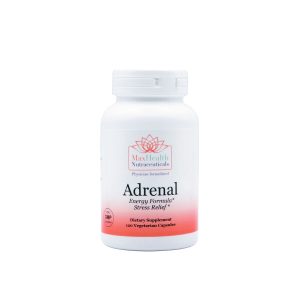
Adrenal (Energy & Stress) 120 Capsules

B Coenzyme Methyl Complex

Omega Ultra TG
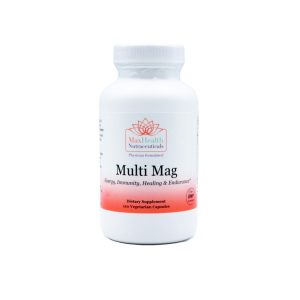
Multi Mag
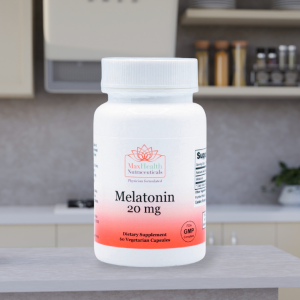
Melatonin 20mg 60s (Capsules)
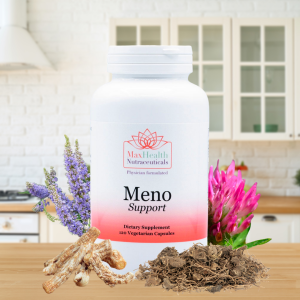
Meno Support 120s
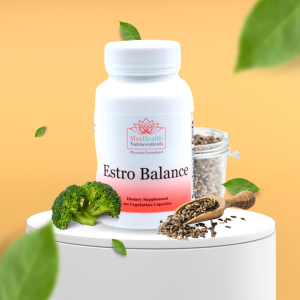
Estro Balance 60s
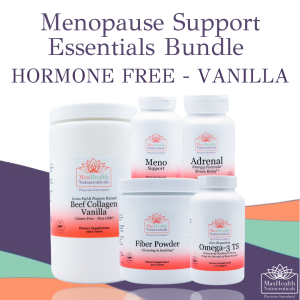
Menopause Support Essentials Bundle (Hormone Free) – Vanilla
Disclosure: This post contains affiliate links. If you purchase through these links, we may earn a small commission at no extra cost to you. Learn more.
About the Author
Dr. Nicolle is a double board-certified physician in Family Medicine and Preventive Medicine, with certifications in Functional Medicine and Lifestyle Medicine. She helps busy professionals over 40 optimize their health through root-cause approaches to cardiovascular, hormonal, and metabolic health.
Learn more about Dr. Nicolle →Explore Related Topics
Dive deeper into these connected health areas
Gut Health
Your gut is far more than a digestive organ — it's home to 70% of your immune system, produces key n…
Explore ❤️Metabolic Health
Metabolic health sits at the intersection of blood sugar regulation, cardiovascular function, body c…
Explore 💪Men's Health
Men's health involves a unique interplay of hormonal balance, cardiovascular resilience, metabolic e…
Explore 🧠Mental Health
Mental health is deeply interconnected with hormonal balance, gut health, blood sugar regulation, an…
Explore 📖Skin & Hair Health
Your skin and hair are windows into your internal health. Chronic acne, eczema, psoriasis, and hair …
ExploreReady to Address Your Health Concerns?
Book a Discovery Offer consultation to discuss how our functional medicine approach can help you achieve your health goals.
Book Your Discovery Offer