Menopause and Weight Gain: Why It Happens and What Actually Works

- Menopausal weight gain is driven by estrogen decline, muscle loss, insulin resistance, and cortisol — not willpower failure
- Women lose 1-2% of muscle mass per year after menopause, progressively reducing metabolic rate
- Severe calorie restriction and excessive cardio actually worsen menopausal metabolism
- Resistance training + adequate protein (1.2-1.6 g/kg/day) are the two most protective interventions
- HRT, when started within 10 years of menopause, reduces visceral fat accumulation and improves insulin sensitivity
She'd eaten the same way for 20 years. Exercised consistently. Managed stress reasonably well. And yet, seemingly overnight, her body changed. Ten pounds appeared around her midsection, her energy cratered, her sleep fractured, and the strategies that had always worked just... stopped working.
If this sounds like your story, you are not imagining things. And you are definitely not lazy. Menopause fundamentally rewires your metabolic machinery, and the conventional advice to "eat less and exercise more" is not only unhelpful — it can actually make things worse.
Why Weight Gain Accelerates During Menopause
The average woman gains 5-8 pounds during the menopausal transition, and the distribution of body fat shifts dramatically — from hips and thighs to the abdomen (1). This isn't cosmetic. Visceral abdominal fat is metabolically active tissue that produces inflammatory cytokines, disrupts insulin signaling, and increases cardiovascular risk.
Here's what's actually happening at the hormonal level:
Estrogen Decline and Fat Redistribution
Estrogen is a master regulator of female metabolism. It promotes fat storage in the hips and thighs (subcutaneous fat — relatively benign) and actively protects against visceral fat accumulation. As estrogen levels drop during perimenopause, this protective effect disappears. Without estrogen's influence, adipose tissue redistributes to the abdomen — the same pattern seen in men (2).
Estrogen also:
- Enhances insulin sensitivity — declining estrogen promotes insulin resistance
- Supports leptin signaling — the satiety hormone becomes less effective
- Maintains muscle mass — contributing to sarcopenia when levels fall
- Regulates serotonin and dopamine — affecting mood-driven eating behaviors
The weight gain women experience during menopause is primarily driven by hormonal changes, not increased caloric intake. Studies show menopausal women who maintain the same diet and exercise patterns still gain weight due to shifts in metabolic rate and fat distribution.
Progesterone Loss and Water Retention
Progesterone declines even before estrogen during perimenopause. Low progesterone promotes fluid retention, bloating, and a relative excess of estrogen (estrogen dominance). This creates a frustrating cycle: the scale goes up, clothes feel tighter, and the hormonal imbalance drives further metabolic disruption.
Muscle Loss (Sarcopenia)
Women lose approximately 1-2% of muscle mass per year after menopause (3). Since muscle is metabolically active tissue (burning calories at rest), this creates a progressive decline in basal metabolic rate. A woman who had a metabolic rate of 1,400 calories at age 40 might burn only 1,200 at age 55 — without any change in activity level. Over a year, that 200-calorie daily deficit in energy expenditure equates to roughly 20 pounds of potential weight gain.
Cortisol and Sleep Disruption
Menopause significantly disrupts sleep. Hot flashes, night sweats, and declining progesterone (a natural sedative) fragment sleep architecture. Poor sleep elevates cortisol, which directly promotes visceral fat storage through multiple mechanisms:
- Increases appetite (particularly for high-sugar, high-fat foods)
- Promotes insulin resistance
- Activates the enzyme 11β-HSD1 in abdominal fat tissue
- Breaks down muscle protein
Thyroid Dysfunction
Thyroid disorders become significantly more common during menopause, with subclinical hypothyroidism affecting up to 20% of women over 50. Even mildly reduced thyroid function slows metabolism, promotes cholesterol elevation, and contributes to fatigue and weight gain.
What Doesn't Work (and Why)
Severe Caloric Restriction
Cutting calories dramatically during menopause is counterproductive. It signals your already-stressed body to conserve energy, further reducing metabolic rate, increasing cortisol, and accelerating muscle loss. This is the classic "eat less, gain more" trap that frustrates so many menopausal women.
Excessive Cardio
Hours on the treadmill without resistance training will accelerate muscle loss — the exact opposite of what menopausal metabolism needs. Chronic cardio also elevates cortisol, compounding the problem.
Ignoring Hormones
Addressing only diet and exercise while ignoring the underlying hormonal shifts is like trying to drive with the parking brake on. The metabolic environment must change for sustainable results.
The Five-Pillar Strategy That Actually Works
1. Hormone Optimization
Hormone replacement therapy (HRT) is the most effective intervention for menopausal weight redistribution. The Women's Health Initiative (WHI) follow-up data and subsequent studies have shown that HRT, when initiated within 10 years of menopause onset:
- Reduces visceral fat accumulation
- Improves insulin sensitivity
- Preserves muscle mass and bone density
- Improves sleep quality
- Reduces cardiovascular risk (4)
For women who cannot or choose not to use HRT, bioidentical progesterone, DHEA, and targeted botanicals can provide partial metabolic support.
2. Protein-Forward Nutrition
Protein is the single most important macronutrient for menopausal women. It:
- Preserves muscle mass during weight loss
- Has the highest thermic effect (burns more calories during digestion)
- Promotes satiety and reduces cravings
- Supports collagen and bone health
Target: 1.2-1.6 g protein per kg of body weight daily, distributed across 3-4 meals (30-40g per meal to maximize muscle protein synthesis). Our meal plans are designed with these targets built in.
If you change nothing else about your diet during menopause, increase your protein. Most women over 50 eat roughly half the protein they need to maintain muscle mass and metabolic rate.
3. Resistance Training (Non-Negotiable)
Resistance training is the single most protective intervention against menopausal metabolic decline. It:
- Builds and preserves metabolically active muscle
- Improves insulin sensitivity within weeks
- Increases bone density (critical post-menopause)
- Reduces visceral fat even without significant scale changes
- Improves mood and sleep quality
Minimum effective dose: 2-3 sessions per week of progressive resistance training. Our fitness programs include beginner-friendly strength protocols specifically designed for this life stage.
4. Sleep Optimization
Prioritizing sleep during menopause has outsized metabolic returns. Even one night of poor sleep increases insulin resistance by 25-30% and elevates cortisol the following day.
Strategies:
- Address hot flashes and night sweats (HRT is most effective)
- Consider bioidentical progesterone at bedtime (natural sedative effect)
- Maintain a cool bedroom (65-68°F)
- Limit alcohol (disrupts sleep architecture and worsens hot flashes)
- Consider magnesium glycinate before bed
5. Stress and Cortisol Management
Cortisol dysregulation during menopause creates a metabolic environment that preferentially stores belly fat. Evidence-based strategies:
- Morning sunlight exposure within 30 minutes of waking
- Adaptogenic herbs (ashwagandha, rhodiola) with clinical evidence for cortisol reduction
- Daily stress management practice (even 10 minutes of breathwork)
- Reducing or eliminating caffeine after noon
| Root Cause | Mechanism | Primary Intervention |
|---|---|---|
| Estrogen decline | Fat redistribution to abdomen | HRT (if appropriate) |
| Muscle loss | Reduced metabolic rate | Resistance training + protein |
| Insulin resistance | Impaired fat burning | Strength training + blood sugar management |
| Sleep disruption | Elevated cortisol, hunger hormones | Sleep hygiene + HRT for night sweats |
| Thyroid decline | Reduced metabolic rate | Thyroid testing + optimization |
The Lab Tests That Matter
Don't accept "your labs are normal" without seeing the full picture. For menopausal weight gain, I recommend:
- Fasting insulin + HOMA-IR — insulin resistance is the #1 metabolic driver
- Complete thyroid panel (TSH, free T4, free T3, TPO antibodies, reverse T3)
- Estradiol, progesterone, DHEA-S, testosterone
- Cortisol (4-point salivary or DUTCH test)
- HbA1c and fasting glucose
- Vitamin D, B12, ferritin, magnesium RBC
- Advanced lipid panel (particle number and size)
Ready to Take Action?
If you're a woman navigating menopause and frustrated by unexplained weight gain despite "doing everything right," you're not broken — your metabolic environment has changed, and your approach needs to change with it.
Our Women's Hormones Program is specifically designed for this transition. Start with our Wellness Quiz to identify your biggest metabolic opportunities, or book a Discovery Offer to review your labs and create a personalized plan.
---
References
- Greendale, G.A., et al. (2019). Changes in body composition and weight during the menopause transition. JCI Insight, 4(5), e124865.
- Lizcano, F., & Guzmán, G. (2014). Estrogen deficiency and the origin of obesity during menopause. BioMed Research International, 2014, 757461.
- Maltais, M.L., et al. (2009). Changes in muscle mass and strength after menopause. Journal of Musculoskeletal and Neuronal Interactions, 9(4), 186-197.
- Manson, J.E., et al. (2017). Menopausal hormone therapy and long-term all-cause and cause-specific mortality: The WHI randomized trials. JAMA, 318(10), 927-938.
Supplements for Women's Hormone Balance
Clinical-grade picks for this topic

SMART Resistance Training Bundle
$54.99

Thera360 PLUS Portable Sauna
$1,428.00

Inner Balance™ Coherence Plus
$249.00
Affiliate disclosure: The product links below are affiliate links — we may earn a commission at no extra cost to you. Recommendations are based on clinical use, not commissions. Learn more.
Frequently Asked Questions
Common questions about menopause and weight gain: why it happens and what actually works
Recommended Supplements
Professional-grade supplements from my MaxHealth Nutraceuticals line — the same formulas I use in clinical practice.
SMART Resistance Training Bundle
Thera360 PLUS Portable Sauna
Inner Balance™ Coherence Plus
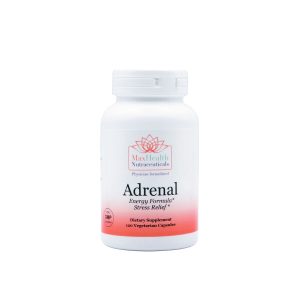
Adrenal (Energy & Stress) 120 Capsules
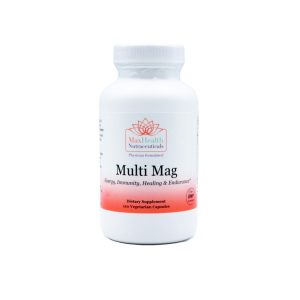
Multi Mag
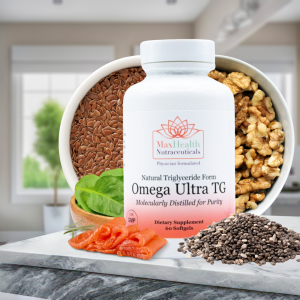
Omega Ultra TG

Vitamin D3 5000 IU + K2 CAPSULES 100s
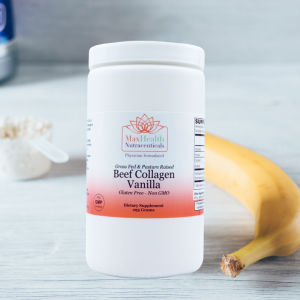
Beef Collagen Vanilla
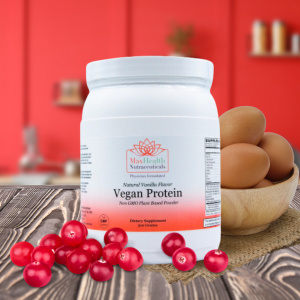
Vegan Protein Vanilla 510 Grams
Whey Protein Vanilla 12 oz
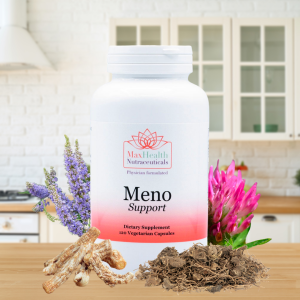
Meno Support 120s
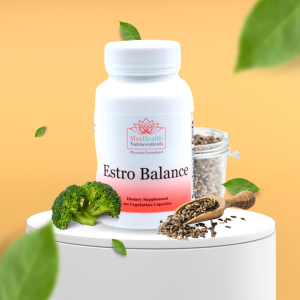
Estro Balance 60s
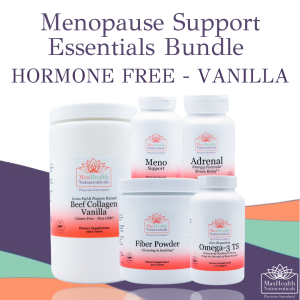
Menopause Support Essentials Bundle (Hormone Free) – Vanilla
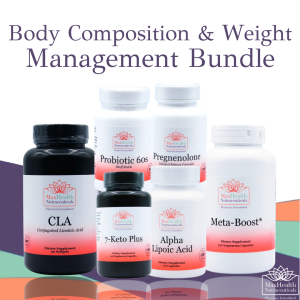
Body Composition & Weight Management Bundle
Disclosure: This post contains affiliate links. If you purchase through these links, we may earn a small commission at no extra cost to you. Learn more.
About the Author
Dr. Nicolle is a double board-certified physician in Family Medicine and Preventive Medicine, with certifications in Functional Medicine and Lifestyle Medicine. She helps busy professionals over 40 optimize their health through root-cause approaches to cardiovascular, hormonal, and metabolic health.
Learn more about Dr. Nicolle →Explore Related Topics
Dive deeper into these connected health areas
Gut Health
Your gut is far more than a digestive organ — it's home to 70% of your immune system, produces key n…
Explore ❤️Metabolic Health
Metabolic health sits at the intersection of blood sugar regulation, cardiovascular function, body c…
Explore 💪Men's Health
Men's health involves a unique interplay of hormonal balance, cardiovascular resilience, metabolic e…
Explore 🧠Mental Health
Mental health is deeply interconnected with hormonal balance, gut health, blood sugar regulation, an…
Explore 📖Skin & Hair Health
Your skin and hair are windows into your internal health. Chronic acne, eczema, psoriasis, and hair …
ExploreReady to Address Your Health Concerns?
Book a Discovery Offer consultation to discuss how our functional medicine approach can help you achieve your health goals.
Book Your Discovery Offer